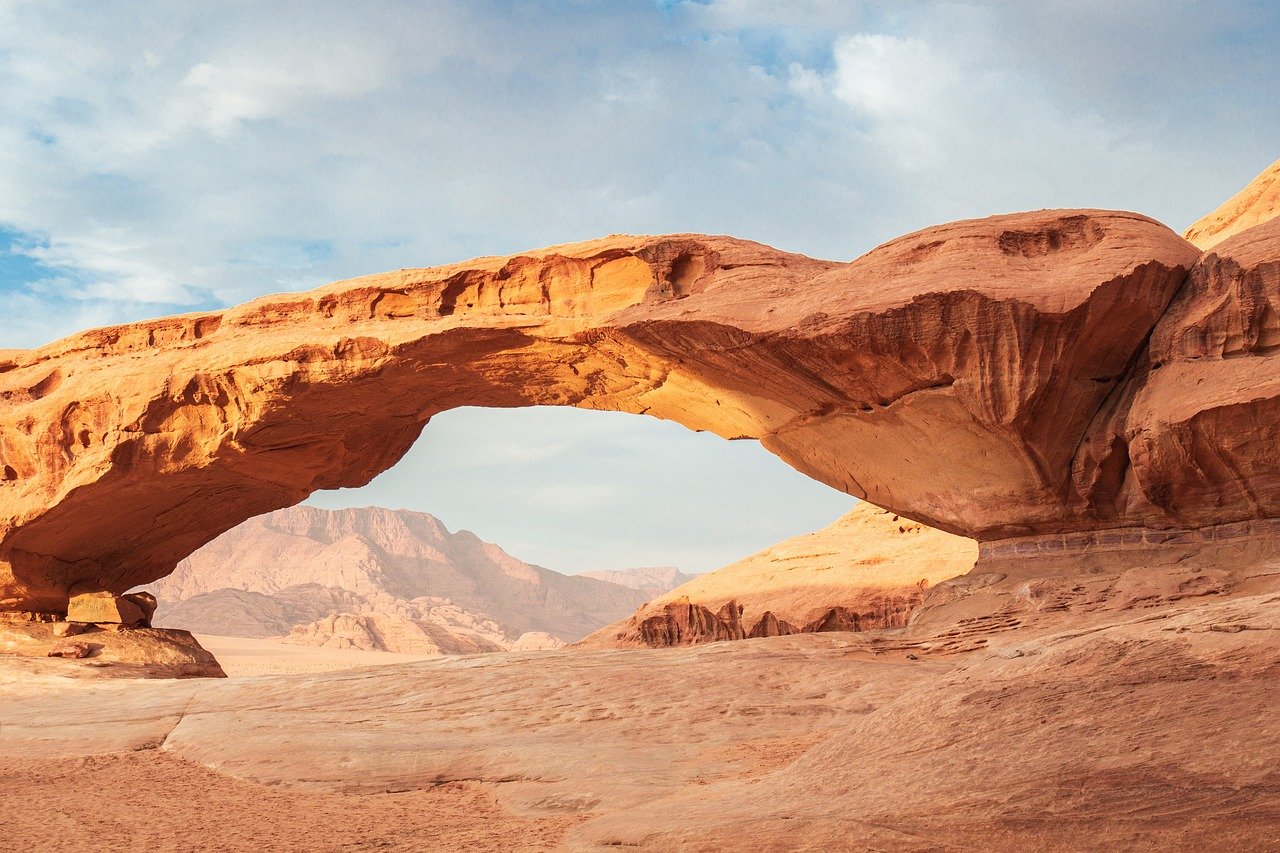
Wadi Fira
Wadi Fira, in eastern Chad, blends Sahelian desert scenery with local markets, diverse communities and a history of cross-border trade.
Passengers
Luggage
About Wadi Fira
Wadi Fira is a semi-arid Sahelian region in eastern Chad, bordering Sudan's West Darfur to the east. Its administrative capital is Biltine, while Guéréda and Iriba are the main secondary towns. Much of the landscape is made up of rocky plains, acacia scrub and seasonal watercourses, or wadis, that give the region its name and briefly fill during the short rainy season.
Historically part of the former Biltine prefecture, Wadi Fira has long been a crossroads of Sahelian trade and pastoral movement. Its population is made up mainly of Zaghawa, Tama, Maba and other communities with close cultural and economic ties across the border with Darfur. The region has few formal monuments; its character is best seen in weekly markets, traditional architecture and the livestock and grain trade that shape daily life.
Biltine is the administrative centre, with government offices, a small airport and a modest market. Guéréda, in the Dar Tama department, and Iriba, in the Kobé department, are important secondary centres. Travel between them is by unpaved roads and tracks, usually requiring a four-wheel-drive vehicle, especially during the July to September rains.
Cross-border trade, livestock, millet and sorghum farming support much of the local economy. Since 2023, instability in neighbouring Sudan has brought a large refugee and humanitarian presence to the region, making Wadi Fira a base for relief organisations, researchers and development workers as well as a limited number of adventurous travellers.
Wadi Fira is not a conventional tourist destination, but it offers insight into Sahelian life, pastoralist culture and a remote corner of eastern Chad. Visitors should plan carefully, follow current security guidance and travel with experienced local support.
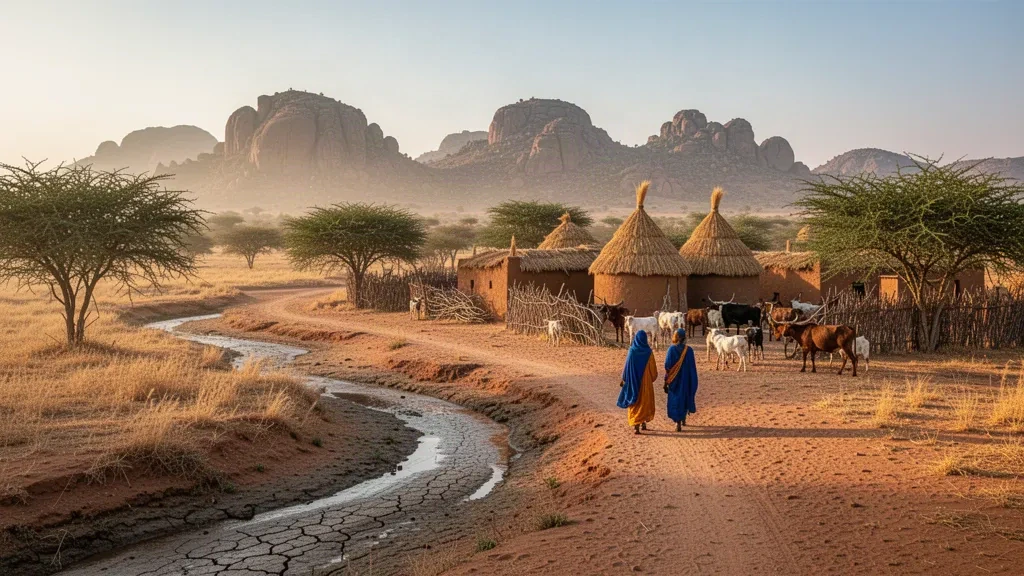
Wadi Fira Travel Guide
Best Time to Visit
November to February is the most comfortable period, with cooler dry-season temperatures and clearer tracks. Avoid the April to June heat and the July to September rainy season, when many unpaved roads become difficult or impassable.
How to Get Around
Movement relies mainly on four-wheel-drive vehicles, shared taxis and occasional buses on the main routes between Biltine, Guéréda and Iriba. Roads are largely unpaved, so local drivers and guides are useful, and journeys should be planned around daylight and current conditions.
Where to Stay
Accommodation is limited to small guesthouses and basic lodgings in Biltine, Guéréda and Iriba. Travellers should book ahead, keep expectations modest and check whether humanitarian compounds or partner organisations can host authorised visitors.
Food & Drink
Meals are based on Sahelian staples such as millet, sorghum, porridge, grilled meat and sweet tea. Fresh produce and cooked food are easiest to find around the main town markets, while remote areas require carrying food and drinking water.
Ground Transportation Services in Wadi Fira
Airport Transfers
Arrange road transfers between Biltine Airport (FTTE), Abéché Airport and towns such as Biltine, Guéréda and Iriba, including meet-and-greet support in eastern Chad.
Hourly Chauffeur
Book a private four-wheel-drive chauffeur by the hour for meetings, field visits, market trips and flexible travel around Wadi Fira.
Car Rental
Rent a four-wheel-drive vehicle in N'Djamena or Abéché for self-drive or driver-supported journeys across Wadi Fira, with advice on road and security conditions.
Bus & Group Transfers
Arrange minibuses or four-wheel-drive convoys for groups, humanitarian teams and project visits moving between Biltine, Guéréda, Iriba and nearby airports.
Frequently Asked Questions
Related Cities in Chad
View all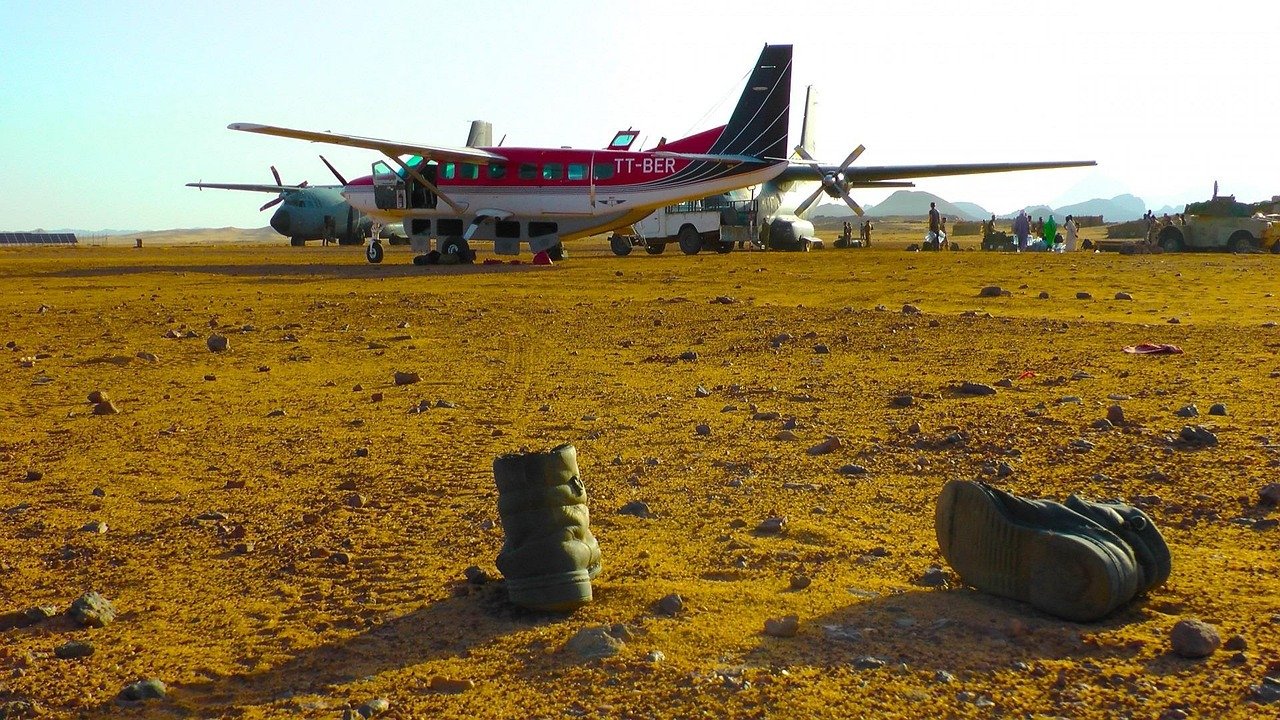
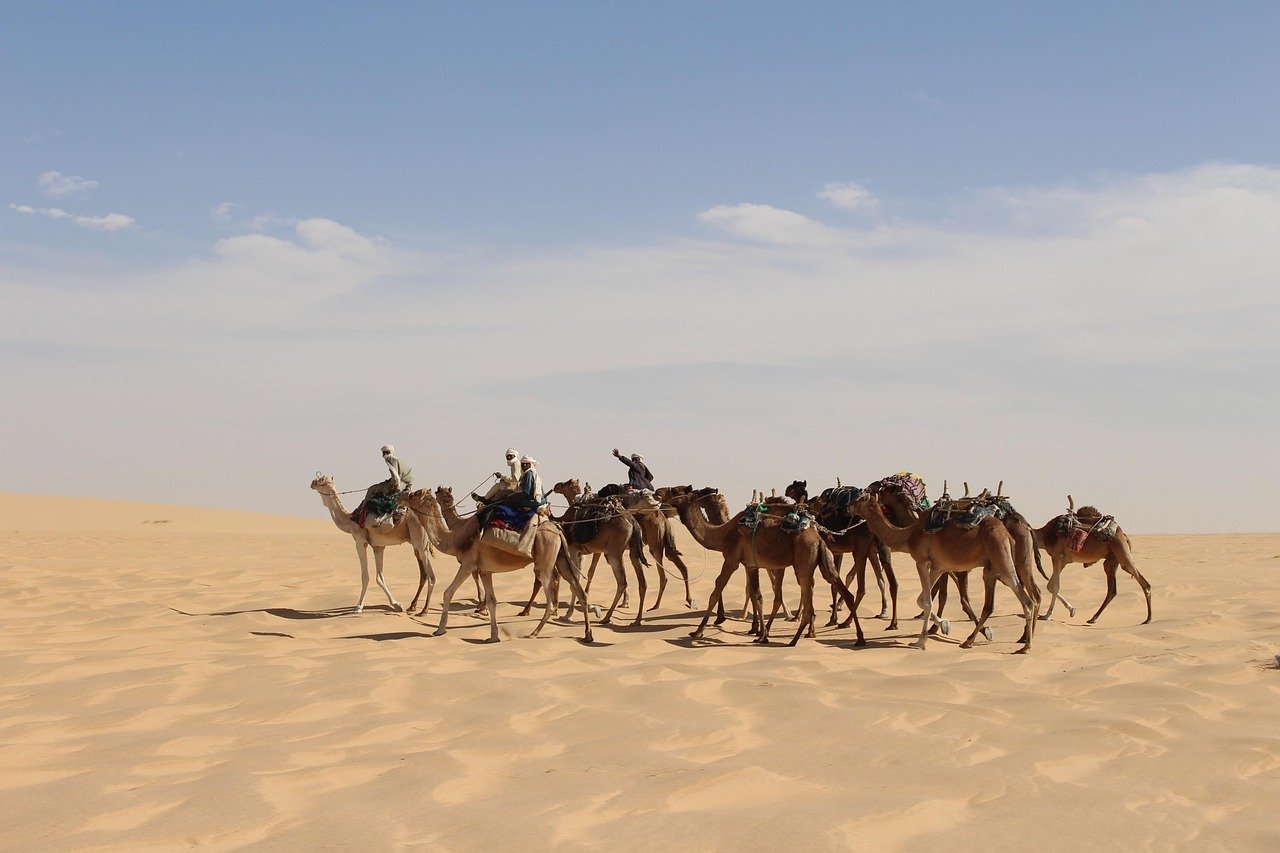
Tibesti
Tibesti, in northern Chad, is known for its dramatic volcanic mountains, ancient rock art and the cultural heritage of the Toubou people.
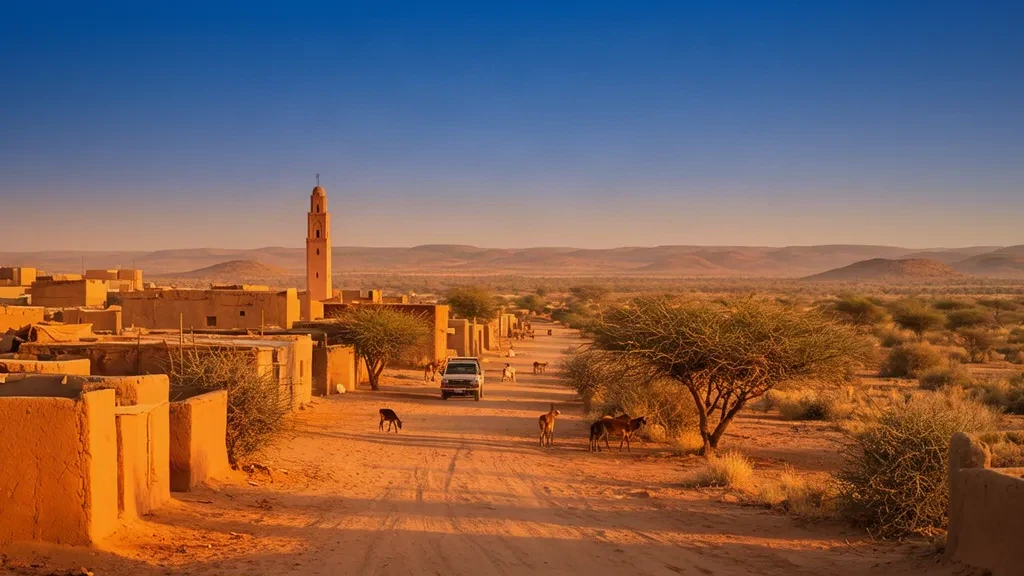
Tandjilé
Tandjilé, in southwestern Chad, is a predominantly agricultural area of savanna landscapes, market towns and small communities, with Laï serving as its administrative centre.
Chad Sila
Chad Sila offers a mix of local culture and daily life, serving as a convenient stop for travelers exploring the surrounding region.
Airports in Chad
View all airports in the country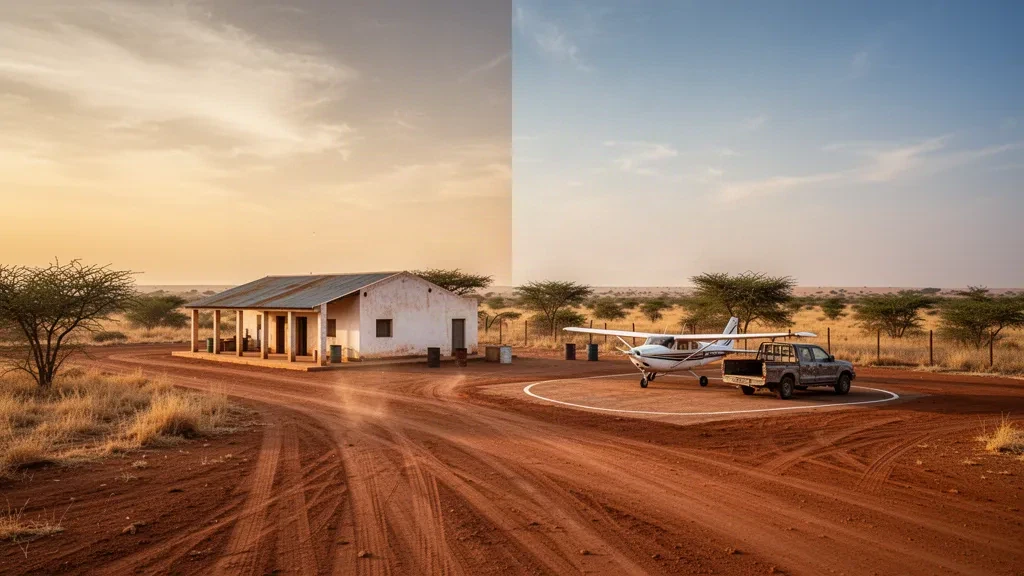
Bokoro Airport (BKR)
Bokoro Airport (BKR) serves the town of Bokoro and the surrounding Hadjer-Lamis region in central Chad. It provides a small gateway for travelers heading to Bokoro and onward connections toward N'Djamena and nearby towns.
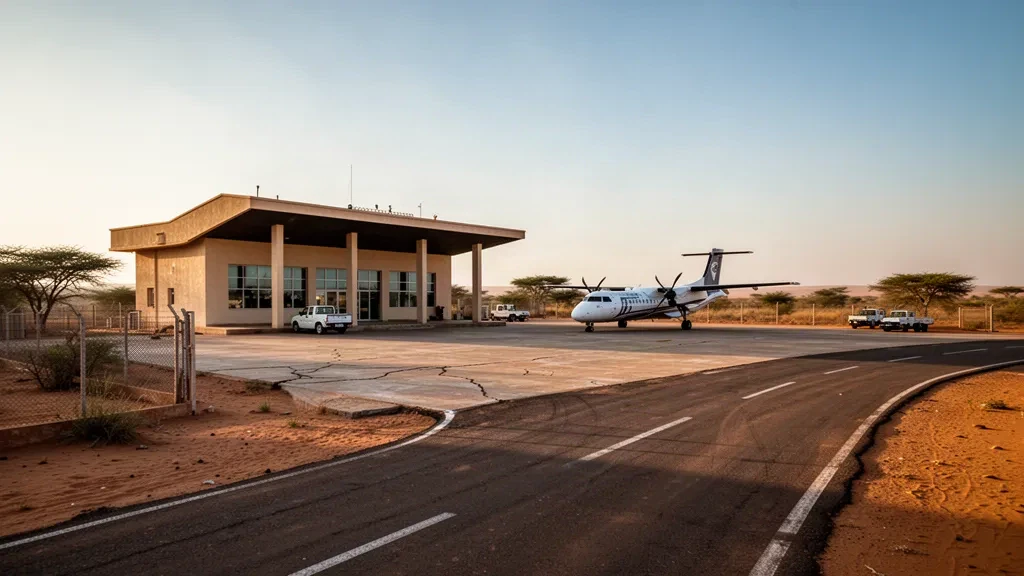
Ati Airport (ATV)
Ati Airport is a small public airport serving the town of Ati and the Batha region in central Chad. Compare onward travel options to Ati town centre and nearby areas.
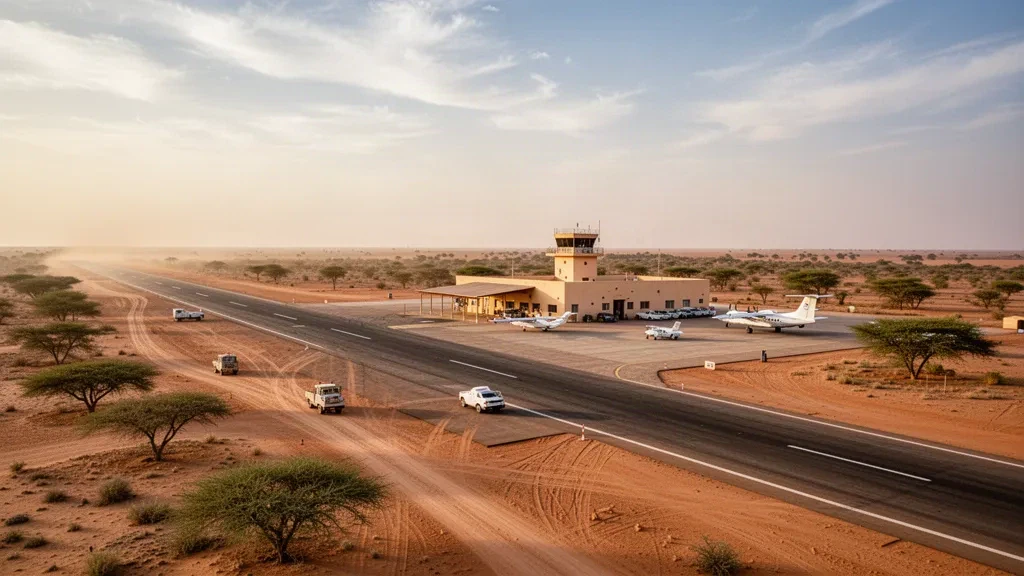
Mao Airport (AMO)
Mao Airport is a compact domestic gateway serving Mao and the wider Kanem region of Chad. Compare transfer options into Mao town and plan connections to nearby areas from this small regional airport.
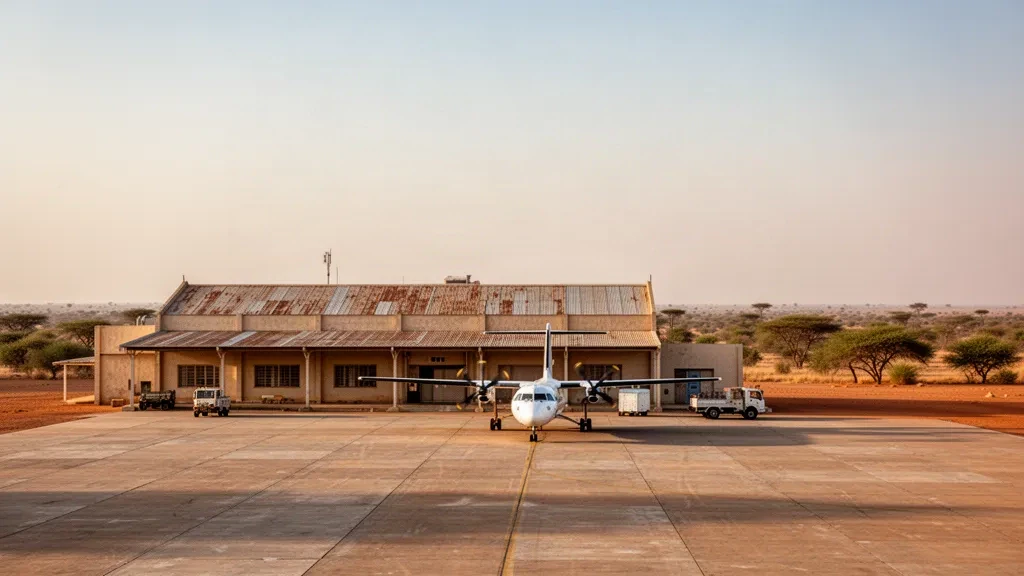
Am Timan Airport (AMC)
Am Timan Airport is the main gateway to Am Timan, the capital of Chad's Salamat Region, and the surrounding areas of southeastern Chad. Compare transfer options to central Am Timan and nearby towns, and plan your onward journey with ease.