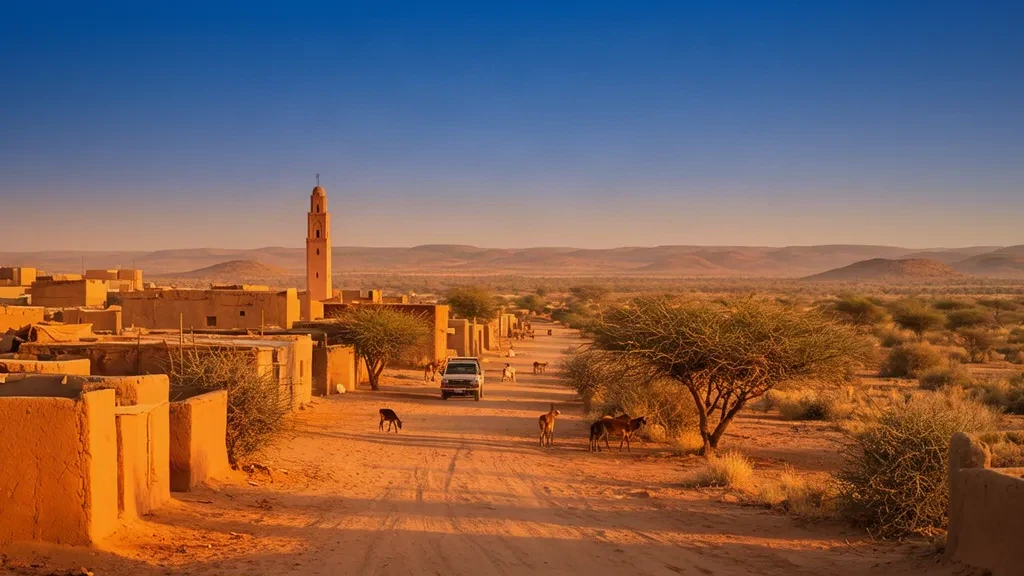
Chad Sila
Chad Sila offers a mix of local culture and daily life, serving as a convenient stop for travelers exploring the surrounding region.
Passengers
Luggage
About Sila
Sila, also known as Dar Sila, is a region in southeastern Chad centred on the town of Goz Beïda. Located in the semi-arid Sahel close to the Sudanese border, the area combines Daju cultural heritage, pastoral traditions and a frontier trading character that sets it apart from the country's larger cities.
Goz Beïda, whose name means "white sand dune" in Arabic, grew from the historic Dar Sila sultanate and became the capital of the newly created Sila region in 2008. The town remains the administrative and commercial heart of the region, with a lively market, government offices and a small airport.
The surrounding landscape is mostly open Sahelian scrub and seasonal riverbeds, used by herders and farmers. Communities around Goz Beïda and settlements such as Koukou Angarana, Tissi and Abdi reflect the region's mix of Daju, Arab and other groups, while camps near the town host people displaced by the conflict in neighbouring Darfur.
Sila is reached mainly by road from Abéché, about 200 km to the northwest, or by air through Goz Beïda Airport. The region matters most to humanitarian organisations, researchers and business travellers working in eastern Chad, rather than to mainstream tourism.
For travellers who do visit, Sila offers a rare look at Sahelian life, local markets, traditional architecture and long-distance routes toward the Sudan border. Trips here require careful planning, reliable 4x4 transport and up-to-date security information.
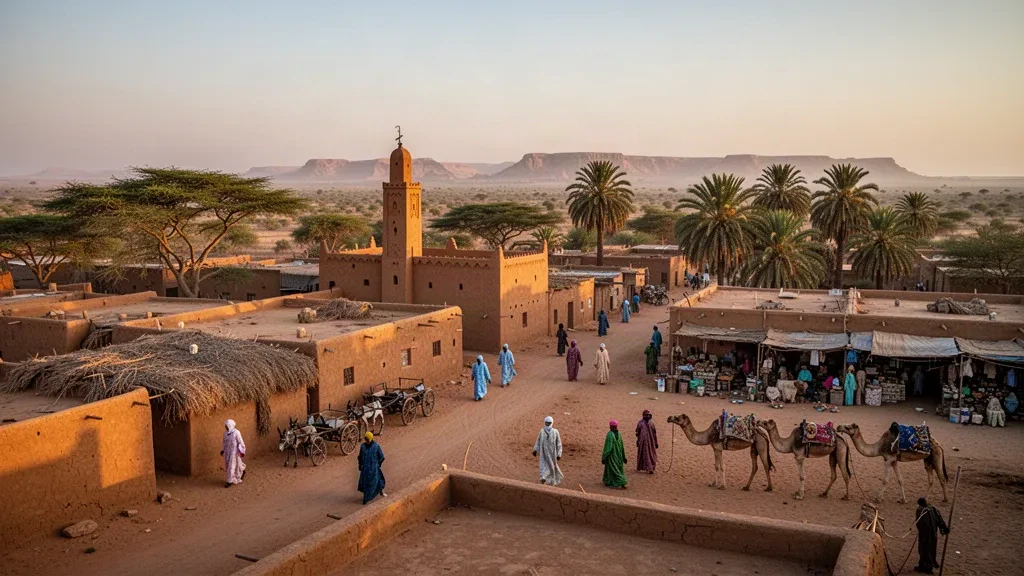
Sila Travel Guide
Best Time to Visit
The dry season from November to February is the most practical time to visit, with cooler temperatures and roads that are generally easier to navigate. The rainy season from June to September can make unpaved routes around the Sila region difficult.
How to Get Around
Goz Beïda is compact enough to explore by taxi, motorcycle or on foot, while journeys across the wider Sila region usually require a 4x4 vehicle. Public transport is limited, with shared taxis and trucks linking the town to Abéché and other settlements.
Where to Stay
Accommodation in Goz Beïda is limited and mostly consists of small guesthouses, lodges and facilities used by humanitarian workers. Travellers can also use Abéché, around 200 km away, as a larger base with more services before continuing to Sila.
Food & Drink
Local meals in Sila centre on millet and sorghum, often served as porridge or flatbread with meat, okra and peanut sauces. Tea is served throughout the day, and the Goz Beïda market is the main place to find fresh produce, grilled meat and everyday supplies.
Ground Transportation Services in Sila
Airport Transfers
Arrange transport between Goz Beïda Airport and the town centre, guesthouses, NGO offices and onward routes across the Sila region.
Hourly Chauffeur
Book a private driver by the hour in Goz Beïda for meetings, field visits, market trips and flexible travel around the Sila region.
Car Rental
Rent a 4x4 vehicle in Goz Beïda or Abéché for independent travel across the Sila region and the road to N'Djamena.
Bus & Group Transfers
Organise 4x4 convoys or charter vehicles for NGO teams, research groups and other parties travelling within the Sila region or between Goz Beïda and Abéché.
Frequently Asked Questions
Related Cities in Chad
View all
Wadi Fira
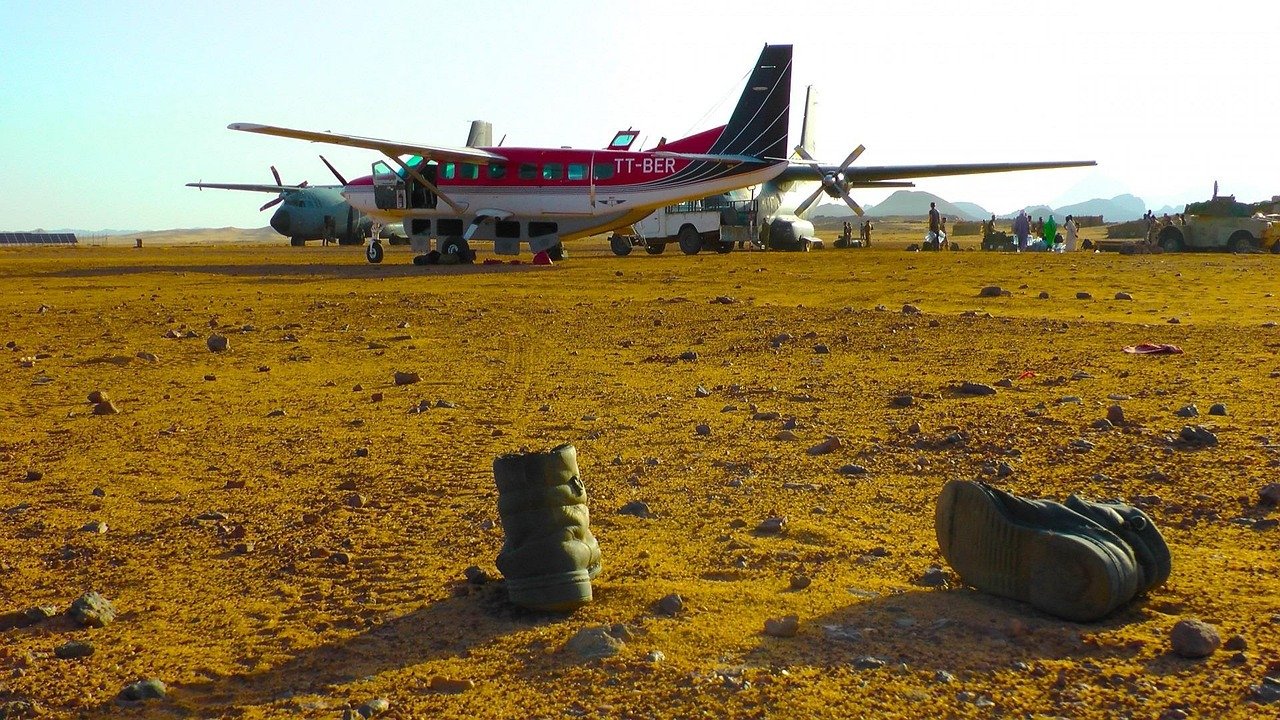
Wadi Fira, in eastern Chad, blends Sahelian desert scenery with local markets, diverse communities and a history of cross-border trade.
Tibesti
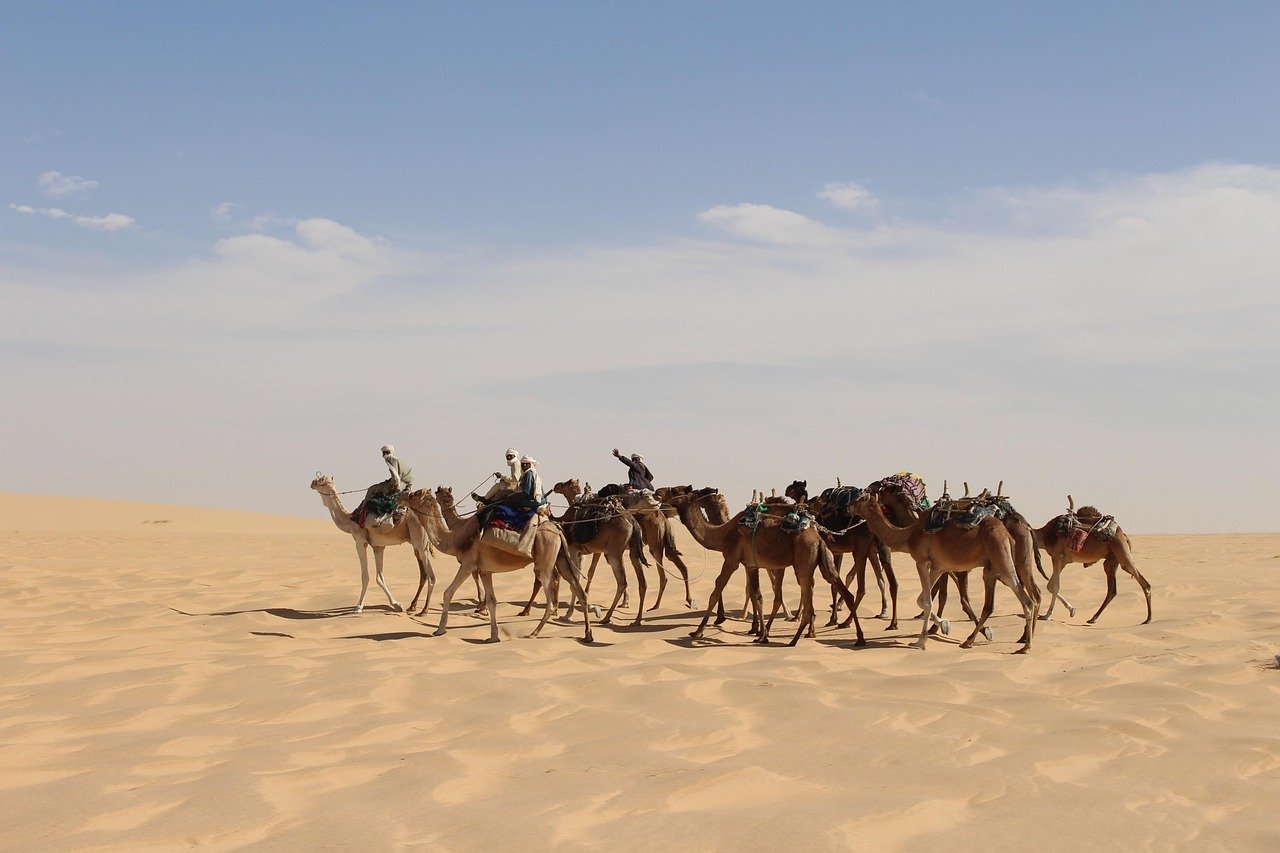
Tibesti, in northern Chad, is known for its dramatic volcanic mountains, ancient rock art and the cultural heritage of the Toubou people.
Tandjilé
Tandjilé, in southwestern Chad, is a predominantly agricultural area of savanna landscapes, market towns and small communities, with Laï serving as its administrative centre.
Airports in Chad
View all airports in the country
Bokoro Airport (BKR)
Bokoro Airport (BKR) serves the town of Bokoro and the surrounding Hadjer-Lamis region in central Chad. It provides a small gateway for travelers heading to Bokoro and onward connections toward N'Djamena and nearby towns.
Ati Airport (ATV)
Ati Airport is a small public airport serving the town of Ati and the Batha region in central Chad. Compare onward travel options to Ati town centre and nearby areas.
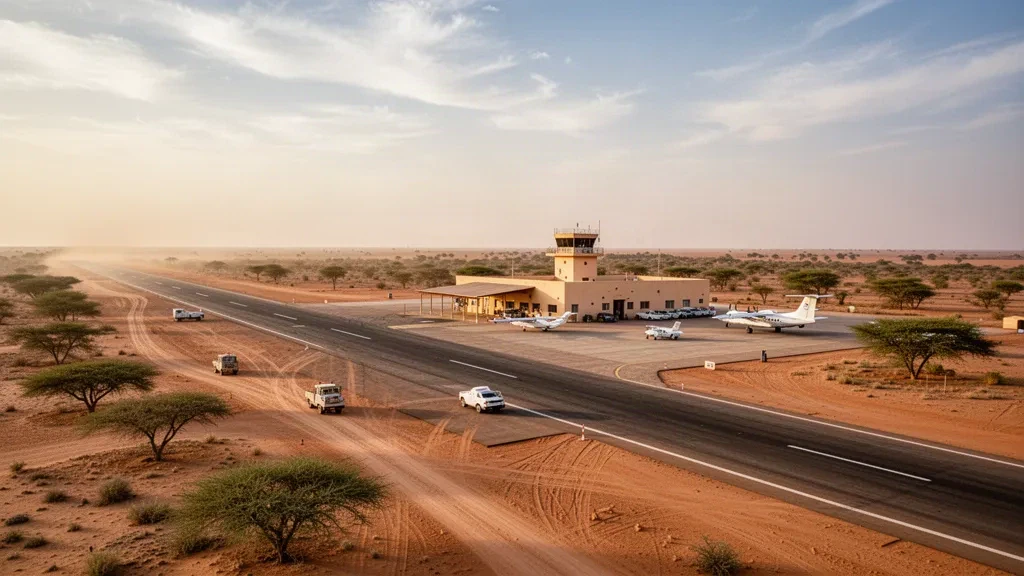
Mao Airport (AMO)
Mao Airport is a compact domestic gateway serving Mao and the wider Kanem region of Chad. Compare transfer options into Mao town and plan connections to nearby areas from this small regional airport.
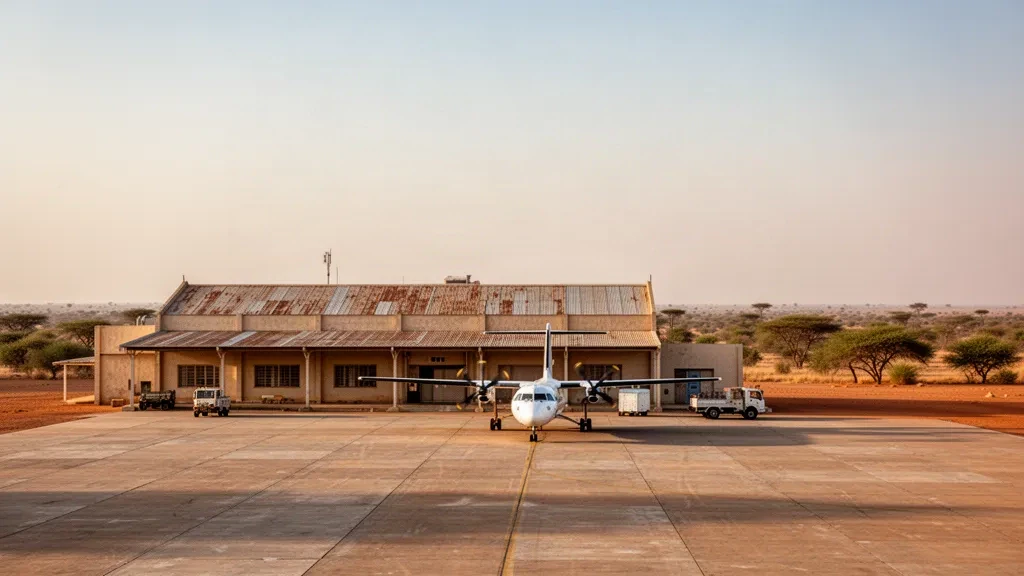
Am Timan Airport (AMC)
Am Timan Airport is the main gateway to Am Timan, the capital of Chad's Salamat Region, and the surrounding areas of southeastern Chad. Compare transfer options to central Am Timan and nearby towns, and plan your onward journey with ease.