
Rio de Janeiro
Rio de Janeiro balances dramatic natural beauty with a rich cultural heritage, from iconic beaches and granite peaks to historic neighbourhoods and a vibrant music scene. The city's warm, energetic rhythm shapes everyday life and makes it one of South America's most captivating destinations.
Passengers
Luggage
About Rio de Janeiro
Rio de Janeiro is Brazil's second-largest city and a global icon of Brazilian culture, set between dramatic granite peaks, the Atlantic Ocean and Guanabara Bay. Nicknamed the "Cidade Maravilhosa," it is defined by landmarks such as Christ the Redeemer on Corcovado, Sugarloaf Mountain and the sweeping beaches of Copacabana and Ipanema.
Founded by the Portuguese in 1565, Rio served as Brazil's capital from 1763 until 1960 and remains a centre of national identity. Its historic layers are visible in the colonial streets of Centro, the Portuguese Royal Reading Room, the Municipal Theatre and older churches, while modern architecture and restored cultural spaces continue to shape the city.
Districts range widely in character: Copacabana, Ipanema and Leblon are known for beach life and restaurants; Santa Teresa has hillside streets, studios and tram connections; Lapa is the heart of live samba and nightlife; and Centro mixes business, museums and heritage buildings. Attractions include the Museum of Tomorrow, the Selarón Steps, Maracanã Stadium and the urban rainforest of Tijuca National Park.
Rio is also a major business and events hub in oil, gas, media and technology, with a busy port, conference venues and year-round cultural programming. Carnival transforms the city each year, while New Year's Eve at Copacabana and events such as Rock in Rio draw international visitors.
For leisure and business travellers alike, Rio offers a distinctive mix of natural beauty, culture, cuisine and urban energy that sets it apart among South American destinations.
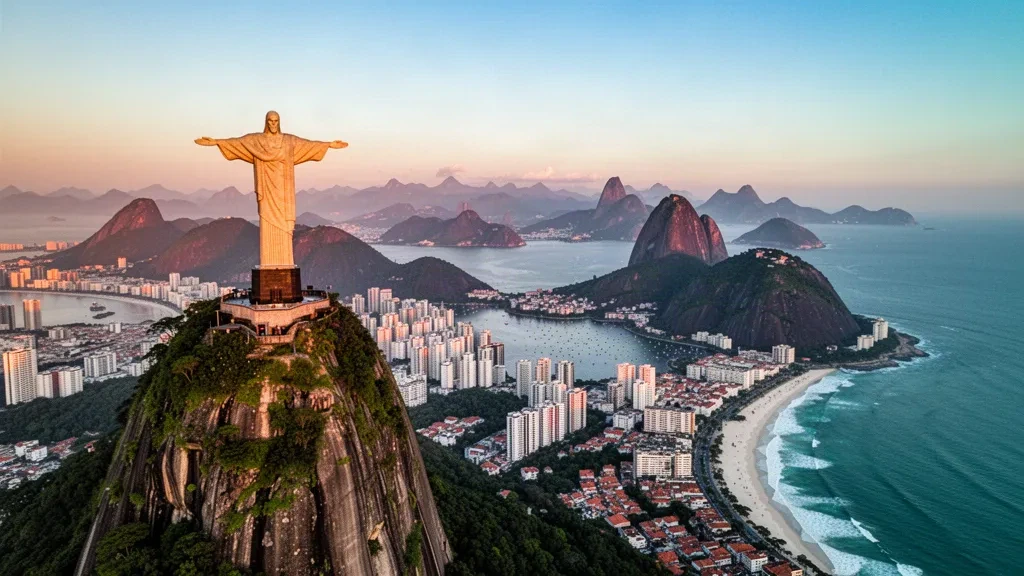
Rio de Janeiro Travel Guide
Best Time to Visit
Rio de Janeiro is a year-round destination, but December to March brings the warmest beach weather, Carnival and New Year's Eve crowds. The May to September dry season offers milder temperatures and lower rainfall, making it comfortable for sightseeing and outdoor attractions.
How to Get Around
The city has an integrated network of metro lines, BRT and municipal buses, plus the VLT light rail in the centre and the Santa Teresa tram. Taxis and ride-hailing are widely used, while rental cars are more practical for trips outside the city.
Where to Stay
Copacabana and Ipanema put visitors close to the beach, restaurants and hotels; Leblon is more upscale and quieter. Santa Teresa offers boutique stays with a bohemian feel, while Centro and Flamengo/Botafogo are practical for business and easier access to museums and the airport corridor.
Food & Drink
Rio's food culture ranges from classic Brazilian dishes such as feijoada and grilled meats to beach snacks like açaí, tapioca and empadas. Juice bars, botecos and churrascarias sit alongside seafood restaurants, while markets and neighbourhood bakeries round out the local scene.
Ground Transportation Services in Rio de Janeiro
Airport Transfers
Travel between Galeão or Santos Dumont airports and hotels, business districts, venues and neighbourhoods across Rio de Janeiro.
Hourly Chauffeur
Book a private chauffeur by the hour for business meetings, events, sightseeing and flexible travel across Rio de Janeiro.
Car Rental
Rent a car in Rio de Janeiro for independent travel around the city and convenient journeys to nearby coastal and mountain destinations.
Bus & Group Transfers
Arrange minibuses or charter buses for groups, corporate travel, events, airport transfers and tours in Rio de Janeiro.
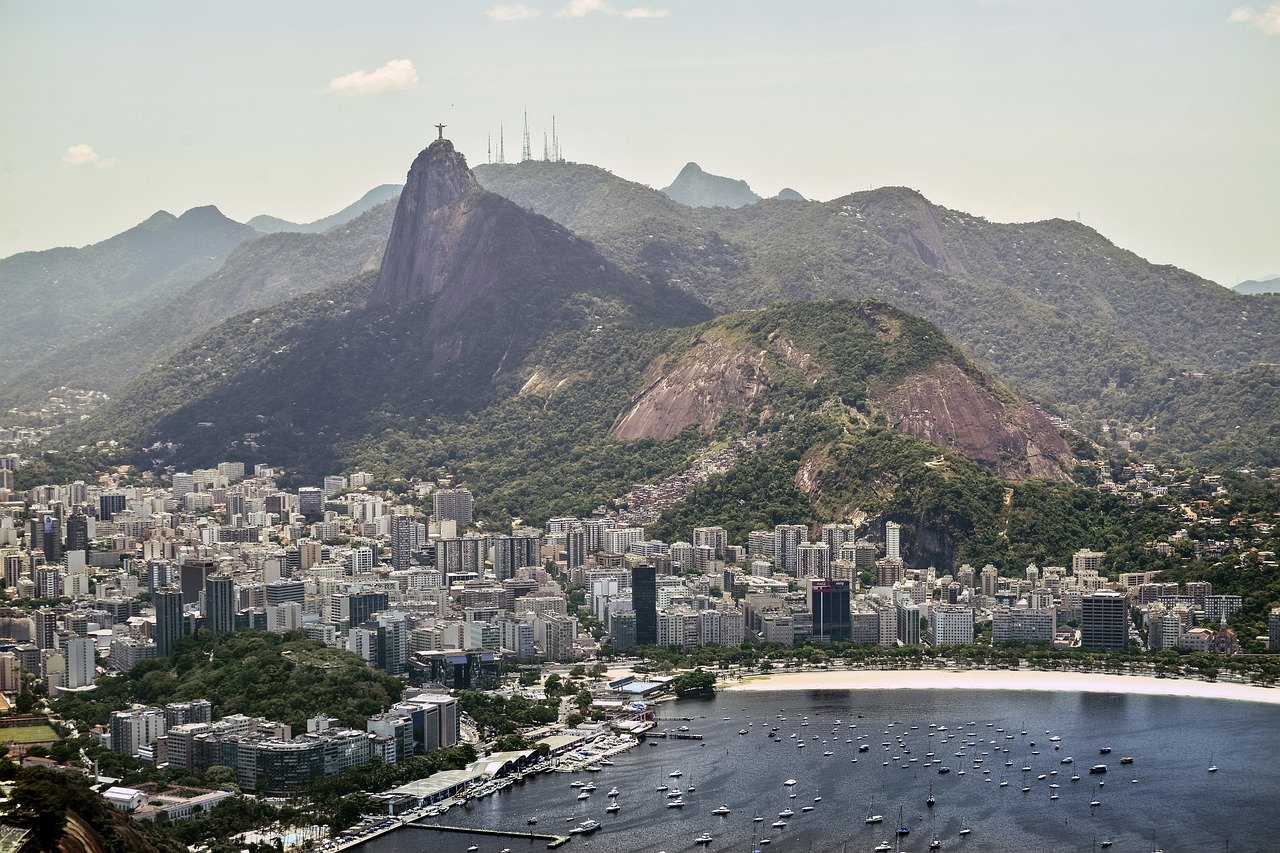
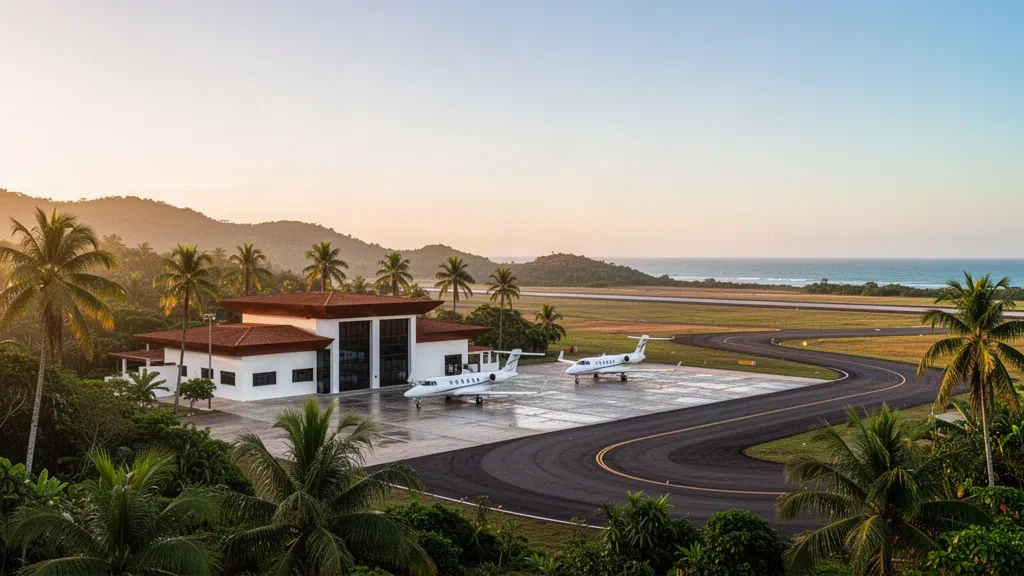
Airports in Rio de Janeiro
Frequently Asked Questions
Related Cities in Brazil
View all
Palmas
Palmas, one of Brazil's newest state capitals, pairs a planned urban layout with river beaches and cerrado landscapes, serving as a gateway to Tocantins.
Aracaju
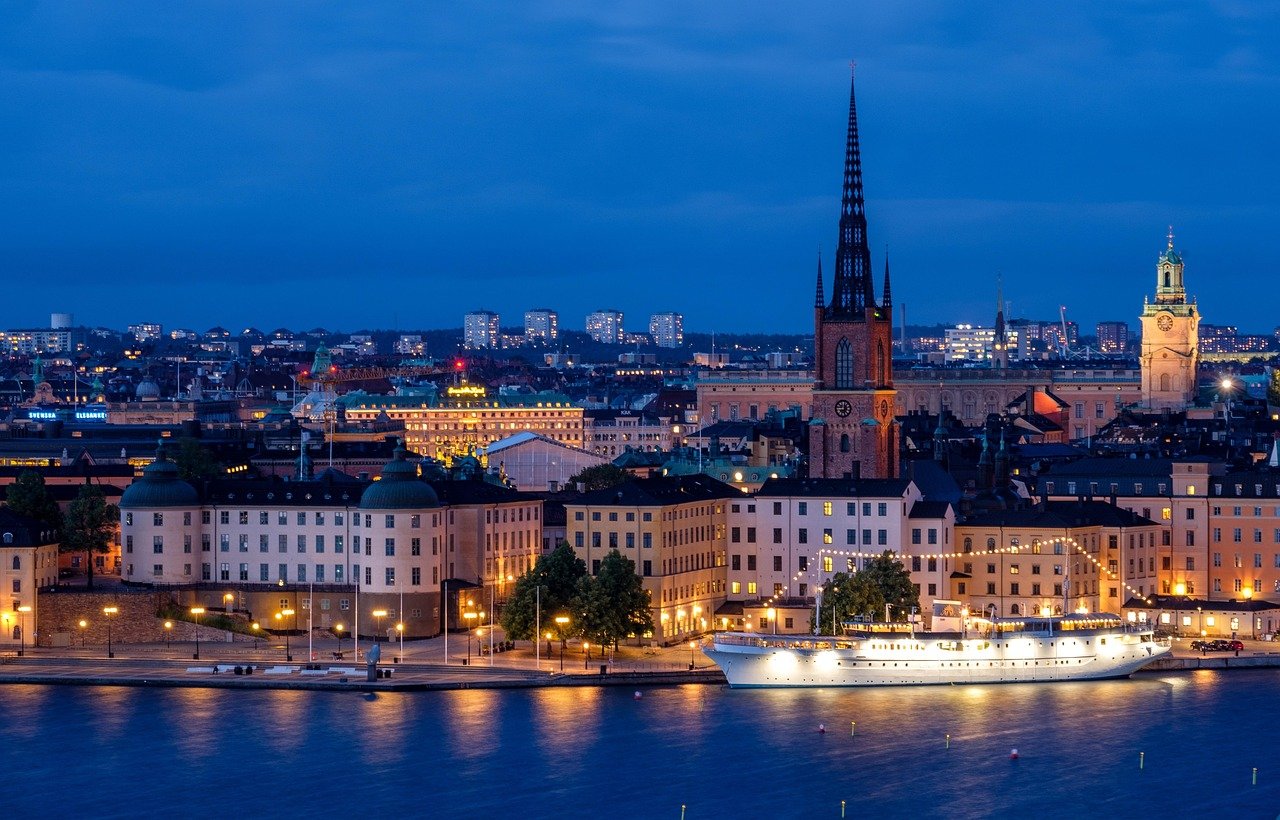
Aracaju, the capital of Sergipe in northeastern Brazil, blends a relaxed riverside setting with wide tree-lined avenues, colonial heritage and a lively Atlantic coastline.
São Paulo
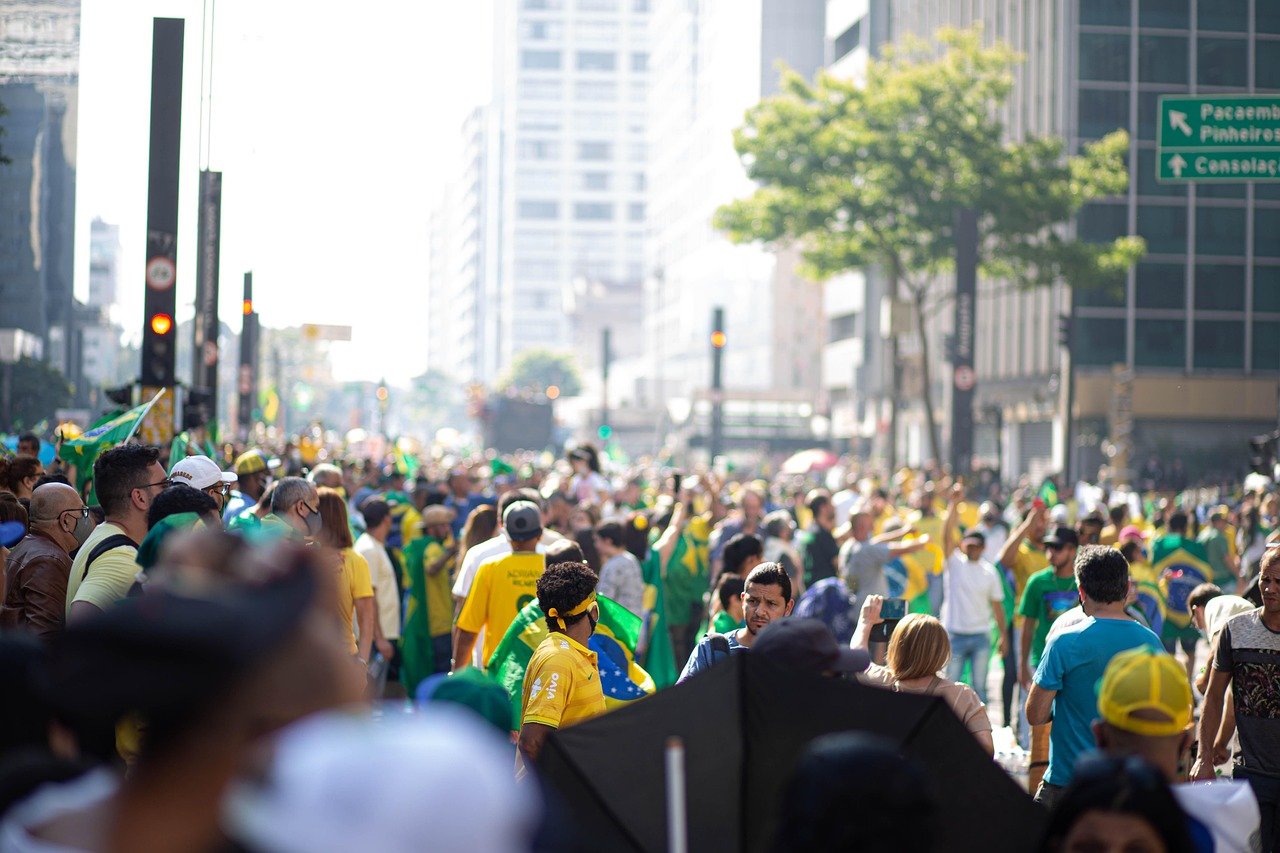
São Paulo pairs its industrial past with a fast-moving present, where landmark architecture, world-class museums, diverse neighbourhoods and a celebrated food scene shape daily life.