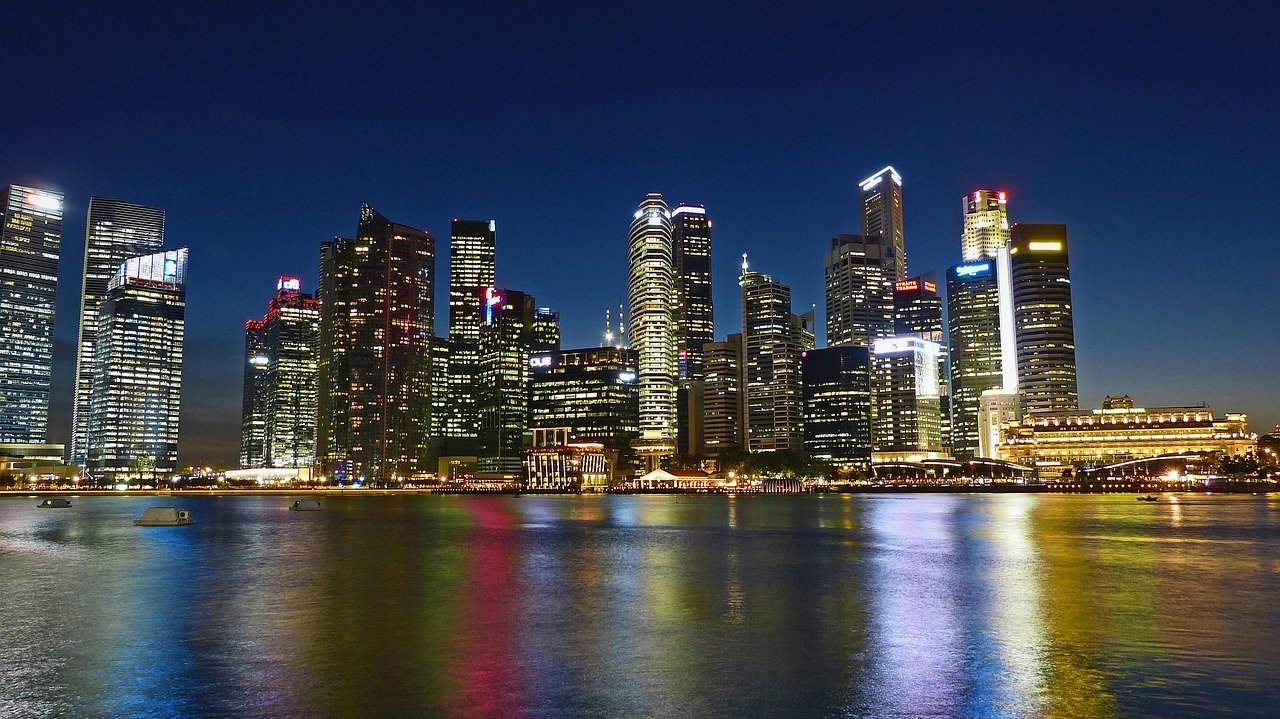
Amapá
Amapá, a small municipality in northern Brazil, carries a rich history shaped by Amazonian rivers, indigenous heritage and colonial influences. Its quiet streets and surrounding rainforest offer a glimpse of everyday life in the Amazon region.
Passengers
Luggage
About Amapá
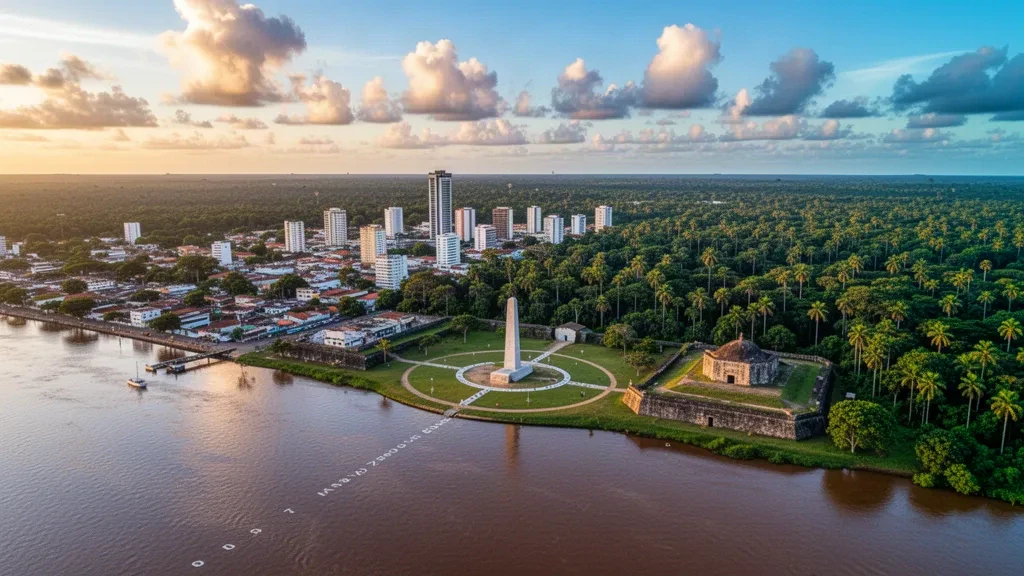
Macapá is the capital of Amapá state and the only Brazilian capital crossed by the Equator, set on the northern channel of the Amazon River. Its Marco Zero monument marks the equatorial line and anchors the city's identity as the Capital of the Middle of the World.
The city grew around Fortaleza de São José de Macapá, an 18th-century riverside fortress built to defend the northern approaches to the Amazon. The fortress remains the most important historic landmark, while the wooden Trapiche Eliezer Levy pier recalls Macapá's long port and river traditions.
The waterfront and Centro concentrate many attractions, including the fortress, Marco Zero, Mercado Central and the Trapiche. Museu Sacaca presents Amazonian and indigenous cultures, the Curiaú quilombo community keeps the Afro-Brazilian Marabaixo music and dance alive, and Orla da Fazendinha offers river beaches and green spaces southwest of the centre.
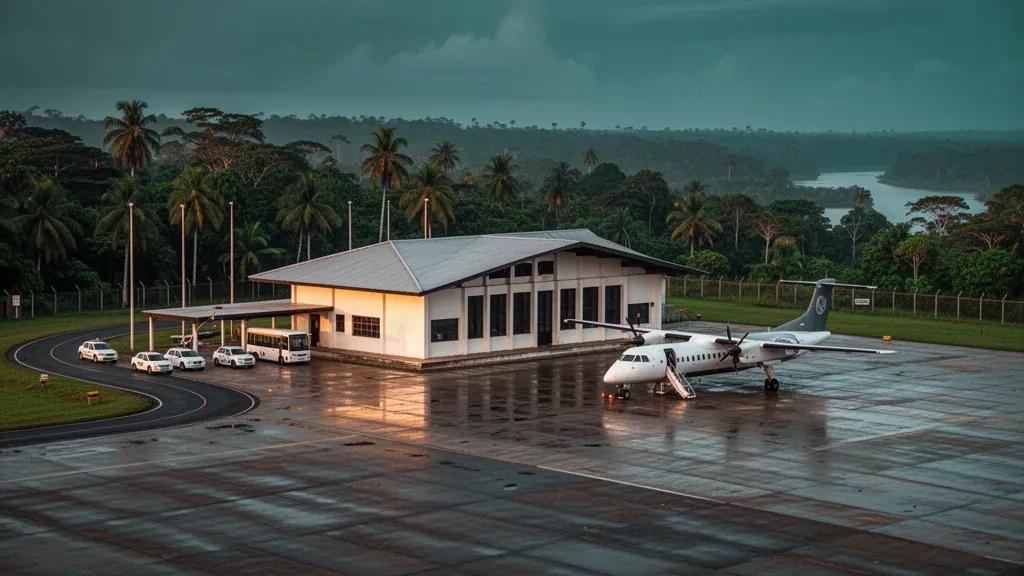
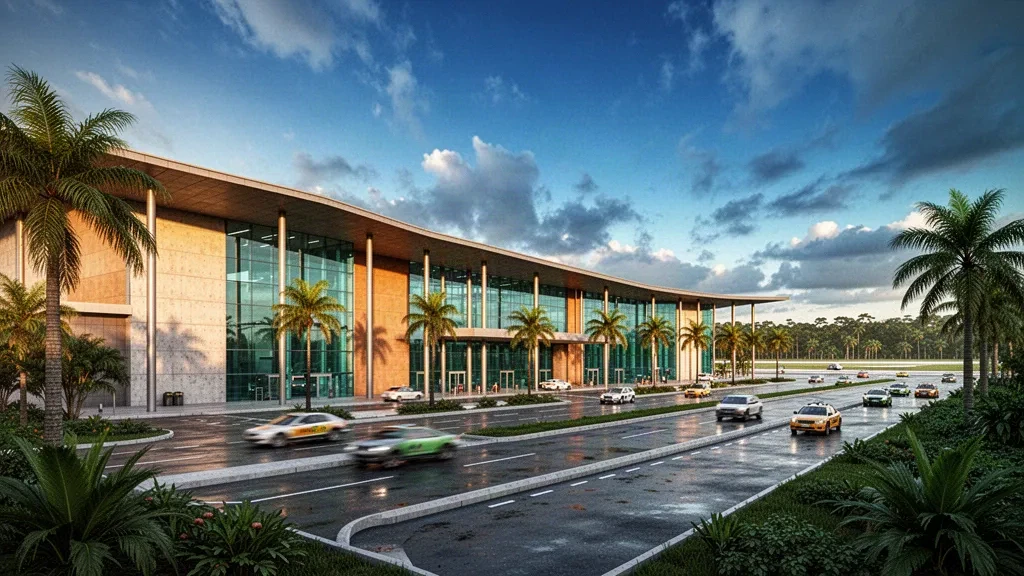
As the commercial and administrative heart of Amapá, Macapá draws business from public services, trade, fishing and mineral logistics through the nearby Santana port. With no road connection to other Brazilian state capitals, the city depends on Macapá International Airport and river transport for long-distance travel.
Waterfront restaurants and bars, Amazonian food, the Macapá Verão summer festival and access to Amapá's forests, rivers and border routes make the city attractive for leisure visitors, while its airport, hotels and business infrastructure serve corporate travellers.
Amapá Travel Guide
Best Time to Visit
The drier months from about August to December are generally the most comfortable for exploring the waterfront and outdoor sights. July brings the Macapá Verão festival and lively river-beach events, while the rainy season from roughly January to June can be hot and humid.
How to Get Around
Macapá is compact and easy to cover by bus, taxi or ride-hailing, with many central sights within walking distance. The city has no road link to other Brazilian state capitals, so longer journeys rely on Macapá International Airport and river transport.
Where to Stay
Centro and the Orla are convenient for the fortress, Marco Zero and the riverfront, while Fazendinha is popular for river beaches and relaxed weekend stays. Hotels and guesthouses are concentrated around the centre and main avenues.
Food & Drink
Macapá's food scene centres on Amazonian dishes such as açaí served with fish or shrimp, tacacá, maniçoba and river fish like filhote and tucunaré. Try the Mercado Central for local produce and the riverfront restaurants and bars for regional flavours and views.
Ground Transportation Services in Amapá
Airport Transfers
Private airport transfers link Macapá International Airport with hotels in Centro, the Orla, Fazendinha and other parts of the city.
Hourly Chauffeur
Book a private driver by the hour for business meetings, sightseeing and flexible travel around Macapá.
Car Rental
Rent a car in Macapá for independent travel around the city and journeys to destinations across Amapá.
Bus & Group Transfers
Arrange minibuses or charter buses for groups, corporate events, airport pickups and sightseeing in Macapá and surrounding areas.
Airports in Amapá
Frequently Asked Questions
Related Cities in Brazil
View all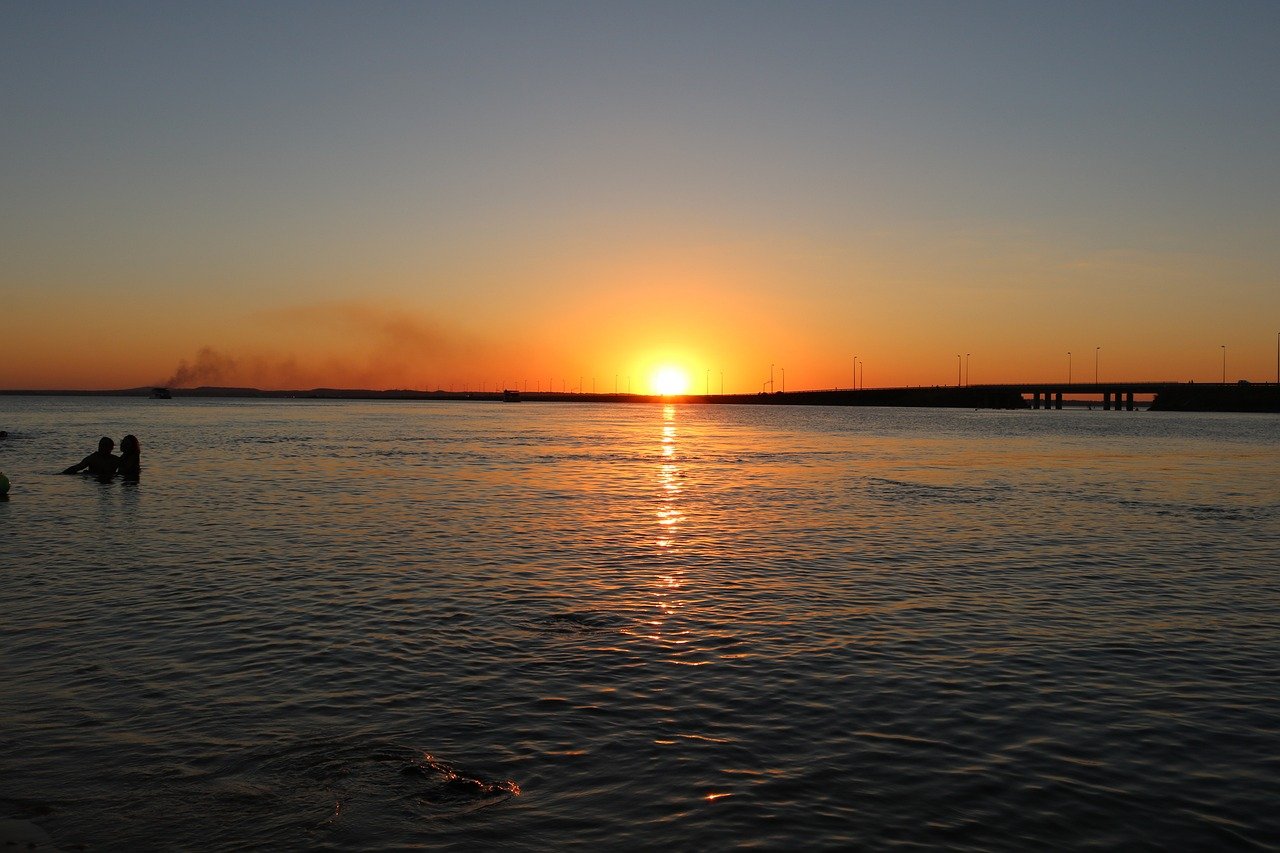
Palmas
Palmas, one of Brazil's newest state capitals, pairs a planned urban layout with river beaches and cerrado landscapes, serving as a gateway to Tocantins.
Aracaju
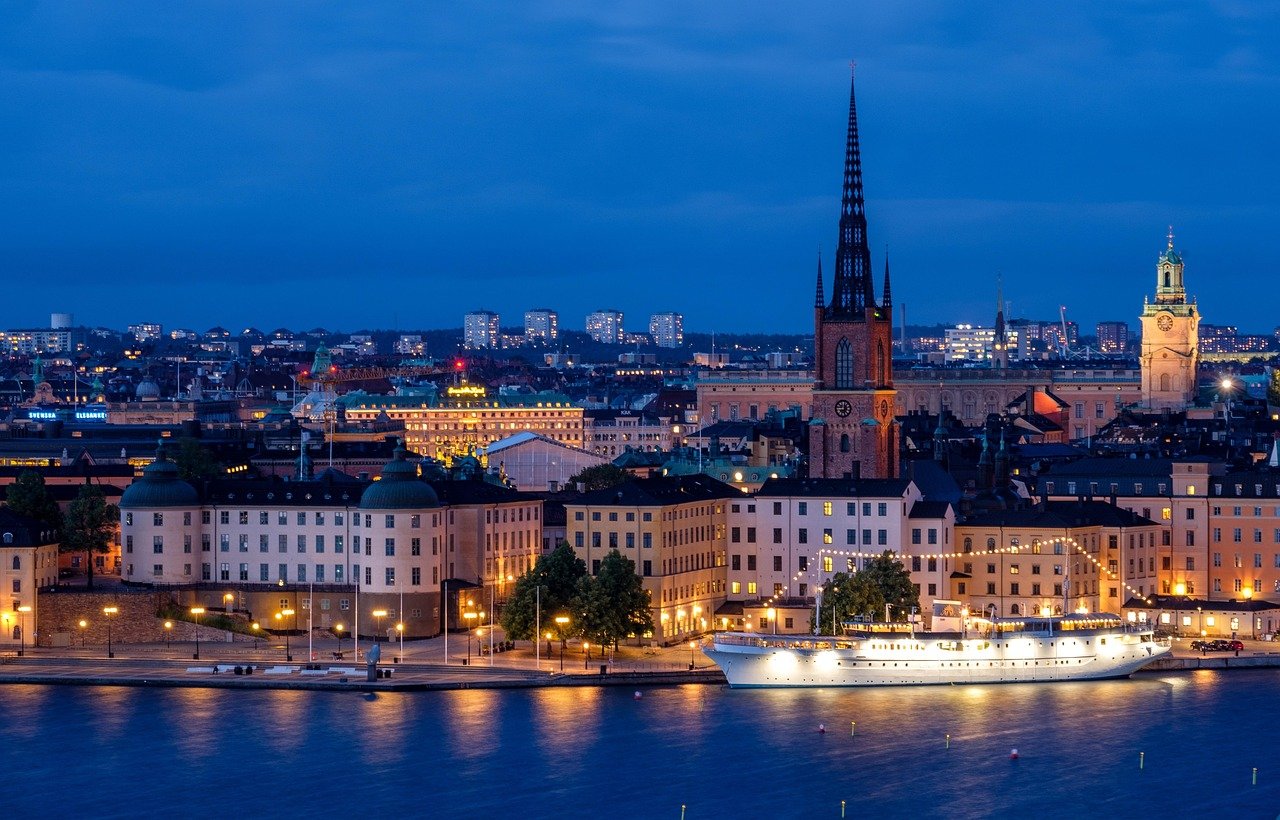
Aracaju, the capital of Sergipe in northeastern Brazil, blends a relaxed riverside setting with wide tree-lined avenues, colonial heritage and a lively Atlantic coastline.
São Paulo
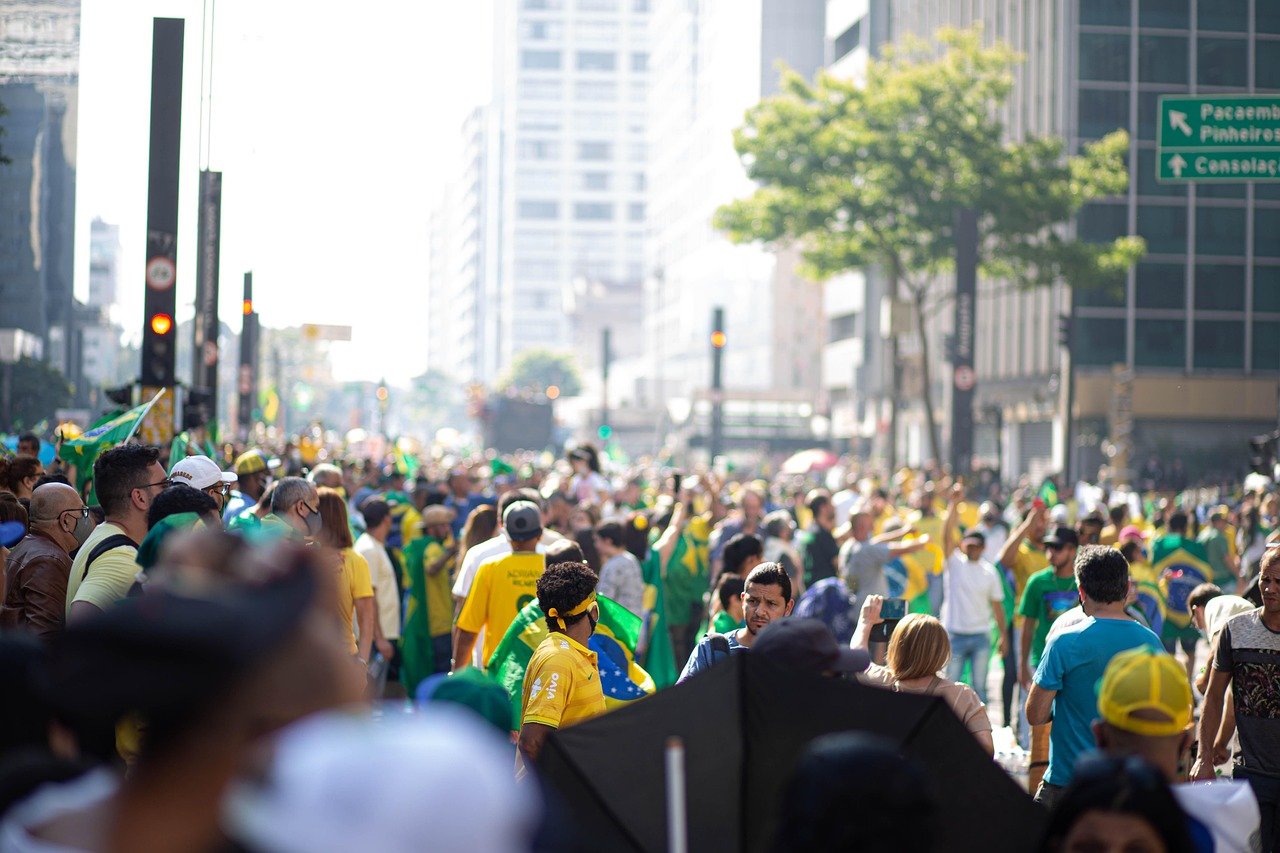
São Paulo pairs its industrial past with a fast-moving present, where landmark architecture, world-class museums, diverse neighbourhoods and a celebrated food scene shape daily life.