Selibe Phikwe
Selibe Phikwe is a planned mining town in eastern Botswana, shaped by copper and nickel extraction and a compact, grid-like centre. Its mix of industrial heritage, local markets and access to the Tuli Block gives it a practical, frontier feel.
Passengers
Luggage
About Selibe Phikwe
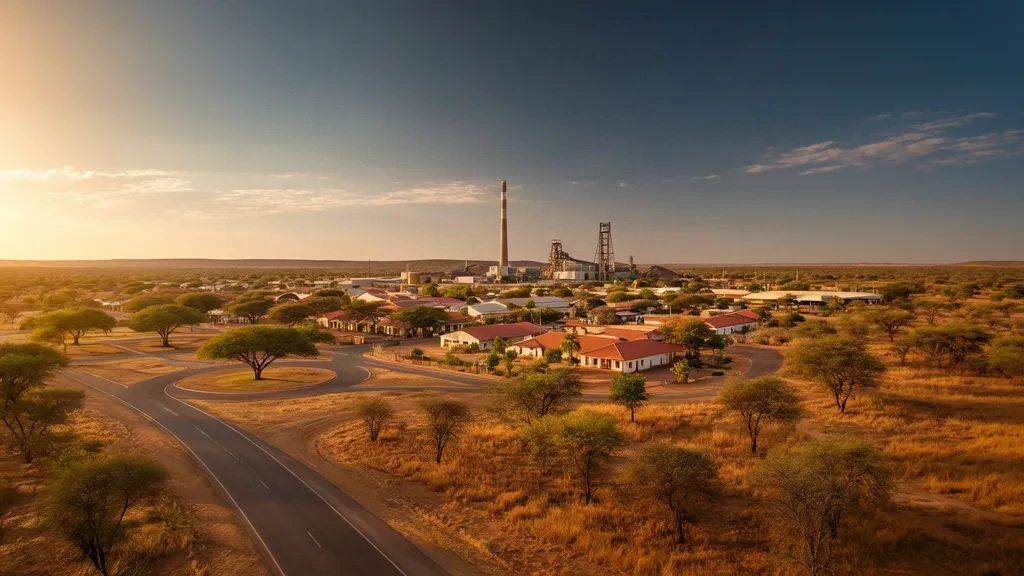
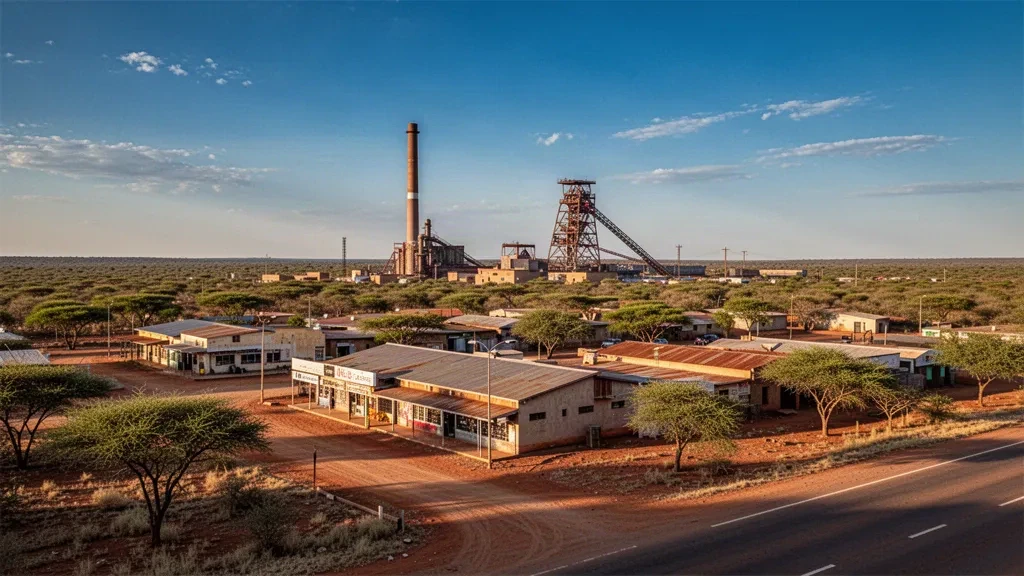
Selebi-Phikwe is a mining town in eastern Botswana's Central District, created in the 1960s when the small villages of Selebi and Phikwe were linked by the development of a major copper-nickel mine. Built around Bamangwato Concessions Limited (BCL), the country's first modern commercial mine, the town has a planned layout and a distinctive industrial identity that sets it apart from Botswana's larger cities.
The town's mining past remains visible in landmarks such as the tall BCL chimney, known locally as Chomela, which has become a symbol of local heritage. Following the mine's closure in 2016, Selebi-Phikwe has shifted toward economic diversification while keeping its character as a close-knit, practical eastern Botswana centre.
Outdoor attractions are within easy reach. Letsibogo Dam, which supplies water to Gaborone, is a popular spot for fishing, birdwatching, sailing and picnics, while the granite Lepokole Hills offer hiking, climbing, panoramic views and San rock paintings. In town, Selebi Pikwe Park, golf facilities, shopping malls and sports clubs provide everyday recreation.
Annual events bring national attention to the town. The Phikwe Marathon has been held since 1985, and the Toyota 1000 Desert Race has made Selebi-Phikwe a base for off-road motorsport. The Selebi-Phikwe Economic Diversification Unit (SPEDU) supports new business activity, and the town serves as a gateway to the Tuli Block and other eastern Botswana destinations.
For travellers, Selebi-Phikwe offers a compact, easy-to-navigate stop between Francistown and the Tuli Block, with practical hotels, local restaurants and access to dams, hills and wildlife areas. Business visitors come for mining, energy and regional trade, while leisure travellers use the town as a relaxed base for outdoor experiences and events.
Selibe Phikwe Travel Guide
Best Time to Visit
The dry winter months from May to September bring mild days, clear skies and little rain, making them the most comfortable period for outdoor activities. June is especially busy around the Toyota 1000 Desert Race, while the summer months from November to March can be hot and wet.
How to Get Around
Selebi-Phikwe is compact and easy to explore on foot in the centre. Shared minibuses, known locally as combis, and taxis serve the town, with fares agreed before the trip, while a rental car is useful for reaching Letsibogo Dam, the Lepokole Hills and the wider eastern Botswana region.
Where to Stay
Cresta Bosele Hotel is the town's best-known centrally located option for business and leisure visitors, while Phokoje Bush Lodge offers a quieter lodge setting near Selebi Pikwe Park. Guesthouses and smaller lodges provide additional choices around the centre and nearby bush areas.
Food & Drink
Selebi-Phikwe offers a mix of local Setswana cooking, grilled meats and casual franchises. Hotel restaurants such as the Bosele Grill, flamed-chicken outlets like Barcelos and neighbourhood braai spots and cafés provide everyday dining, while local dishes including seswaa and bogobe are worth trying.
Ground Transportation Services in Selibe Phikwe
Airport Transfers
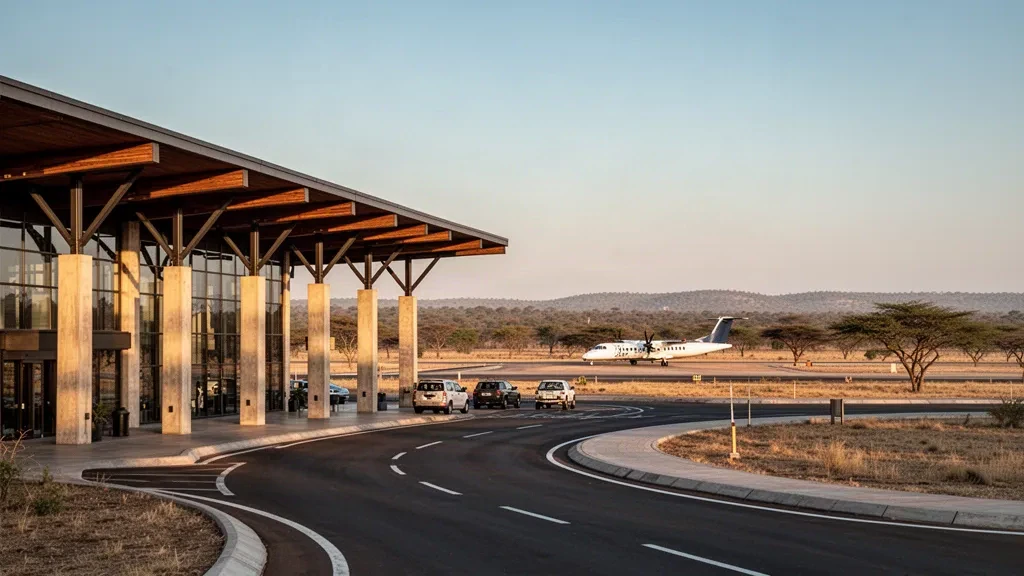
Travel between Selebi-Phikwe Airport (PKW) and hotels, business districts, event venues and other destinations across the town and nearby eastern Botswana.
Hourly Chauffeur
Book a private driver by the hour for business meetings, mining and industrial visits, events such as the Phikwe Marathon and Toyota 1000 Desert Race, or flexible sightseeing.
Car Rental
Rent a car in Selebi-Phikwe for independent travel around town and convenient trips to Letsibogo Dam, the Lepokole Hills, Francistown and the Tuli Block.
Bus & Group Transfers
Arrange minibuses or charter buses for groups, corporate travel, events, airport transfers and tours in Selebi-Phikwe and surrounding areas.
Frequently Asked Questions
Related Cities in Botswana
View all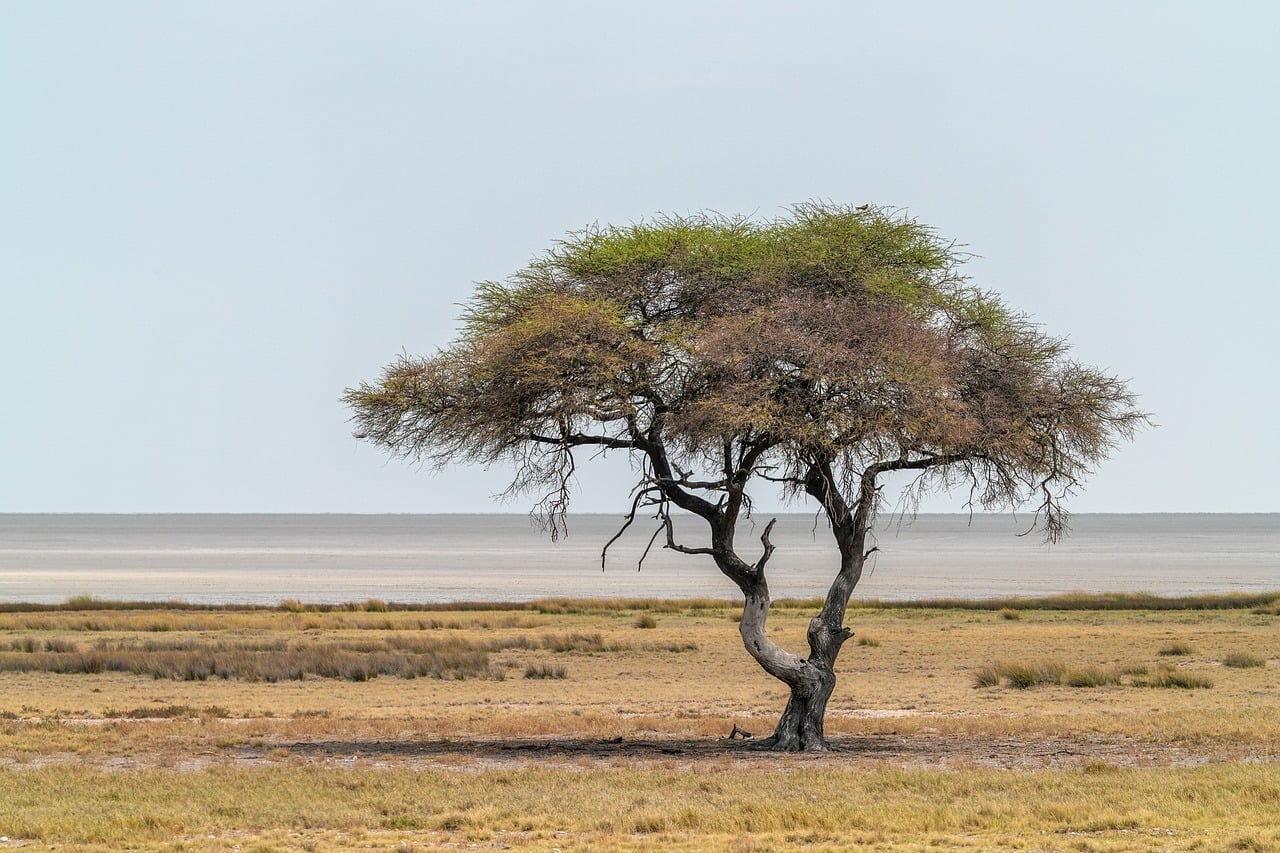
Sowa Town
Sowa Town is a purpose-built mining town in eastern Botswana, set beside the salt pans of Sua Pan and the wider Makgadikgadi landscape. Its remote setting and links to the country's soda ash industry give it a distinct, functional character.
Kanye
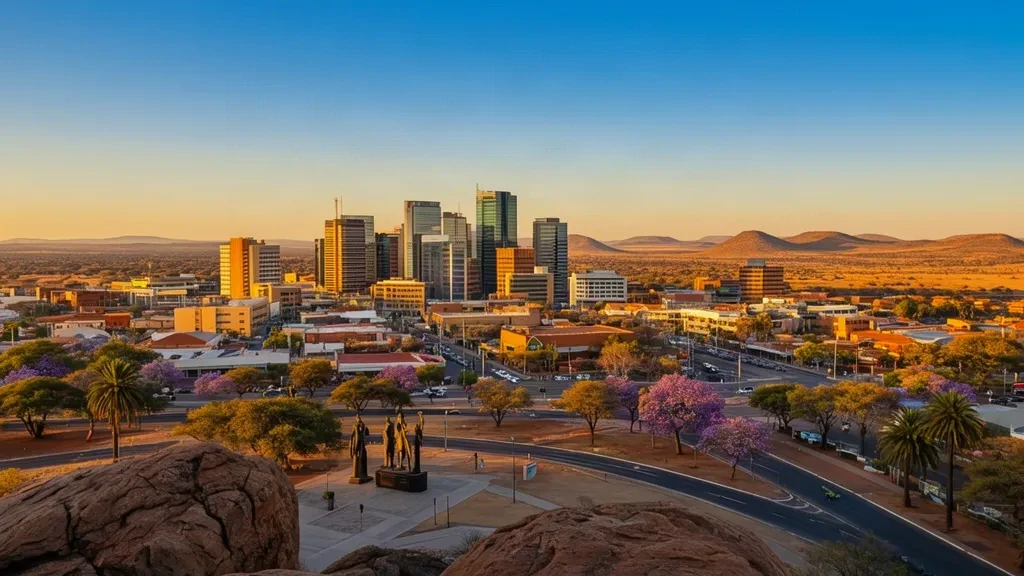
Kanye, capital of Botswana's Southern District, pairs Tswana heritage and rocky hills with a calm local pace, offering travelers a genuine taste of southern Botswana life.
Gaborone
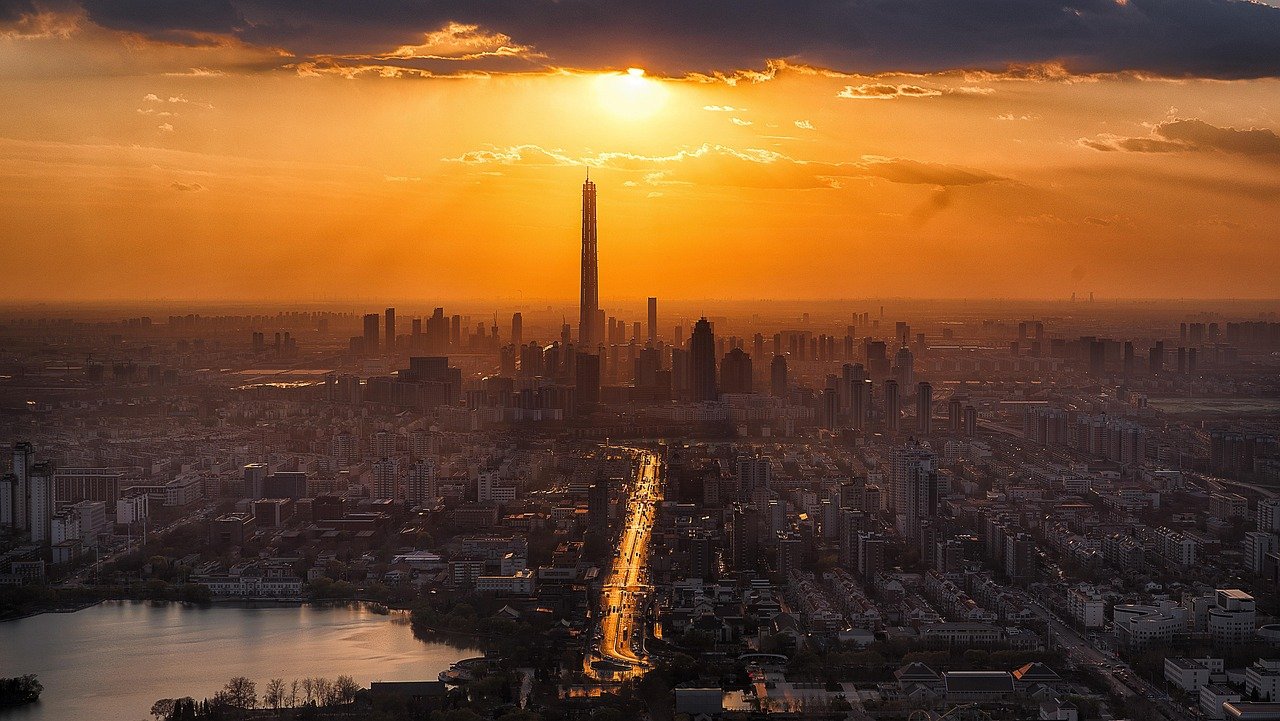
Gaborone, Botswana's capital, blends modern government and business districts with lively markets, cultural venues and easy access to Kgale Hill and nearby nature reserves.