Banja Luka
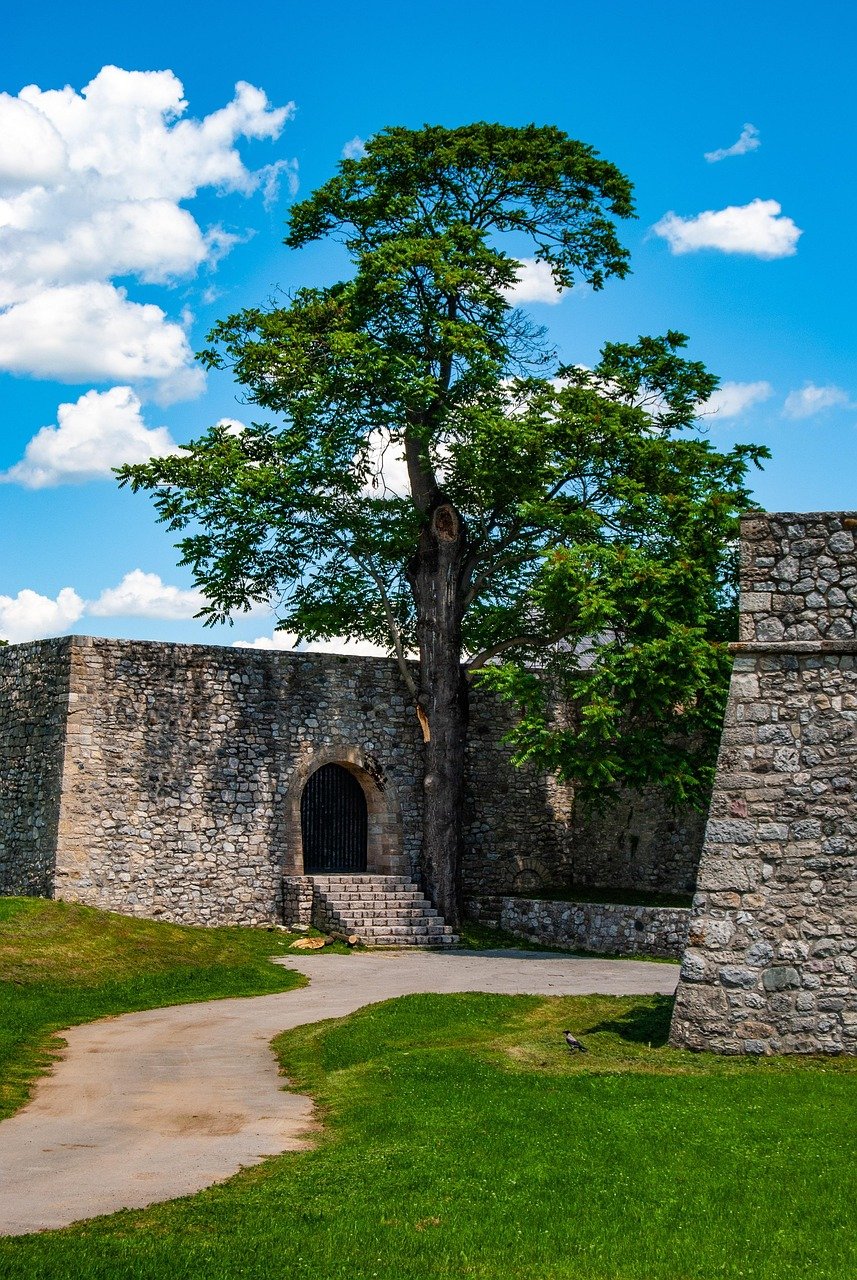
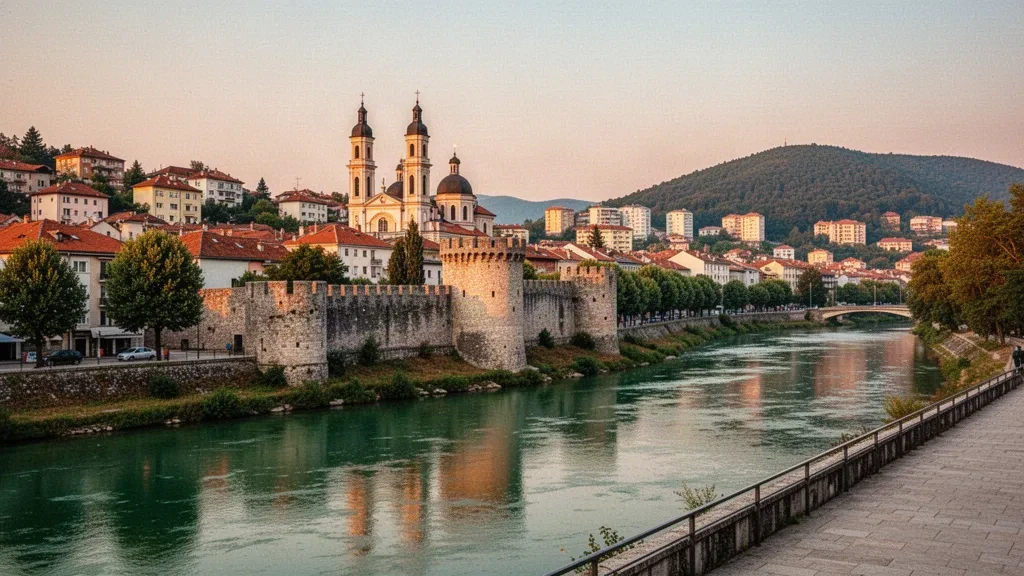
Banja Luka, the largest city in Republika Srpska, sits on the Vrbas River and pairs green boulevards and café-lined streets with landmarks such as Kastel Fortress. It is a cultural and economic hub with a relaxed pace, Austro-Hungarian architecture and easy access to nearby nature.
Passengers
Luggage
About Republika Srpska
Banja Luka is the second-largest city in Bosnia and Herzegovina and the administrative, economic and cultural centre of the Republika Srpska entity. Built on the banks of the Vrbas River, the city combines a relaxed green setting with a growing modern centre, wide tree-lined streets and a distinctive mix of Ottoman, Austro-Hungarian and contemporary influences.
The city's history remains visible in landmarks such as the Kastel fortress, a medieval fortification above the Vrbas, and the reconstructed Ferhadija Mosque, a 16th-century Ottoman monument that again dominates the central streets. Nearby, the Orthodox Cathedral of Christ the Saviour, the Banski Dvor cultural centre and the Gospodska pedestrian street show the city's later architectural layers.
Central Banja Luka is compact and walkable, with cafés, shops and restaurants concentrated around Gospodska Street and the Krajina Square area. The Museum of Republika Srpska and the Museum of Contemporary Art of Republika Srpska introduce the region's history and visual arts, while the riverside promenade and nearby Vrbas canyon offer outdoor recreation, rafting and views from Banj brdo.
As the seat of Republika Srpska institutions, the University of Banja Luka and a range of companies, Banja Luka functions as an important business and events destination. The calendar includes music festivals such as Demofest, theatre performances at the Kastel fortress and seasonal markets that add local character to business travel.
For both leisure and business visitors, Banja Luka offers an easygoing alternative to larger Balkan capitals, with affordable dining, green surroundings and a walkable historic core that can be explored in a short stay.
Republika Srpska Travel Guide
Best Time to Visit
Spring and early autumn are ideal for visiting Banja Luka, with mild weather suited to riverside walks and outdoor cafés. Summer brings festivals and events along the Vrbas, while winter offers a quieter pace and seasonal markets.
How to Get Around
Central Banja Luka is compact and best explored on foot, with most hotels, cafés and landmarks around Gospodska Street and the Vrbas riverfront. City buses, taxis and private drivers cover longer journeys, while rental cars are useful for trips to the Vrbas canyon and surrounding villages.
Where to Stay
Staying in the city centre near Gospodska Street puts major sights, restaurants and the riverside within walking distance. Hotels and apartments around Borik, Obilićevo and Starčevica offer quieter settings with easy access to the centre by bus or car.
Food & Drink
Banja Luka's food scene centres on grilled dishes, with banjalučki ćevap a local specialty alongside burek, pljeskavica and hearty Balkan stews. Cafés, restaurants and the central market offer a mix of traditional fare and international options, often with views of the Vrbas.
Ground Transportation Services in Republika Srpska
Airport Transfers
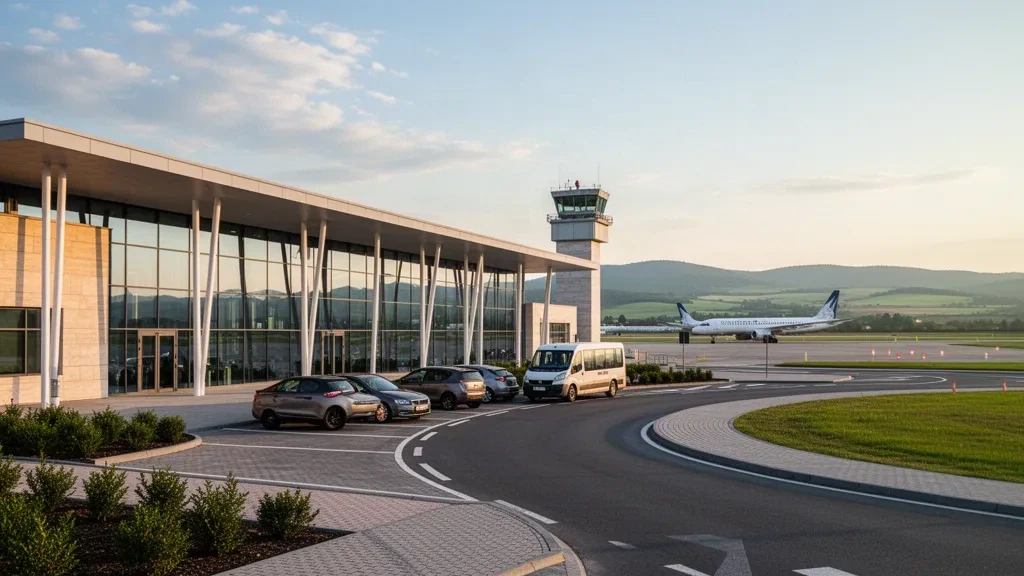
Travel between Banja Luka International Airport and hotels, business addresses, event venues and other destinations across the city and the wider region.
Hourly Chauffeur
Book a private chauffeur by the hour for business meetings, sightseeing around the Vrbas and Kastel fortress, events and flexible travel in Banja Luka.
Car Rental
Rent a car in Banja Luka for independent travel around the city and convenient day trips to the Vrbas canyon, nearby spas and destinations across Republika Srpska.
Bus & Group Transfers
Arrange minibuses or charter buses for groups, corporate events, airport transfers, sightseeing and excursions in Banja Luka and the surrounding region.
Frequently Asked Questions
Related Cities in Bosnia and Herzegovina
View all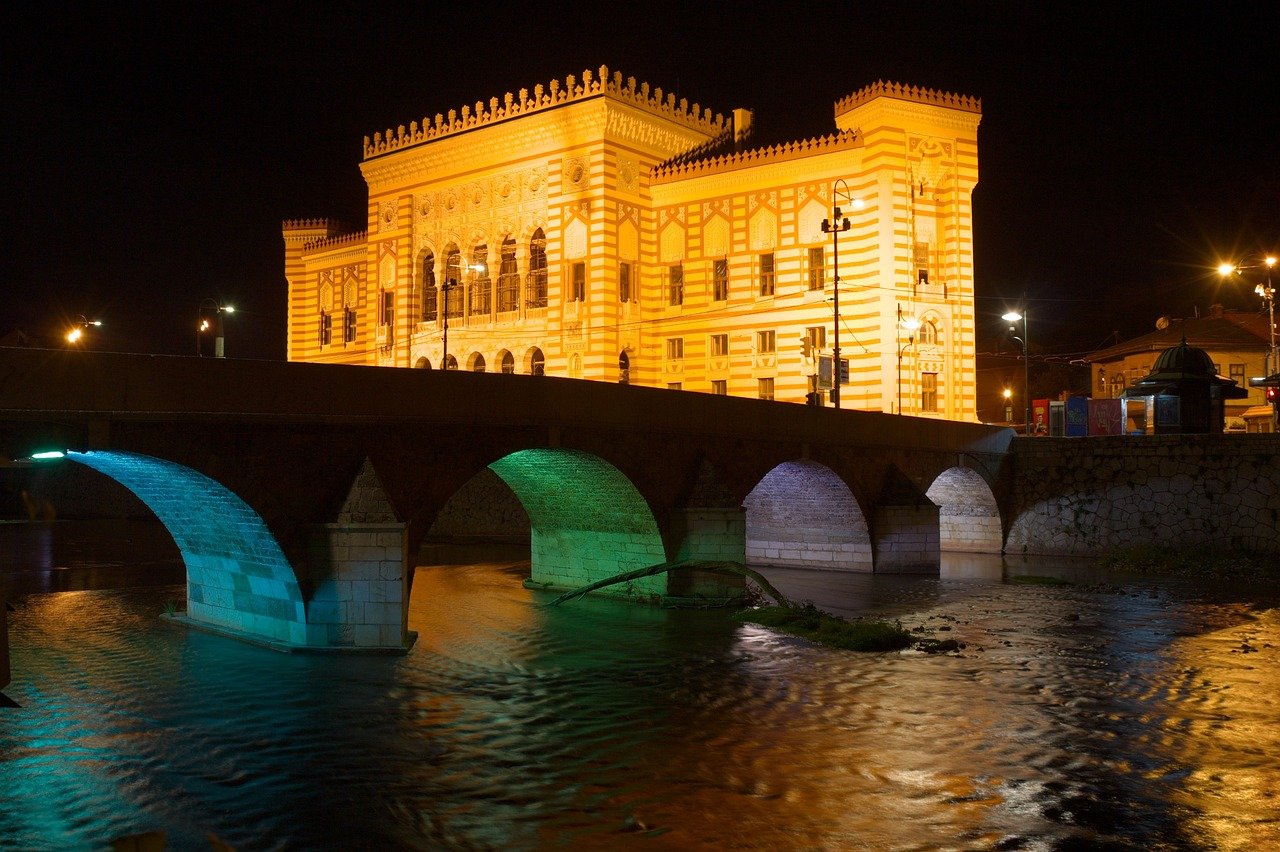
Sarajevo
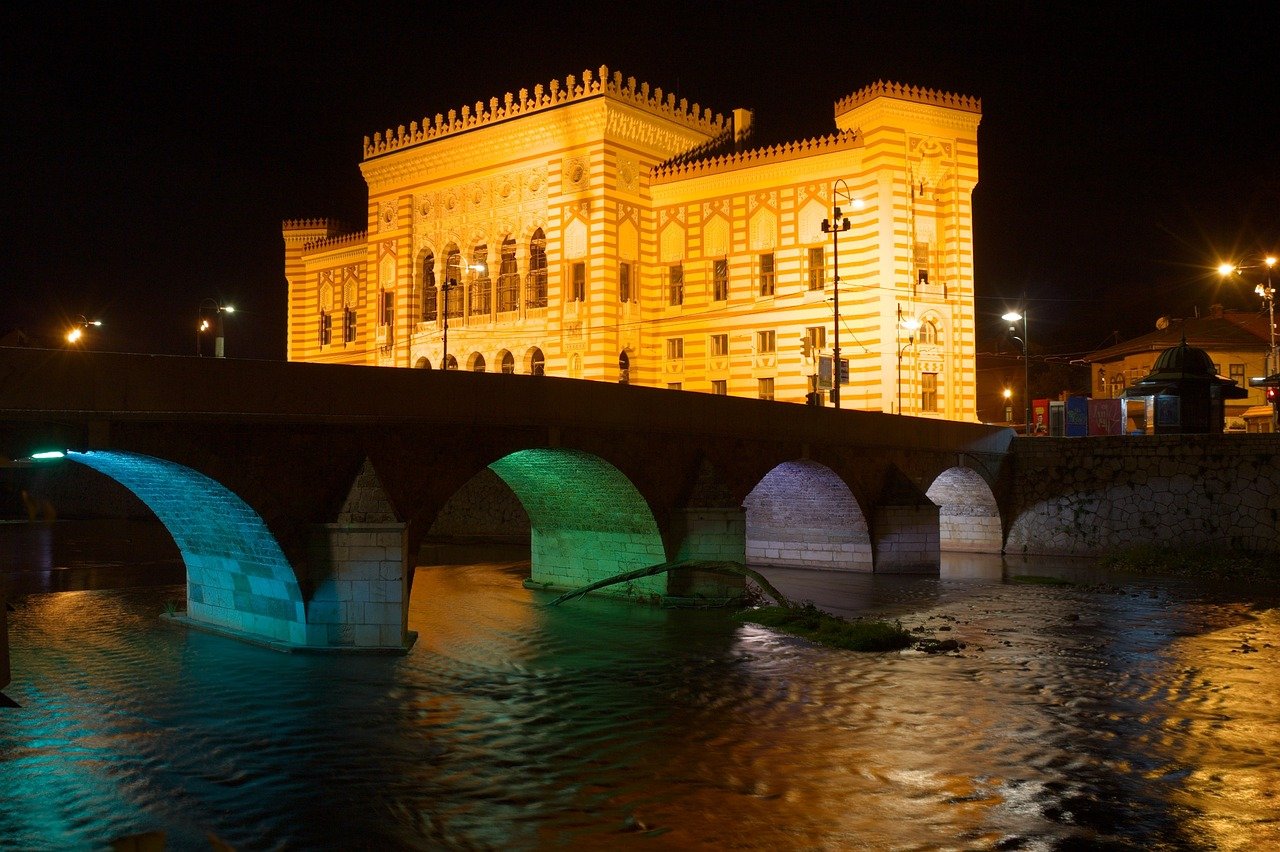
Sarajevo, the capital of Bosnia and Herzegovina, blends Ottoman-era bazaars, Austro-Hungarian architecture and a dramatic mountain setting with a lively cafe culture and a resilient modern spirit.
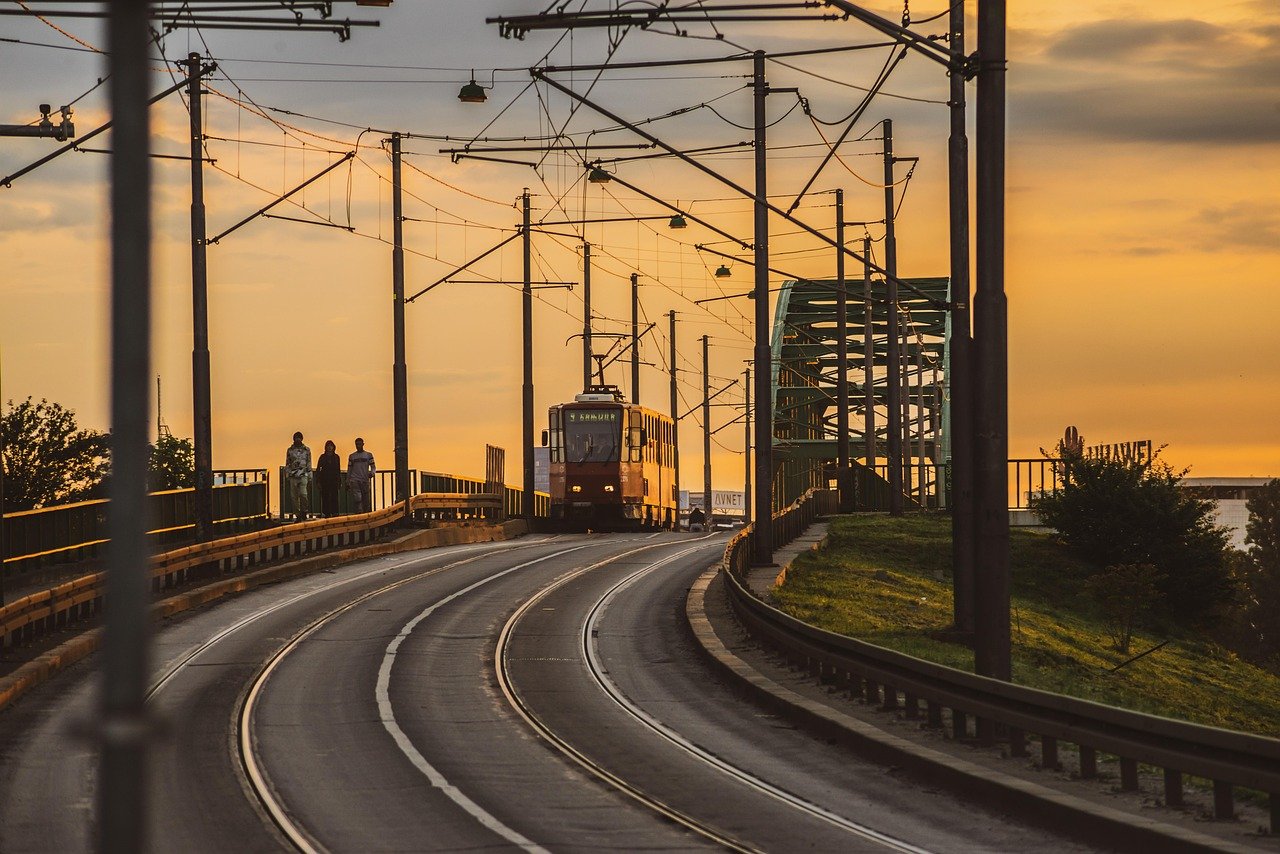
Brčko
Brčko, a relaxed river port in northern Bosnia and Herzegovina, blends Austro-Hungarian architecture, riverside streets and a lively market atmosphere at the meeting point of the Sava and Brka rivers.