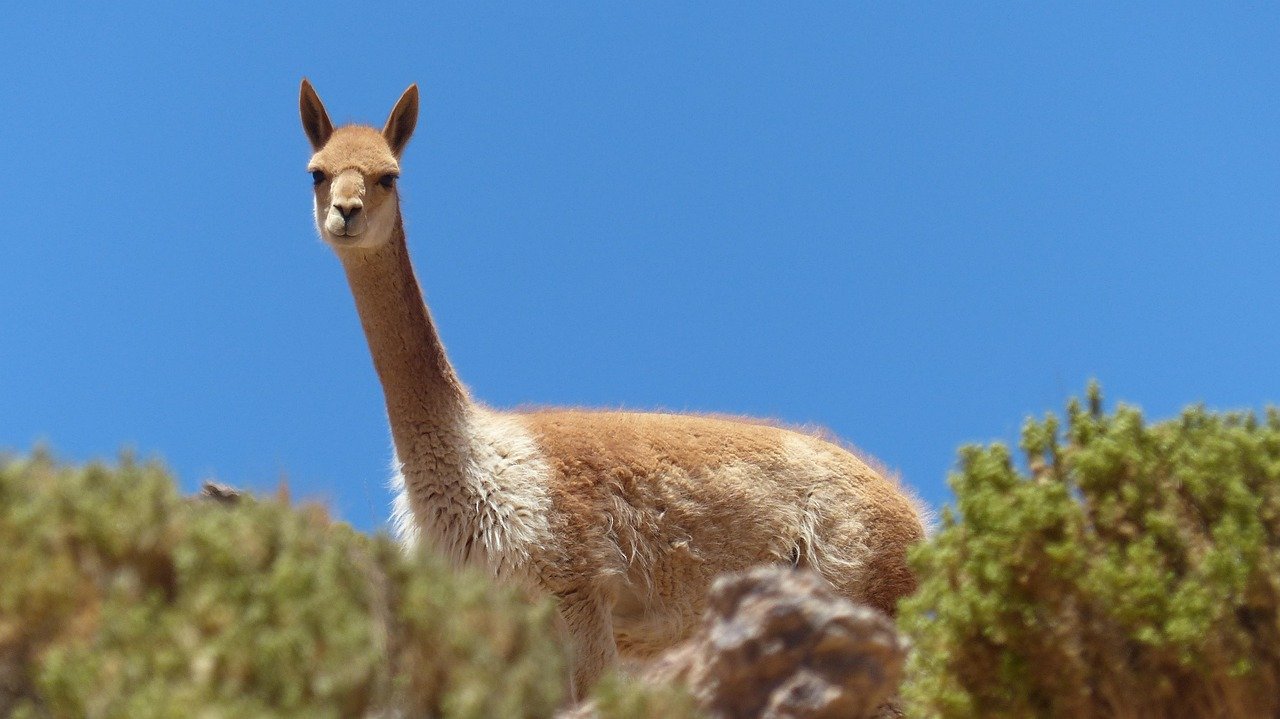
Oruro
Oruro, a high-altitude Andean city in Bolivia, is renowned for its spectacular Carnaval, mining heritage and vibrant folklore traditions. Its historic center, churches and nearby altiplano landscapes give the city a distinct cultural and travel appeal.
Passengers
Luggage
About Oruro
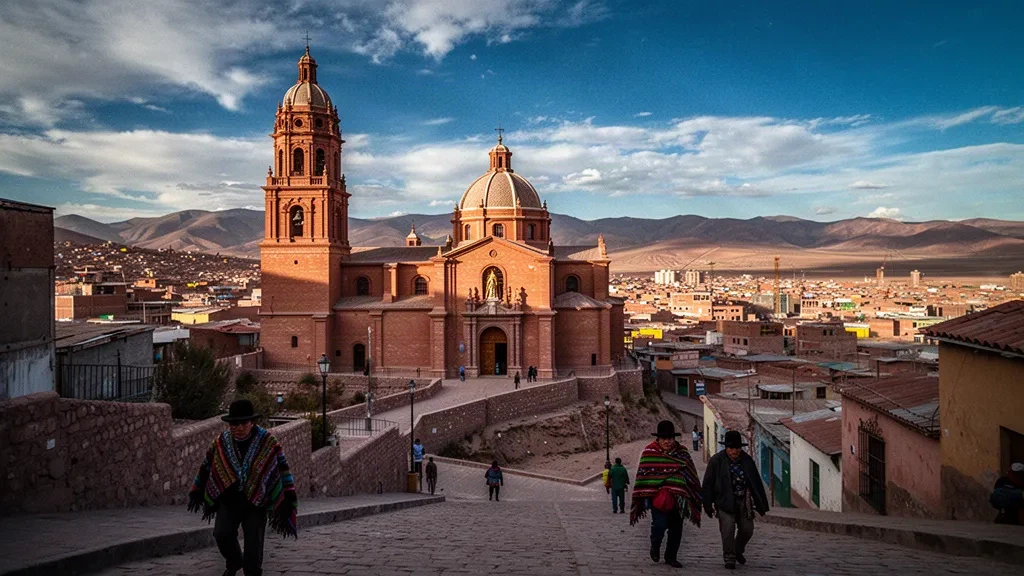
Oruro is a high-altitude mining city in Bolivia's western Altiplano, set at roughly 3,700 metres above sea level between La Paz and Sucre. Known as the folklore capital of Bolivia, it is most famous for the Carnival of Oruro, a UNESCO-recognized festival that fills the city with masked dancers, bands and pilgrimage processions each year.
Founded in 1606 as Villa Real de San Felipe de Austria, Oruro grew around rich silver deposits and later became an important tin-mining centre. Its colonial past remains visible in historic churches, narrow central streets and the mining traditions that shaped the city's working-class identity.
Landmark sights include the Sanctuary of the Virgen del Socavón, built beside an old mine and central to the carnival's pilgrimage route, the neoclassical Cathedral on Plaza 10 de Febrero, and mining and mineralogical museums. During carnival, the Diablada, Morenada and other traditional dance groups parade along a several-kilometre route to the sanctuary.
Around the city centre, visitors can sample local food in the Ranchería area, browse markets, or make day trips to the Obrajes hot springs, Lake Uru Uru and the high peaks of Sajama National Park.
As a commercial, mining and transport hub on the Altiplano, Oruro connects major highland routes and attracts business travellers year-round, while the carnival season brings large numbers of domestic and international visitors.
Oruro Travel Guide
Best Time to Visit
February or early March is the highlight, when the Carnival of Oruro transforms the city with a multi-day pilgrimage and dance procession, so book accommodation well in advance. The dry season from May to September offers clearer weather and more reliable roads for trips to Sajama National Park, Lake Uru Uru and nearby hot springs.
How to Get Around
Central Oruro is compact and walkable, with taxis, minibuses and shared trufis serving most neighbourhoods. For day trips to Obrajes, Sajama or the surrounding Altiplano, a rental car or organized transport is the most practical option.
Where to Stay
The area around Plaza 10 de Febrero and Avenida 6 de Agosto is convenient for restaurants, markets and landmarks. During carnival, hotels near the Sanctuary of the Virgen del Socavón and the parade route are in high demand, so early booking is essential.
Food & Drink
Local specialities include charquekán made with dried llama meat, grilled chorizos in the Ranchería district and api, a warm purple-corn drink served with buñuelos. Mercado Fermín López and central eateries offer an accessible introduction to Oruro's Andean cuisine.
Ground Transportation Services in Oruro
Airport Transfers
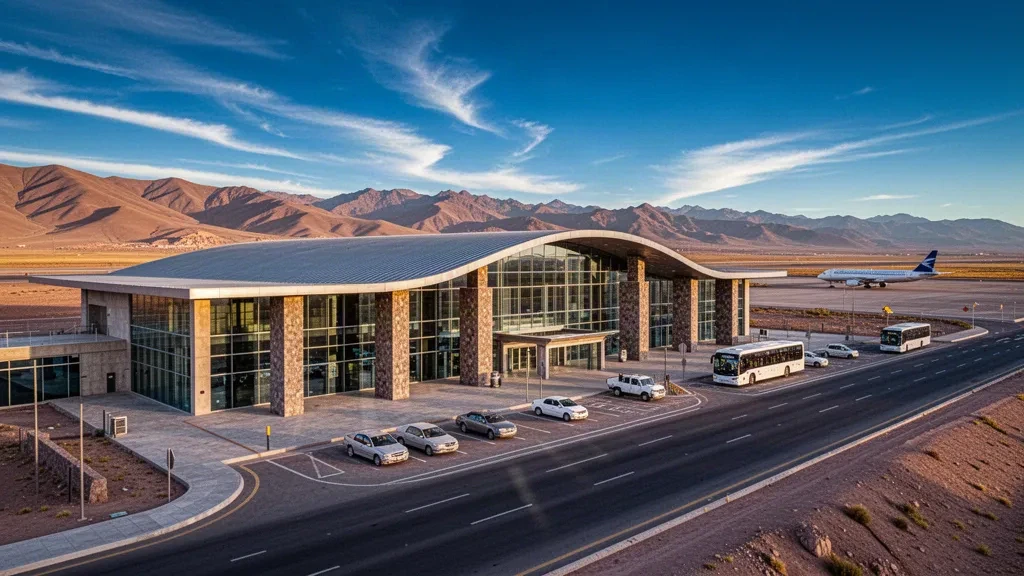
Arrange a private transfer between Juan Mendoza Airport and hotels, the city centre, carnival venues and other destinations around Oruro.
Hourly Chauffeur
Book a private chauffeur by the hour for carnival parades, business meetings, sightseeing and flexible travel in and around Oruro.
Car Rental
Rent a car in Oruro for independent travel through the Altiplano and convenient day trips to Obrajes hot springs, Lake Uru Uru or Sajama National Park.
Bus & Group Transfers
Organize minibuses or charter buses for carnival groups, corporate travel, events, airport transfers and tours in Oruro and the surrounding region.
Frequently Asked Questions
Related Cities in Bolivia
View all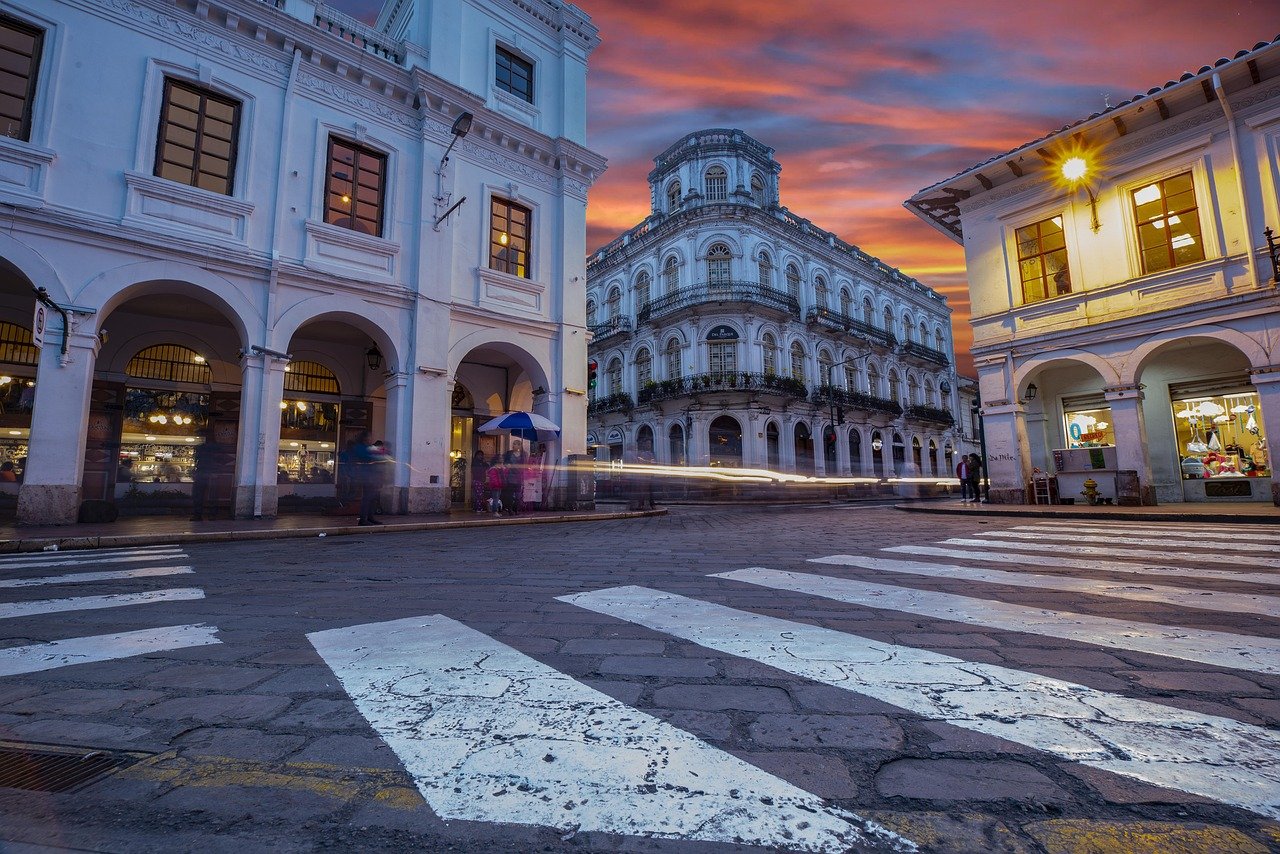
Tarija
Tarija, set in a fertile valley in southern Bolivia, is known for its mild climate, colonial architecture and relaxed wine-country atmosphere. Its plazas, markets and nearby vineyards give the city a distinct character that appeals to both business travelers and visitors exploring the region.
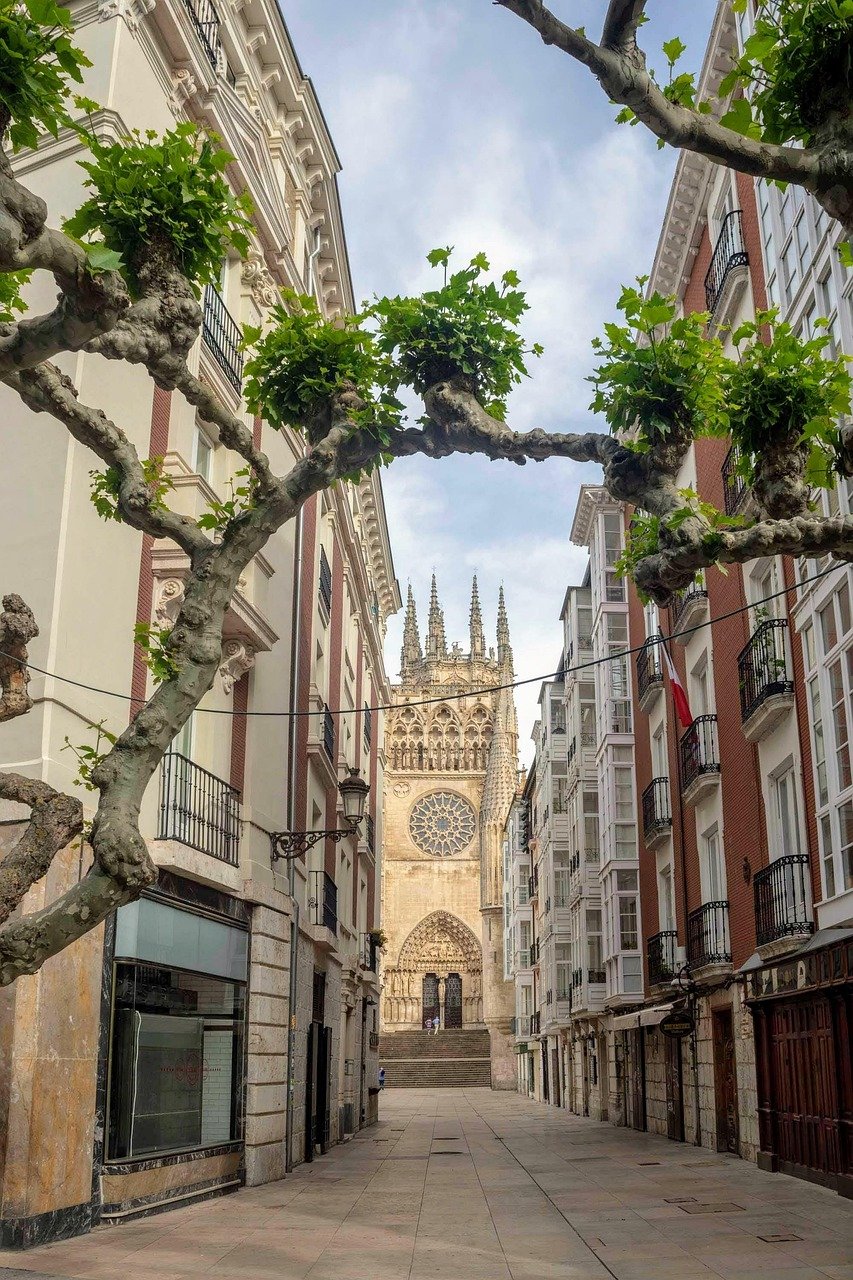
Santa Cruz
Santa Cruz, Bolivia's largest city, blends tropical energy with modern commerce and a vibrant cultural scene. Its lively markets, warm climate and proximity to the Amazon basin make it a distinctive destination.
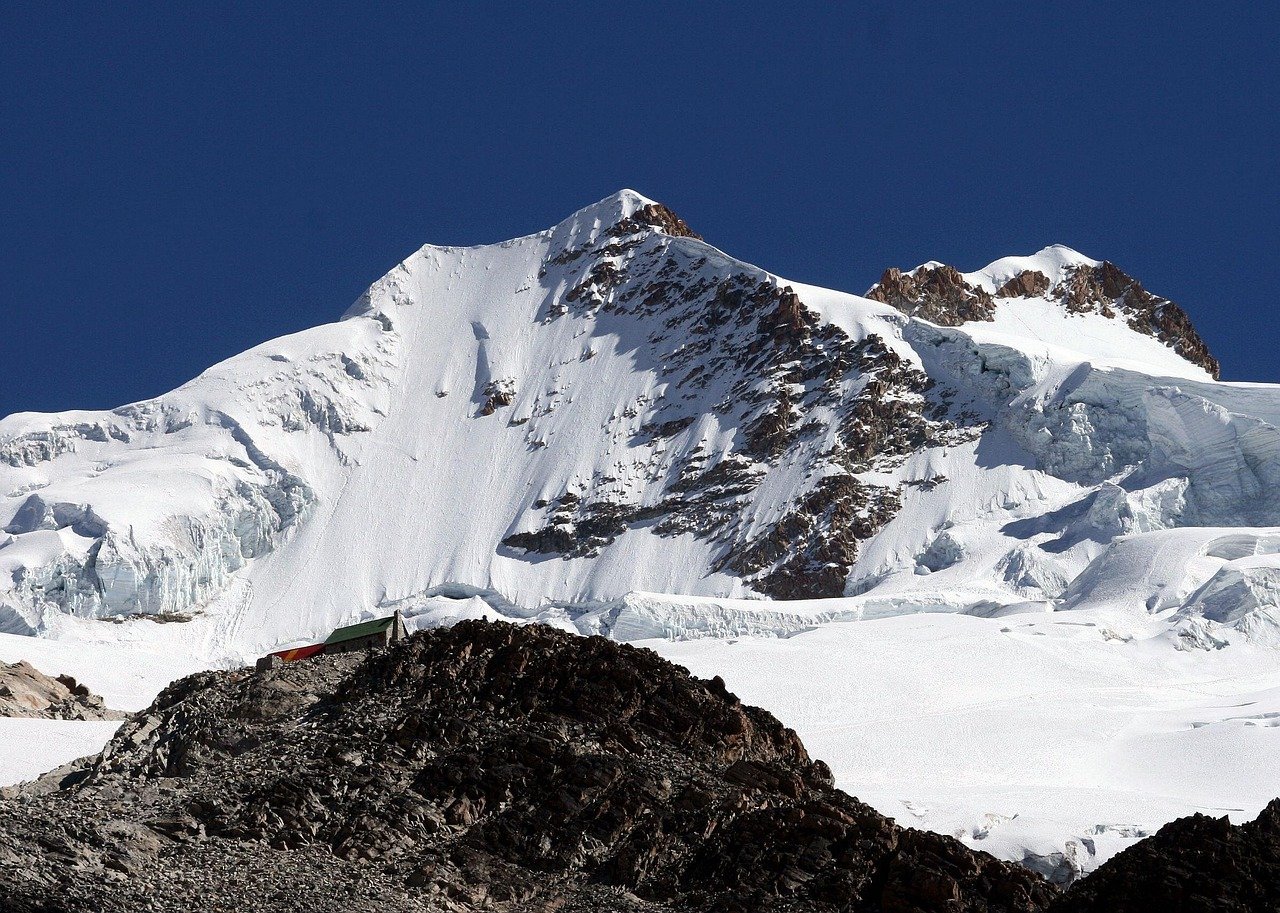
Potosí
Potosí, a historic Andean city in Bolivia, is renowned for its colonial architecture and silver mining heritage. Its steep streets and vibrant markets reveal a rich cultural tapestry shaped by centuries of history.