Tangail
Tangail, a historic city on the Louhajang River in central Bangladesh, is known for its handloom sarees, lively markets and rich cultural traditions. Its landmarks, local festivals and riverside setting give it a distinct character.
Passengers
Luggage
About Tangail
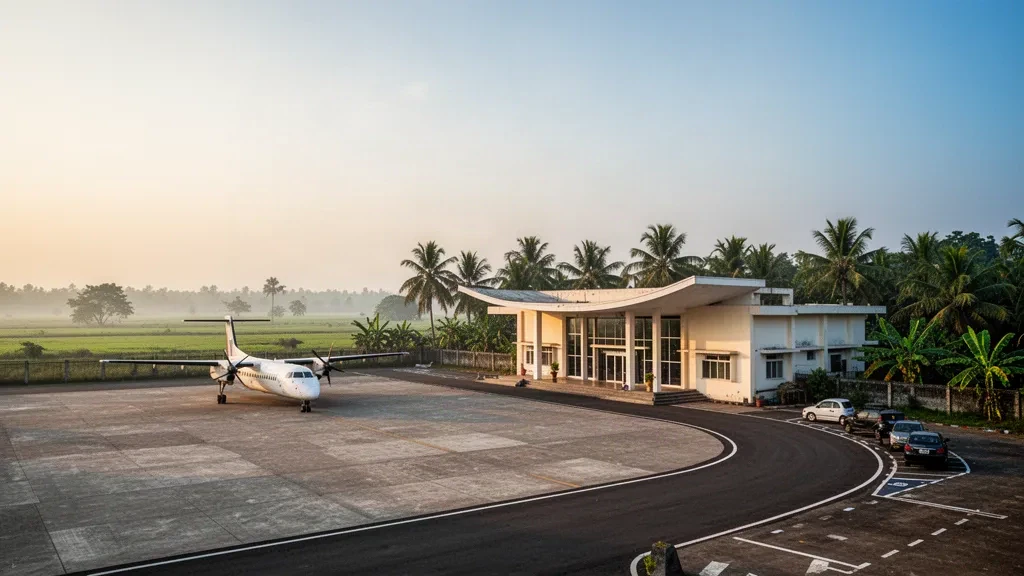
Tangail is a growing commercial and cultural city in central Bangladesh, set on the eastern bank of the Louhajang River in Dhaka Division. It is best known across the country for its handloom weaving tradition and the distinctive Tangail saree, as well as for Porabari chomchom, a beloved local sweet. Its position near the Jamuna River and the Bangabandhu Bridge makes it an important gateway between Dhaka and northern Bangladesh.
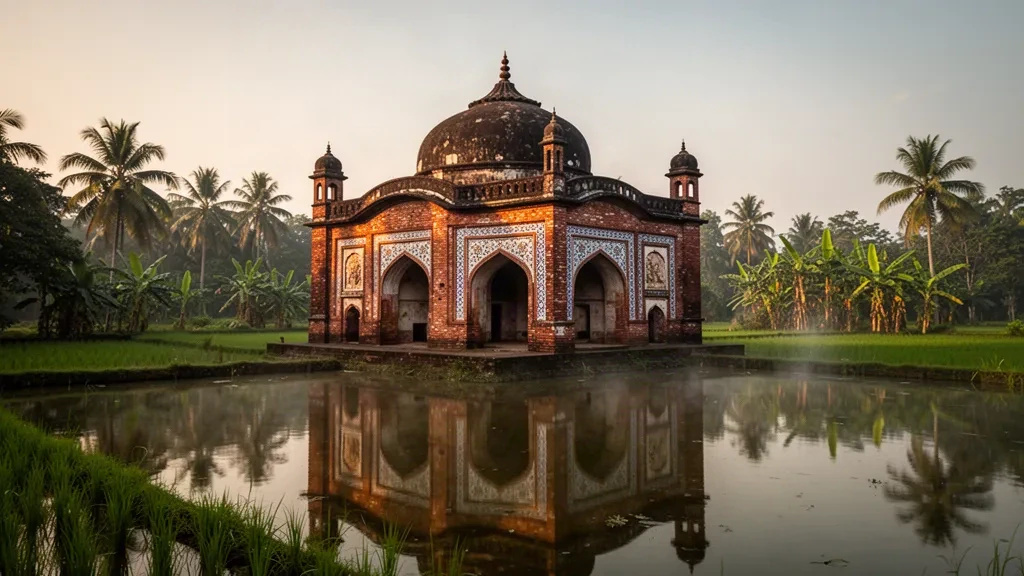
The city and the surrounding district hold several notable historic landmarks. The Atia Mosque, built in 1608, blends Sultanate and Mughal architectural influences, while estates such as Mohera Zamindar Bari and the Dhanbari Nawab Palace recall the region's zamindari past. These heritage sites sit alongside riverside towns, busy bazaars and centuries-old weaving villages where artisans continue to produce cotton and silk sarees on traditional handlooms.
Around the town, visitors can explore local markets, sample sweets and street food, and travel a short distance to the Madhupur sal forest and national park, the modern 201 Dome Mosque at Gopalpur, or the Jamuna Bridge over the Brahmaputra–Jamuna river. The area's pineapple orchards and agricultural landscapes add a quieter, green contrast to the busy urban centre.
Tangail's economy is built around textiles, handloom products, agriculture and trade. The city supports local mills, markets and small industries, and its road and rail links keep it closely connected to Dhaka, about 100 km to the southeast. Business travellers come for textiles, trading and regional meetings, while leisure visitors are drawn by heritage, crafts and food culture.
Whether travelling for business, family visits or a weekend of heritage and crafts, Tangail offers an authentic central Bangladesh experience within easy reach of the capital.
Tangail Travel Guide
Best Time to Visit
The dry winter months from November to February are the most comfortable time to visit Tangail, with mild temperatures and low rainfall. The monsoon season from June to September brings heavy rain and can make travel around rural attractions more difficult.
How to Get Around
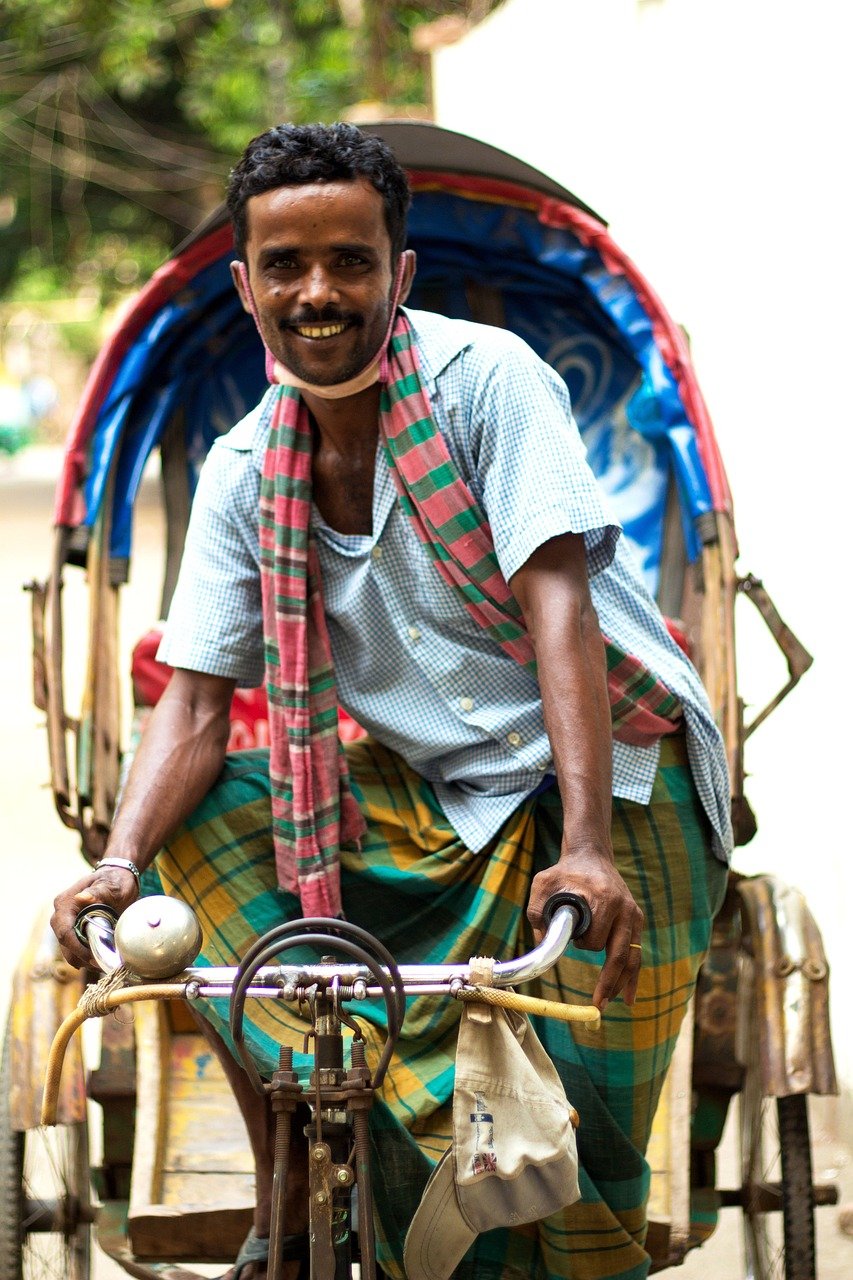
Tangail sits on the main Dhaka–northern Bangladesh highway and railway line, making it easy to reach by train, bus or car. Within the city, rickshaws, CNG auto-rickshaws and local buses handle short trips, while rental cars and private drivers are useful for visiting heritage sites and forest areas outside town.
Where to Stay
Tangail town has a range of small hotels and guesthouses near the bus stand, railway station and main markets, suitable for short stays. For a different experience, heritage lodgings and resorts near Mohera Zamindar Bari and the Madhupur area offer quieter rural settings, while Dhaka is close enough for day trips.
Food & Drink
Tangail is famous for Porabari chomchom, a soft milk sweet sold across Bangladesh, and local eateries serve Bengali rice, fish and meat dishes. Handloom saree markets, tea stalls and neighbourhood restaurants round out the food and shopping experience.
Ground Transportation Services in Tangail
Airport Transfers
Travel between Hazrat Shahjalal International Airport in Dhaka and hotels, business areas and attractions across Tangail, roughly 100 km by road.
Hourly Chauffeur
Book a private chauffeur by the hour for business meetings, visiting zamindar estates, weaving villages and sights around Tangail and nearby Madhupur.
Car Rental
Rent a car in Tangail for independent travel around the town and convenient trips to the Jamuna Bridge, Madhupur National Park and other nearby destinations.
Bus & Group Transfers
Arrange minibuses or charter buses for groups, corporate travel, events, family trips and heritage tours in and around Tangail.

Frequently Asked Questions
Related Cities in Bangladesh
View all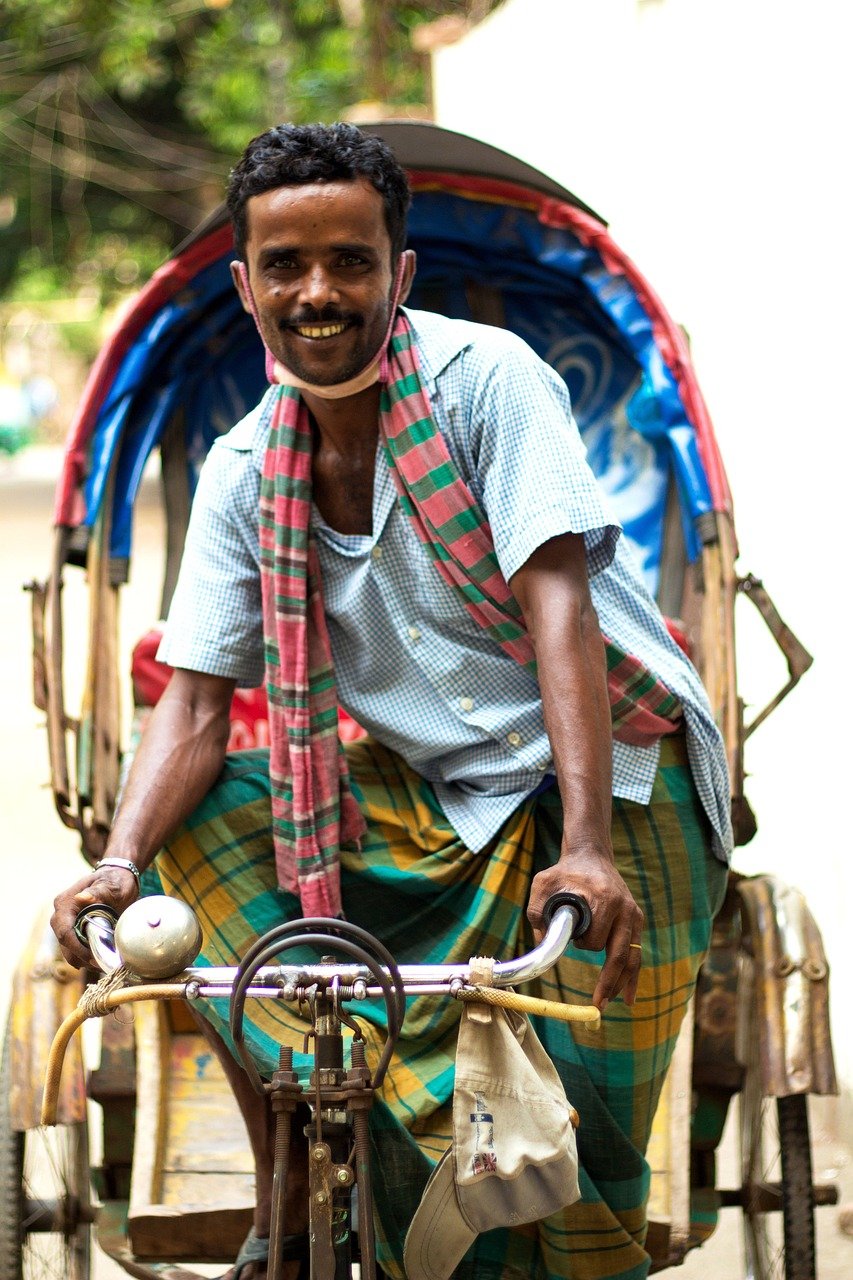
Thakurgaon
Thakurgaon, a district town in northwestern Bangladesh, reveals its heritage through the Rajbari and old temples, while its markets and rural surroundings reflect the rhythms of everyday life in the region.

Sylhet
Sylhet blends the tea estates and green hills of northeastern Bangladesh with a spiritual heritage centered on the shrines of Hazrat Shah Jalal and Shah Paran. It draws pilgrims, diaspora families and travelers bound for the wetlands of Ratargul and the river country around Jaflong.

Sylhet
Sylhet, a city of tea gardens, Sufi heritage and bustling markets, offers a distinctive blend of spiritual history and green landscapes in northeastern Bangladesh.