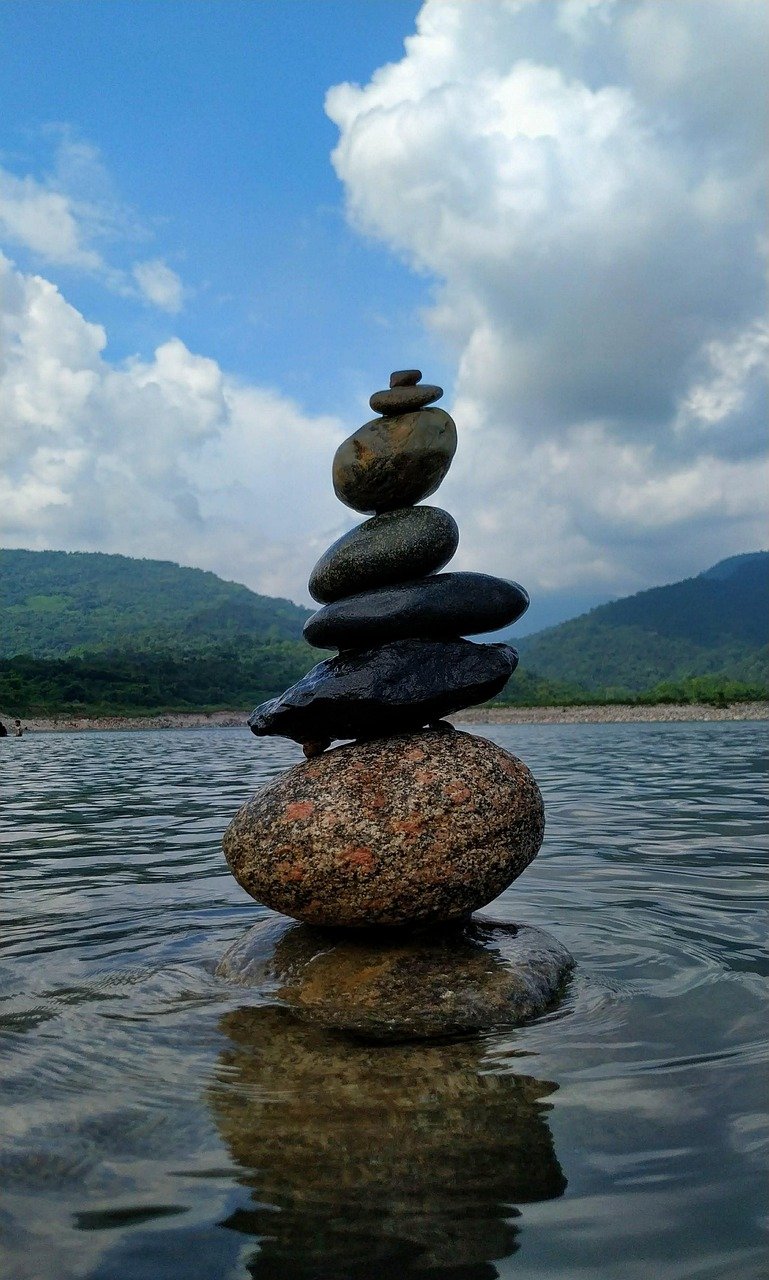
Sylhet
Sylhet blends the tea estates and green hills of northeastern Bangladesh with a spiritual heritage centered on the shrines of Hazrat Shah Jalal and Shah Paran. It draws pilgrims, diaspora families and travelers bound for the wetlands of Ratargul and the river country around Jaflong.
Passengers
Luggage
About Sylhet
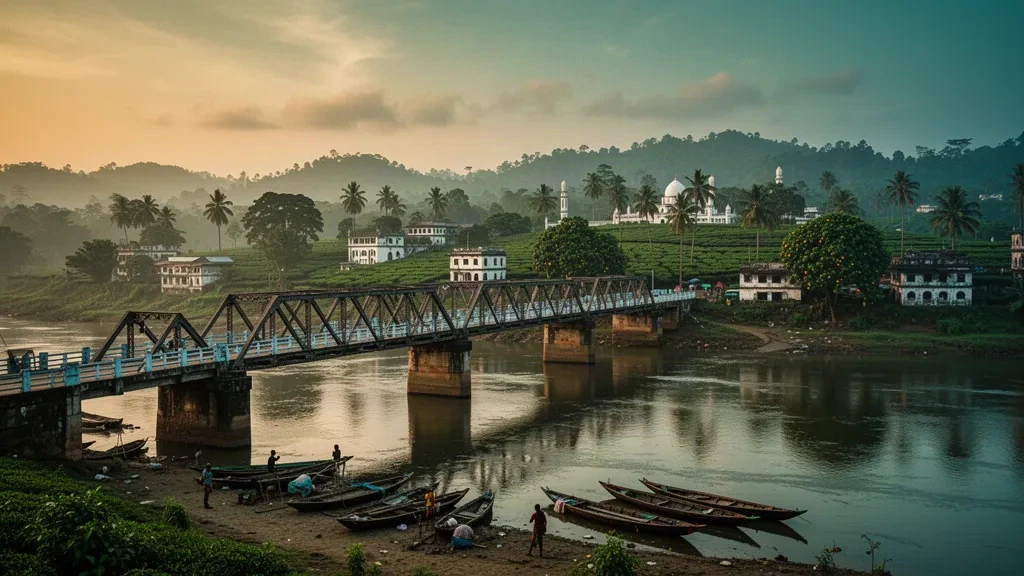
Sylhet is a major city in northeastern Bangladesh and the administrative centre of Sylhet Division. Set on the banks of the Surma River among low hills and tea gardens, it is widely known as Bangladesh's tea capital and one of the country's most important spiritual and commercial centres.
Sylhet's history reaches back centuries, shaped by medieval sultanates, Mughal rule, British Assam and East Pakistan before becoming part of Bangladesh. The city was largely rebuilt after the devastating 1897 earthquake, and its modern growth is closely tied to tea, trade and remittances from the large Sylheti diaspora, especially in the United Kingdom.
The most visited landmark is the shrine of Hazrat Shah Jalal, a revered 14th-century Sufi saint, which draws pilgrims from across the country. Nearby attractions include Malnicherra Tea Estate, the Keane Bridge, Ali Amjad's Clock and the Osmani Museum, while day trips lead to Ratargul Swamp Forest, Jaflong, Bichnakandi and the blue-green Lalakhal river.
Zindabazar is the busy commercial heart, with shops, restaurants and hotels, while areas such as Ambarkhana, Lamabazar and Shahjalal Upashahar offer a mix of residential life, education and local business. Institutions including Shahjalal University of Science and Technology and Sylhet Agricultural University add a strong student presence.
Sylhet matters for leisure travellers seeking nature, heritage and pilgrimage sites, and for business visitors connected to tea, trade and the region's growing services economy. Its food scene, busy bazaars and gateway position to the tea estates and hill districts make it a distinctive destination.
Sylhet Travel Guide
Best Time to Visit
October to March is the most comfortable period, with cooler, drier weather ideal for exploring tea gardens and shrines. The monsoon months from June to September bring heavy rain, while April and May can be hot and humid.
How to Get Around
Sylhet is mainly served by auto-rickshaws, cycle rickshaws and local buses, along with ride-hailing apps and private cars. Hiring a car with a driver is practical for visiting outlying tea estates and natural sites.
Where to Stay
Zindabazar and nearby areas are convenient for shopping, restaurants and the city's main landmarks. There are also quieter options near the Shahjalal shrine and resort-style stays around Sreemangal, Lalakhal and the tea-growing countryside.
Food & Drink
Sylheti cooking features local touches such as shatkora citrus in curries, pithas and hearty beef and fish dishes. Zindabazar, Ambarkhana and roadside eateries serve regional food, while the nearby Sreemangal area is famous for its layered seven-colour tea.
Ground Transportation Services in Sylhet
Airport Transfers
Travel between Osmani International Airport and hotels, the city centre, tea estate resorts and business areas across Sylhet.
Hourly Chauffeur
Book a private chauffeur by the hour for business meetings, events, shrine visits and day trips to Jaflong, Lalakhal and Ratargul.
Car Rental
Rent a car in Sylhet for flexible travel around the city and convenient journeys to tea gardens and nearby natural attractions.
Bus & Group Transfers
Arrange minibuses or charter buses for groups, corporate travel, events, airport transfers and sightseeing tours in Sylhet.

Frequently Asked Questions
Related Cities in Bangladesh
View all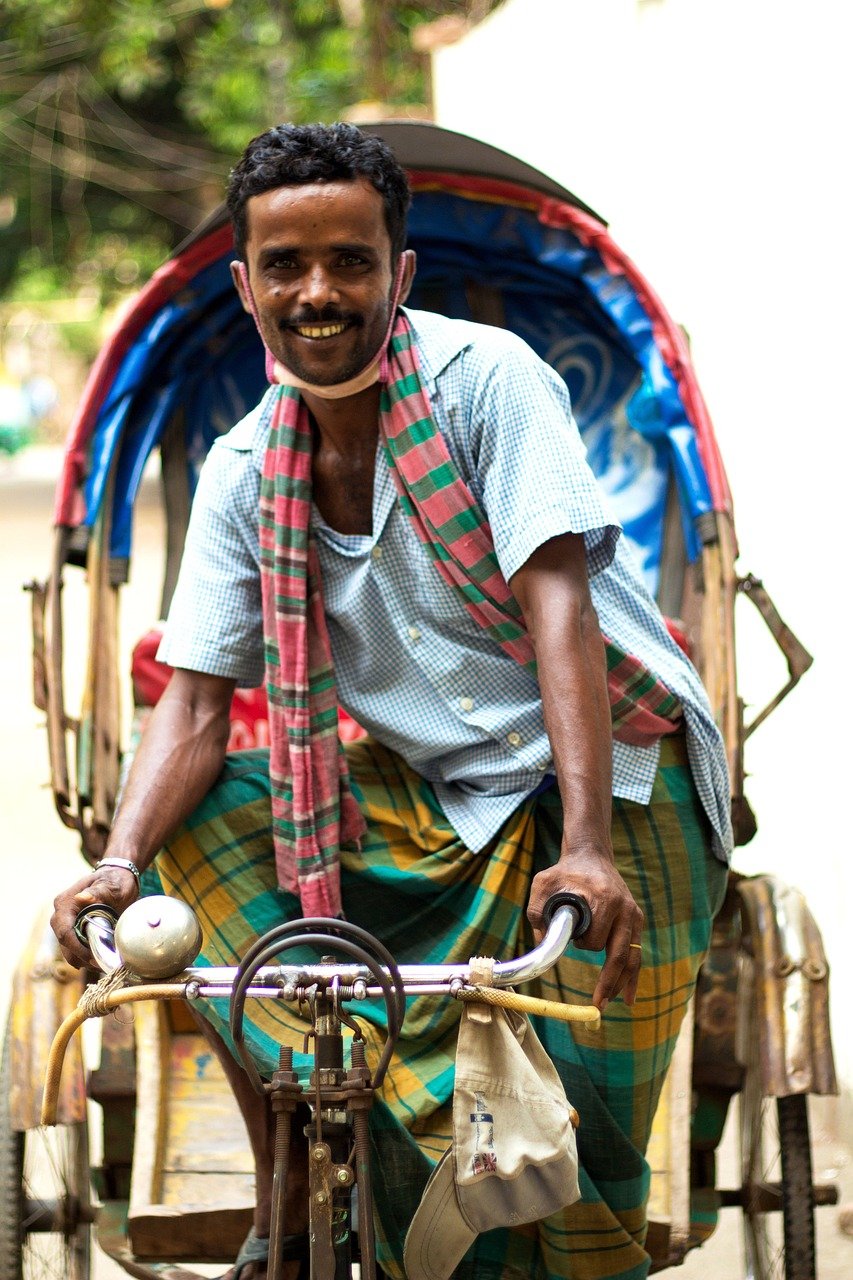
Thakurgaon
Thakurgaon, a district town in northwestern Bangladesh, reveals its heritage through the Rajbari and old temples, while its markets and rural surroundings reflect the rhythms of everyday life in the region.
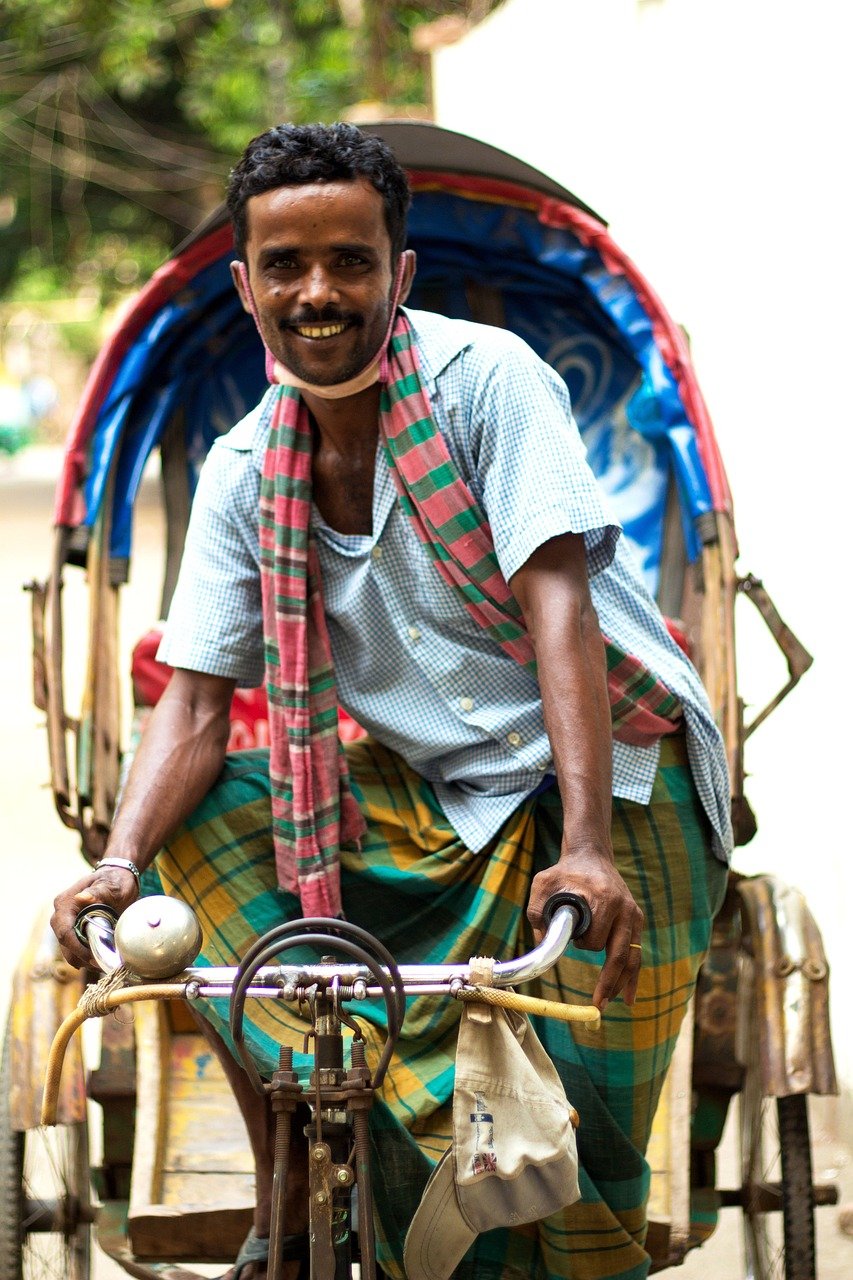
Tangail
Tangail, a historic city on the Louhajang River in central Bangladesh, is known for its handloom sarees, lively markets and rich cultural traditions. Its landmarks, local festivals and riverside setting give it a distinct character.
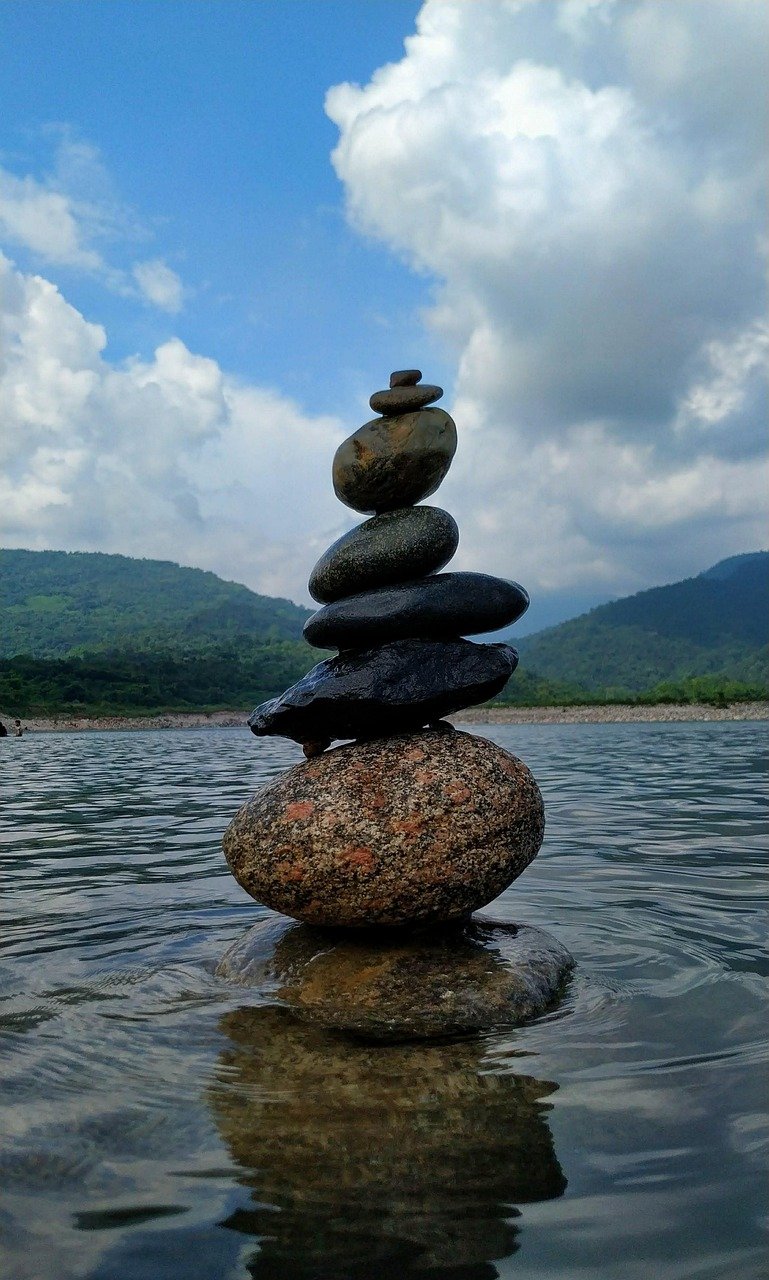
Sylhet
Sylhet, a city of tea gardens, Sufi heritage and bustling markets, offers a distinctive blend of spiritual history and green landscapes in northeastern Bangladesh.