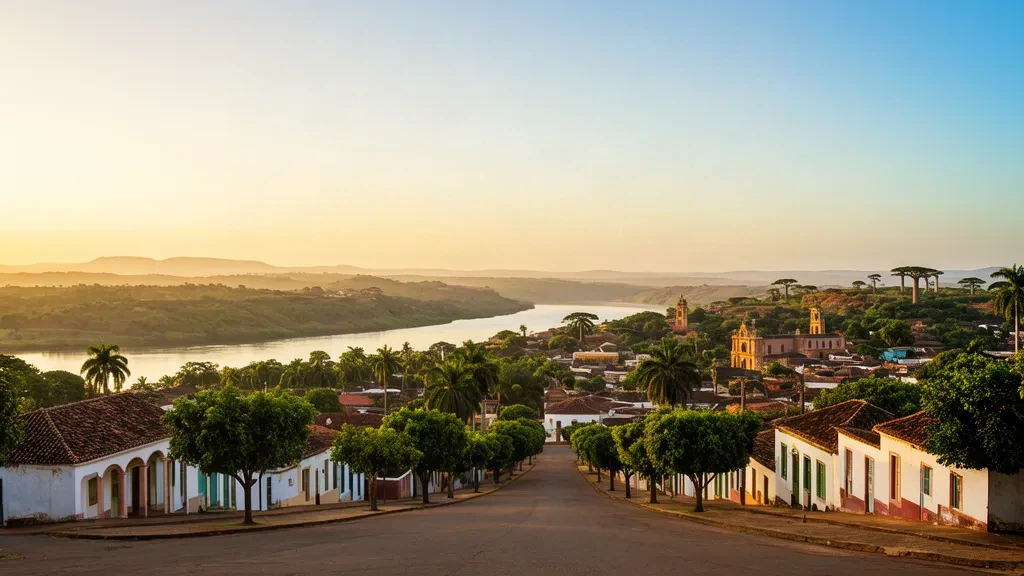
Malanje
Malanje, the capital of Angola's Malanje Province, is a lively city with colonial-era streets and a strong cultural identity, and it serves as a gateway to the dramatic Kalandula Falls and Pungo Andongo rock formations.
Passengers
Luggage
About Malanje
Malanje is the capital of Malanje Province in north-central Angola, set on a fertile highland plateau about 380 kilometres east of Luanda. The city combines a long trading and railway heritage with a gateway role to some of Angola's most striking natural attractions, including the Kalandula Falls and the black rock formations of Pungo Andongo.
Portuguese settlers founded Malanje in the 19th century, and its growth accelerated after 1885 when the Luanda–Malanje railway began opening the surrounding highlands to trade. The region became a major cotton-producing area under Portuguese rule, and the city later developed as a centre for agriculture, manufacturing, trade and services.
Today the compact city centre still reflects its colonial-era layout, with markets, churches and government buildings alongside neighbourhoods rebuilt after the Angolan Civil War. Nearby landmarks include the Forte de Cabatuquila, the evangelical church at Quêssua and the tomb of Queen Nzinga Mbande, while Cangandala National Park protects the rare giant sable antelope.
Malanje's strongest draw is its natural setting. The Kalandula Falls, roughly 85 kilometres away, are among Angola's most spectacular natural sights, and the Pedras Negras de Pungo Andongo offer dramatic monoliths tied to the history of the Kingdom of Ndongo. The Capanda Dam on the Kwanza River adds another dimension to the region's landscape.
For travellers, Malanje works as both a provincial business hub and a base for exploring central Angola's highlands. Its markets, local restaurants and steady post-war rebuilding give the city an authentic, unhurried character that contrasts with the bustle of Luanda.
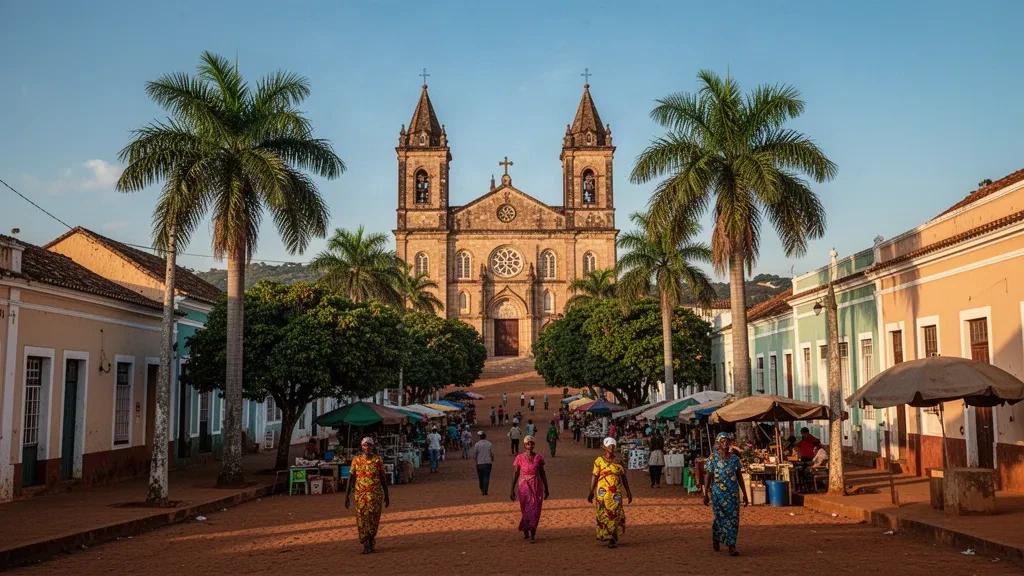
Malanje Travel Guide
Best Time to Visit
The dry season from May to September offers the most comfortable conditions for exploring Malanje and its surroundings. The wet season runs from October to April, when the landscape is green and Kalandula Falls is at its fullest but roads can be muddy and harder to navigate.
How to Get Around
Within Malanje, most movement is by taxi, motorcycle taxi or on foot in the compact centre. For Kalandula Falls, Pungo Andongo and other sights, renting a car with a driver or booking a private transfer is the most practical option because public transport is limited outside town.
Where to Stay
Accommodation is concentrated in and around the city centre, with a small selection of guesthouses, hotels and lodges. Staying centrally gives easy access to markets and restaurants, while some travellers use Malanje as a base for day trips to Kalandula Falls and Pungo Andongo.
Food & Drink
Local dining centres on Angolan staples such as funge, grilled fish and chicken, beans, cassava and rice, often served in simple restaurants and market stalls. Fresh tropical fruit is widely available, and the provincial capital offers a modest but growing choice of cafés and eateries.
Ground Transportation Services in Malanje
Airport Transfers
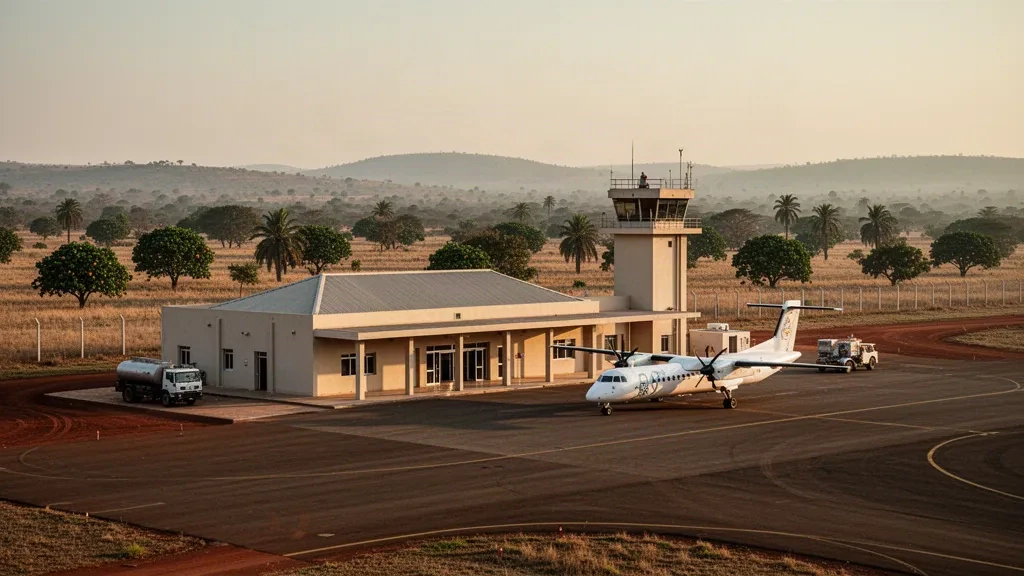
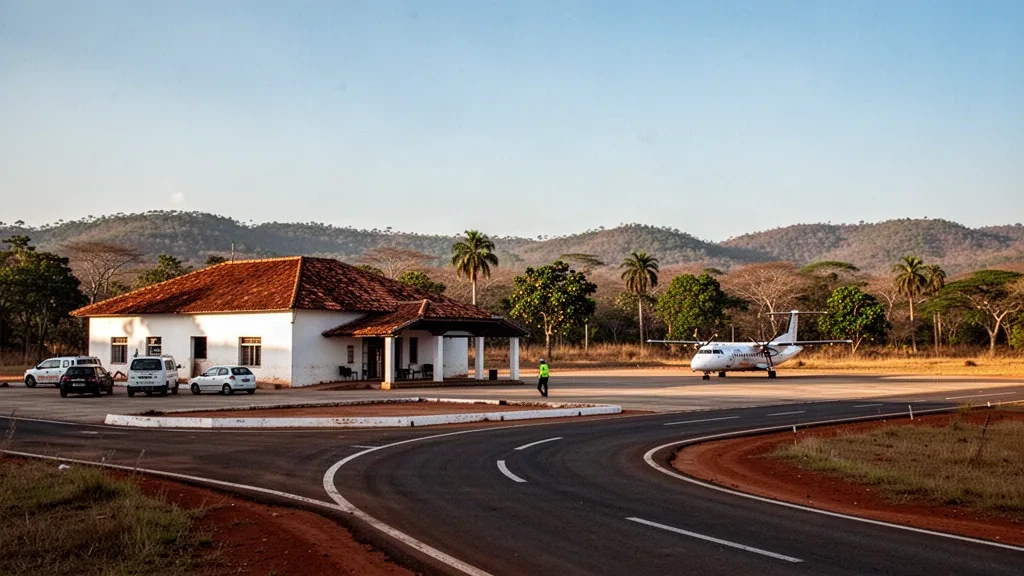
Travel between Malanje Airport (MEG) and hotels, guesthouses, business sites and other destinations in and around the city.
Hourly Chauffeur
Book a private chauffeur by the hour for meetings, provincial travel, sightseeing trips to Kalandula Falls or flexible journeys around Malanje.
Car Rental
Rent a car in Malanje for independent travel through the highlands and convenient access to Pungo Andongo, Cangandala National Park and other regional destinations.
Bus & Group Transfers
Arrange minibuses or charter buses for groups, business delegations, events, airport transfers and guided excursions around Malanje Province.
Airports in Malanje
Frequently Asked Questions
Related Cities in Angola
View all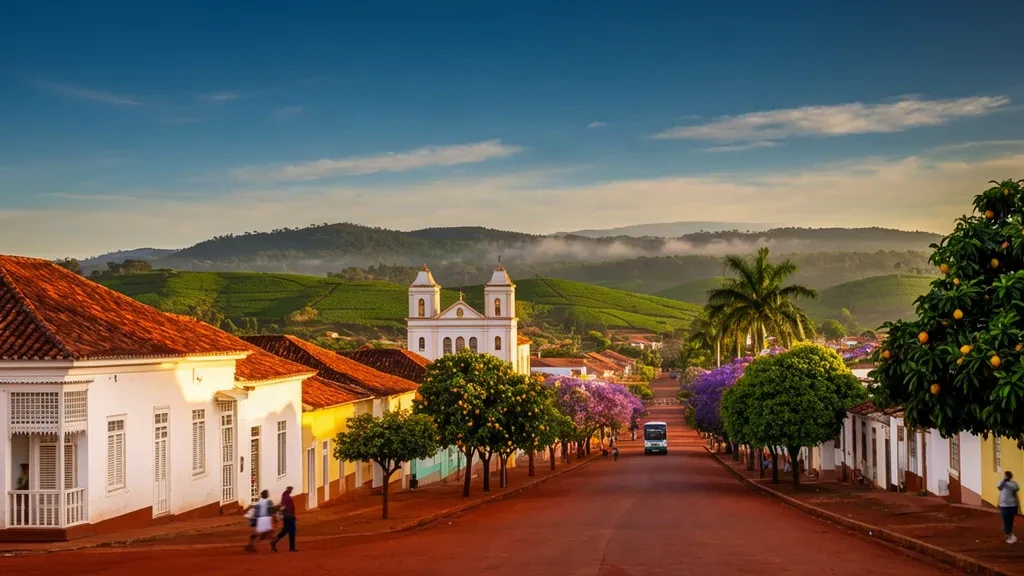
Uíge
Uíge, the capital of Angola's northern Uíge Province, blends a coffee-growing heritage with lively markets, colonial-era architecture and a warm local culture. It is a regional hub for trade and travel in northern Angola.
Angola Zaire
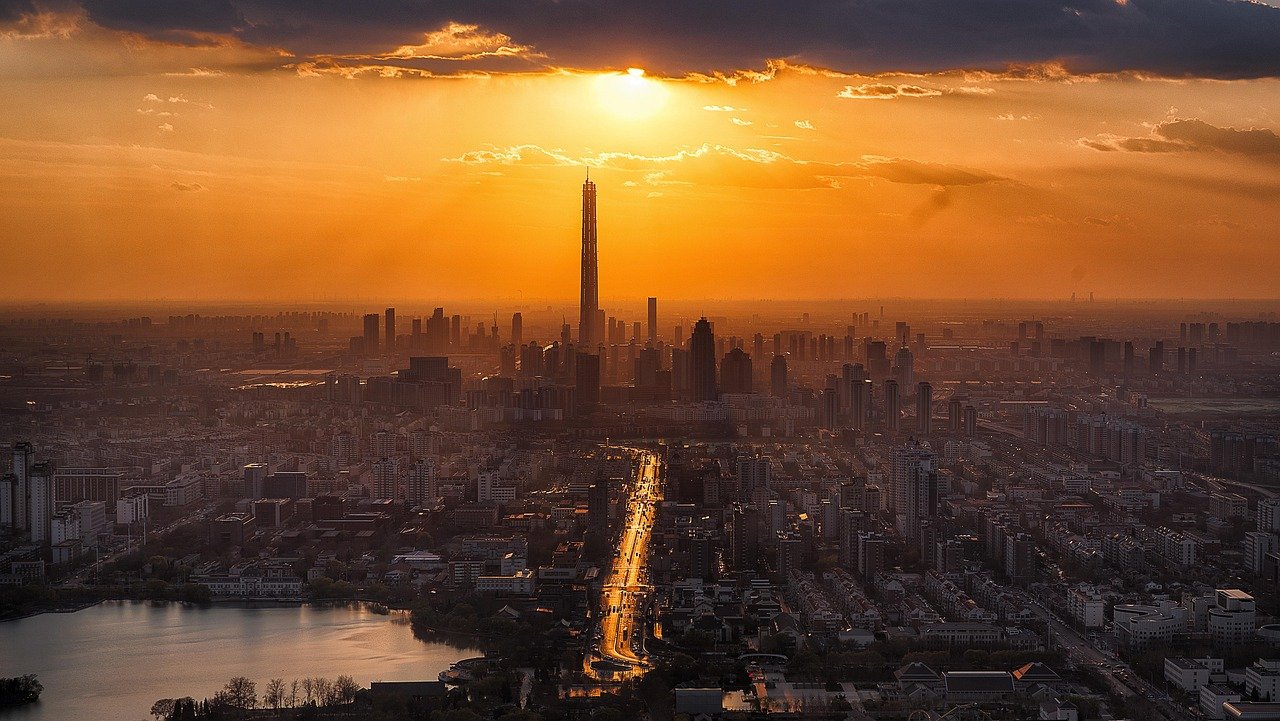
Angola Zaire lies in the country's far north, a quiet corner shaped by the Congo River, Kongo-era heritage and the steady rhythms of provincial life.
Moxico
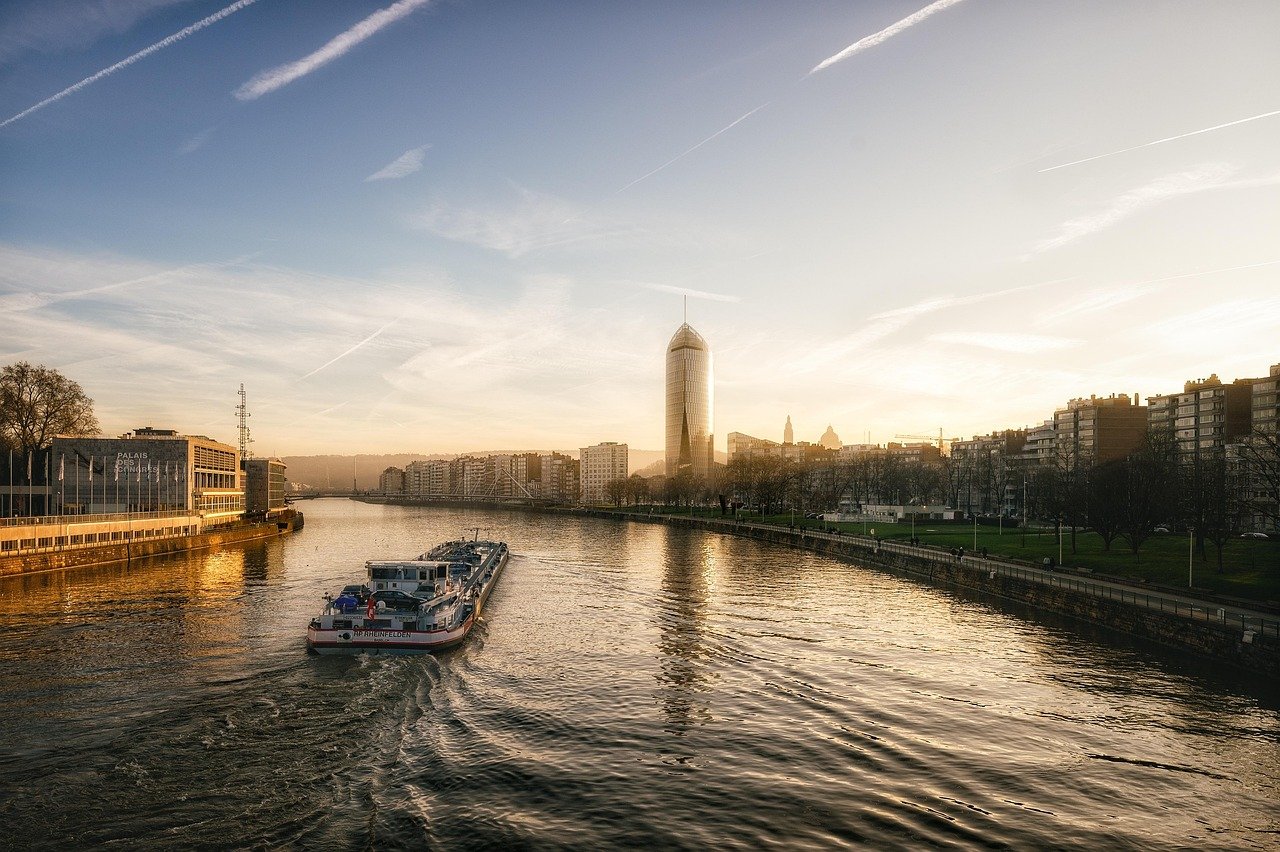
Moxico, in eastern Angola, blends remote river landscapes with a cultural heritage shaped by the region's communities and a history tied to Angola's eastern interior.