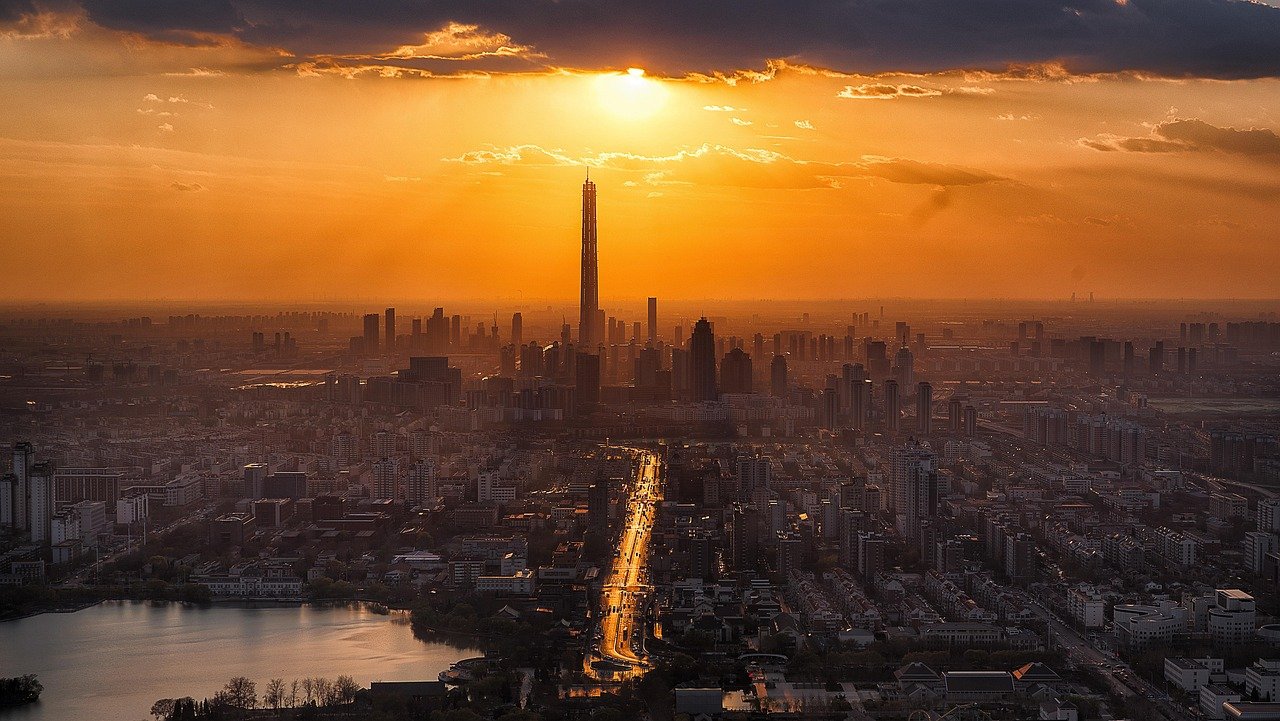
Huambo
Set on Angola's central plateau, Huambo mixes colonial-era architecture, busy markets and a resilient cultural scene with wide avenues and a mild highland climate. Its historic landmarks and role as a regional trade hub make it a practical base for exploring Angola's interior.
Passengers
Luggage
About Huambo
Huambo, formerly Nova Lisboa, is the capital of Huambo Province and one of Angola's largest cities. Lying on the central plateau at about 1,700 metres above sea level, it has a cooler highland climate than much of the country and serves as a gateway to Angola's agricultural interior.
Founded in 1912 as a stop on the Benguela Railway, the city was renamed Nova Lisboa under Portuguese administration in 1928 and grew into a planned colonial centre with broad avenues and green spaces. After independence in 1975 it regained the name Huambo, but the Angolan Civil War brought severe damage, including a 55-day battle that devastated much of the city in early 1993. Post-war reconstruction has gradually restored many central streets and buildings.
Landmarks such as Huambo Cathedral, the historic railway station and the Jardim da Cultura reflect the city's colonial and railway heritage. Traditional markets and the central monument area offer a more direct view of local life, while nearby highland farmland and scattered historic bairros shape the city's setting.
Huambo remains an important regional centre for trade, services, food processing, education and provincial administration. The Benguela Railway corridor connects the city and its productive hinterland with the Atlantic port of Lobito, giving it continued economic relevance.
For visitors, Huambo is a calmer, greener alternative to Luanda, with history, markets and cool-climate scenery; local restaurants serve Angolan and Ovimbundu dishes such as funge and calulu. Business travellers value its role as an administrative and agricultural hub, while the central highlands make it a practical base for regional exploration.
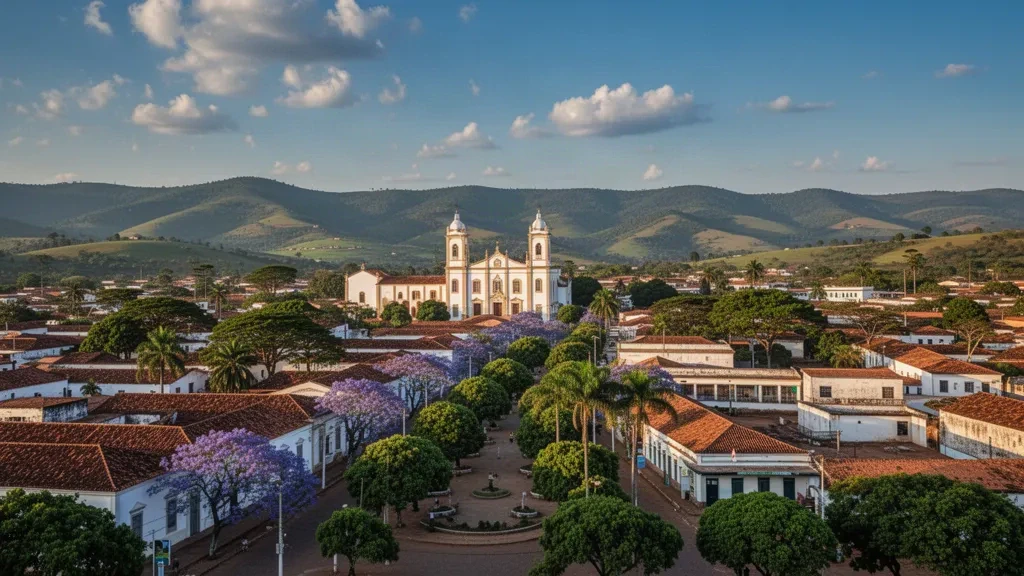
Huambo Travel Guide
Best Time to Visit
The dry season from May to September is generally the most comfortable time in Huambo, with cooler highland weather and less rain. The wet season from October to April brings lush green landscapes but heavier showers and muddier rural roads.
How to Get Around
Central Huambo is walkable for short trips, while shared taxis, motorcycle taxis and minibuses serve many neighbourhoods. For airport trips, business travel or flexible sightseeing, private drivers and rental cars are practical options.
Where to Stay
Most visitors stay in the central area near the cathedral, railway station and main avenues, where hotels and guesthouses are most common. Quieter options can be found in residential neighbourhoods a short drive from the centre.
Food & Drink
Huambo offers Angolan and Ovimbundu dishes such as funge, calulu, palm oil beans and grilled meats, alongside simple cafés and restaurants. Fresh produce from the surrounding highland farms features prominently in local markets and meals.
Ground Transportation Services in Huambo
Airport Transfers
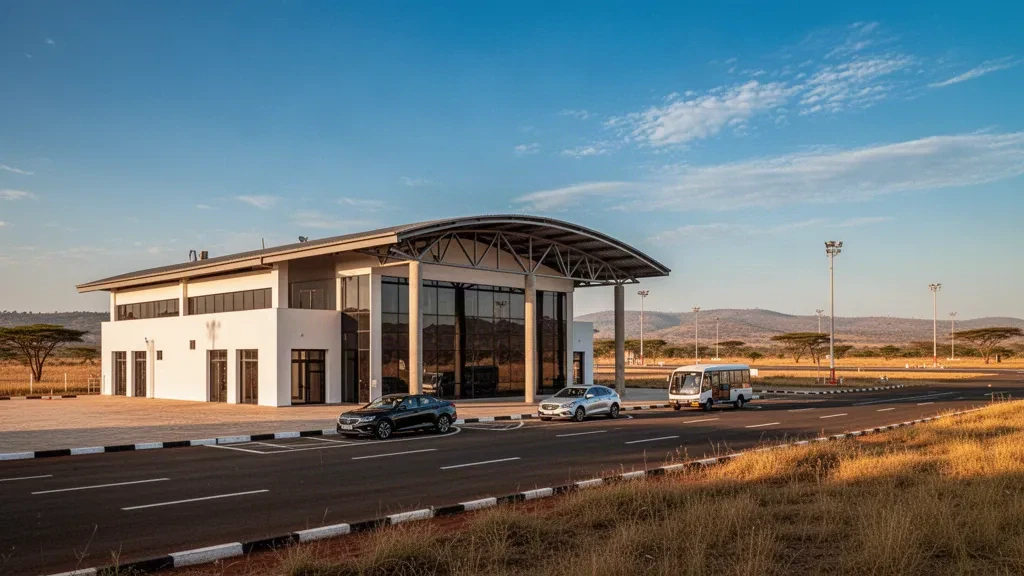
Travel between Albano Machado Airport and hotels, business addresses and other destinations in and around Huambo.
Hourly Chauffeur
Book a private chauffeur by the hour for business meetings, sightseeing and flexible travel across Huambo.
Car Rental
Rent a car in Huambo for independent travel around the city and trips into the surrounding highland region.
Bus & Group Transfers
Arrange minibuses or charter buses for groups, events, airport transfers and tours in Huambo and nearby areas.
Frequently Asked Questions
Related Cities in Angola
View all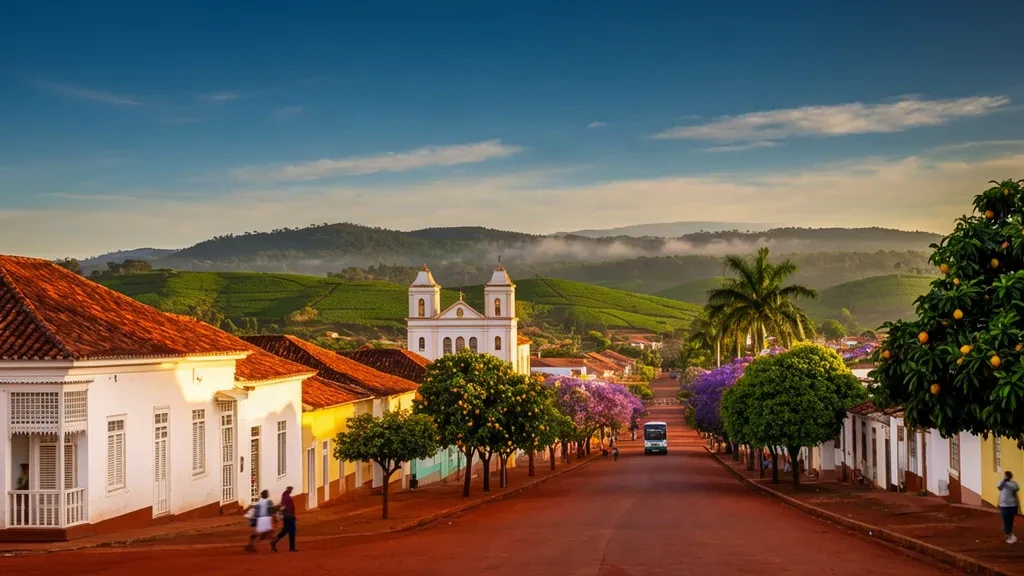
Uíge
Uíge, the capital of Angola's northern Uíge Province, blends a coffee-growing heritage with lively markets, colonial-era architecture and a warm local culture. It is a regional hub for trade and travel in northern Angola.
Angola Zaire
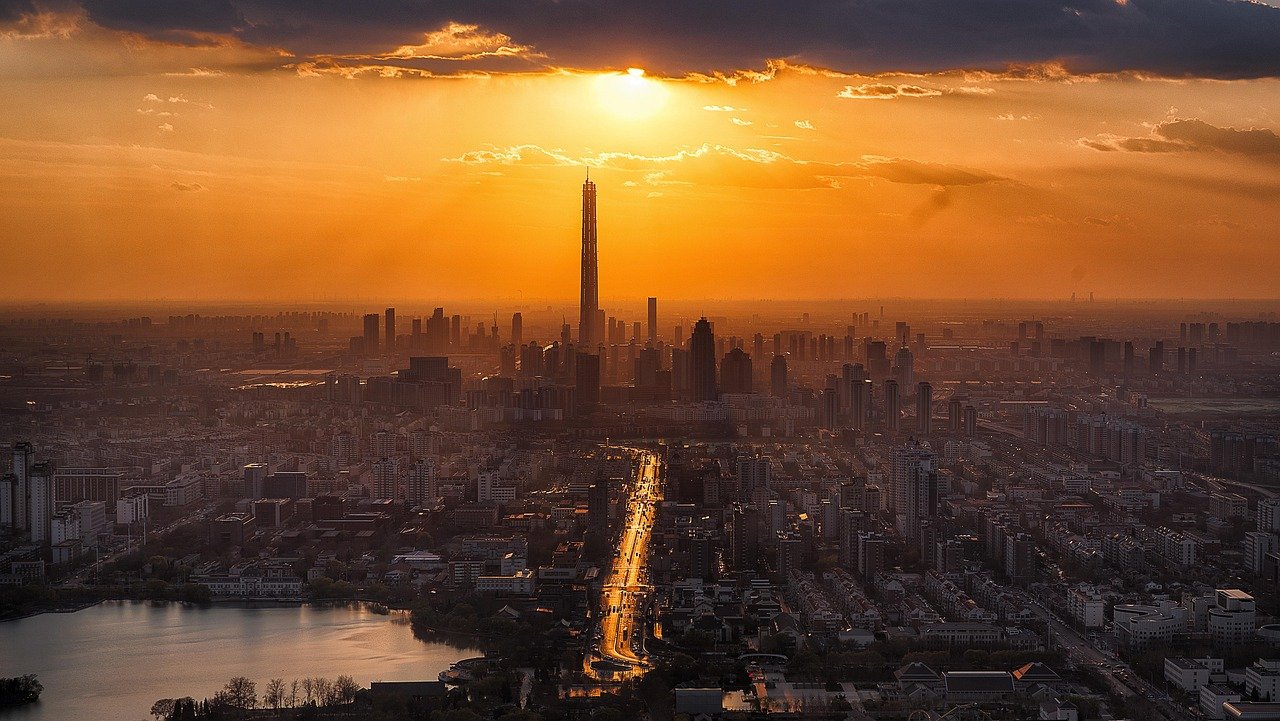
Angola Zaire lies in the country's far north, a quiet corner shaped by the Congo River, Kongo-era heritage and the steady rhythms of provincial life.
Moxico
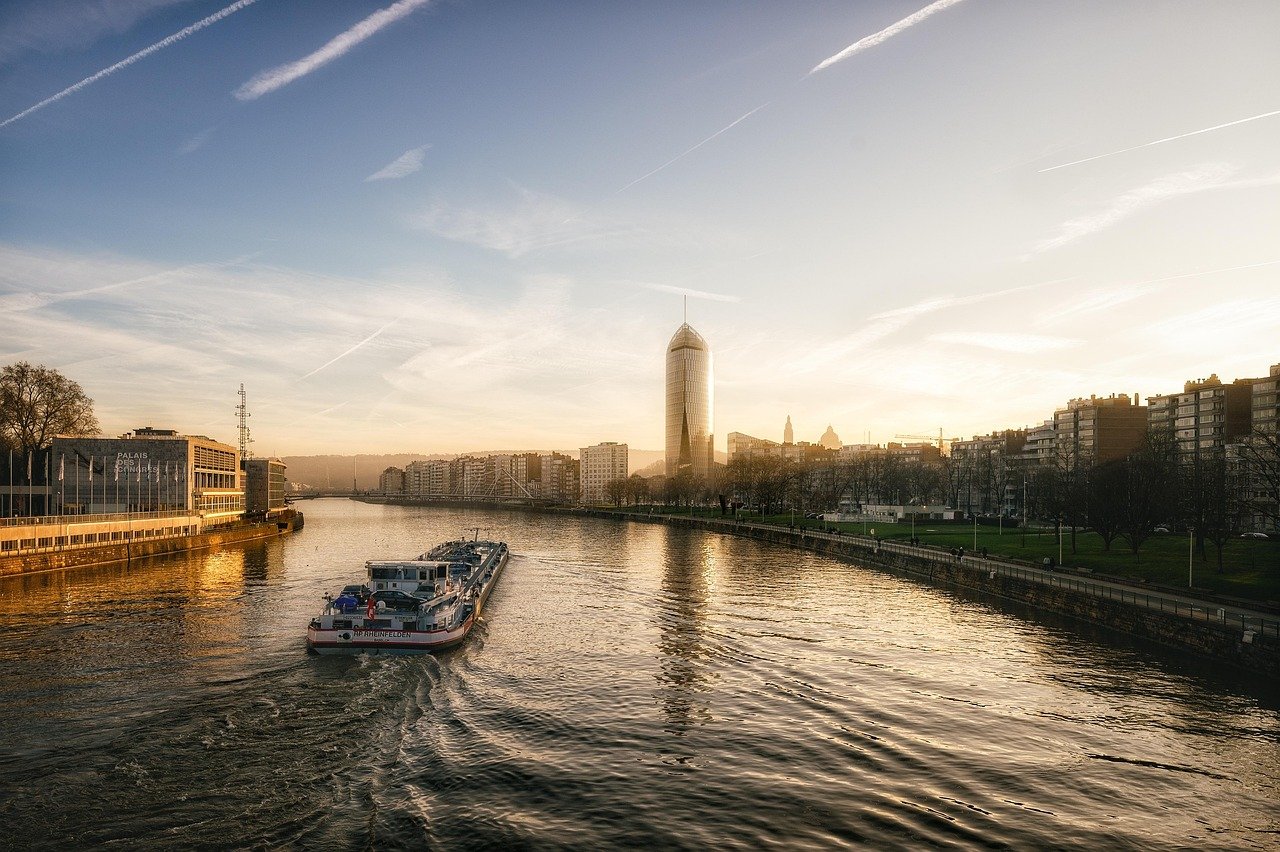
Moxico, in eastern Angola, blends remote river landscapes with a cultural heritage shaped by the region's communities and a history tied to Angola's eastern interior.