Cuanza Norte
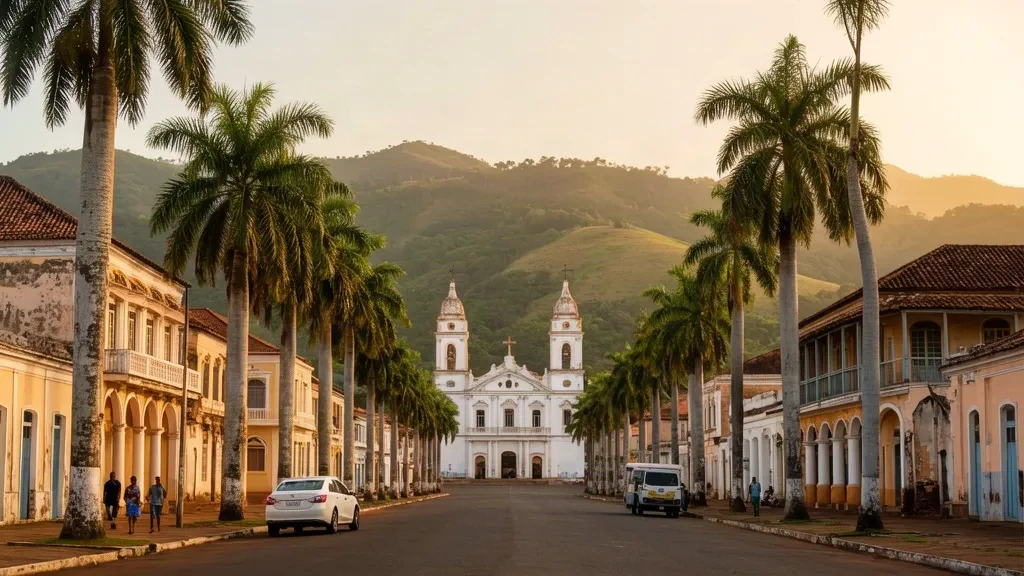
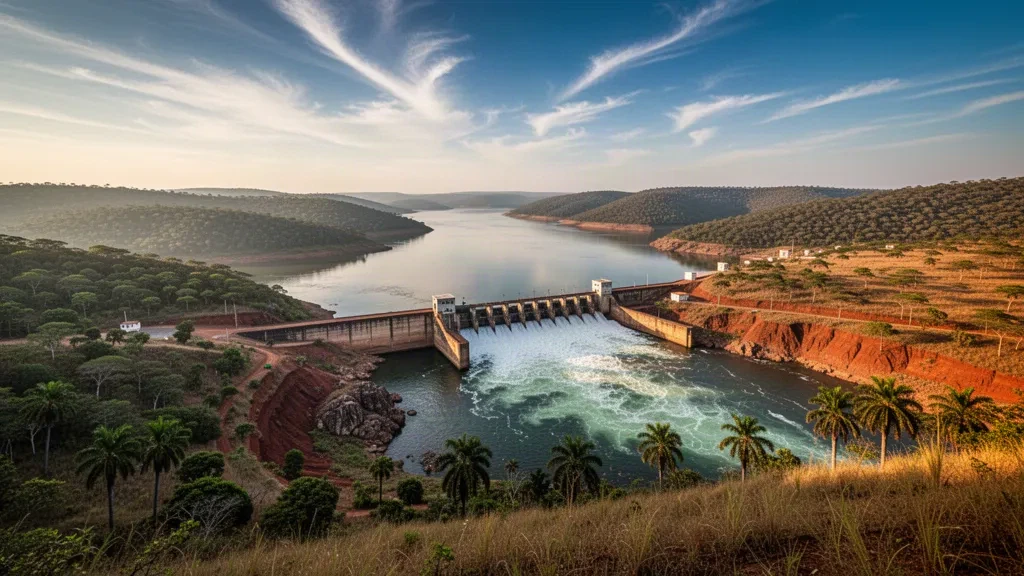
Cuanza Norte, in northern Angola, is known for its coffee plantations, rolling hills and the Lucala River. Its capital, N'dalatando, blends colonial history with a lively market scene.
Passengers
Luggage
About Cuanza Norte
N'dalatando is the capital of Angola's Cuanza Norte province, a compact highland city roughly 200 kilometres east of Luanda on the historic Luanda–Malanje railway. Its elevation of around 800 metres gives it a mild, green setting in one of Angola's traditional coffee-growing regions.
The city's history reaches back to the 1840s, but it grew under Portuguese rule, when it was renamed Salazar in 1936 and later Vila Salazar. After independence the name reverted to N'dalatando, and its colonial-era churches, railway station and administrative buildings still mark the centre.
Key sights include the 17th-century São João Batista Church, the Botanical Garden of Kilombo, the Museu de N'dalatando and the central Praça da República. The garden is a valued green space with research links, while the railway and provincial government headquarters reflect the city's administrative role.
As a provincial capital, N'dalatando serves government, trade and agribusiness, particularly coffee, cassava and other crops from surrounding Cuanza Norte. Small restaurants, markets and hotels cater mostly to regional business, official and transit travellers.
For visitors, N'dalatando is also a practical stopover between Luanda and Malanje, with access to attractions such as the Kalandula Falls and the Pungo Andongo stones to the east. Its relaxed pace, mild climate and working Angolan character make it distinct from the capital.
Cuanza Norte Travel Guide
Best Time to Visit
The dry season from May to September is the most comfortable time to visit N'dalatando, with mild temperatures and less rain. The wet season from October to April brings heavy rainfall and can make rural roads around Cuanza Norte more difficult.
How to Get Around
The compact centre is easy to explore on foot, while shared taxis and motorcycle taxis cover most districts. The Luanda Railway connects N'dalatando with Luanda and Malanje, and long-distance buses and private vehicles use the main Luanda–Malanje road.
Where to Stay
Accommodation is concentrated in the city centre near Praça da República and the provincial government area, mostly in small hotels and guesthouses. Options are modest, and travellers seeking international-standard hotels usually stay in Luanda.
Food & Drink
Local restaurants serve Angolan staples such as funge, muamba de galinha, grilled fish and cassava, often with coffee from the surrounding Cuanza Norte growing region. Markets and small cafés in the centre offer inexpensive everyday food.
Ground Transportation Services in Cuanza Norte
Airport Transfers
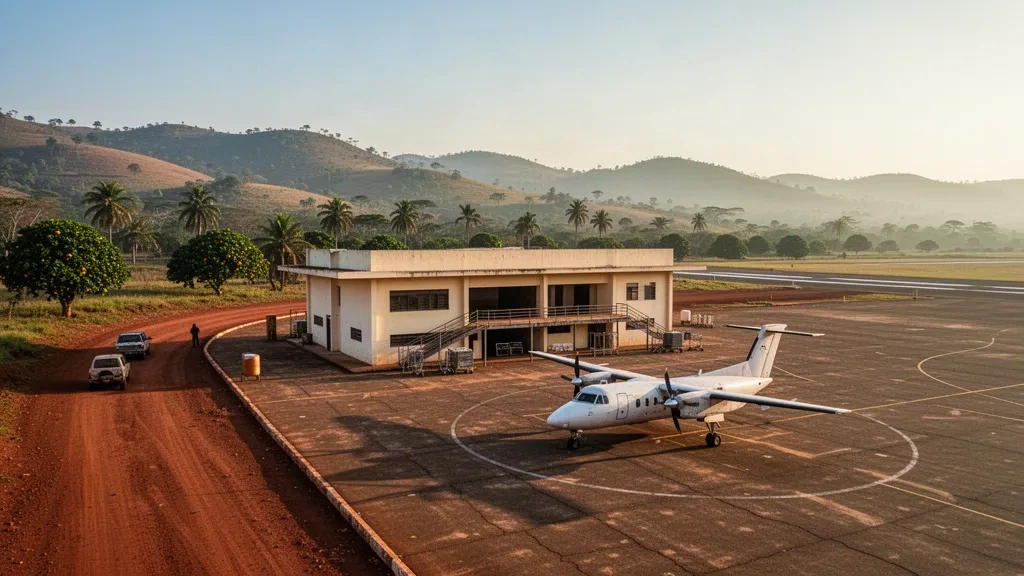
Arrange road transfers between Luanda's Quatro de Fevereiro International Airport and N'dalatando, a journey of about 200 kilometres, or to hotels and meeting points across Cuanza Norte.
Hourly Chauffeur
Book a private chauffeur by the hour for provincial government visits, business meetings, site inspections and flexible travel around N'dalatando and Cuanza Norte.
Car Rental
Rent a vehicle in N'dalatando or Luanda for independent travel along the Luanda–Malanje road and trips to nearby attractions and rural areas of Cuanza Norte.
Bus & Group Transfers
Use minibuses or charter buses for group excursions, corporate events, official visits and transfers to destinations such as Kalandula Falls and Pungo Andongo.
Frequently Asked Questions
Related Cities in Angola
View all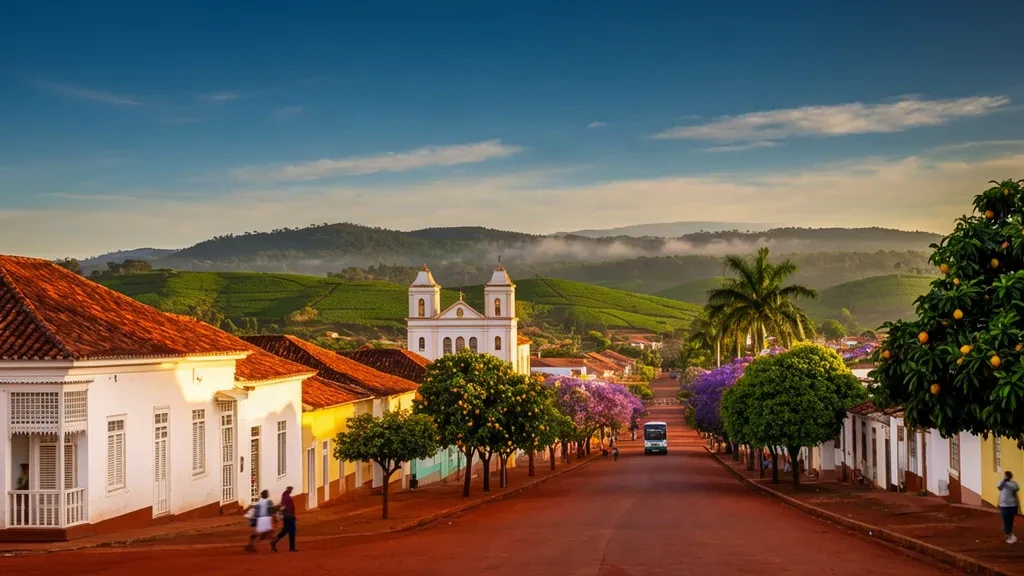
Uíge
Uíge, the capital of Angola's northern Uíge Province, blends a coffee-growing heritage with lively markets, colonial-era architecture and a warm local culture. It is a regional hub for trade and travel in northern Angola.
Angola Zaire
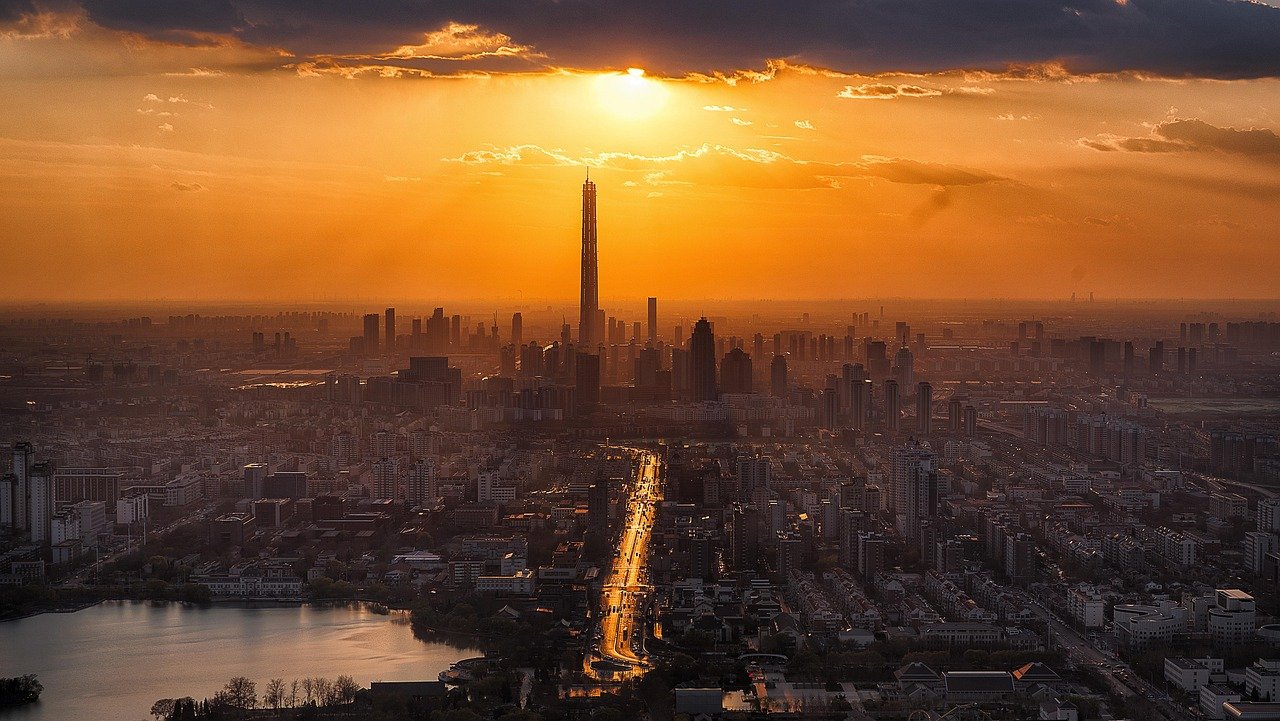
Angola Zaire lies in the country's far north, a quiet corner shaped by the Congo River, Kongo-era heritage and the steady rhythms of provincial life.
Moxico
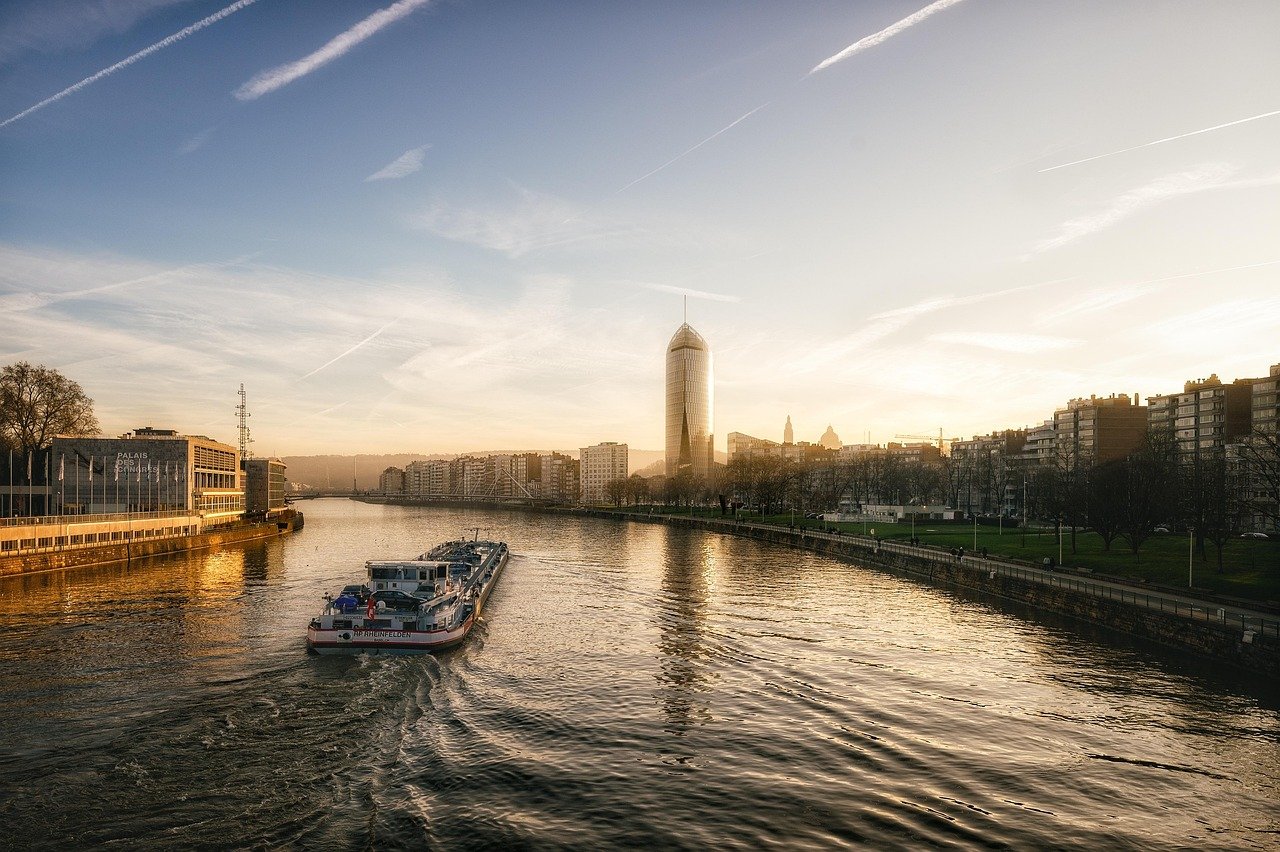
Moxico, in eastern Angola, blends remote river landscapes with a cultural heritage shaped by the region's communities and a history tied to Angola's eastern interior.