Kandahar
Kandahar, a historic crossroads in southern Afghanistan, blends Pashtun culture, bustling bazaars, revered shrines and a resilient trading heritage.
Passengers
Luggage
About Kandahar
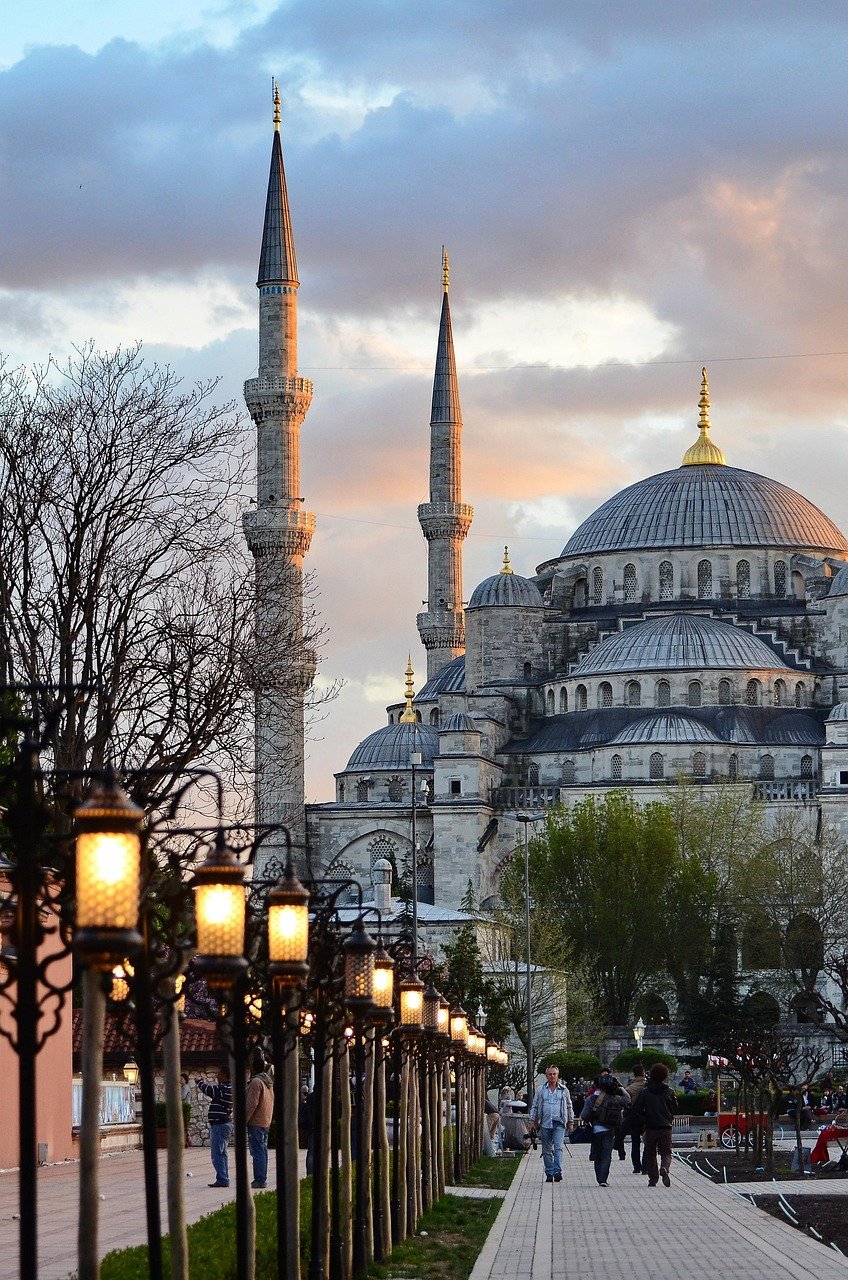
Kandahar is Afghanistan's second-largest city and the traditional heart of the Pashtun south, set in the fertile Arghandab valley between the Arghandab and Tarnak rivers. As a historic crossroads between South Asia, Central Asia and the Middle East, it is often described as the birthplace of modern Afghanistan and remains closely shaped by Pashtunwali and conservative Islamic customs.
The city's roots go back to a fortified Achaemenid-era settlement and to Alexandria in Arachosia, founded after Alexander the Great's campaign around 330 BC. In 1747 Ahmad Shah Durrani made Kandahar the first capital of the Durrani Empire, and his mausoleum remains a central landmark beside the Khirqa Sharif, a shrine said to hold a cloak of the Prophet Muhammad.
Visitors can explore the busy Sarposh Bazaar and traditional market streets, the Baba Wali shrine with its green riverside grounds, and Chehel Zina (Forty Steps), whose hilltop fort overlooks the city. The modern Aino Mina township offers newer housing and services, while the Old City's mosques, fortifications and neighbourhood bazaars preserve a more traditional character.
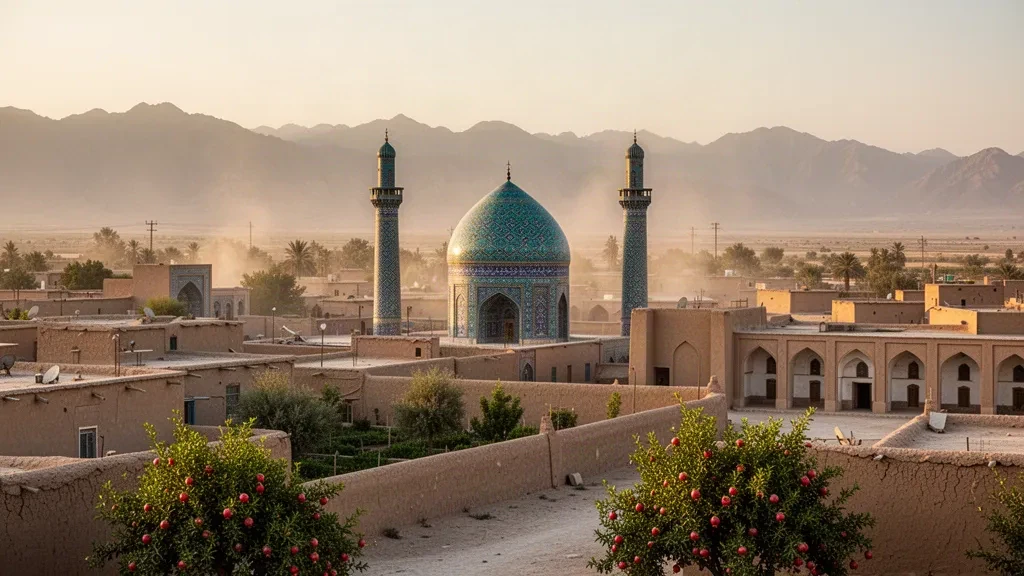
The surrounding orchards are renowned for grapes, pomegranates and other fruit, and Kandahar functions as a trading, agricultural and industrial centre with processing, packing and cross-border commerce. As the seat of the Taliban leadership, it also holds major political significance, although Kabul remains the official capital.
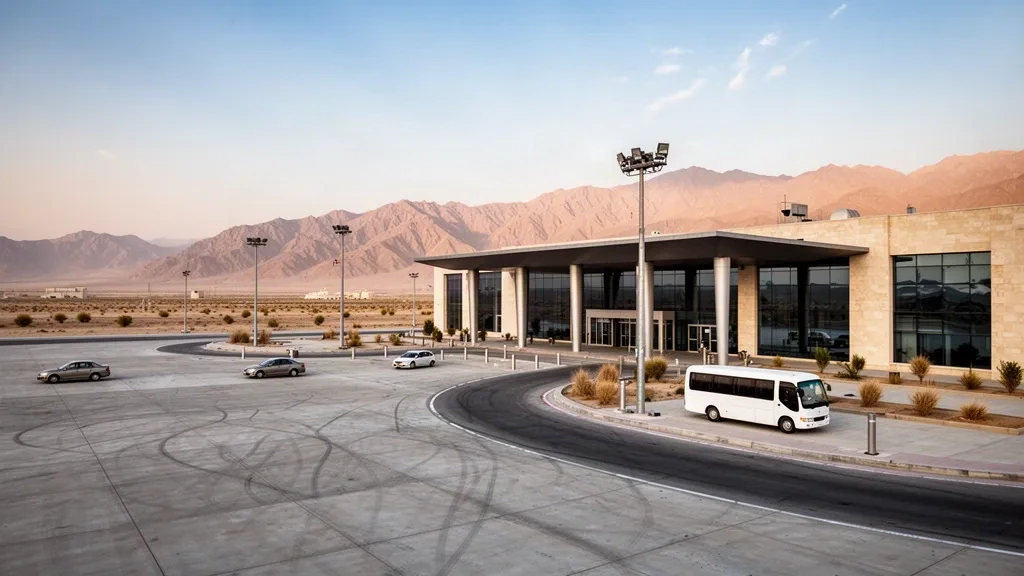
For leisure and business travellers, Kandahar is best visited with careful planning and local guidance. Ahmad Shah Baba International Airport links the city to domestic and regional routes, and the city offers a distinctive view of Afghan history, Pashtun culture and southern trade that is very different from Kabul.
Kandahar Travel Guide
Best Time to Visit
Spring and autumn are the most comfortable seasons, with April and October offering mild, clear days for sightseeing. Summer is extremely hot, often above 40°C, while winter is cooler with occasional rain and a quieter pace.
How to Get Around
Kandahar has no formal public transport system, so most visitors rely on taxis or private cars with local drivers, and agree on fares in advance. Shared taxis and auto rickshaws serve some routes, but local guidance is strongly recommended for getting around.
Where to Stay
Hotels and guesthouses are concentrated around the city centre, close to Sarposh Bazaar and the main airport road, with additional options in the newer Aino Mina area. Most foreign visitors arrange stays through local contacts or tour operators.
Food & Drink
Kandahar's food centres on grilled kebabs, rice dishes, fresh naan and seasonal fruit, with the region famous for pomegranates, grapes, melons and apricots. Traditional teahouses and bazaars are common, though alcohol is not available and dining customs are conservative.
Ground Transportation Services in Kandahar
Airport Transfers
Travel between Ahmad Shah Baba International Airport and Kandahar city centre, hotels, business areas and other destinations in and around the city.
Hourly Chauffeur
Book a private chauffeur by the hour for business meetings, site visits, sightseeing and flexible travel around Kandahar and nearby districts.
Car Rental
Rent a car for independent travel around Kandahar and convenient journeys to nearby districts or other provinces, with or without a driver.
Bus & Group Transfers
Arrange minibuses or charter buses for groups, corporate travel, events, airport transfers and tours in Kandahar and the surrounding region.
Frequently Asked Questions
Related Cities in Afghanistan
View all
Zabul
Zabul, in southern Afghanistan, is a historic area of rugged mountains and valleys, with strong Pashtun traditions and routes linking Kabul and Kandahar.
Wardak
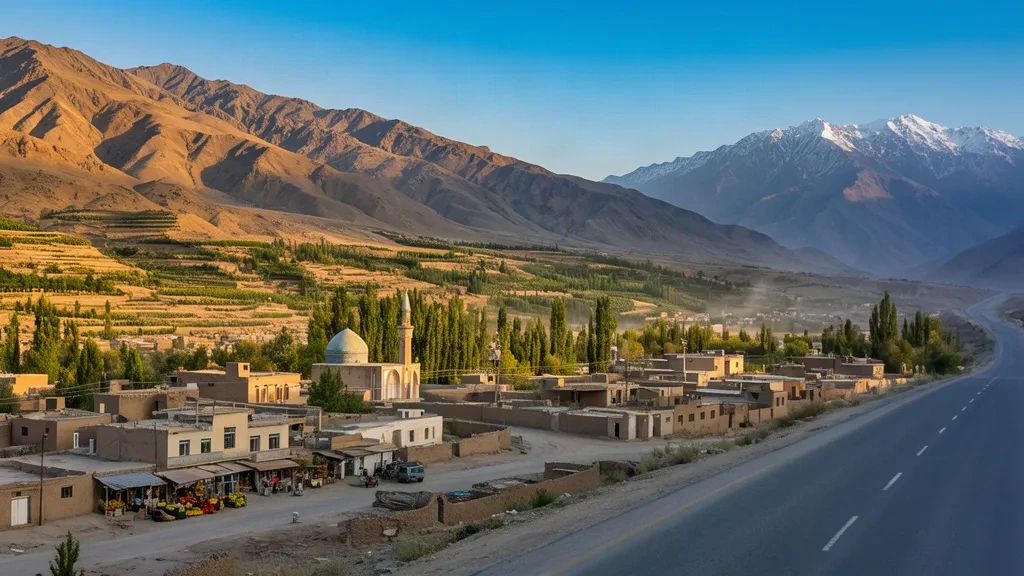
Wardak, a city in central Afghanistan, is known for its rugged mountain scenery, historical sites and rich cultural heritage.
Urozgan
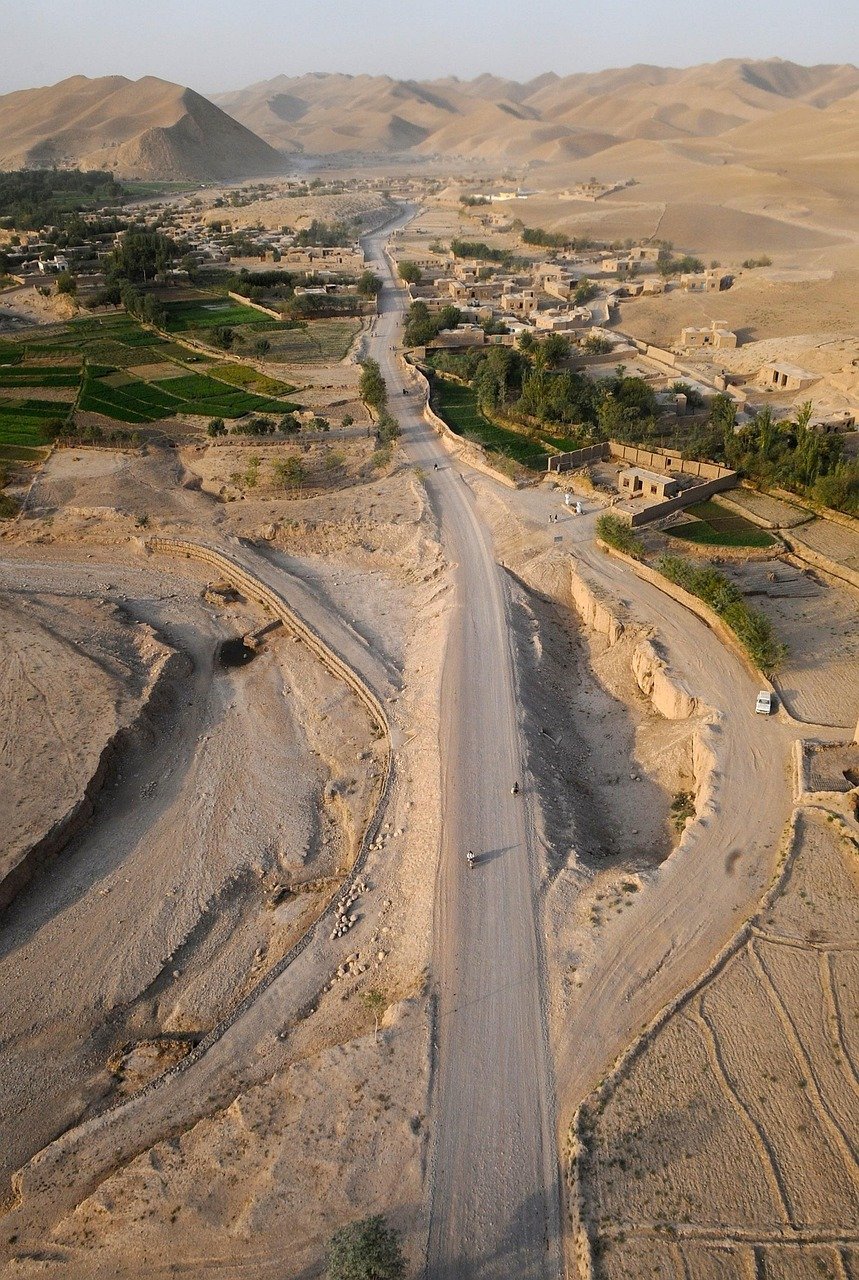
Urozgan, in central Afghanistan, is known for its rugged mountains, rural villages and strong local traditions. Its remote landscapes and historic sites offer a distinctive glimpse of the country's interior.