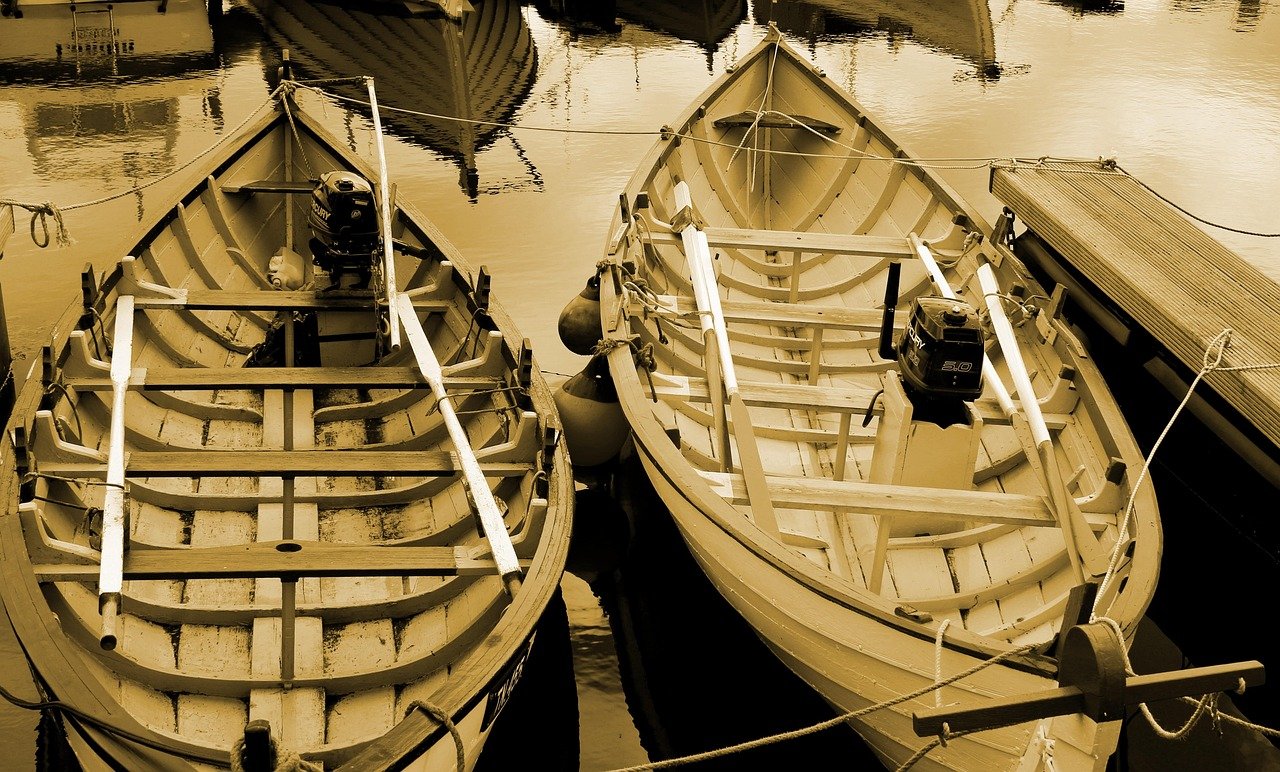
Faroe Islands
Remote, windswept and strikingly green, the Faroe Islands reward travellers with towering sea cliffs, cascading waterfalls, grass-roofed villages and a proud Nordic seafaring culture.
Passengers
Luggage
About Faroe Islands
The Faroe Islands are a self-governing archipelago in the North Atlantic, part of the Kingdom of Denmark. Spread across 18 mountainous islands, the territory combines dramatic coastal scenery, a mild oceanic climate and a strong Nordic identity, making it an appealing destination for nature-focused and independent travellers.
Tórshavn, among the world's smallest capitals, anchors the islands with its old quarter, harbour, cafés and cultural venues such as the Nordic House. Klaksvík, the second-largest town, and small settlements including Gjógv, Saksun, Gásadalur and the bird-rich island of Mykines offer a look at traditional Faroese village life.
The landscape is defined by steep basalt cliffs, fjords, sea stacks, waterfalls and grassy mountains, with Slættaratindur as the highest peak and sites such as Múlafossur waterfall and the cliffs at Vestmanna drawing hikers and photographers. Sheep farming, fishing and seabird colonies, including puffins, remain central to island life.
Fishing and aquaculture drive the economy, while tourism, music and festivals such as Ólavsøka add to the islands' international profile. Visitors come for hiking, birdwatching, photography and the chance to experience a compact, self-contained society between sea and sky.
Transport is well organised for an island nation, with Vágar Airport as the main gateway and an extensive network of subsea tunnels, roads, bridges and ferries linking most settlements. This makes it practical to travel between the airport, Tórshavn, other towns, hotels and outdoor destinations by bus, private transfer, rental car or, for remote islands, ferry and helicopter.
Country Information
Why Visit Faroe Islands?
Cliffside Scenery
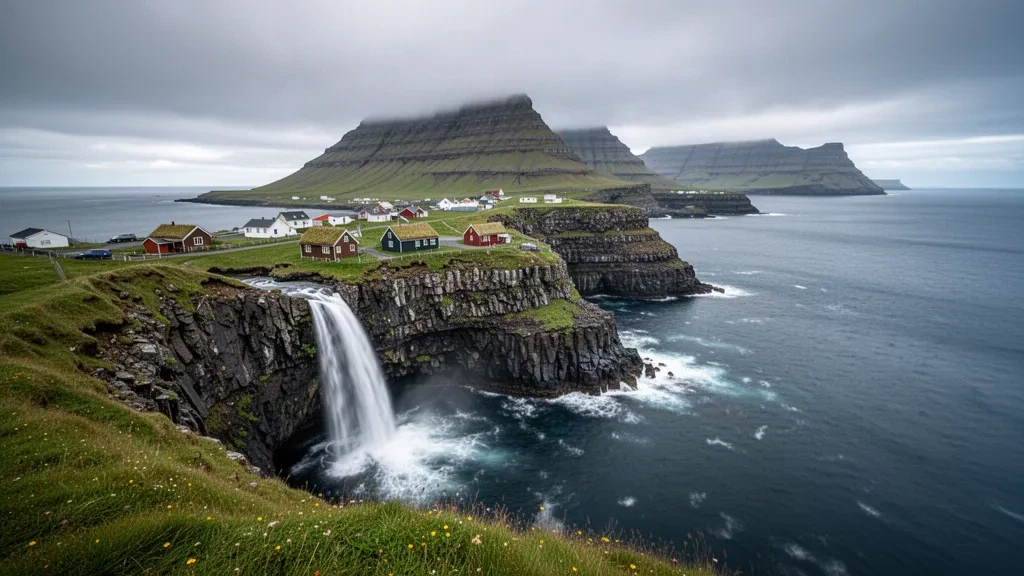
Towering sea cliffs, waterfalls and offshore sea stacks create some of Europe's most dramatic coastal landscapes.
Grass-Roofed Villages
Historic settlements such as Tórshavn, Gjógv and Saksun preserve turf-roofed houses and a calm island way of life.
Seabird Islands
Mykines and other cliffs shelter large colonies of puffins, gannets and other seabirds in a wild Atlantic setting.
Popular Cities in Faroe Islands
View all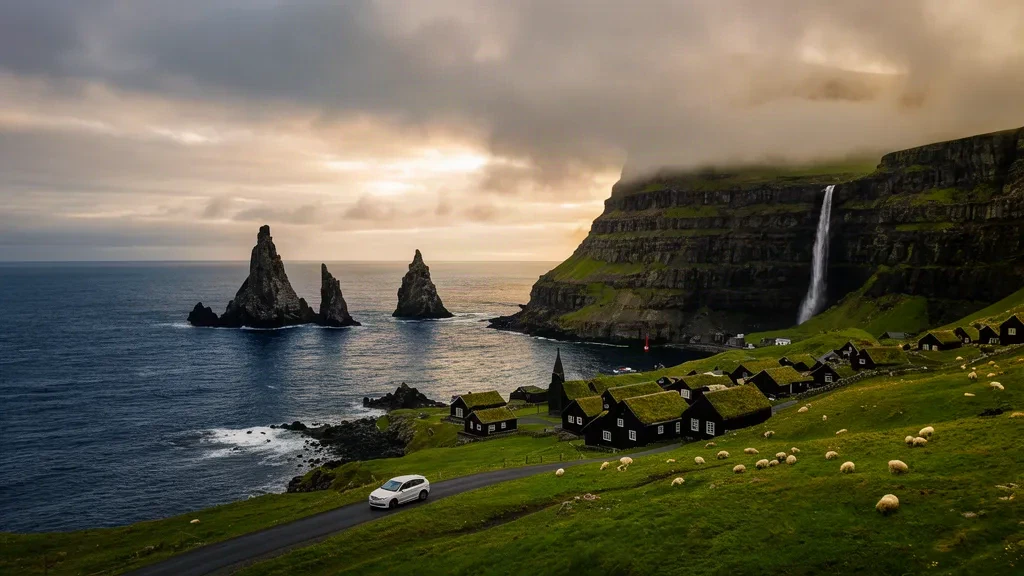
Vágar
Vágar is one of the Faroe Islands' most rugged and scenic destinations, known for the cliff-framed lake Sørvágsvatn and the quiet villages of Sørvágur, Miðvágur and Sandavágur. Its dramatic landscapes, coastal paths and central setting make it a rewarding base for exploring the archipelago.
Suðuroy
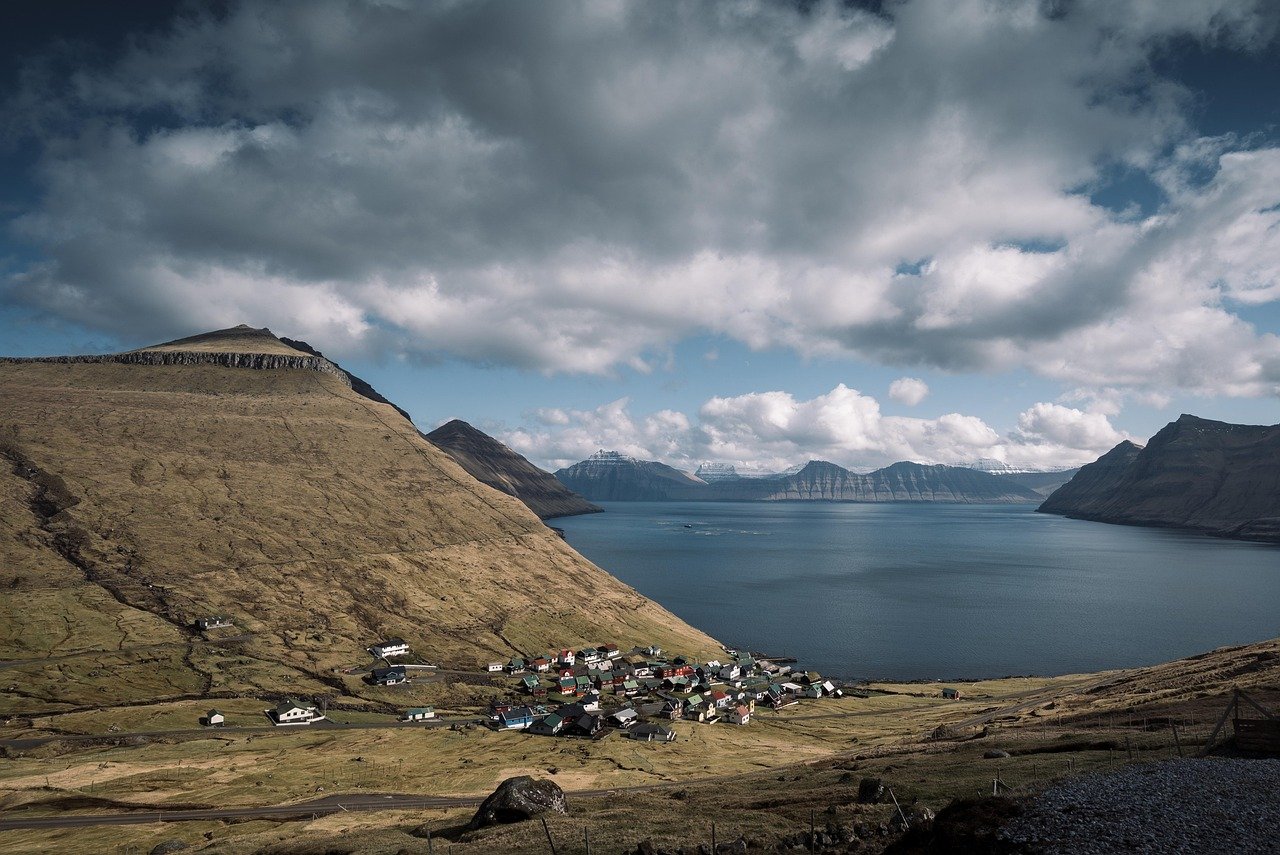
Suðuroy, the southernmost island in the Faroe Islands, is known for rugged sea cliffs, coastal villages and a quiet island lifestyle shaped by fishing and Nordic traditions.
Streymoy
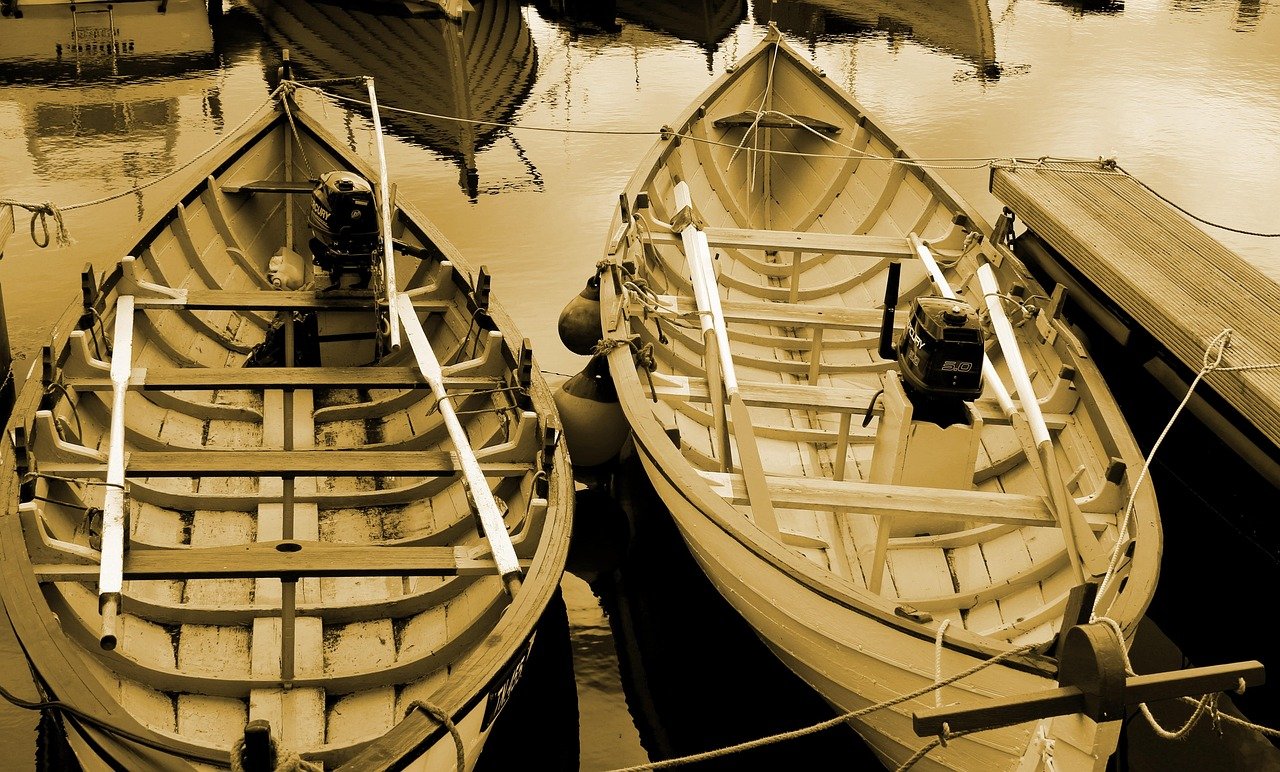
Streymoy, the Faroe Islands' largest island, is home to the capital Tórshavn and a mix of rugged coastlines, historic villages and a calm North Atlantic rhythm. Its landscapes, waterfront and traditional culture give the island a distinctive, understated appeal.
Sandoy
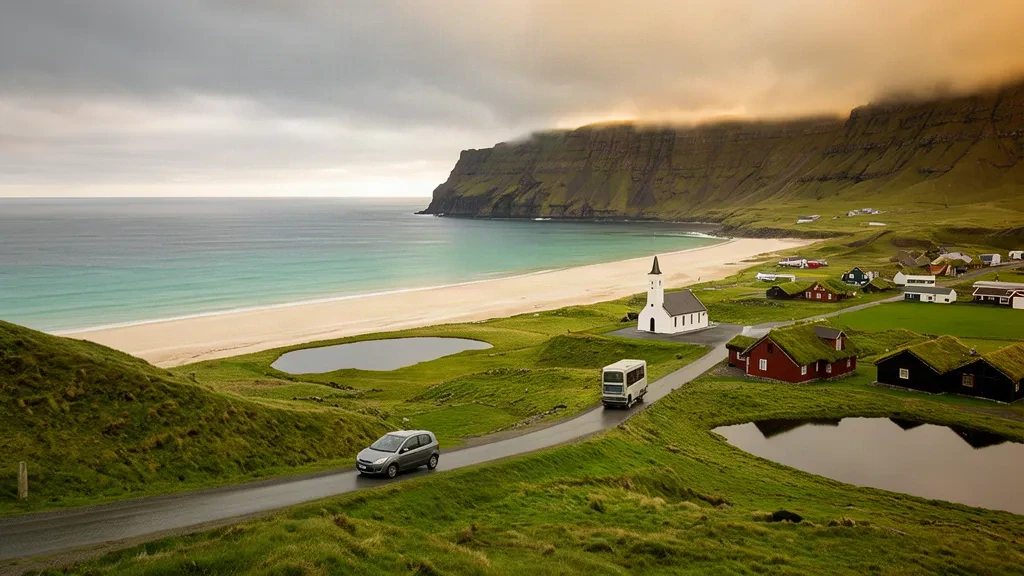
Sandoy, one of the Faroe Islands, is known for its sandy beaches, rolling green farmland and quiet villages that preserve a traditional North Atlantic way of life.
Travel Services in Faroe Islands
Transfers
Arrange private transfers between Vágar Airport, Tórshavn and other settlements across the islands' tunnels and roads.
Hourly Chauffeur
Book a chauffeur by the hour for flexible travel to business meetings, viewpoints, villages or events around the Faroe Islands.
Charter Bus
Organise buses or minibuses for groups, tours, events and airport connections across the islands.
Car Rental
Rent a car at Vágar Airport to explore subsea tunnels, villages and hiking trailheads at your own pace.
Travel Essentials
Frequently Asked Questions
Related Destinations
Jersey
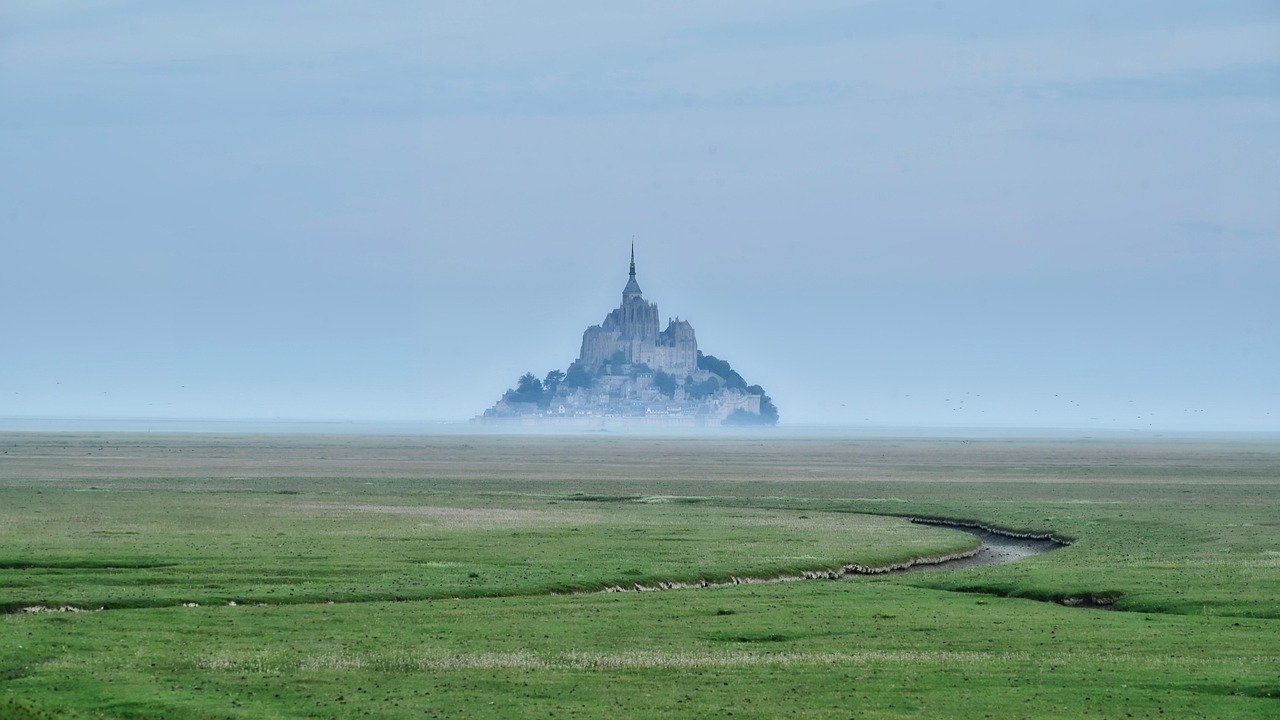
The largest of the Channel Islands, Jersey combines sandy bays, cliff paths and a lively harbour capital with a relaxed island character and a distinctive Norman-English heritage.
Zimbabwe
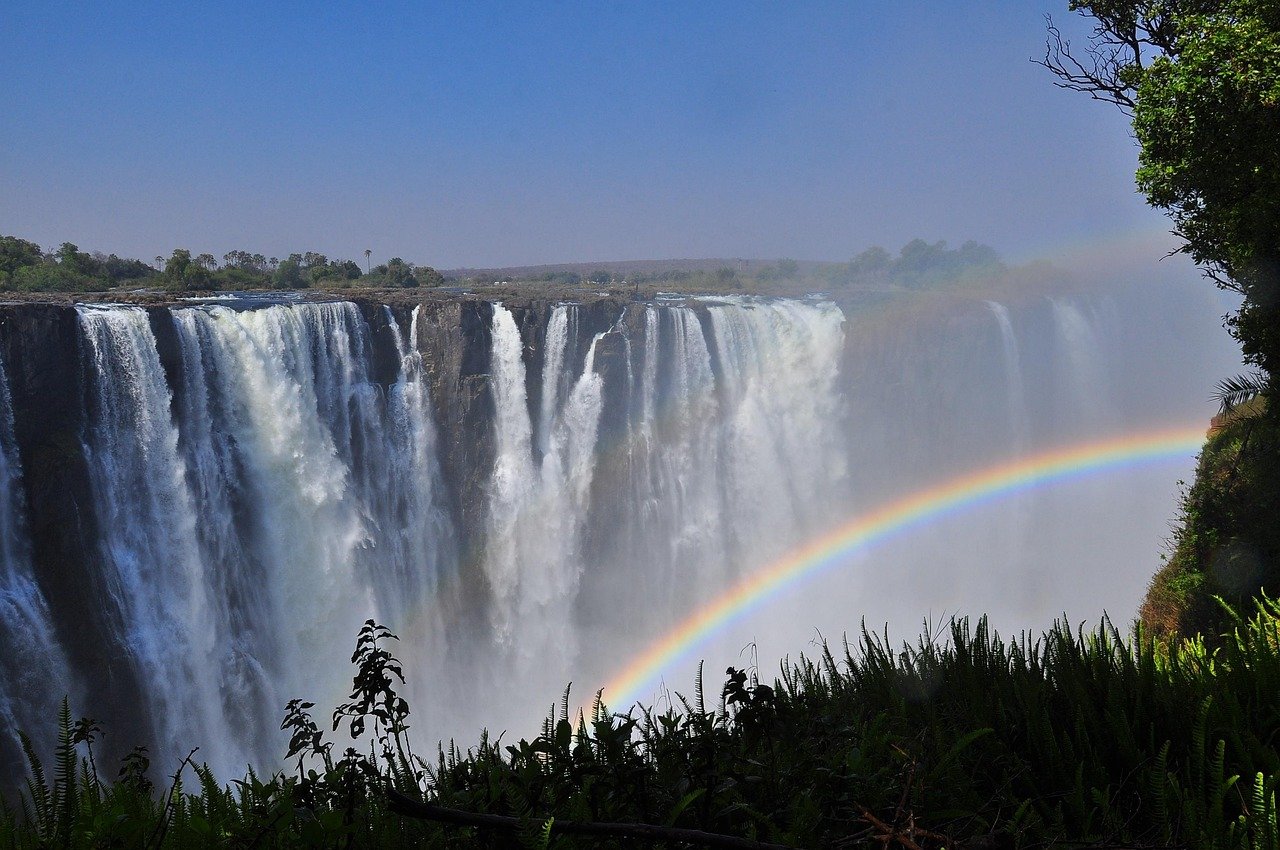
Zimbabwe blends one of Africa's great natural wonders, ancient stone cities and rich wildlife areas, with welcoming towns and a proud cultural heritage.
Zambia
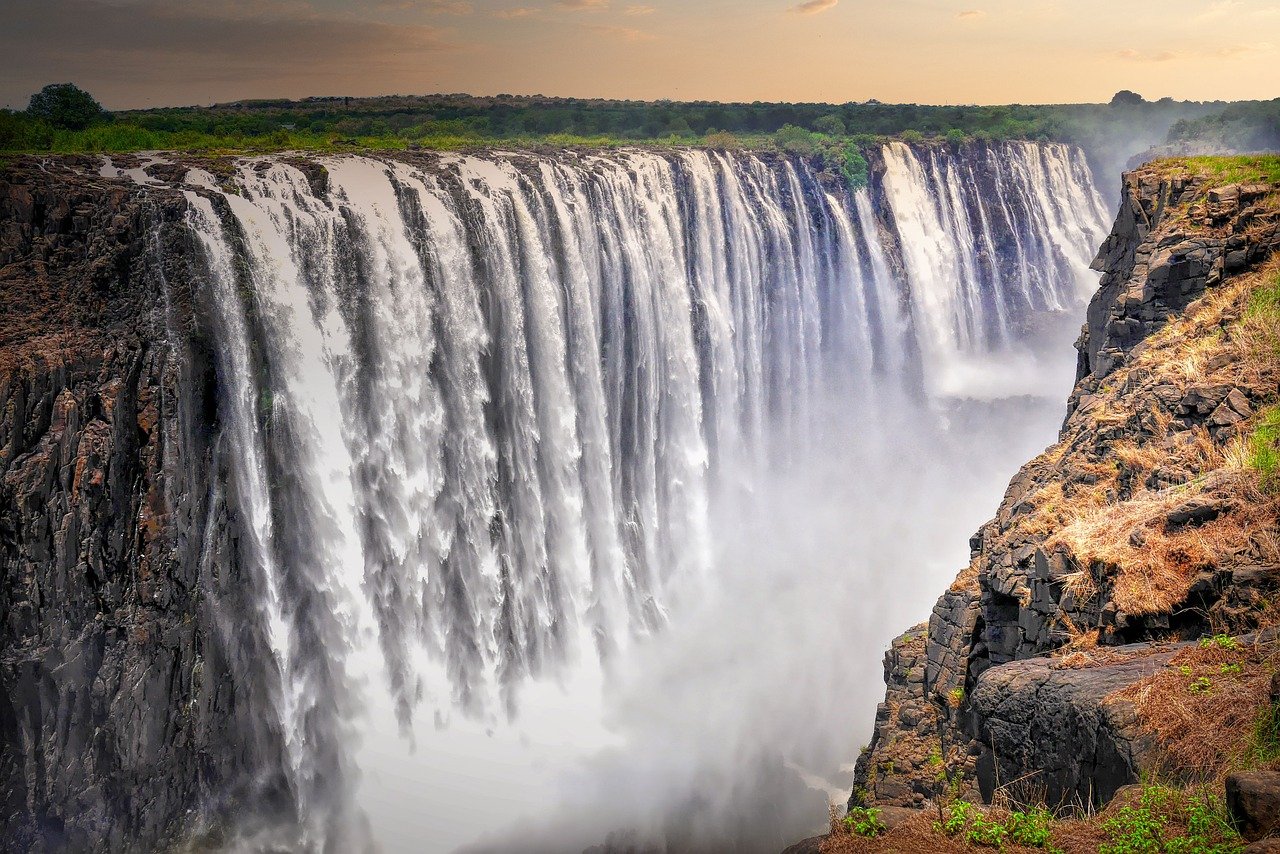
Zambia is a landlocked southern African country defined by the Victoria Falls, the Zambezi River and vast wildlife reserves, offering a genuine safari and nature experience.
Yemen
Yemen pairs ancient mudbrick cities, rugged highlands, coastal plains and the otherworldly island of Socotra, creating one of the Arabian Peninsula's most distinctive cultural landscapes.