Suðuroy
Suðuroy, the southernmost island in the Faroe Islands, is known for rugged sea cliffs, coastal villages and a quiet island lifestyle shaped by fishing and Nordic traditions.
Passengers
Luggage
About Suðuroy
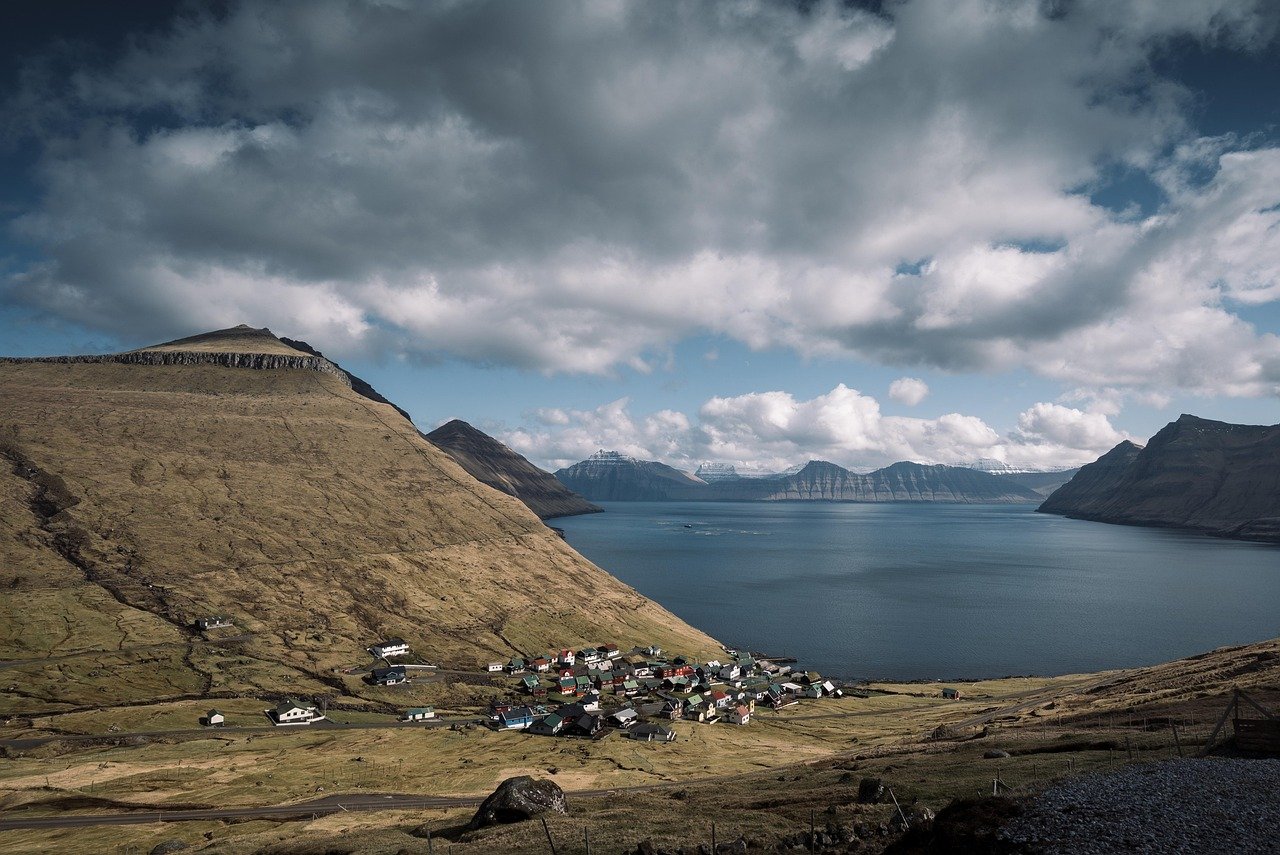
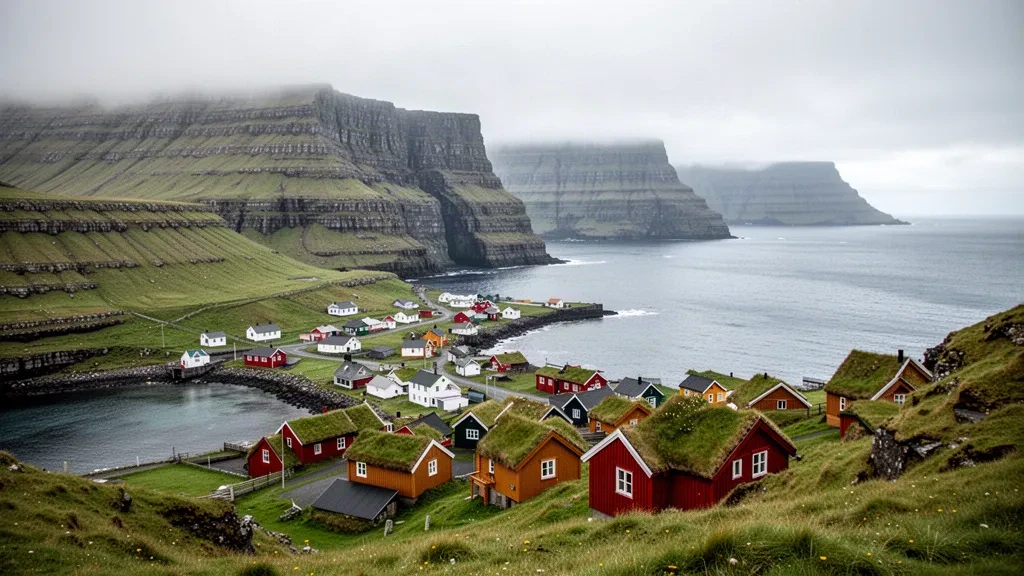
Suðuroy is the southernmost island in the Faroe Islands, a rugged and sparsely populated island known for dramatic sea cliffs, remote villages and a deep maritime and fishing heritage. It offers a quieter, nature-focused alternative to the capital Tórshavn.
The island's landscape is defined by steep mountains, green valleys and the Atlantic coast. Beinisvørð, a towering sea cliff near Sumba, is one of the most striking viewpoints, while the Akraberg lighthouse marks the southern tip and basalt columns near Froðba reveal the island's volcanic origins. Coastal paths and marked trails make Suðuroy a rewarding destination for hiking and birdwatching.
Tvøroyri and Vágur are the two main towns and cultural centres. Tvøroyri has historic merchant buildings and the ferry terminal at Krambatangi, while Vágur is known for its church and the Ruth Smith Art Museum. Smaller villages such as Hvalba, with its coal-mining history, and Fámjin, where the original Faroese flag is kept in the local church, add local character.
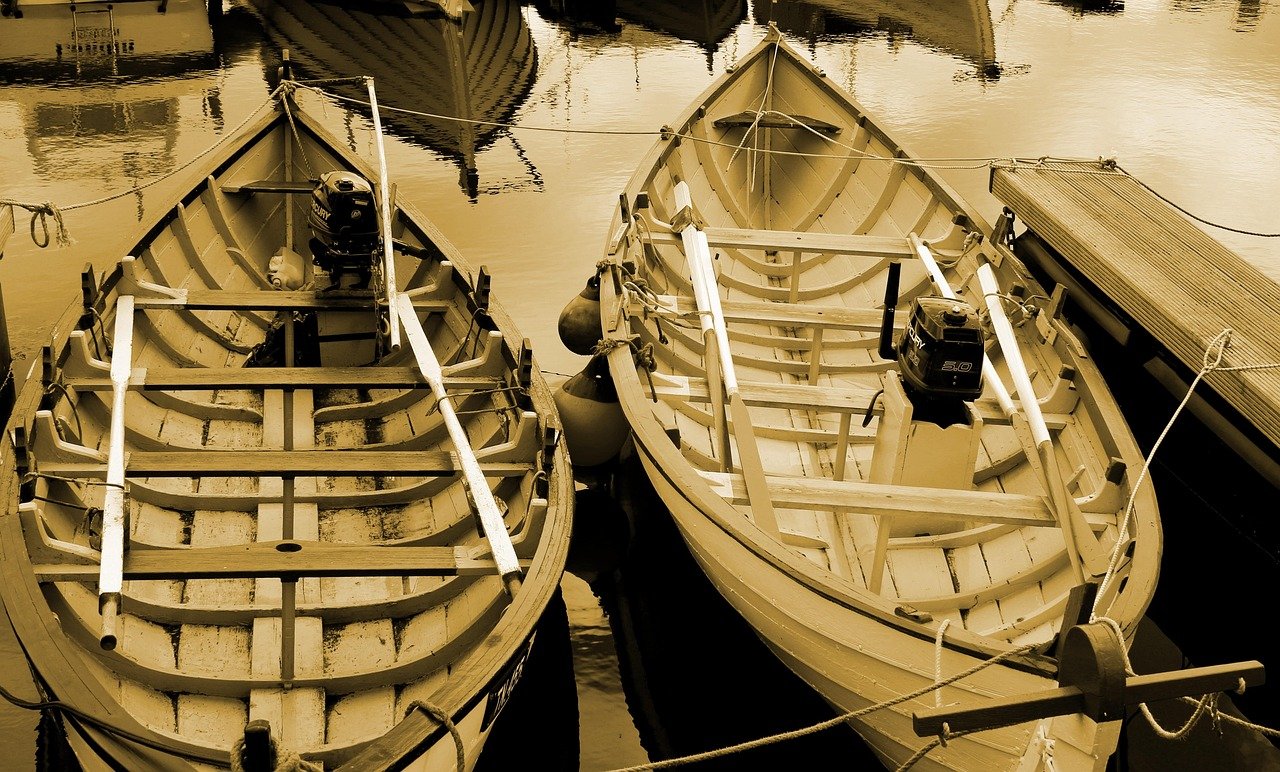
Community life revolves around fishing, fish farming and seasonal events. The Jóansøka festival in Tvøroyri in late June brings boat races, music and family gatherings, and local cafés and restaurants serve fish, lamb and traditional Faroese dishes.
For travellers, Suðuroy combines slow-paced outdoor experiences with practical connections. The Smyril ferry links the island to Tórshavn, and a heliport at Froðba offers flights to Tórshavn and Vágar Airport, making the island accessible for both leisure visitors and those with business in the Faroe Islands.
Suðuroy Travel Guide
Best Time to Visit
Summer, from June to August, offers the longest days, green hills and events such as the Jóansøka festival in late June. Spring and early autumn are quieter but still suitable for hiking, while winter brings short days and changeable Atlantic weather.
How to Get Around
Suðuroy is reached by the Smyril ferry from Tórshavn, which docks at Krambatangi near Tvøroyri. On the island, local buses connect the main villages, and a car gives more freedom to reach Sumba, Hvalba and other coastal settlements.
Where to Stay
Most accommodation is concentrated in Tvøroyri and Vágur, with hotels, guesthouses and holiday apartments. Smaller villages also offer bed-and-breakfasts and cottages for travellers who want a quieter base close to hiking and coastal scenery.
Food & Drink
Local cooking centres on fresh fish, shellfish and Faroese lamb, often served in small restaurants and cafés in Tvøroyri and Vágur. Visitors can also try traditional fermented foods and buy local produce at village shops and seasonal events.
Ground Transportation Services in Suðuroy
Airport Transfers
Meet flights at Vágar Airport and travel by private transfer to Tórshavn's ferry terminal, then continue with the Smyril ferry to Krambatangi on Suðuroy.
Hourly Chauffeur
Book a private chauffeur by the hour for sightseeing along the coast, visits to Sumba and Beinisvørð, business trips or flexible travel between villages on Suðuroy.
Car Rental
Rent a car at Vágar Airport or in Tórshavn and take it on the Smyril ferry for independent travel around Suðuroy's villages, hiking trailheads and coastal viewpoints.
Bus & Group Transfers
Arrange minibuses or charter coaches for groups arriving by ferry or helicopter, including tours, corporate visits, events and transport between Suðuroy's main towns.
Frequently Asked Questions
Related Cities in Faroe Islands
View all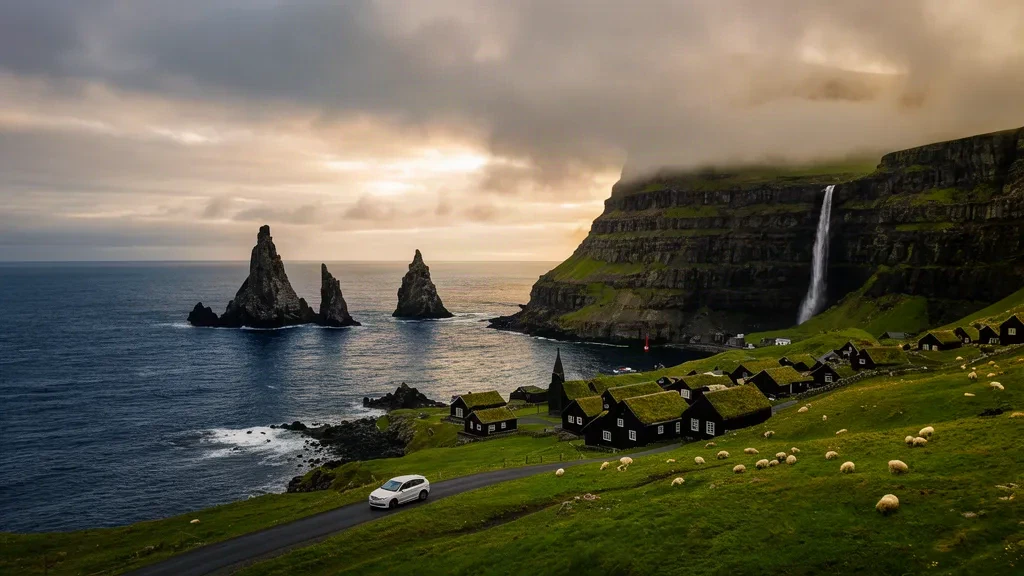
Vágar
Vágar is one of the Faroe Islands' most rugged and scenic destinations, known for the cliff-framed lake Sørvágsvatn and the quiet villages of Sørvágur, Miðvágur and Sandavágur. Its dramatic landscapes, coastal paths and central setting make it a rewarding base for exploring the archipelago.
Streymoy
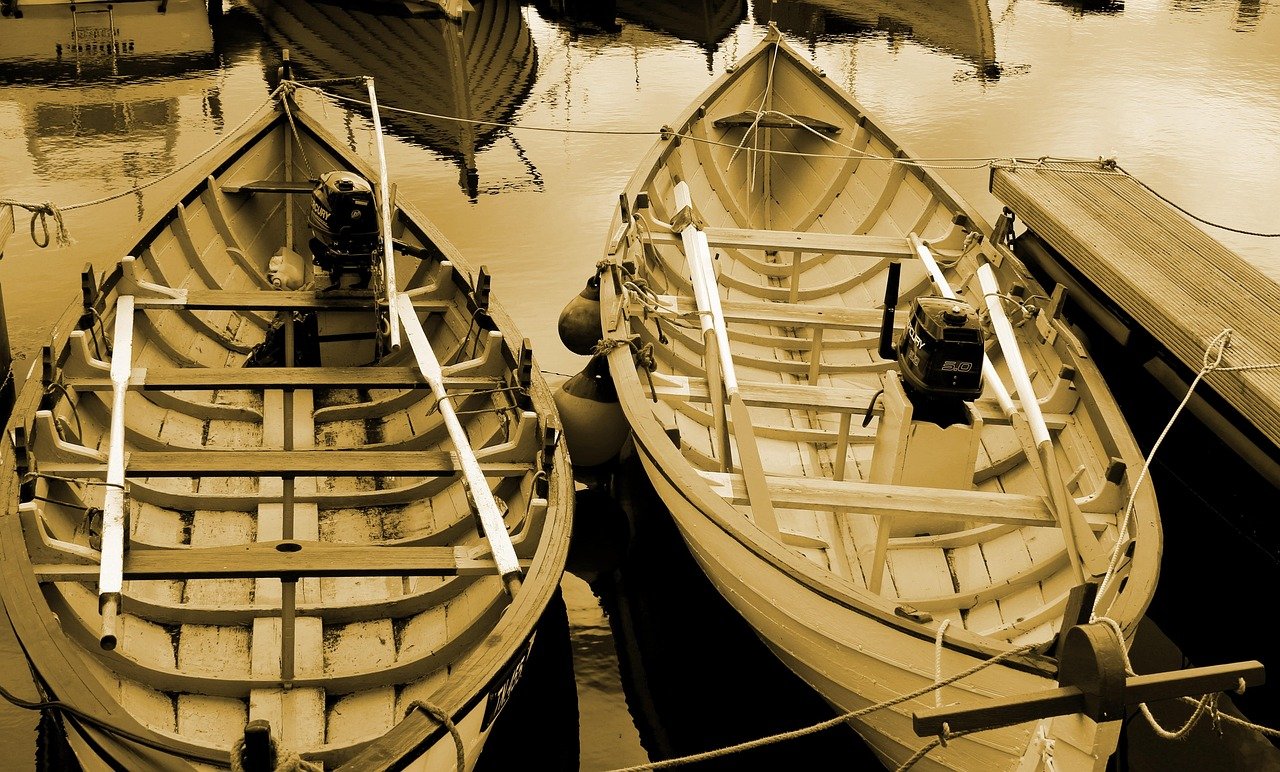
Streymoy, the Faroe Islands' largest island, is home to the capital Tórshavn and a mix of rugged coastlines, historic villages and a calm North Atlantic rhythm. Its landscapes, waterfront and traditional culture give the island a distinctive, understated appeal.
Sandoy
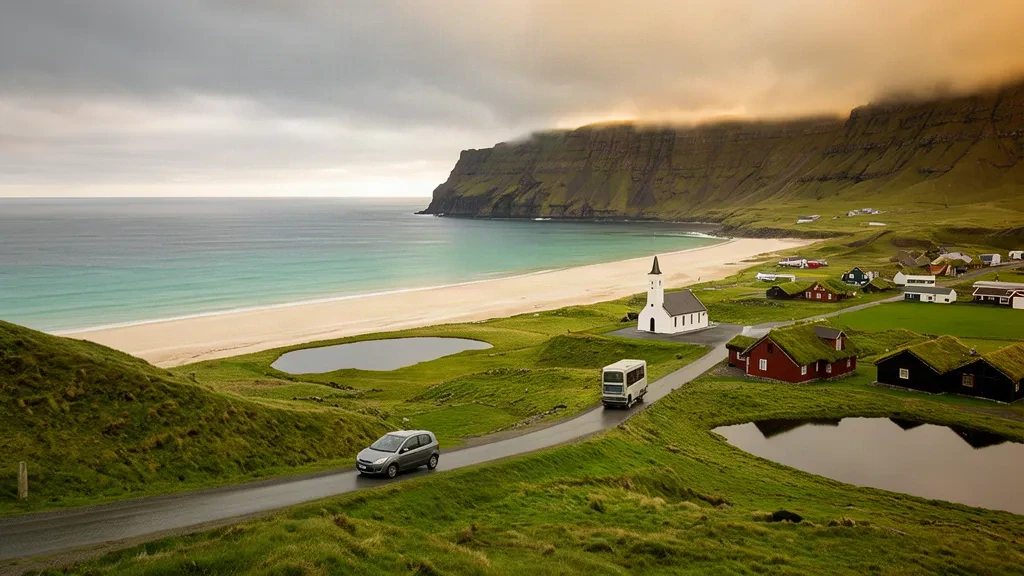
Sandoy, one of the Faroe Islands, is known for its sandy beaches, rolling green farmland and quiet villages that preserve a traditional North Atlantic way of life.