Western
Western, in Zambia, is known for the vast Barotse Floodplain, rich Lozi traditions and the annual Kuomboka ceremony.
Passengers
Luggage
About Western
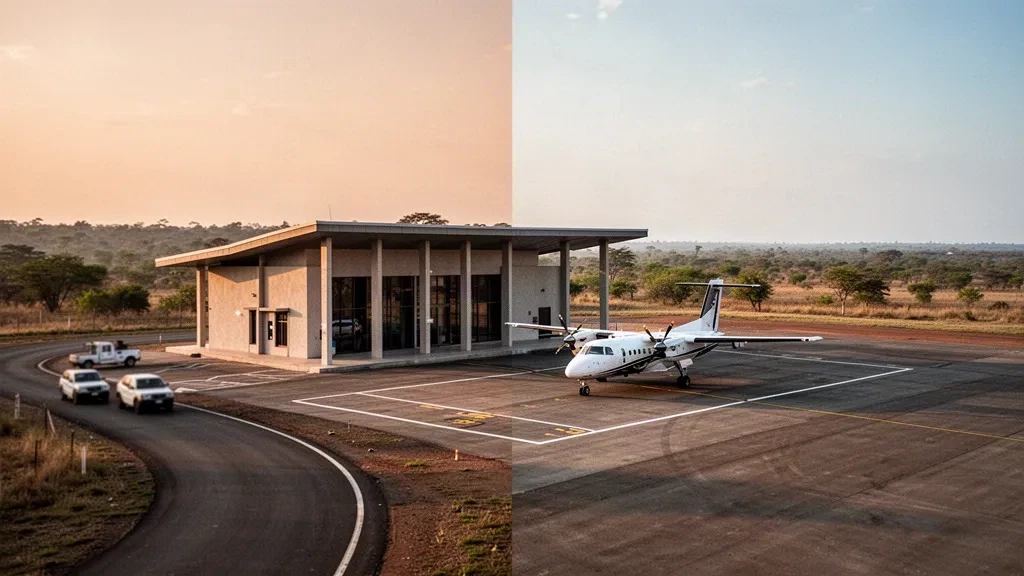
Mongu is the provincial capital of Western Province, Zambia, and the traditional home of the Lozi people. Set on the edge of the vast Barotse Floodplain of the upper Zambezi River, the town is shaped by the annual rise and fall of the floodwaters that surround its low-lying royal villages.
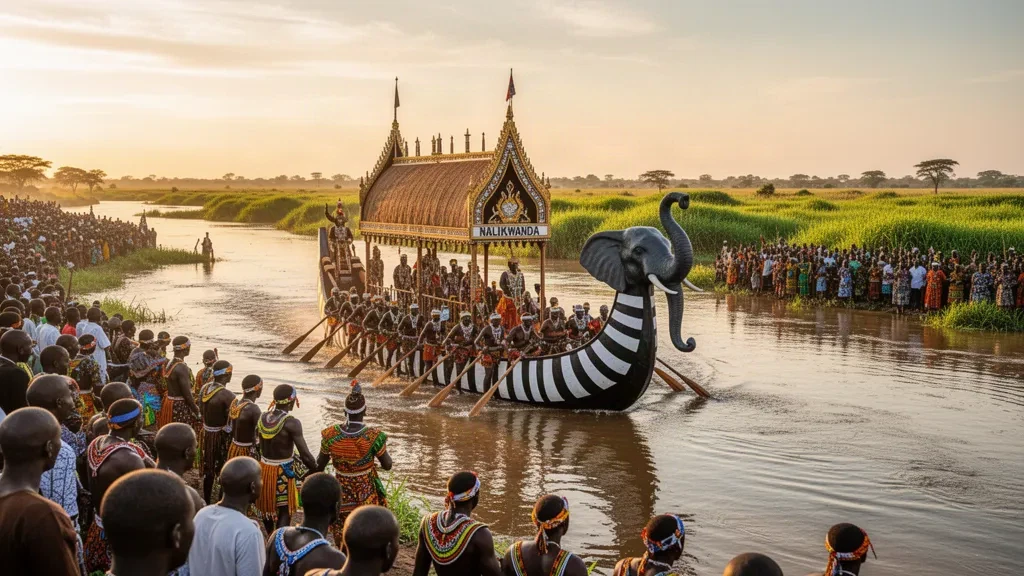
The Kuomboka ceremony is Mongu's best-known cultural event, when the Litunga, the Lozi king, travels by the large Nalikwanda barge from the flooded palace at Lealui to higher ground at Limulunga. This royal migration, usually held in late March or April, draws visitors to witness drumming, paddling and ceremony rooted in centuries of Lozi tradition.
Around town, the central market offers fish, rice, mangoes and woven baskets, while Mongu Cathedral and the provincial administration buildings reflect the town's role as a regional centre. Beyond Mongu, the Barotse Floodplain opens onto fishing and farming communities, and Liuwa Plain National Park offers seasonal wildebeest migration and remote safari experiences within reach of the town.
Rice, fish and mangoes anchor the local economy, and Mongu serves as a trading and administrative hub connected by road to Lusaka and toward Namibia. For both leisure and business travellers, the town offers a rare view of wetland culture, royal tradition and an evolving provincial capital in western Zambia.
Western Travel Guide
Best Time to Visit
The dry season from May to October offers the most reliable road conditions for exploring Mongu and the surrounding plains. The Kuomboka ceremony, usually held in late March or April, is a spectacular time to witness Lozi royal tradition as the Litunga moves from the flooded plains to higher ground.
How to Get Around
Within Mongu, taxis and shared minibuses serve the town centre and nearby areas, while walking is practical for central districts. For trips to the Barotse Floodplain, Kalabo, Limulunga or Liuwa Plain National Park, a private vehicle or 4x4 is useful because many rural roads are sandy and can become difficult in the rainy season.
Where to Stay
Most accommodation in Mongu is concentrated in the town centre, with guesthouses and a few lodges offering practical bases for business and ceremony visitors. Travellers heading to Liuwa Plain National Park often combine a night in Mongu with tented camps or lodges closer to the park.
Food & Drink
Local meals centre on nshima served with fresh fish such as tiger fish, vegetables or meat. Mongu is known for rice, mangoes and fish from the Zambezi floodplain, and the town's markets and small restaurants are the best places to sample everyday Lozi cooking.
Ground Transportation Services in Western
Airport Transfers
Arrange reliable transport between Mongu Airport (MNR) and hotels, guesthouses, business venues and other destinations in and around Mongu.
Hourly Chauffeur
Book a private chauffeur by the hour for business meetings, government or NGO visits, ceremony events and flexible sightseeing around Mongu and Western Province.
Car Rental
Rent a car or 4x4 in Mongu for independent travel to the Barotse Floodplain, Kalabo, Limulunga, Liuwa Plain National Park and other nearby destinations.
Bus & Group Transfers
Organise minibuses or charter buses for group travel, corporate trips, airport transfers, Kuomboka ceremony visits and tours in the Mongu area.
Frequently Asked Questions
Related Cities in Zambia
View all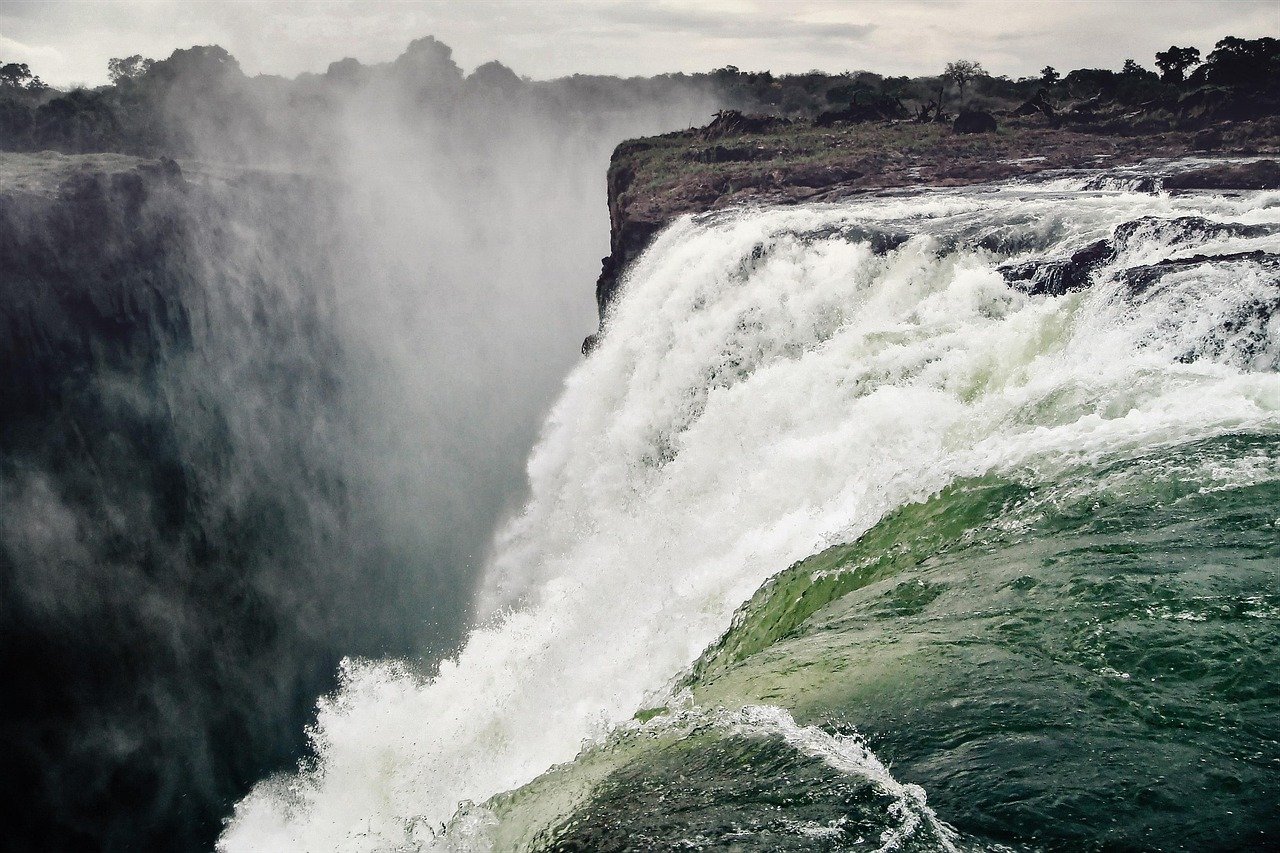
Livingstone
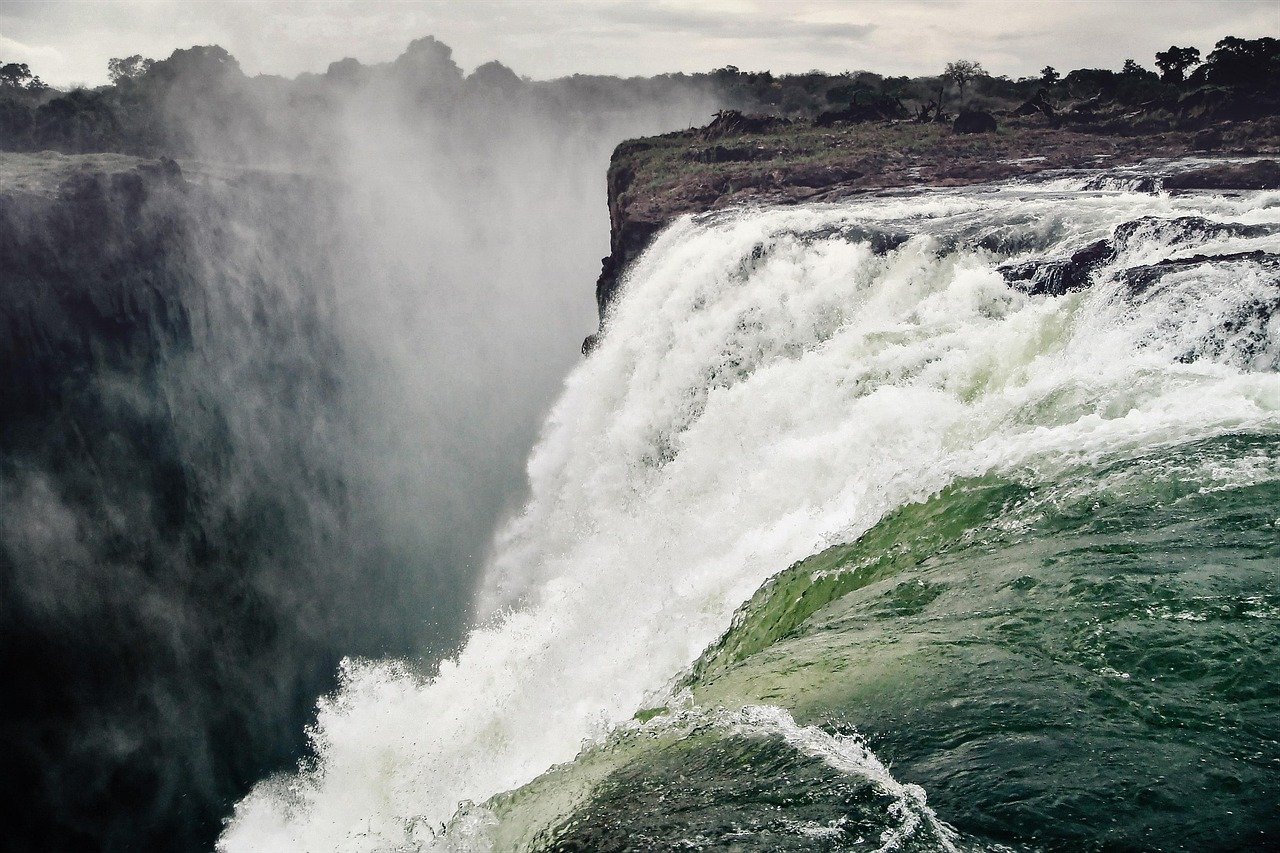
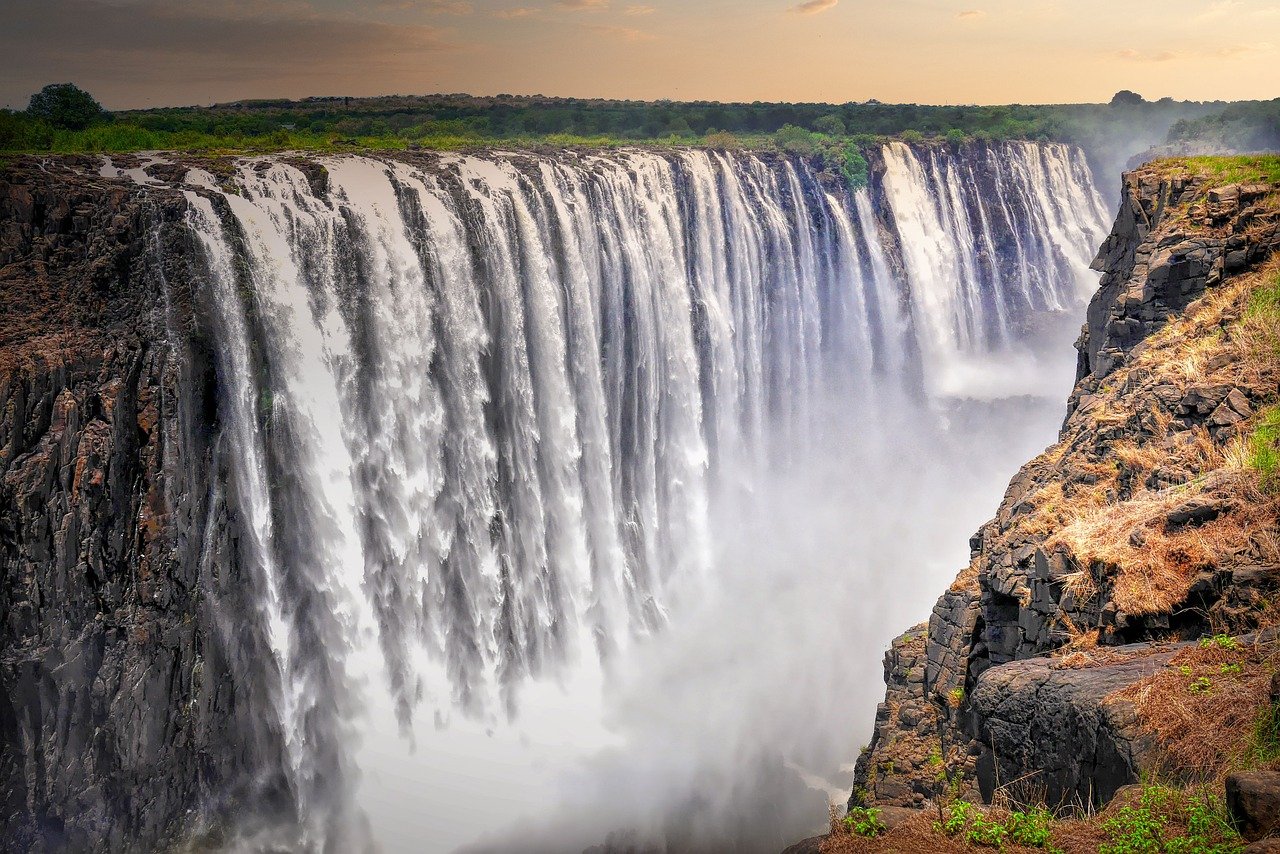
Livingstone sits beside the Zambezi River and Victoria Falls, pairing dramatic natural scenery with a relaxed frontier town atmosphere, colonial-era landmarks and easy access to wildlife adventures.
Solwezi
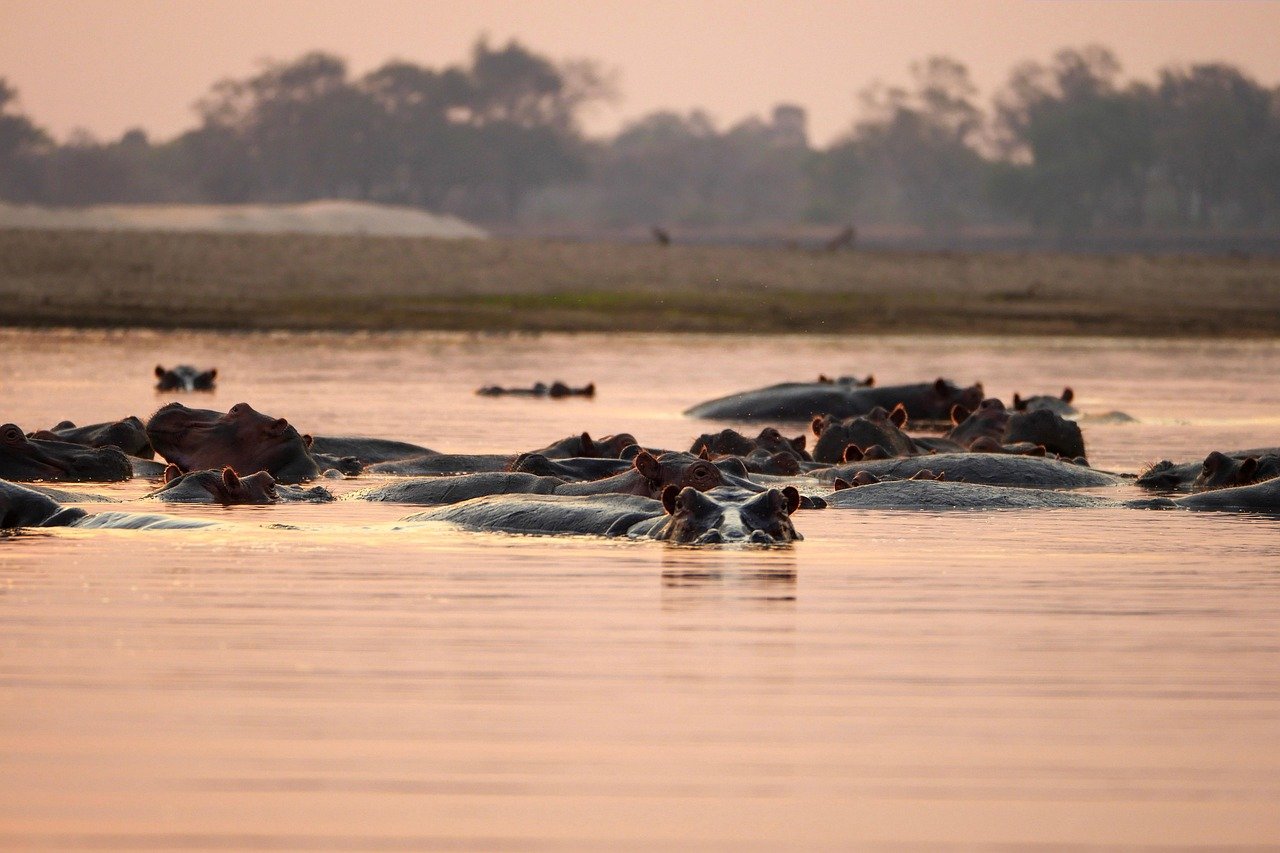
Solwezi, the capital of Zambia's North-Western Province, is a fast-growing mining town and regional hub surrounded by miombo woodland, with a busy market and access to Kansanshi Mine and nearby natural attractions.
Kasama
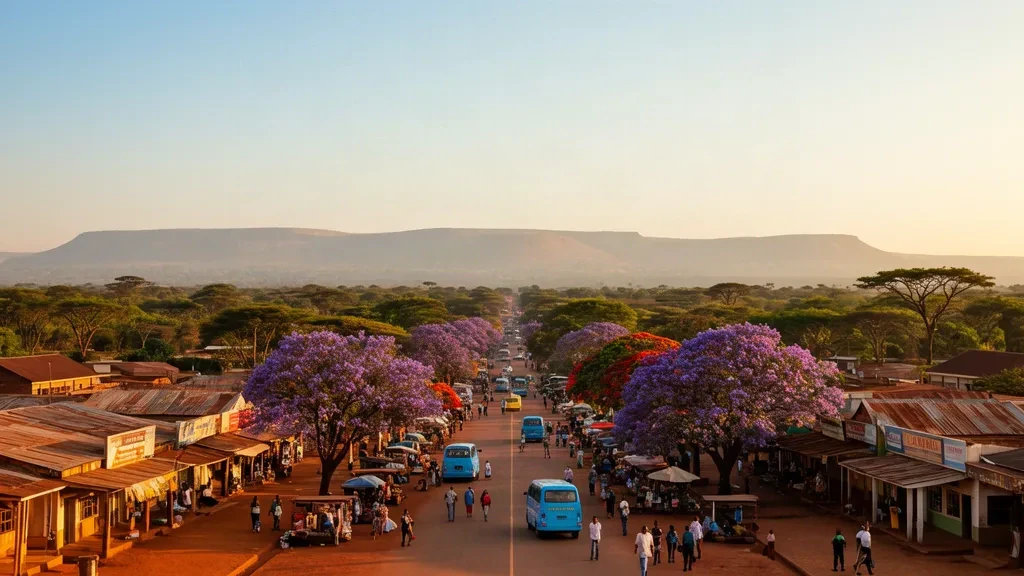
Kasama, the capital of Zambia's Northern Province, blends local markets, colonial-era landmarks and a welcoming cultural scene with easy access to northern Zambia's landscapes. It is a practical base for travellers exploring the region.