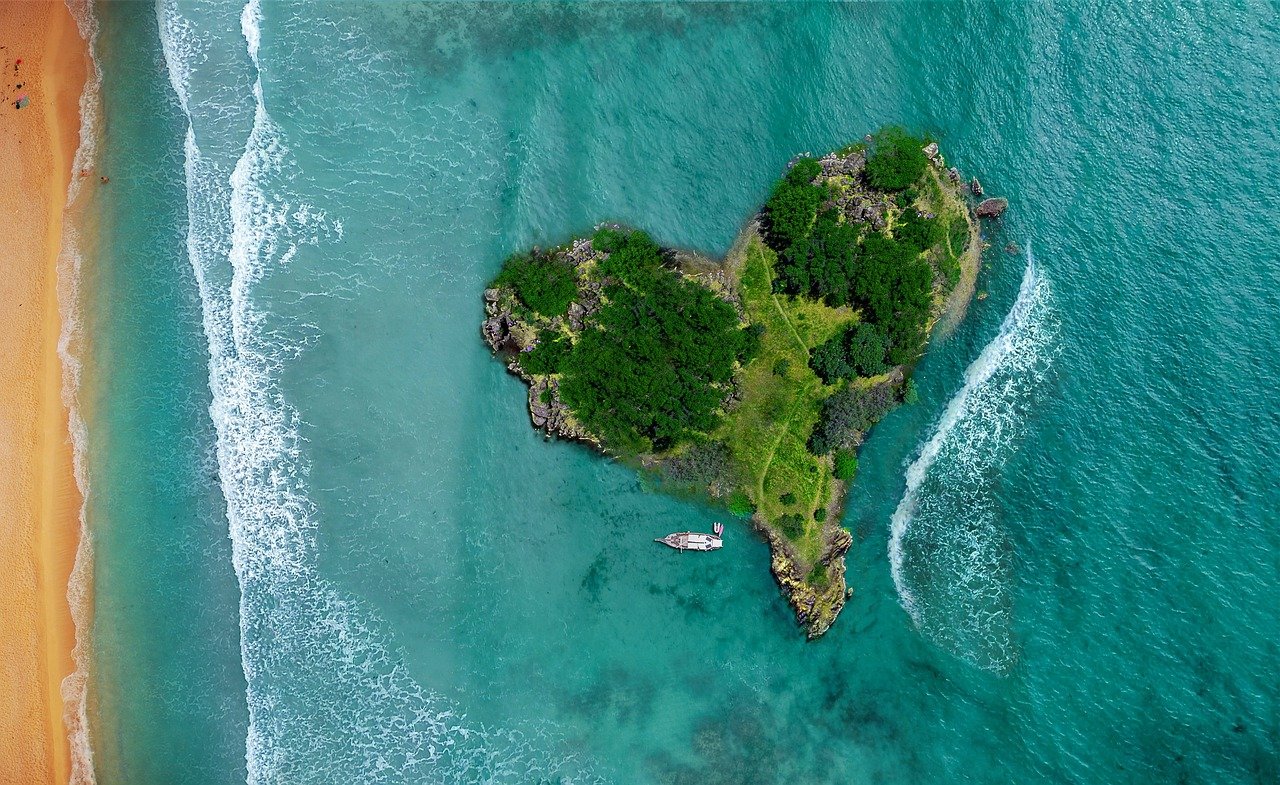
Uvea
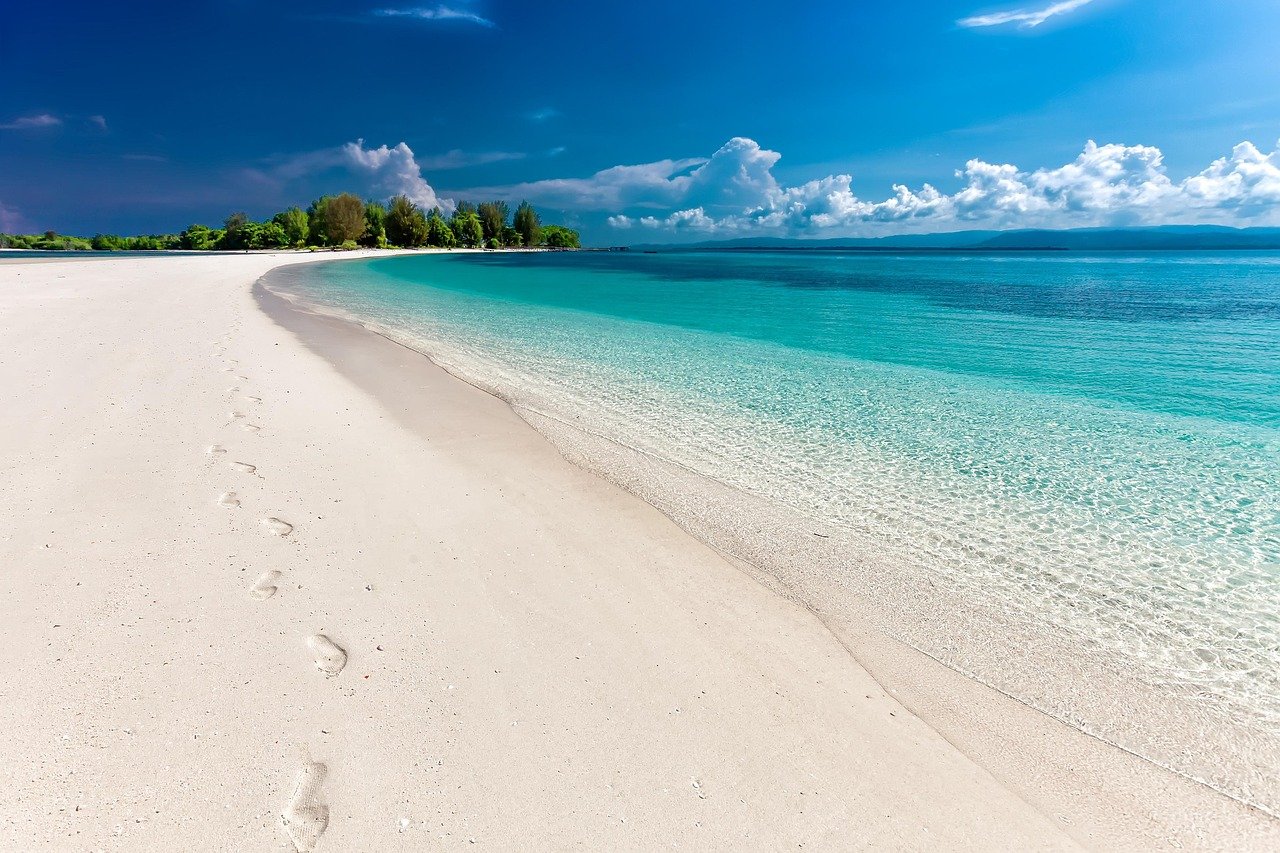
Uvea, the main island of Wallis and Futuna, blends traditional Polynesian culture, French colonial heritage and landmarks such as Mata-Utu Cathedral with lagoon scenery and a relaxed island atmosphere.
Passengers
Luggage
About Uvea
Uvea, commonly known as Wallis Island, is the main island of the French overseas collectivity of Wallis and Futuna in the South Pacific. Its capital and largest settlement is Mata-Utu, a compact administrative centre on the island's east coast overlooking a broad lagoon.
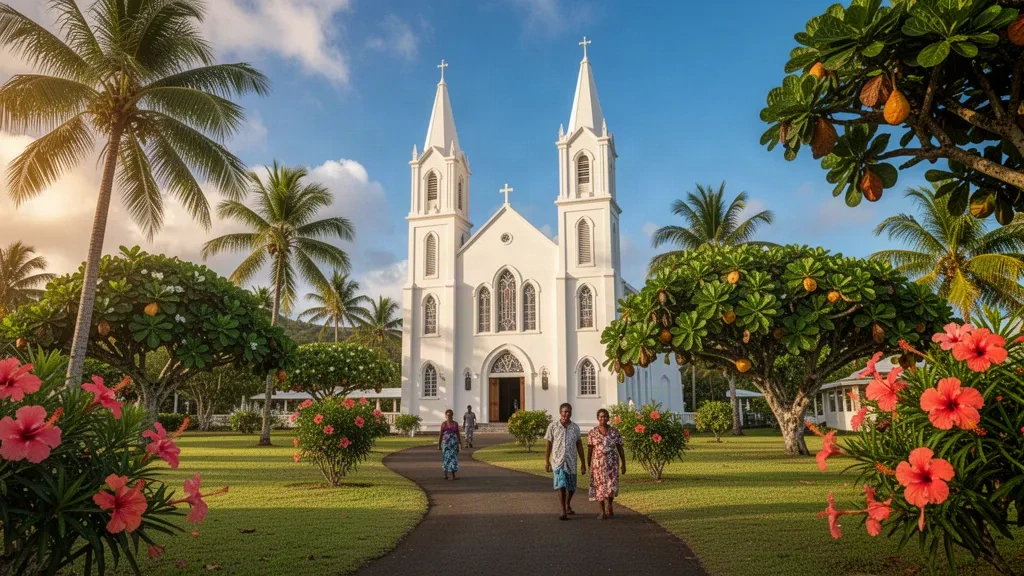
The island is the centre of the customary kingdom of Uvea and is divided into three districts: Hihifo in the north, Hahake in the middle and Mu'a in the south. Mata-Utu's landmarks include the Cathedral of Our Lady of the Assumption, a French national monument built from volcanic stone, and the nearby Uvea Royal Palace.
Beyond the capital, Uvea is known for its circular crater lake Lalolalo and the restored Tongan fortifications of Talietumu and Tonga Toto, which reflect the island's Tongan influence. Coastal villages, small churches and a fringing coral lagoon shape much of the island's quiet, low-rise landscape.
Daily life centres on the public sector, fishing, small trade and a strong Catholic and customary calendar. Visitors can attend Sunday church services, browse the Mata-Utu market and try Polynesian staples such as taro, yams, breadfruit and lagoon fish, alongside French-influenced breads and cafés.
Uvea appeals mainly to travellers seeking an uncrowded Pacific island experience and cultural tourism, while Mata-Utu serves as the practical base for administration, banking and business in the territory. Its relaxed pace, lagoon and archaeological sites make it distinctive among Pacific destinations.
Uvea Travel Guide
Best Time to Visit
The drier, cooler months from May to October are the most comfortable time to visit Uvea, with less humidity and generally stable weather. The wet season from November to April brings more rain, heat and a higher risk of tropical cyclones, although temperatures remain warm all year.
How to Get Around
Uvea has no public bus service in and around Mata-Utu. Visitors usually rent a car to follow the island road between districts, use taxis or private transfers for shorter trips, and explore the compact centre of Mata-Utu on foot.
Where to Stay
Accommodation on Uvea is limited and mostly made up of small hotels and guesthouses in Mata-Utu and nearby coastal villages. Staying in Mata-Utu gives easy access to the cathedral, harbour, shops and services, while quieter coastal stays suit travellers who prefer the lagoon.
Food & Drink
Uvea's food combines Polynesian staples such as taro, yams, breadfruit, coconut and fresh lagoon fish with French influences including baguettes and cafés. The Mata-Utu market is a good place to buy local produce, and communal Sunday feasts and kava gatherings are part of island social life.
Ground Transportation Services in Uvea
Airport Transfers
Airport transfers connect Hihifo Airport, about 5.6 km from Mata-Utu, with hotels, guesthouses and villages around Uvea.
Hourly Chauffeur
Book a private chauffeur by the hour for flexible island sightseeing to Lake Lalolalo and Talietumu, business meetings, events and travel around Uvea.
Car Rental
Rent a car in Mata-Utu to explore Uvea's island road, lagoon viewpoints, archaeological sites and coastal villages at your own pace.
Bus & Group Transfers
Arrange minibuses or charter buses for groups travelling between Hihifo Airport, Mata-Utu and other parts of Uvea, including tours, events and community occasions.
Frequently Asked Questions
Related Cities in Wallis and Futuna Islands
View all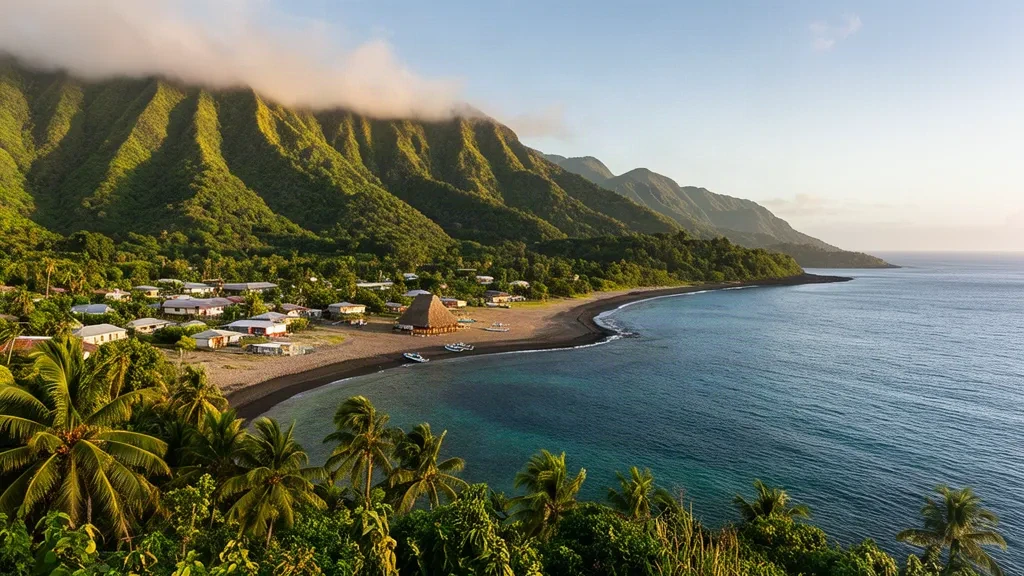
Sigave
Sigave, on the island of Futuna in Wallis and Futuna, is a traditional Polynesian chiefdom whose villages, historic churches and rugged volcanic scenery offer a quiet, culturally rich Pacific escape.
Alo
Alo is a traditional Polynesian chiefdom on Futuna, where coastal villages, volcanic hills and enduring customs shape daily life.