Sigave
Sigave, on the island of Futuna in Wallis and Futuna, is a traditional Polynesian chiefdom whose villages, historic churches and rugged volcanic scenery offer a quiet, culturally rich Pacific escape.
Passengers
Luggage
About Sigave
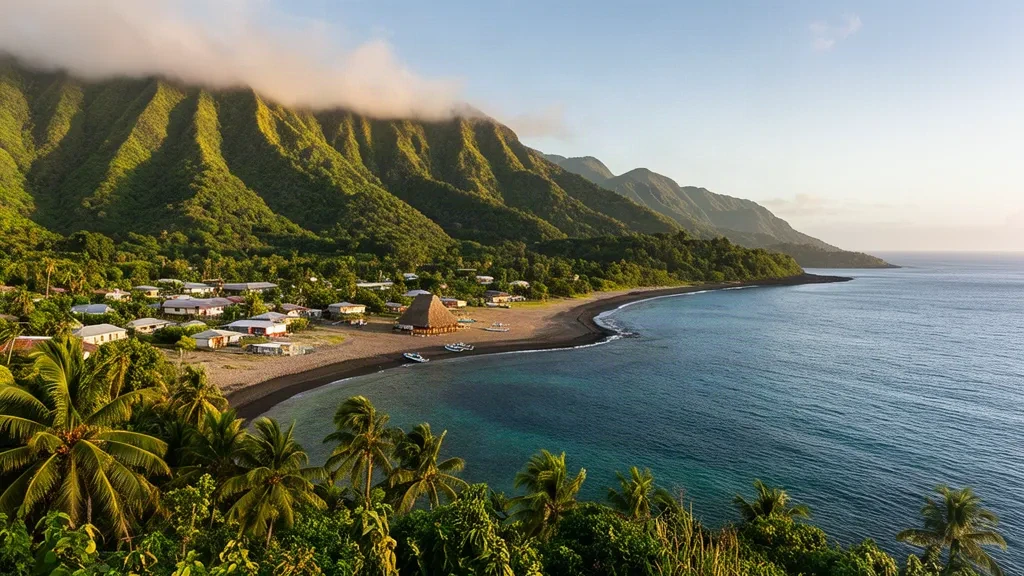
Sigave is one of the three traditional chiefdoms of Wallis and Futuna, a French overseas collectivity in the South Pacific. It covers the western part of Futuna and centres on Leava, a small coastal village on Sigave Bay that serves as the chiefdom's administrative centre and main settlement.
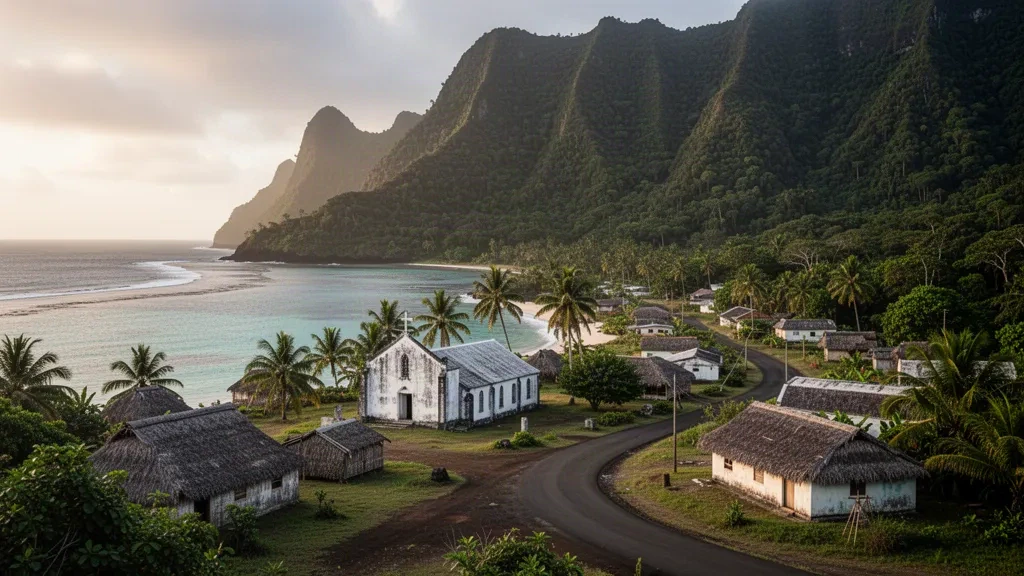
The chiefdom remains strongly tied to Futunan custom and Catholic life. Its six villages include Leava, Fiua, Nuku, Tavai, Toloke and Vaisei, and Fiua is home to the Sigave royal palace. Local church buildings, customary ceremonies and village gatherings shape daily life, while kava and tauasu social meetings keep traditional exchange and storytelling alive.
Futuna's volcanic landscape gives Sigave a rugged, green backdrop. Visitors come to see Leava Bay and its wharf, follow the island's coastal road past villages and churches, and hike or enjoy views toward Mont Puke, also known as Singavi, the highest point in Wallis and Futuna. The coast near Toloke also offers a quieter setting for snorkelling and diving.
Sigave is small and unhurried, with limited tourism infrastructure and a local economy based on subsistence agriculture, fishing, administration and village services. It appeals mainly to travellers interested in Polynesian culture, nature and slow travel, as well as business visitors and officials working with local customary and French administrative institutions. Access is via Futuna's Pointe Vele Airport, reached through connecting flights from Wallis.
Sigave Travel Guide
Best Time to Visit
The drier, cooler season from May to October is generally the most comfortable time to visit Sigave. The wetter months from November to April bring higher humidity, heavy rain and a risk of tropical cyclones.
How to Get Around
Sigave and the rest of Futuna are linked by the island's main coastal road, which passes through Leava and the other villages. Visitors typically get around by rental vehicle, taxi or pre-arranged private transfer, while short walks are easy within villages.
Where to Stay
Accommodation is limited and mostly small-scale, with guesthouses and a few lodges concentrated around Leava and coastal villages such as Toloke. Book ahead and confirm arrangements before travelling to Futuna.
Food & Drink
Futunan meals centre on fish, seafood, taro, yam, breadfruit and coconut, often prepared in a traditional earth oven. Dining options are modest, with local guesthouses, small shops and occasional village feasts providing the main food experiences.
Ground Transportation Services in Sigave
Airport Transfers
Pre-arranged transfers connect Pointe Vele Airport with Leava, Fiua, Toloke and other villages in Sigave, giving travellers a reliable way to reach accommodation and local destinations.
Hourly Chauffeur
A private chauffeur can be booked by the hour for exploring Futuna's coastal villages, attending customary events, handling administrative visits or travelling between Sigave and other parts of the island.
Car Rental
Renting a vehicle offers independent travel along Futuna's coastal road, including visits to Sigave's villages, viewpoints and the airport, but availability is limited and advance booking is recommended.
Bus & Group Transfers
Minibuses and charter vehicles can be arranged for group transfers between Pointe Vele Airport, Leava and other Sigave villages, as well as for cultural events, island tours and school or church groups.

Frequently Asked Questions
Related Cities in Wallis and Futuna Islands
View all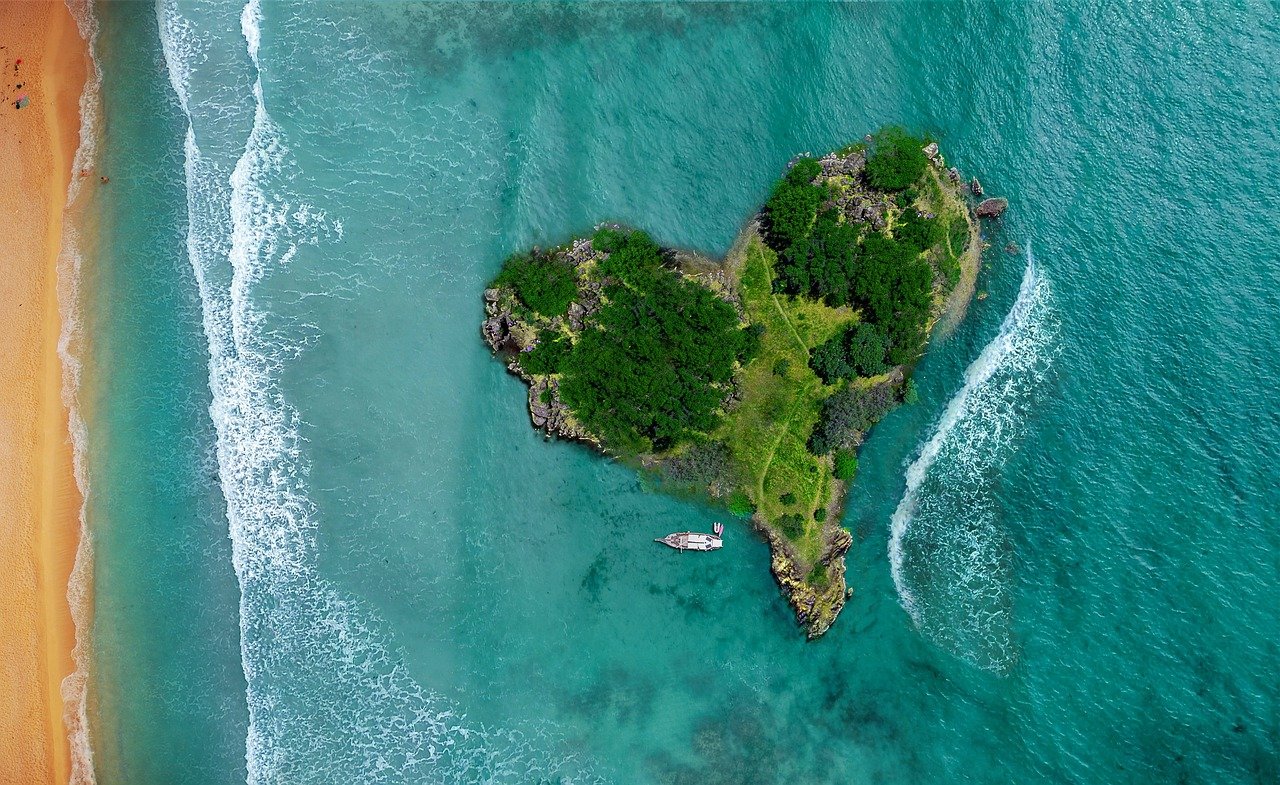
Uvea
Uvea, the main island of Wallis and Futuna, blends traditional Polynesian culture, French colonial heritage and landmarks such as Mata-Utu Cathedral with lagoon scenery and a relaxed island atmosphere.
Alo
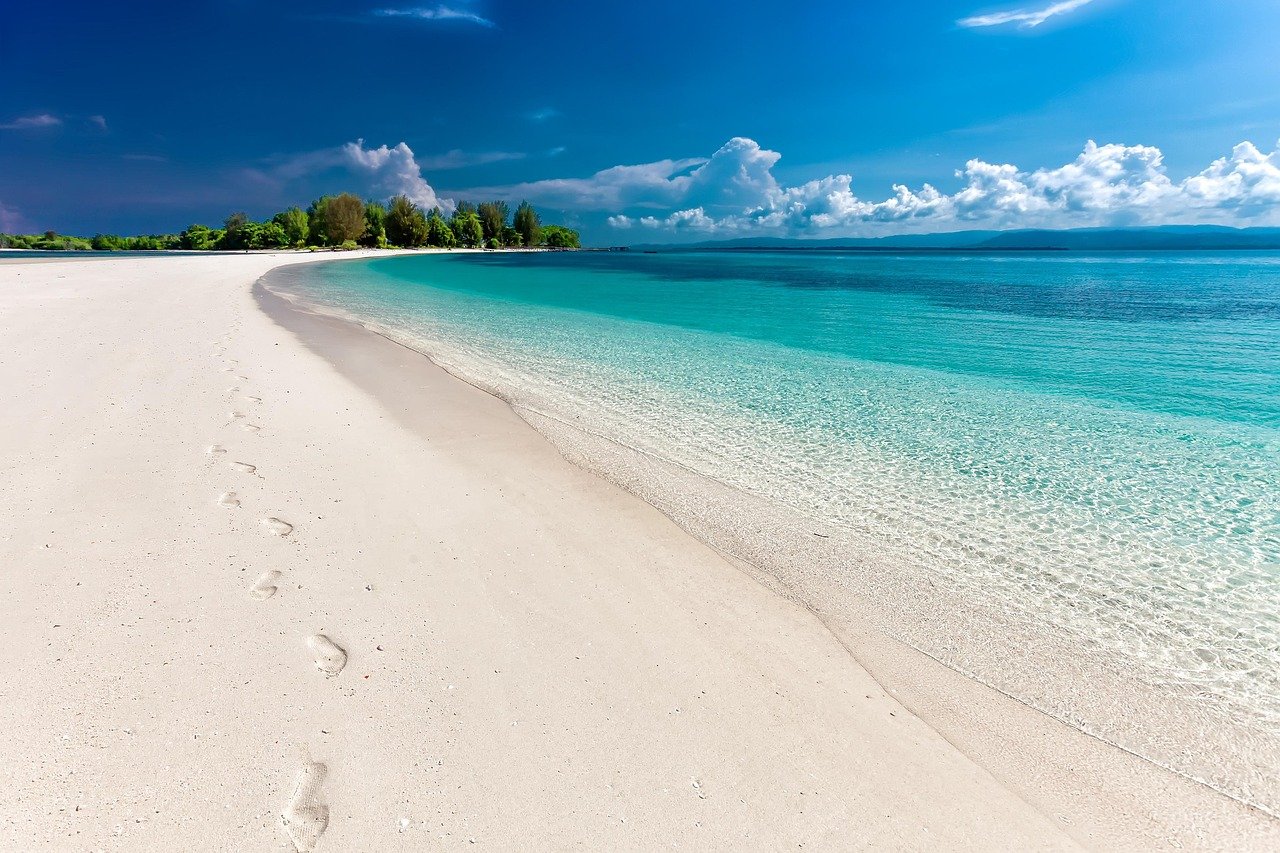
Alo is a traditional Polynesian chiefdom on Futuna, where coastal villages, volcanic hills and enduring customs shape daily life.