Falcón
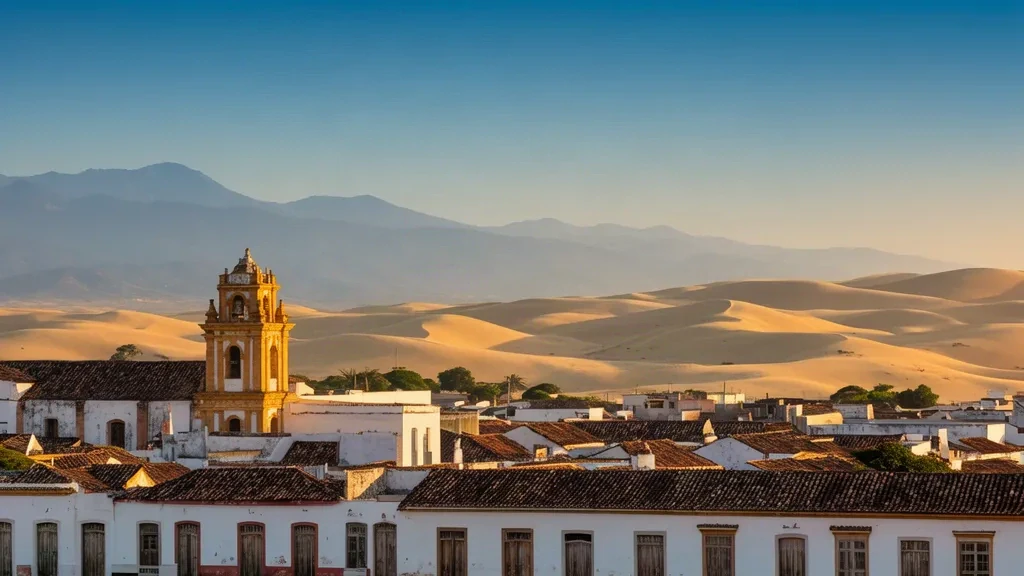
Falcón, in northwestern Venezuela, blends colonial heritage, desert landscapes and Caribbean coastline, with Coro as its historic capital.
Passengers
Luggage
About Falcón
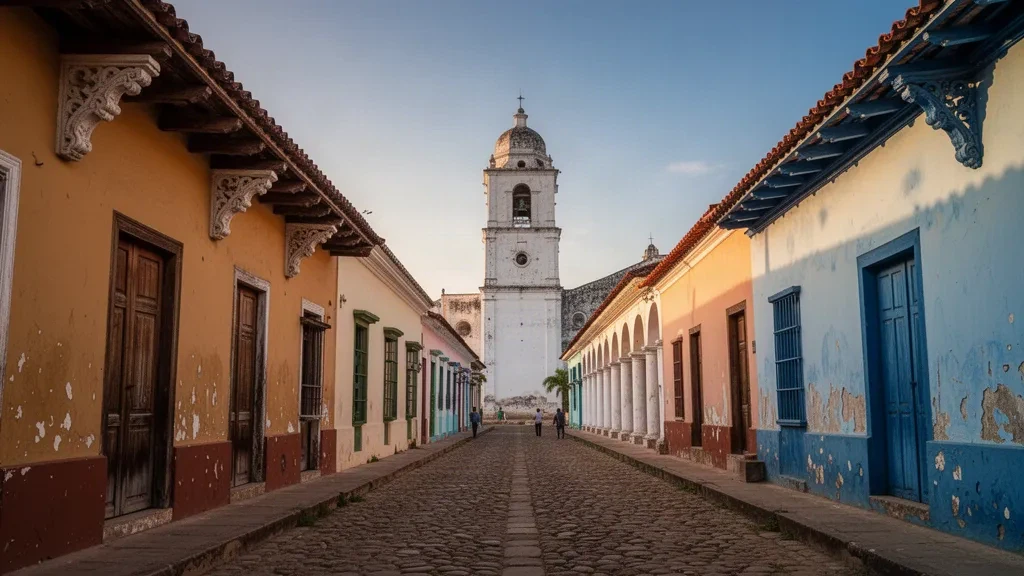
Coro, also known as Santa Ana de Coro, is the capital of Falcón state and one of Venezuela's oldest surviving cities. Founded in 1527, it served as the country's first capital and remains an important cultural and administrative centre in the northwest. Its well-preserved colonial centre was inscribed as Venezuela's first UNESCO World Heritage Site in 1993.
The city is known for its distinctive earthen colonial architecture, which blends indigenous, Spanish and Dutch influences. Key landmarks include the Cathedral of Coro, the Casa de las Ventanas de Hierro with its ornate iron windows, the Balcón de los Arcaya and the historic streets around Plaza Bolívar. Nearby, the port town of La Vela de Coro adds another UNESCO-listed historic quarter on the Caribbean coast.
Coro sits on a coastal plain between the sand dunes of Médanos de Coro National Park and the foothills of the Sierra de Coro. The dunes, shaped by constant trade winds, are among the region's most distinctive natural attractions, while the Paraguaná Peninsula offers beaches, the Cerro Santa Ana hill and salt flats within easy reach.
As the administrative capital of Falcón, Coro hosts government offices, universities and regional businesses. The nearby Paraguaná Peninsula is home to one of the world's largest oil refining complexes, making the area relevant for business travellers alongside its tourism appeal. Local life centres on the historic centre, markets, plazas and a food culture that mixes coastal seafood, goat dishes and Caribbean influences.
For visitors, Coro offers a rare combination of colonial heritage, desert landscapes and access to the Caribbean coast. Both leisure travellers and business visitors use the city as a gateway to Falcón's historic sites, beaches and industrial centres.
Falcón Travel Guide
Best Time to Visit
The dry season from December to April offers the most reliable weather for exploring Coro's historic centre, dunes and beaches. The city is warm and windy year-round, while most rain falls between October and December.
How to Get Around
Coro's compact historic centre is easy to explore on foot. Public buses, shared carros por puesto and taxis connect the wider city, while rental cars are useful for reaching La Vela de Coro, the Médanos and the Paraguaná Peninsula.
Where to Stay
The historic centre is convenient for colonial landmarks, museums and local restaurants. Hotels along Avenida Manaure and nearby avenues offer easy access to the city, while La Vela de Coro provides a quieter coastal base and Punto Fijo suits business-focused stays.
Food & Drink
Coro's food scene features coastal seafood, arepas, empanadas and regional dishes such as talkarí de chivo, a goat curry associated with Falcón. Local markets, bakeries and restaurants serve Venezuelan favourites alongside sweet treats made from local fruit.
Ground Transportation Services in Falcón
Airport Transfers
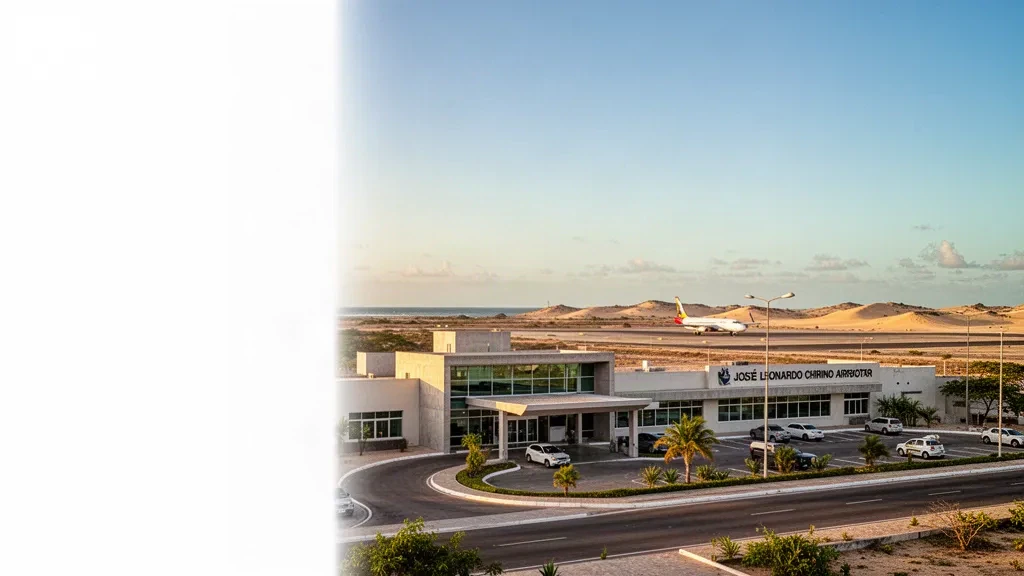
Travel between José Leonardo Chirino Airport and Coro's historic centre, hotels, La Vela de Coro, Punto Fijo and other destinations across Falcón.
Hourly Chauffeur
Book a private chauffeur by the hour for business meetings, events, city sightseeing and flexible travel around Coro and the Paraguaná Peninsula.
Car Rental
Rent a car in Coro for independent travel to the Médanos de Coro, the beaches of the Paraguaná Peninsula and other nearby destinations.
Bus & Group Transfers
Arrange minibuses or charter buses for groups, corporate travel, events, tours and airport transfers in Coro and the wider Falcón region.
Frequently Asked Questions
Related Cities in Venezuela
View all
Miranda
Miranda pairs a rich history and lively cultural traditions with green landscapes and easy access to both mountain towns and the Caribbean coast.
Maracaibo
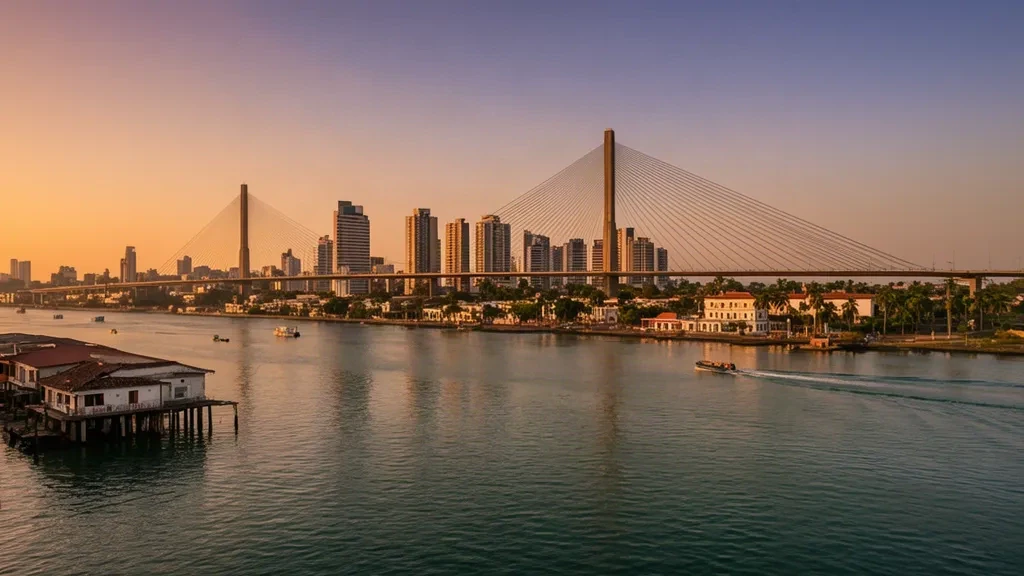
Maracaibo, capital of Zulia state, is a lively lakeside city shaped by oil, Caribbean rhythms and a proud regional culture. Its colonial landmarks, bustling markets and warm nights give it a distinct identity on Venezuela's western coast.

Venezuela
Venezuela blends local culture, everyday life and a welcoming atmosphere, giving travellers a straightforward sense of the region.