Torba
Torba, Vanuatu's northern island destination, is known for volcanic landscapes, coral reefs and strong Melanesian traditions.
Passengers
Luggage
About Torba
Torba is the northernmost province of Vanuatu, made up of the Torres and Banks island groups, whose initials give the province its name. Its administrative centre is Sola on Vanua Lava, a small coastal settlement and the main gateway for travellers arriving by air. Remote and lightly populated, Torba feels far removed from the busier hubs of Efate and Santo.
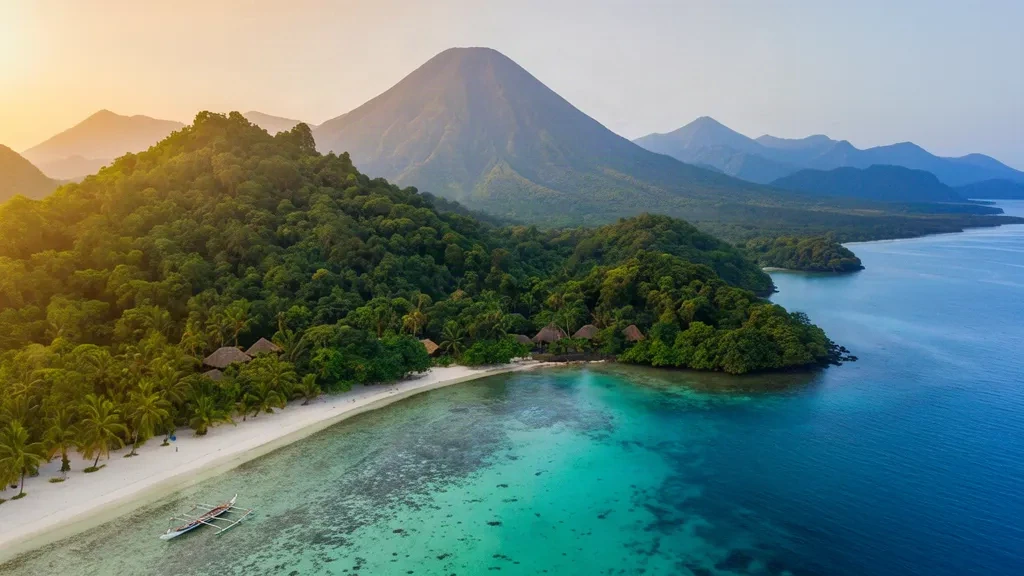
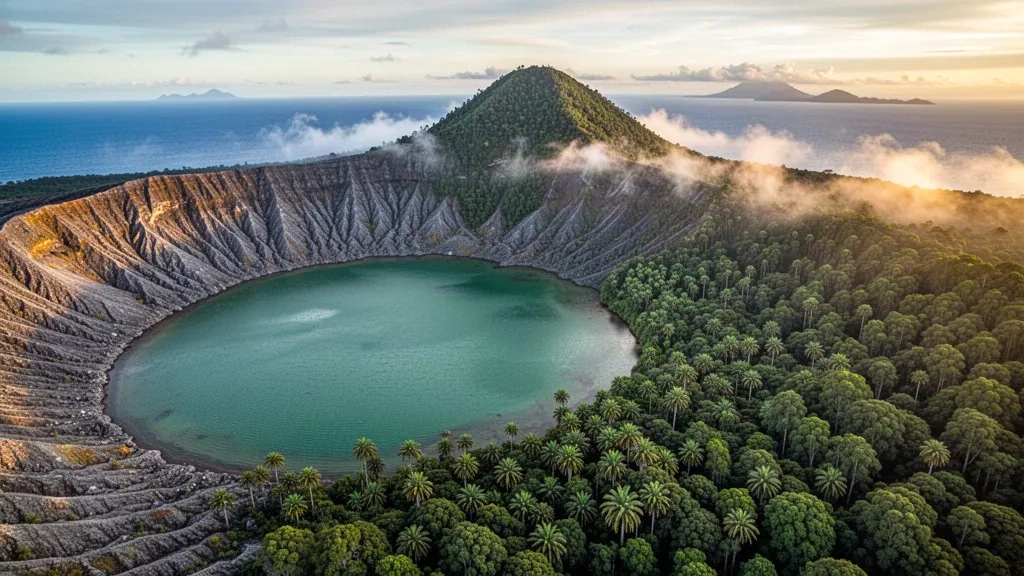
Much of Torba's character comes from its volcanic landscapes and intact marine environment. On Gaua, Mount Garet rises above Lake Letas, Vanuatu's largest freshwater lake, and the Siri Waterfall drops through dense jungle. Ureparapara is a submerged volcanic crater that forms a sheltered natural bay, while reefs around the Banks and Torres islands offer clear water, coral and quiet snorkelling and diving.
Traditional kastom remains central to daily life. Villages still practice sand drawing, recognised by UNESCO as intangible cultural heritage, and use shell money in ceremonial exchange. The Snake Dance is performed at festivals, and Water Music, created by women striking the water's surface, originated in the Banks Islands.
Torba suits travellers seeking authenticity rather than convenience. Visitors stay in village bungalows and guesthouses, travel between islands by small boat, and should allow flexibility for weather. Sola provides basic services and connections, while outer islands offer village-based cultural experiences, hiking, fishing and some of Vanuatu's least visited reefs.
Torba Travel Guide
Best Time to Visit
The dry season from May to October offers the most reliable weather for flights, boats and outdoor activities. The wetter months from November to April bring heavier rain, warmer conditions and a higher chance of cyclones.
How to Get Around
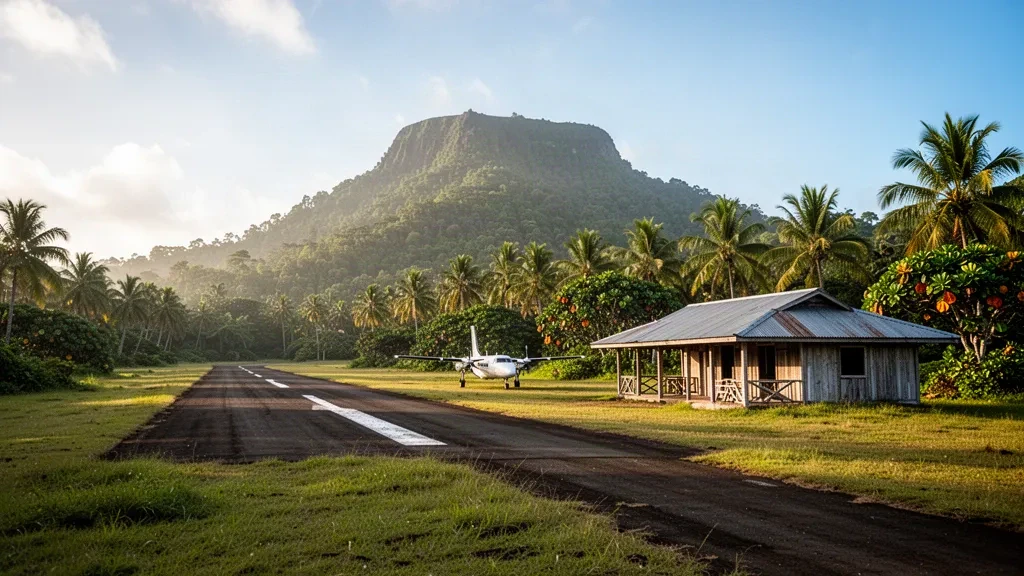
Travel within Torba is mostly by domestic flights to Vanua Lava Airport in Sola or Gaua Airport, followed by small boats between islands. There is no formal public transport, so visitors usually arrange guesthouse pick-ups, local vehicles and boat charters in advance.
Where to Stay
Sola has small guesthouses and basic services, while Mota Lava and Ra are known for beach bungalows and village stays. Accommodation is generally simple and locally run, often with meals included and hosts who can arrange activities.
Food & Drink
Meals in Torba centre on fresh seafood, root crops such as taro and cassava, tropical fruit and island-style cooking, often provided by bungalow hosts. Kava is available in some villages, and Sola has small stores and a local market for supplies.
Ground Transportation Services in Torba
Airport Transfers
Arrange pick-ups between Vanua Lava Airport and Sola guesthouses or village areas, with accommodation providers and local drivers offering the most reliable option.
Hourly Chauffeur
Book a private local driver for flexible travel around Sola and Vanua Lava, including village visits, market trips and short excursions.
Car Rental
Vehicles can be arranged in Sola for independent travel on Vanua Lava, though road access is limited and most journeys to other islands continue by boat.
Bus & Group Transfers
Organise charter boats and local vehicles for group travel between Sola, villages, event sites and outer islands, tailored to the islands' limited road network.
Frequently Asked Questions
Related Cities in Vanuatu
View all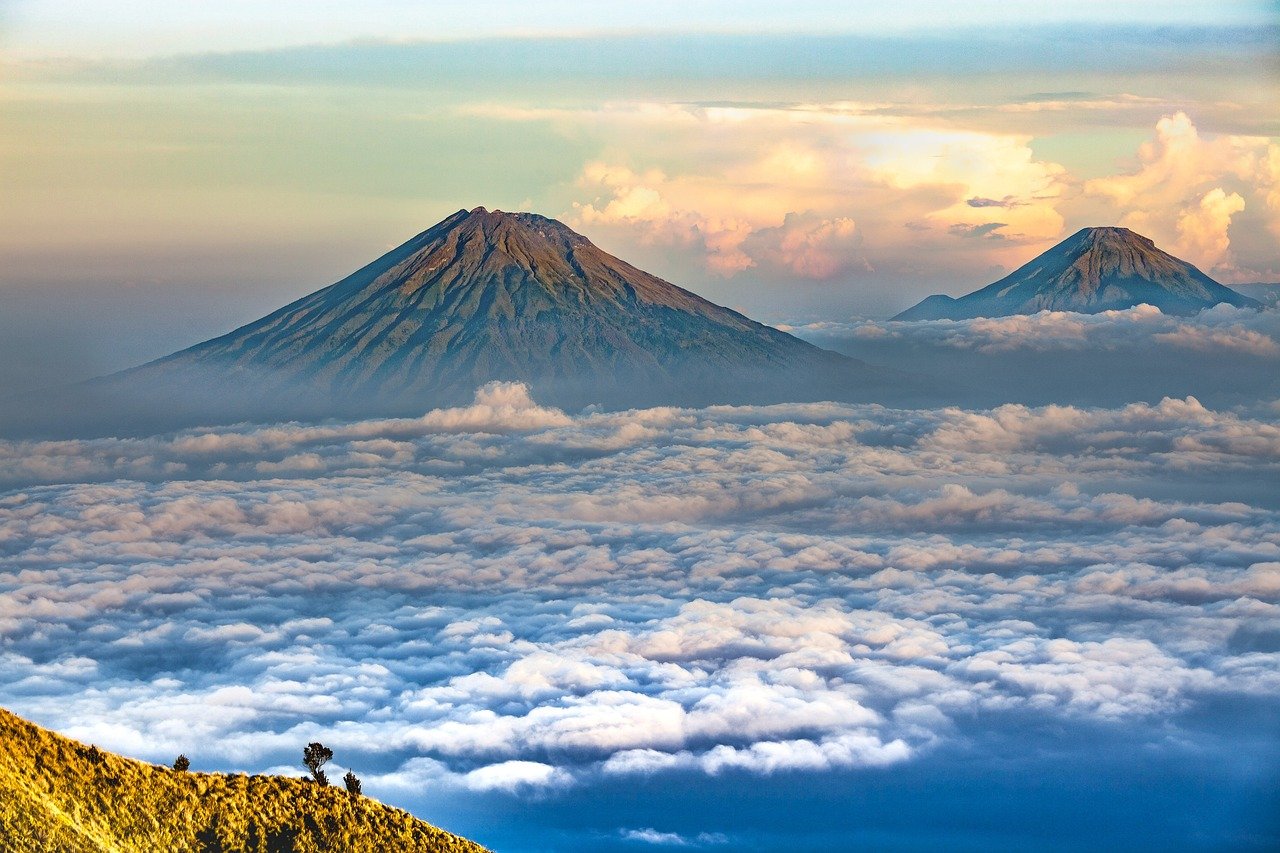
Tafea
Tafea, Vanuatu's southernmost province, is a remote island group known for active volcanoes, lush rainforests and strong Melanesian traditions. Its scattered islands offer rugged landscapes, traditional villages and a quiet escape far from busy tourist routes.
Port Vila
Port Vila, Vanuatu’s capital on Efate, is a laid-back harbour city with Melanesian culture, colonial-era architecture, a bustling market and easy access to waterfalls, beaches and nearby islands.
Luganville
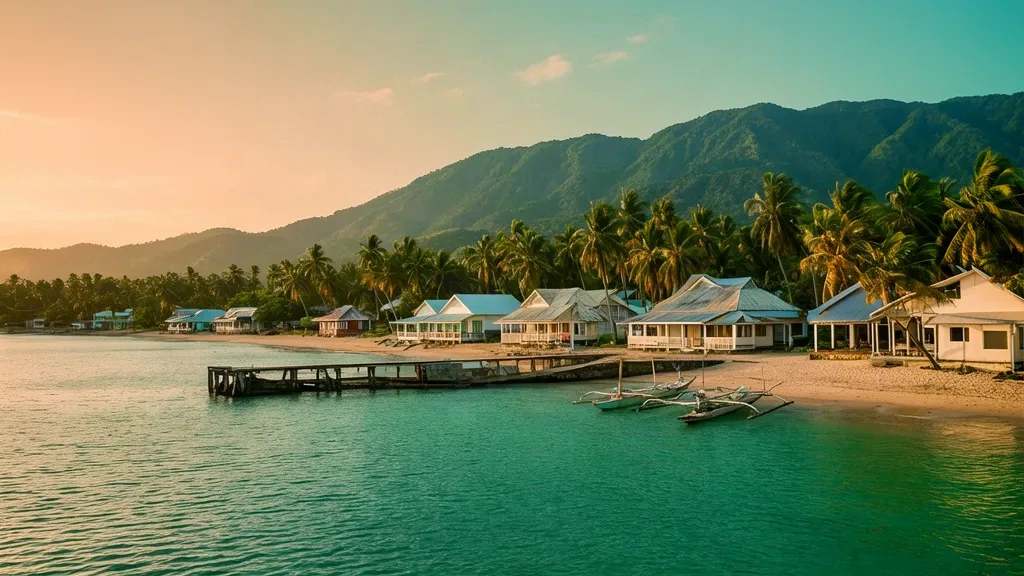
Luganville, Vanuatu's second-largest city on Espiritu Santo, pairs laid-back island life with a remarkable WWII history, lively markets, and easy access to famous dive sites and blue holes.