Treinta y Tres
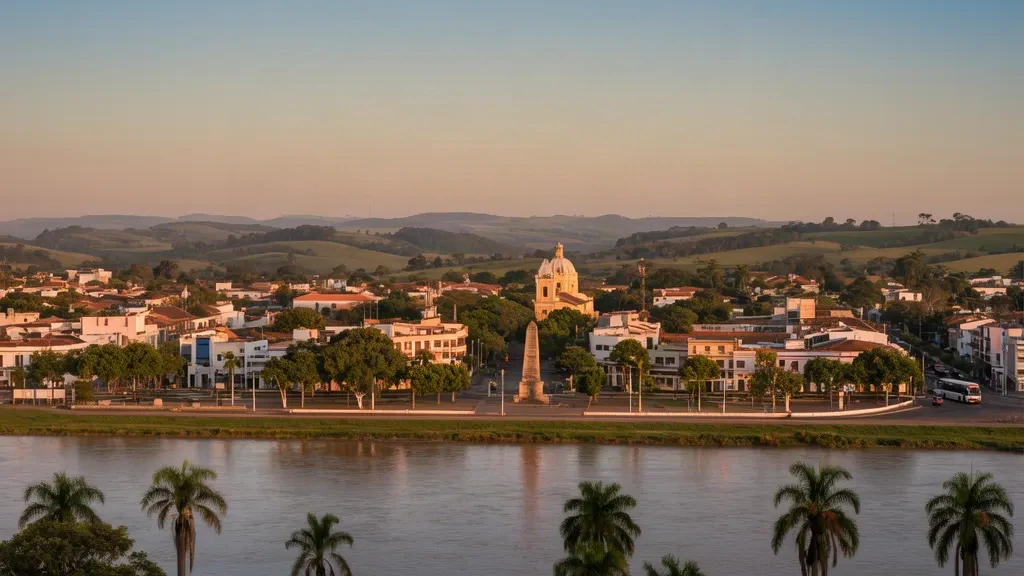
Treinta y Tres, named for Uruguay's legendary Thirty-Three Orientals, is an eastern Uruguayan city on the Olimar River with a proud gaucho heritage and a welcoming local rhythm.
Passengers
Luggage
About Treinta y Tres
Treinta y Tres is a small riverside city in east-central Uruguay and the capital of the department of the same name. It sits on the north bank of the Olimar Grande River, surrounded by cattle and sheep pastures, rice fields and grain farms that shape the regional economy and everyday life.
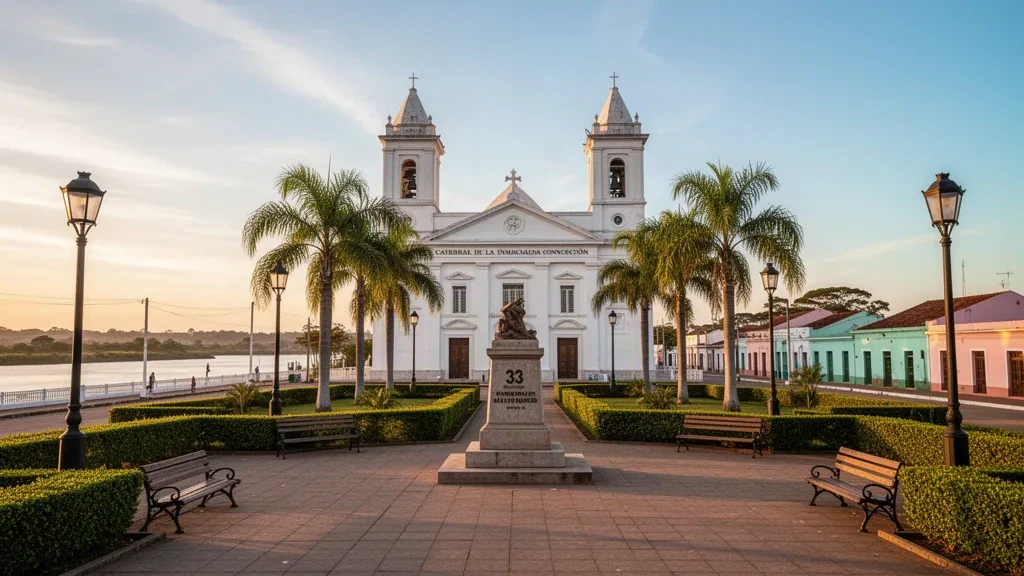
The city takes its name from the Treinta y Tres Orientales, the thirty-three patriots whose 1825 campaign helped set Uruguay on the path to independence. Founded as a town in 1853, it became the department capital in 1884 and later grew as a rail and road stop linking Montevideo with the east. Its centre is anchored by Plaza 19 de Abril, monuments, an obelisk and a tree-lined riverside park.
Along the river, Parque del Río Olimar is the city's main gathering place, with camping, picnic areas and walking trails. Southeast of the city, Quebrada de los Cuervos is the department's best-known natural attraction, offering forested gorges, waterfalls and viewpoints for hikers.
Treinta y Tres is strongly identified with Uruguayan folk music. It is the birthplace of composer Rubén Lena and home to the Festival del Olimar, one of Uruguay's most important folklore festivals, held each year during Semana de Turismo in the riverside park. Local food traditions draw on asado criollo, river fish and rural cooking.
Although compact, the city works as a commercial and service hub for the surrounding agricultural region and a practical stop along Route 8. Its relaxed pace, folklore heritage and access to nature make it a distinctive stop for travellers exploring Uruguay's interior, while its agribusiness role keeps it relevant for business visits.
Treinta y Tres Travel Guide
Best Time to Visit
Summer (December to March) is ideal for enjoying Parque del Río Olimar and outdoor attractions such as Quebrada de los Cuervos. Late March to early April brings the Festival del Olimar during Semana de Turismo, the city's biggest folk music event.
How to Get Around
Treinta y Tres is compact enough to explore the centre on foot, with taxis and local buses available for longer trips. Route 8 connects the city to Montevideo and Melo, and a car is useful for reaching Quebrada de los Cuervos and other rural sights.
Where to Stay
Most hotels and guesthouses are concentrated in the city centre near Plaza 19 de Abril and the Olimar riverfront. Staying centrally gives easy access to the bus terminal, restaurants and the riverside park.
Food & Drink
Local cuisine is built around asado criollo, grilled meats, river fish and hearty rural dishes, often paired with Uruguayan wine or mate. The city centre and riverside park offer simple restaurants, parrillas and seasonal food stalls, especially during the Festival del Olimar.
Ground Transportation Services in Treinta y Tres
Airport Transfers
Arrange transfers between Treinta y Tres Airport and hotels, the city centre and towns across the department.
Hourly Chauffeur
Book a private chauffeur by the hour for business visits, festival travel, sightseeing and flexible trips around Treinta y Tres and the Olimar river area.
Car Rental
Rent a car in Treinta y Tres for independent travel along Route 8 and convenient access to Quebrada de los Cuervos and rural attractions.
Bus & Group Transfers
Arrange minibuses or charter buses for groups attending the Festival del Olimar, corporate travel, events and tours in the Treinta y Tres region.
Frequently Asked Questions
Related Cities in Uruguay
View all
Tacuarembó
Tacuarembó, in northern Uruguay, is known for its gaucho traditions, folklore festivals and rolling countryside. The city blends historic architecture, musical heritage and a relaxed rural pace.
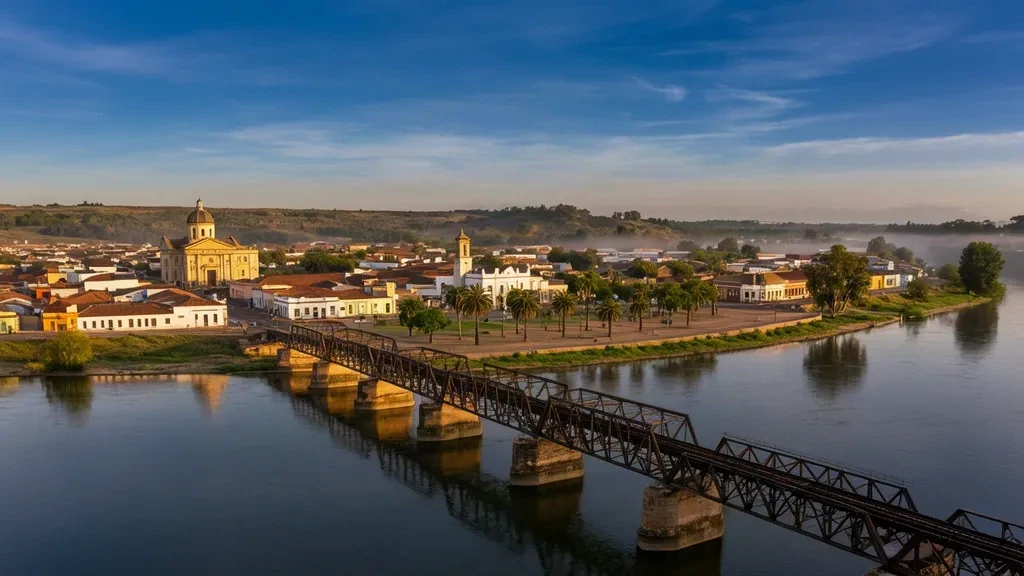
Soriano
Soriano, a historic city on the Uruguay River, blends colonial heritage, riverside landscapes and a quiet rural atmosphere.
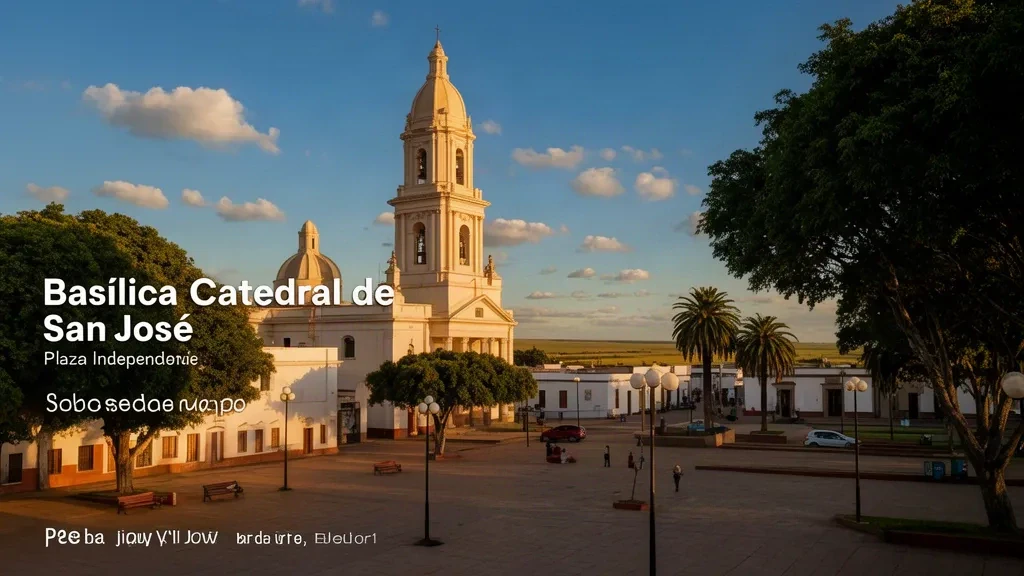
San José
San José, the capital of Uruguay's San José Department, blends colonial-era landmarks, leafy plazas and a relaxed local rhythm with a practical base for exploring the region.