Tataouine
Tataouine is a southern Tunisian gateway to the Sahara, known for its Berber heritage, distinctive ksour and dramatic desert landscapes that have drawn travellers and filmmakers for decades.
Passengers
Luggage
About Tataouine
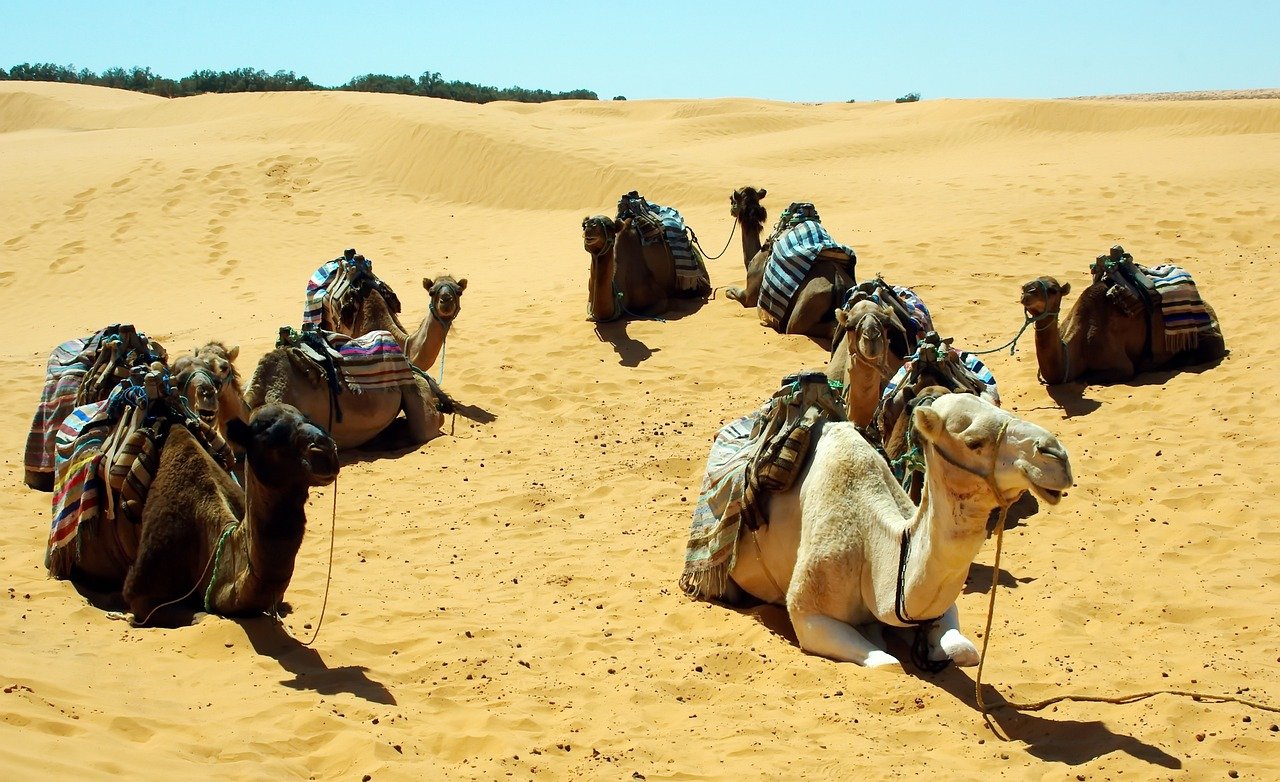
Tataouine is a desert town in southern Tunisia and the capital of Tataouine Governorate, set in a semi-arid landscape of rocky plains, escarpments and scattered oases. It is best known internationally as the inspiration for the name of the desert planet Tatooine in the Star Wars films, and the surrounding region retains a strong Berber and Saharan identity.
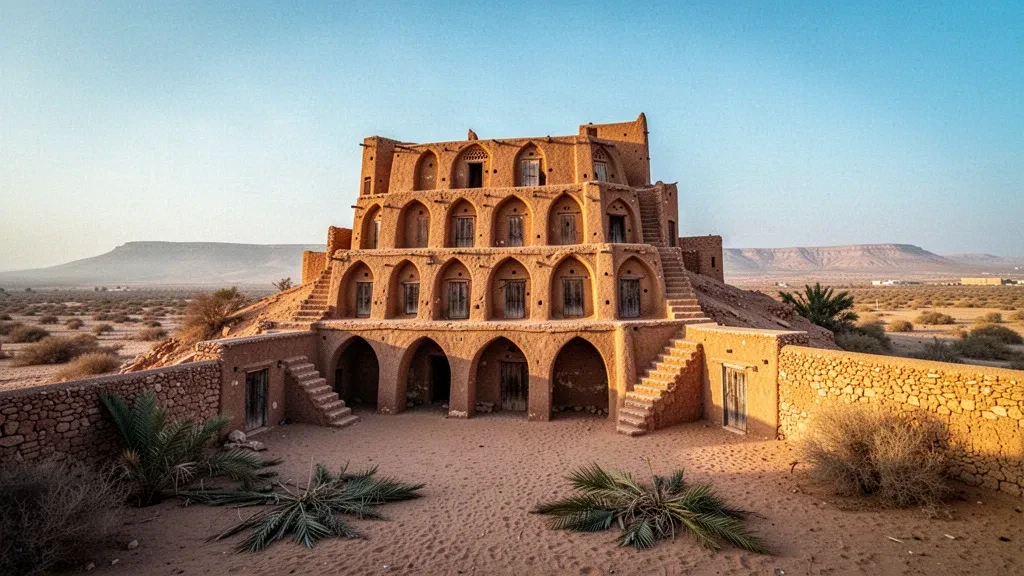
The area has long been shaped by Berber communities and caravan routes. Its most distinctive heritage is the ksour, fortified granaries built on hilltops and ridges, with Ksar Ouled Soltane and Ksar Hadada among the best preserved. Nearby hilltop Berber villages such as Chenini, Douiret and Guermessa feature whitewashed houses, cliffside dwellings and centuries-old mosques and granaries.
The town itself is a compact administrative and market centre. Its Monday and Thursday souk draws traders and shoppers from across the region with spices, dates, textiles and everyday goods. The Museum of the Memory of the Earth presents local geology and traditions, while the annual Festival of the Saharan Ksour in March celebrates music, crafts and desert heritage.
Tataouine serves as a regional hub for government services, agriculture and nearby oil and gas activity. Accommodation ranges from central hotels to simple guesthouses, and cafés and restaurants serve Tunisian staples such as couscous, lamb, brik, dates and mint tea. Star Wars filming sites, including Ksar Hadada, draw film fans and photographers throughout the year.
For travellers, Tataouine works both as a base for exploring the ksour and Berber villages and as a stop on longer routes between Djerba, the eastern edge of the Sahara and the border region. Business visitors come for administrative, energy and trade matters, while leisure travellers value its desert landscapes, markets and distinctive southern Tunisian character.
Tataouine Travel Guide
Best Time to Visit
Spring (March to May) and autumn (September to November) offer the most comfortable conditions for visiting ksour and Berber villages, with mild days and cooler nights. Summer brings intense desert heat, while March is marked by the Festival of the Saharan Ksour.
How to Get Around
Tataouine town is small enough to explore on foot or by local taxi. For the surrounding ksour, hilltop villages and desert sites, a rental car, 4x4 or organised excursion is the most practical option, with shared louages and buses linking the town to Medenine and other regional centres.
Where to Stay
Central Tataouine has a small choice of hotels and guesthouses close to the souk and main services. Travellers exploring the surrounding area can also stay in simple gîtes or guesthouses near villages such as Chenini and Douiret, while many visitors base themselves in Djerba or Zarzis and visit Tataouine on a day trip.
Food & Drink
Local cooking centres on couscous, lamb, harissa, olive oil, dates and dishes such as brik, often served with fresh bread and mint tea. The Monday and Thursday souk is a good place to try local produce, spices and dates, while cafés and small restaurants around the centre offer simple Tunisian meals.
Ground Transportation Services in Tataouine
Airport Transfers
Travel between Djerba–Zarzis International Airport and Tataouine, about 140 km away, with a pre-booked private transfer to hotels, guesthouses and other destinations in the Tataouine region.
Hourly Chauffeur
Book a private chauffeur by the hour for flexible travel around Tataouine, including visits to Ksar Ouled Soltane, Ksar Hadada, Chenini and other ksour and Berber villages.
Car Rental
Rent a car in Tataouine or at Djerba–Zarzis International Airport for independent travel around the ksour, hilltop villages and desert roads of southern Tunisia.
Bus & Group Transfers
Arrange minibuses or charter buses for groups travelling between Djerba, Medenine and Tataouine, or for tours of the region's ksour, filming locations and Berber villages.
Frequently Asked Questions
Related Cities in Tunisia
View all
Zaghouan
Zaghouan, a historic town in northern Tunisia, is known for its Roman Temple of Waters and the mountain springs that once supplied Carthage. Set against the slopes of Djebel Zaghouan, it offers a quieter glimpse of Tunisian heritage and landscape.
Tunis
Tunis, Tunisia's capital, blends a UNESCO-listed medina and Ottoman-era landmarks with bustling souks, café culture and a growing business scene.
Tozeur
Tozeur is a desert oasis in southwest Tunisia, known for its palm groves, traditional brick architecture and the medina's labyrinthine streets. As a gateway to the Sahara and Chott el Djerid, it blends Berber heritage with a relaxed desert-town atmosphere.