Haʻapai
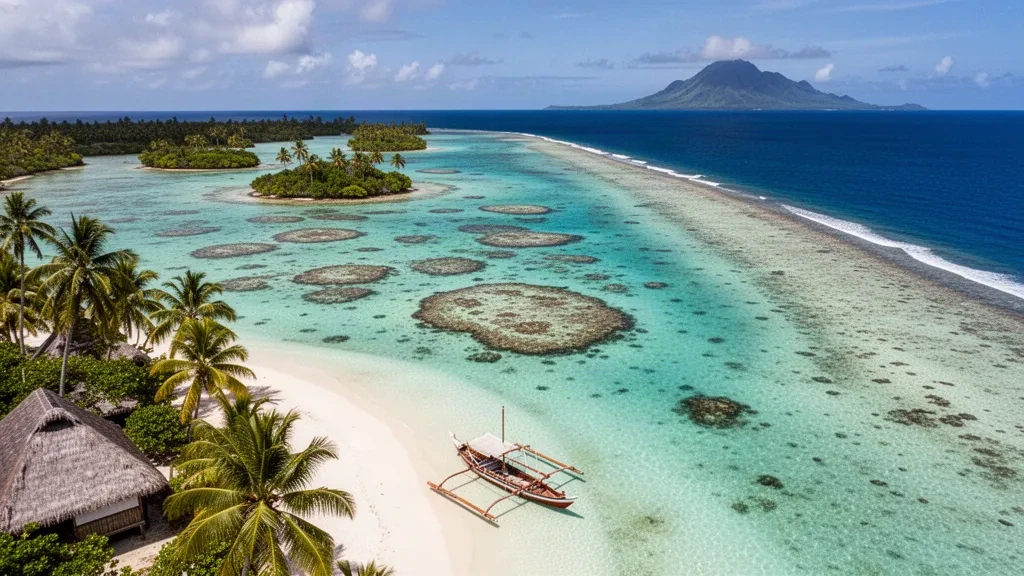
Haʻapai, a remote island group in Tonga, is known for its clear lagoons, coral reefs, traditional villages and uncrowded beaches. Its quiet pace, rich Polynesian culture and unspoiled South Pacific scenery make it a distinctive destination.
Passengers
Luggage
About Haʻapai
Haʻapai is a low-lying island group in central Tonga, made up of about 62 islands and islets, 17 of which are inhabited, with a combined land area of roughly 109 square kilometres. Its administrative and commercial centre is Pangai, a small town on the western shore of Lifuka.
The group is closely tied to Tongan royal, missionary and maritime history. Pangai has several churches, colonial-era houses, a local market and a memorial to former Tongan premier Shirley Waldemar Baker. The volcanic island of Tofua, part of Haʻapai, is linked to the 1789 Mutiny on the Bounty story, and European explorers passed through waters now associated with Tonga's 'Friendly Islands' nickname.
Lifuka and Foa are joined by a causeway and form the main travel hub, while smaller islands such as Uoleva, Uiha, Tofua and Kao offer beaches, reefs, volcanic landscapes and quiet escapes. Snorkelling, diving, kayaking, island-hopping and humpback whale watching between July and October are the main outdoor draws.
Haʻapai is not a large business centre; daily life is shaped by fishing, farming, government administration, church life and small-scale tourism. Its infrastructure is modest, and services are concentrated in and around Pangai. For leisure travellers it offers uncrowded beaches and a relaxed South Pacific pace, while for visiting officials, development workers and researchers Pangai functions as the group's administrative base.
Haʻapai Travel Guide
Best Time to Visit
The dry season from May to October is the most reliable period, with milder trade winds and less rain. July to October is peak season for humpback whale watching, while the wetter cyclone season runs from November to April.
How to Get Around
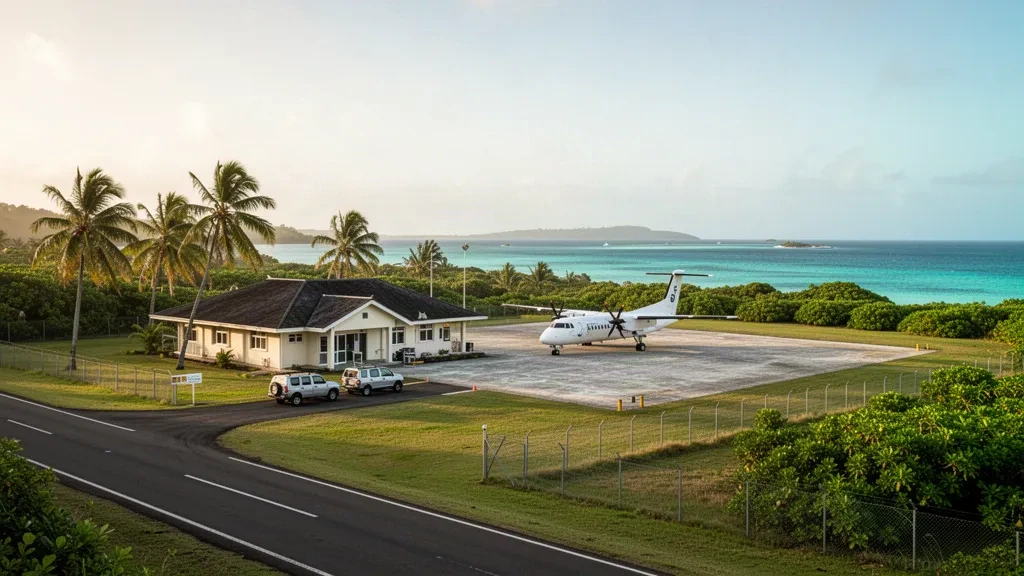
Haʻapai is reached by domestic flight from Tongatapu or ferry from Tongatapu and Vavaʻu. On Lifuka and Foa, visitors walk, cycle, use small taxis or rent cars and scooters, and boats are the main link to outer islands.
Where to Stay
Pangai has guesthouses and small hotels, while beachfront resorts and eco-lodges are spread across Lifuka and Foa. Uoleva and Uiha offer simple beach fales for travellers seeking quieter island stays.
Food & Drink
Dining is small-scale, with guesthouse meals, local cafés and seasonal produce from Pangai Market. Expect fresh seafood, root crops, tropical fruit and Tongan feasts, with limited nightlife and Sunday closures.
Ground Transportation Services in Haʻapai
Airport Transfers
Arrange transfers between Lifuka Island Airport (Salote Pilolevu Airport) and Pangai, guesthouses and resorts on Lifuka and Foa.
Hourly Chauffeur
Book a private driver by the hour for exploring Pangai, Lifuka, Foa and key coastal or historic sites in Haʻapai.
Car Rental
Rent a car, 4WD or scooter in Pangai for independent travel around Lifuka and across the causeway to Foa.
Bus & Group Transfers
Use minibuses, vans or charter boats for group movement between the airport, wharf, accommodation and island excursions across Haʻapai.
Frequently Asked Questions
Related Cities in Tonga
View all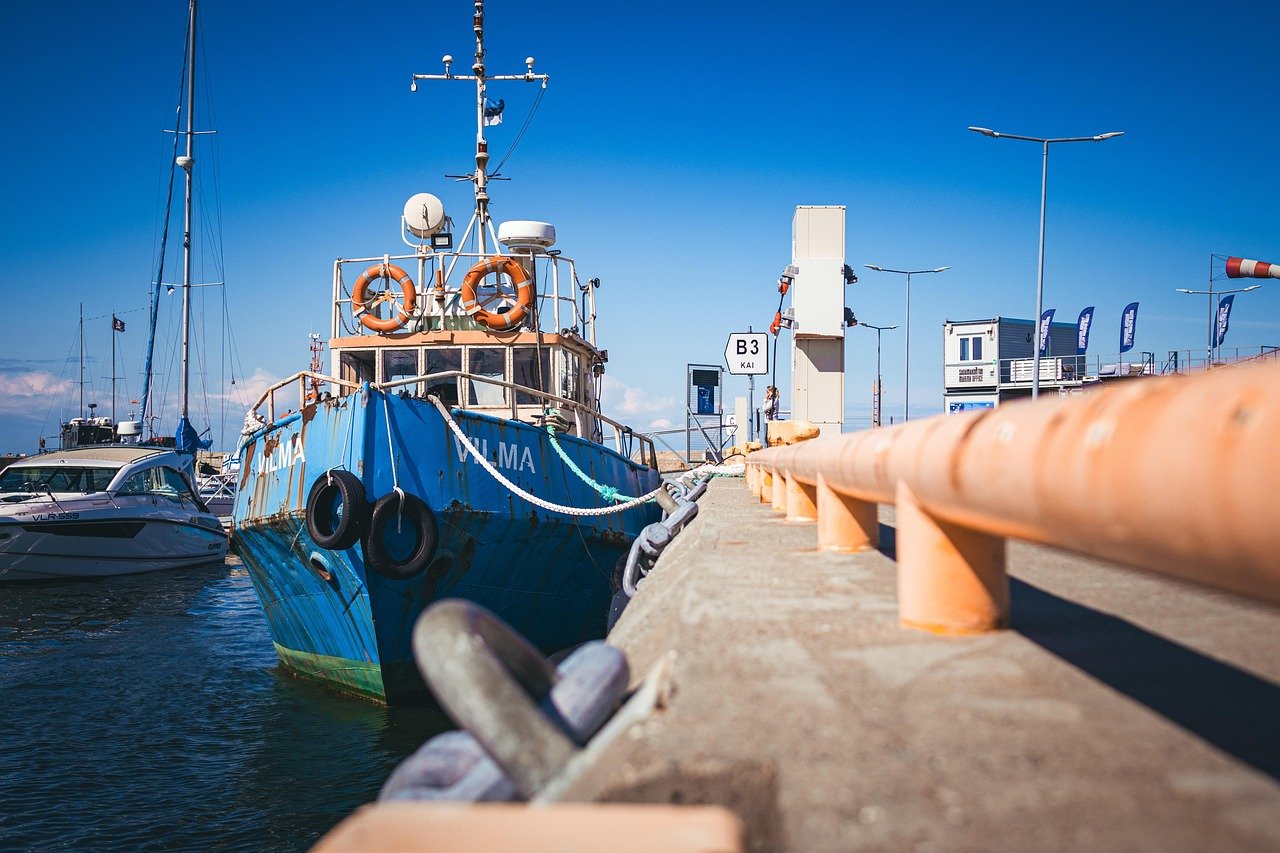
Vavaʻu
Vavaʻu is a laid-back island destination in Tonga, known for its dramatic limestone cliffs, sheltered harbours, lush plantations and rich Polynesian heritage. Its main town, Neiafu, offers a relaxed base for sailing, whale watching and exploring nearby beaches and villages.
Tongatapu
Tongatapu, Tonga's main island, pairs Polynesian heritage with relaxed coastal life, royal landmarks, lagoons and traditional villages.
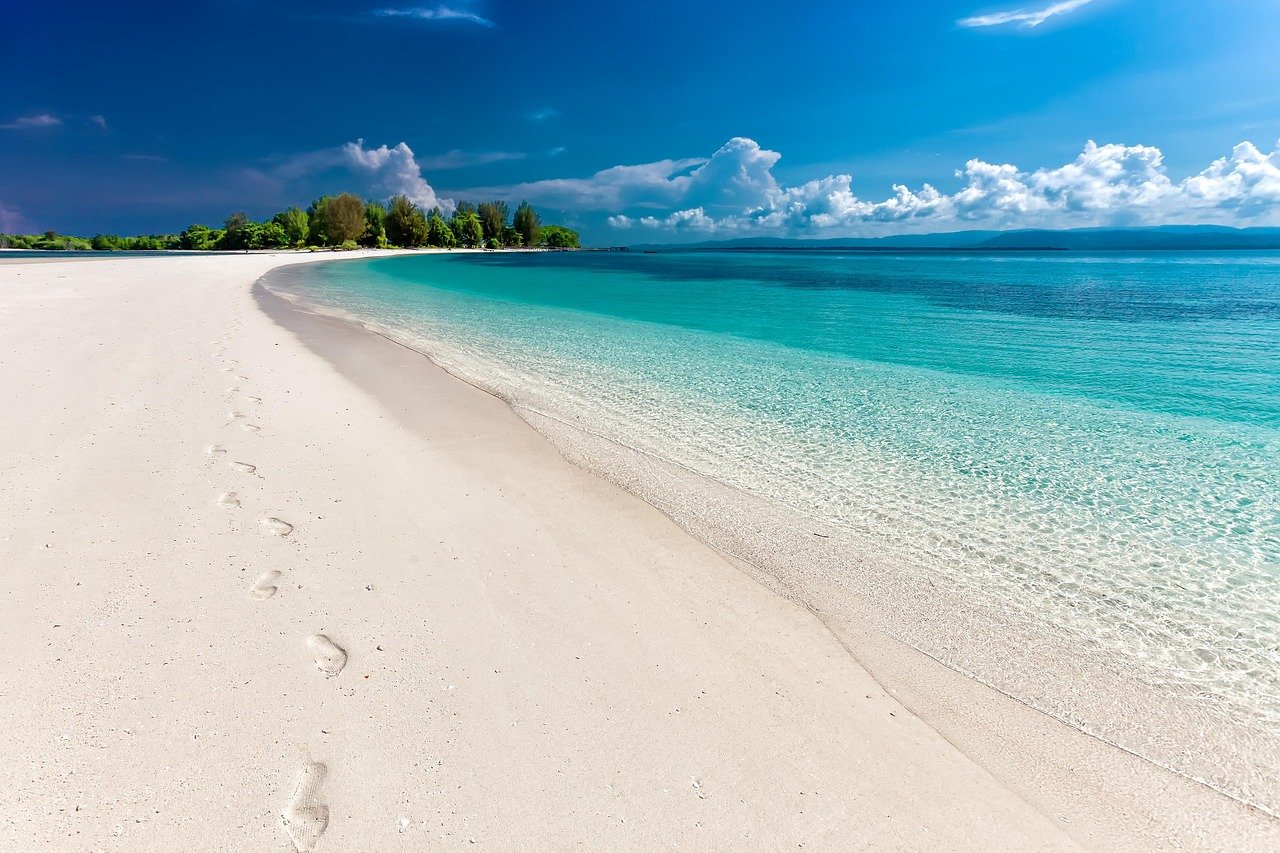
Niuas
Niuas, Tonga's remote northern island group, is known for volcanic landscapes, coral reefs and enduring Polynesian traditions that shape a quiet, off-the-beaten-path way of life.