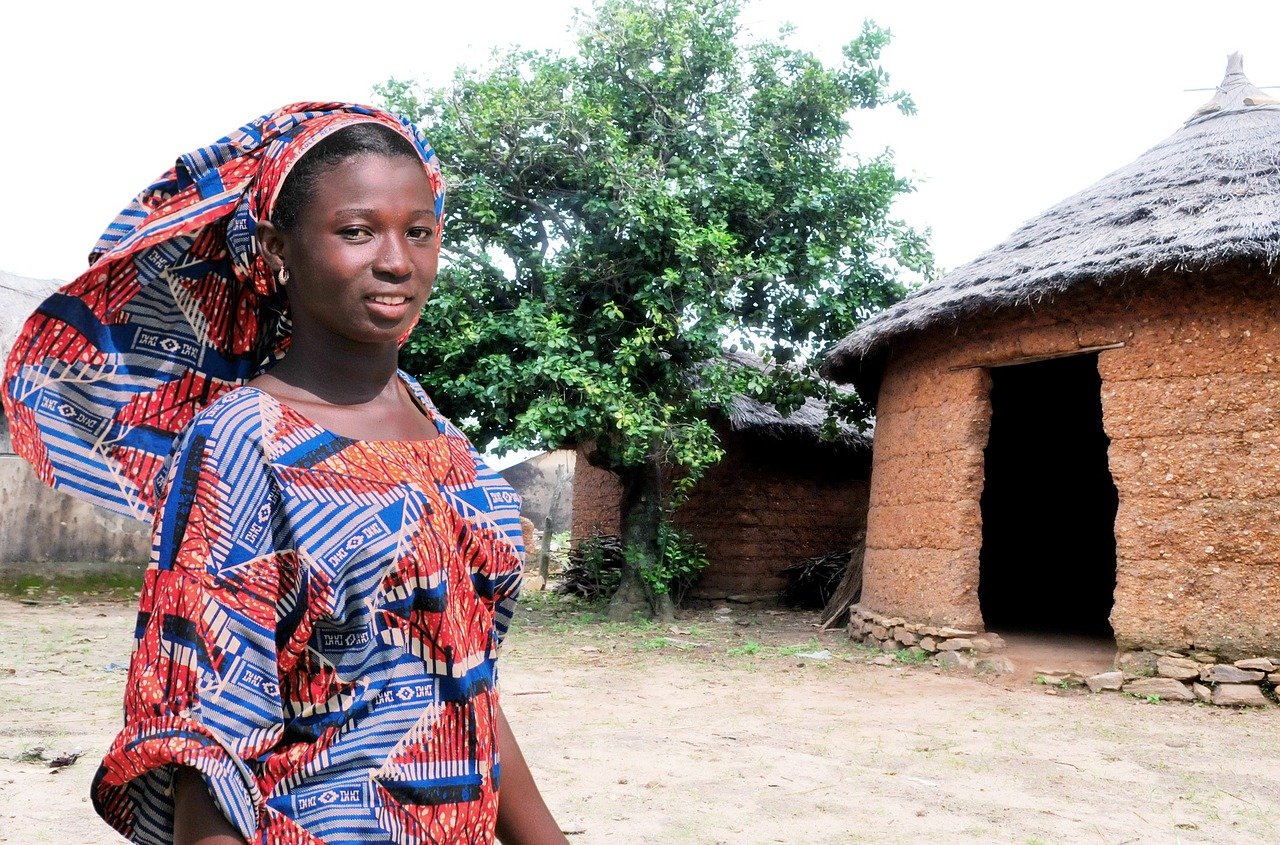
Atakpamé
Atakpamé, capital of Togo's Plateaux Region, is a busy highland market town whose hills, cocoa and coffee trade, and position on the main north-south highway make it a practical stop for travellers exploring central Togo.
Passengers
Luggage
About Plateaux
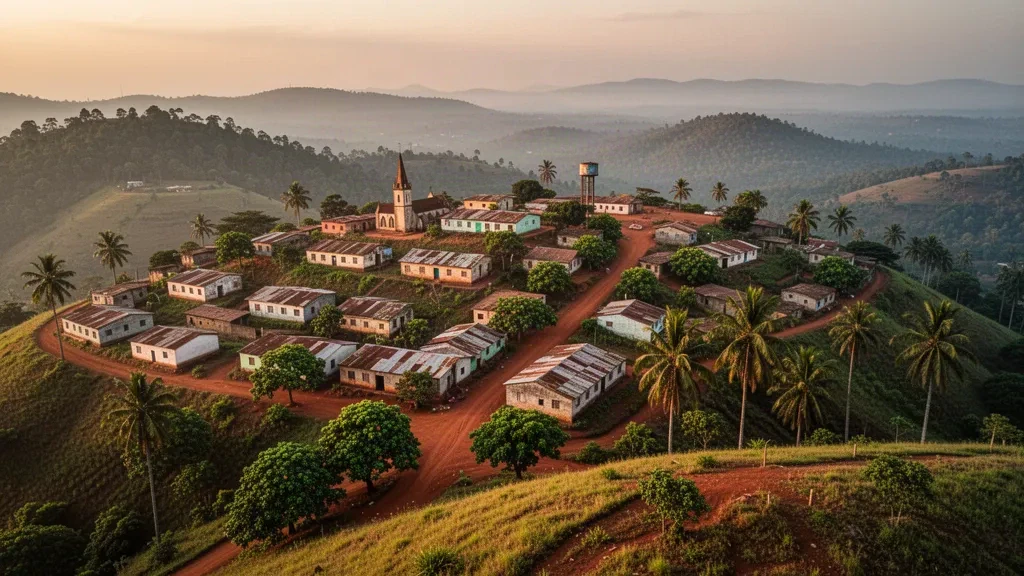
Atakpamé is the administrative capital of Togo's Plateaux Region and the seat of Ogou Prefecture. Built across a chain of hills about 160 km north of Lomé, the city is often called the 'city of seven hills' and serves as a key commercial and transport crossroads on the RN1 route between the coast and northern Togo.
The town grew from a hilltop refuge into an important agricultural centre during the German colonial period and later formed part of Togo's historic coffee and cocoa triangle with Kpalimé and Badou. Colonial-era buildings, churches and the cathedral sit alongside modern shops, while the surrounding plateaus remain productive farmland.
Atakpamé's character is shaped by its Ifè heritage and a wider mix of Ewe, Kabye and other Togolese communities. Daily life centres on the market and neighbourhoods such as Djama, Woudou and Gnagna, while hilltop viewpoints look out over the town. As a regional education hub, it is home to institutions including the École Normale Supérieure, which trains teachers from across the country.
The city is also a trading and logistics stop for coffee, cocoa, tropical fruit, grains and tubers. Its position on the RN1 makes it a natural break for travellers heading toward Sokodé, Kara or Dapaong, and a practical base for exploring the Plateaux Region.
For leisure and business visitors alike, Atakpamé offers a quieter, authentic Togolese urban experience: hilltop views, regional markets, and convenient road connections to Kpalimé, Badou, Mount Agou and the coffee-growing countryside.
Plateaux Travel Guide
Best Time to Visit
The dry season from November to March is the most comfortable time to visit Atakpamé, with lower humidity and better road conditions for exploring the Plateaux Region. The plateau climate stays cooler than the coast, while heavy rains from April to October can slow travel on rural roads.
How to Get Around
Atakpamé is compact enough to explore on foot, and motorcycle taxis known as zemidjan handle short trips around town. Shared taxis and bush taxis cover longer distances, while buses run along the RN1 toward Lomé, Kpalimé and northern Togo.
Where to Stay
Small hotels and guesthouses are concentrated around the city centre and along the main road, serving business and transit travellers. For a wider choice of international-standard hotels, many visitors stay in Lomé and treat Atakpamé as a regional base or stopover.
Food & Drink
Atakpamé's food reflects the Plateaux Region's farming tradition, with dishes built around maize, yams, cassava and locally grown tropical fruit. Small maquis and roadside restaurants serve Togolese staples, while the central market offers fresh produce, coffee and regional specialities.
Ground Transportation Services in Plateaux
Airport Transfers
Travel between Lomé–Tokoin International Airport and Atakpamé by private transfer along the RN1, a road journey of about 160 km through the Togolese countryside.
Hourly Chauffeur
Book a private chauffeur by the hour for business meetings, administrative appointments, events and flexible sightseeing around Atakpamé and the Plateaux Region.
Car Rental
Rent a car in Lomé or Atakpamé for independent travel along the RN1 and convenient trips to Kpalimé, Badou and other destinations across the Plateaux Region.
Bus & Group Transfers
Arrange minibuses or charter buses for groups travelling between Lomé, Atakpamé, Kpalimé and other regional destinations, including corporate travel, events and sightseeing tours.
Frequently Asked Questions
Related Cities in Togo
View all
Dapaong
Dapaong, capital of Togo's Savanes Region, is a lively market town set among granite hills and a key gateway to northern Togo and neighboring Burkina Faso.

Lomé
Lomé, Togo's capital and the heart of the Maritime Region, blends Atlantic beaches, bustling markets and colonial-era landmarks with a lively West African cultural scene.

Kara
Kara, the capital of Togo's Kara Region, is a northern commercial hub where regional traditions meet a lively market scene, with savanna landscapes and Kéran National Park nearby.