Quneitra
Quneitra, a city in southwestern Syria near the Golan Heights, carries a layered history and a distinctive highland setting that shapes its role in the surrounding region.
Passengers
Luggage
About Quneitra
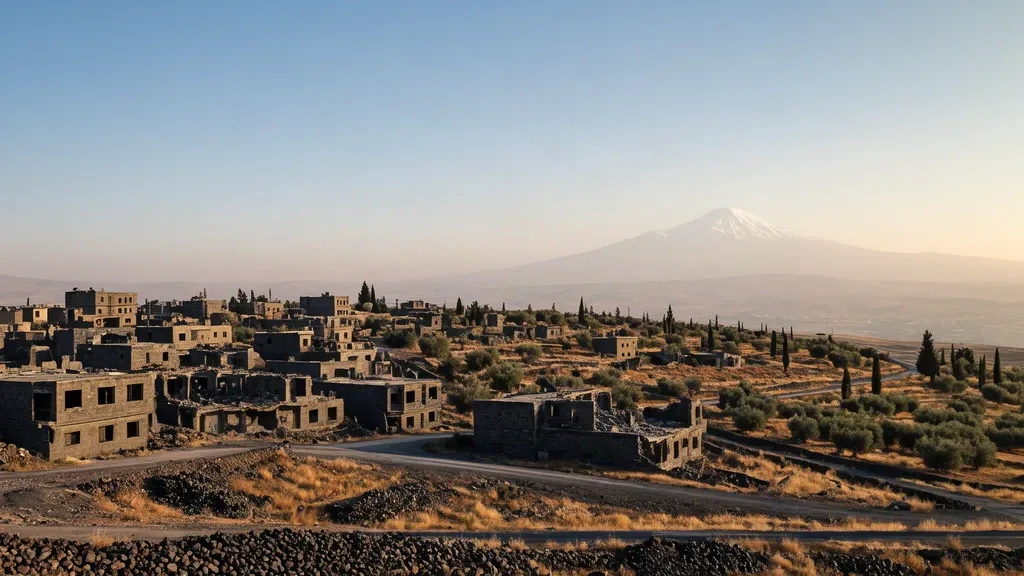
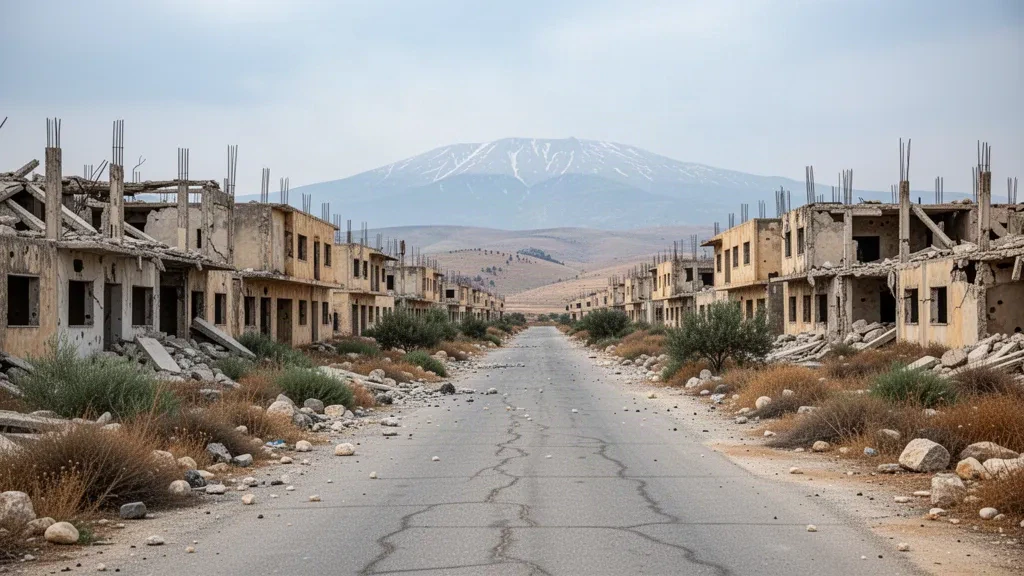
Quneitra (al-Qunaytirah) is the largely ruined and largely abandoned capital of Quneitra Governorate in southwestern Syria, set in the Golan Heights near the UN-monitored separation zone between Syria and Israel. Its empty streets and damaged buildings make it one of the region's most unusual urban sites, less a conventional city than an open reminder of recent conflict.
The town developed as a caravan stop on the route to Damascus and later as a Circassian settlement, growing into a market town and garrison of more than 20,000 people by the mid-1960s. It was captured in 1967, fought over again in 1973 and handed back to Syria in 1974 in a heavily damaged state, after which Syrian authorities left the ruins largely untouched as a symbol.
Today visitors with permission can see the shells of the former hospital, mosque minaret, governorate building and residential blocks, along with views over the separation zone and nearby villages. The area is closely monitored, and access requires coordination with Syrian authorities and awareness of current security conditions rather than ordinary tourist planning.
Because Quneitra has few services, nearby Baath City and Khan Arnabe provide basic facilities, while Damascus, about 70 to 90 km away, is the practical base and main gateway. Travelers interested in modern history, geopolitics and the Golan landscape can combine the visit with surrounding countryside, but independent sightseeing is limited and best arranged with a local guide or driver.
For researchers and careful travelers, Quneitra offers a rare look at a city frozen by war, while business and conference needs are better served in Damascus. Any visit should be planned around access rules, permits and the changing security situation.
Quneitra Travel Guide
Best Time to Visit
Spring and autumn bring the most comfortable weather for visiting the ruined city and nearby Golan countryside. Summer is hot and dry, and access can be restricted at any time, so check the current security and permit situation before planning.
How to Get Around
Quneitra is reached by road from Damascus, about 70 to 90 km away, usually by private car, taxi or hired driver. Public transport is limited, and movement around the city and the nearby separation zone is subject to checkpoints and permits.
Where to Stay
Very little accommodation exists in Quneitra itself, so most visitors base themselves in Damascus and travel in for the day. Nearby towns such as Baath City and Khan Arnabe offer basic services but limited hotels.
Food & Drink
Dining options in Quneitra are minimal because the city is largely abandoned. Simple Syrian meals and supplies are available in nearby towns, while Damascus offers the widest range of restaurants, cafés and markets.
Ground Transportation Services in Quneitra
Airport Transfers
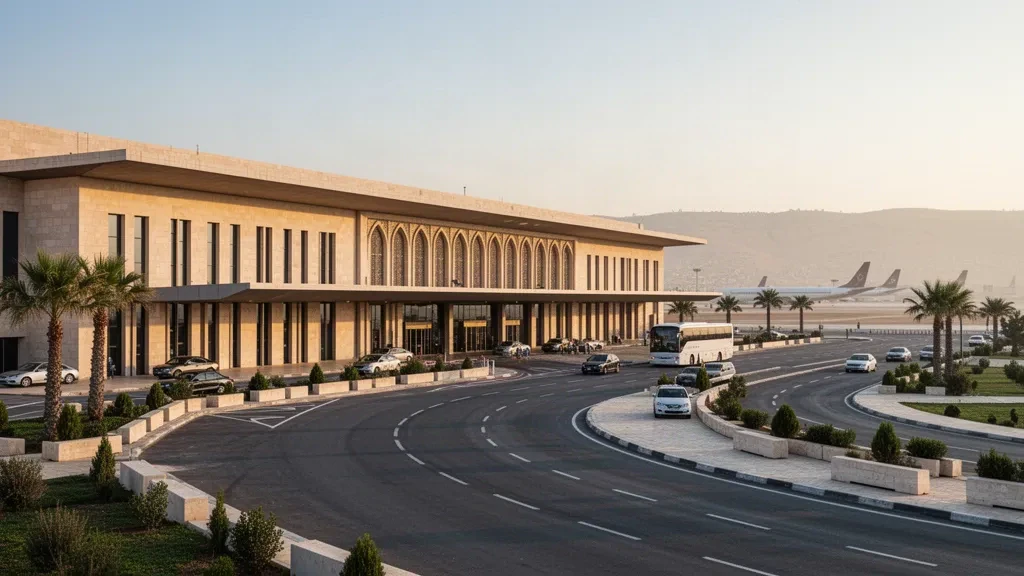
Arrange a private transfer for the roughly 90 km journey between Damascus International Airport and Quneitra, allowing time for security checkpoints and access formalities in the governorate.
Hourly Chauffeur
Book a chauffeur by the hour for visits to the ruined city, viewpoints near the separation zone and surrounding villages, with a local driver who knows the roads and checkpoint procedures.
Car Rental
Rent a car in Damascus for flexible travel around southern Syria, but keep in mind that access to Quneitra and the border area is restricted and may require permits and local coordination.
Bus & Group Transfers
Organize a minibus or charter bus from Damascus for research groups, journalists or organized visits, with arrangements made in advance for permits and the limited facilities in Quneitra.
Frequently Asked Questions
Related Cities in Syria
View all
Tartus
Tartus, one of the eastern Mediterranean's oldest port cities, layers Phoenician, Roman and Crusader history with a relaxed seaside promenade, bustling markets and easy access to Syria's coast.
Rif Dimashq
Rif Dimashq, the fertile countryside surrounding Damascus, blends historic towns, orchard-covered plains and mountain views with a strong sense of Syrian tradition.
Latakia
Latakia is Syria's principal Mediterranean port, where citrus groves, a palm-lined corniche and layers of Greek, Roman and Ottoman history meet. Its lively markets, beaches and nearby archaeological sites give the city a distinctive coastal character.