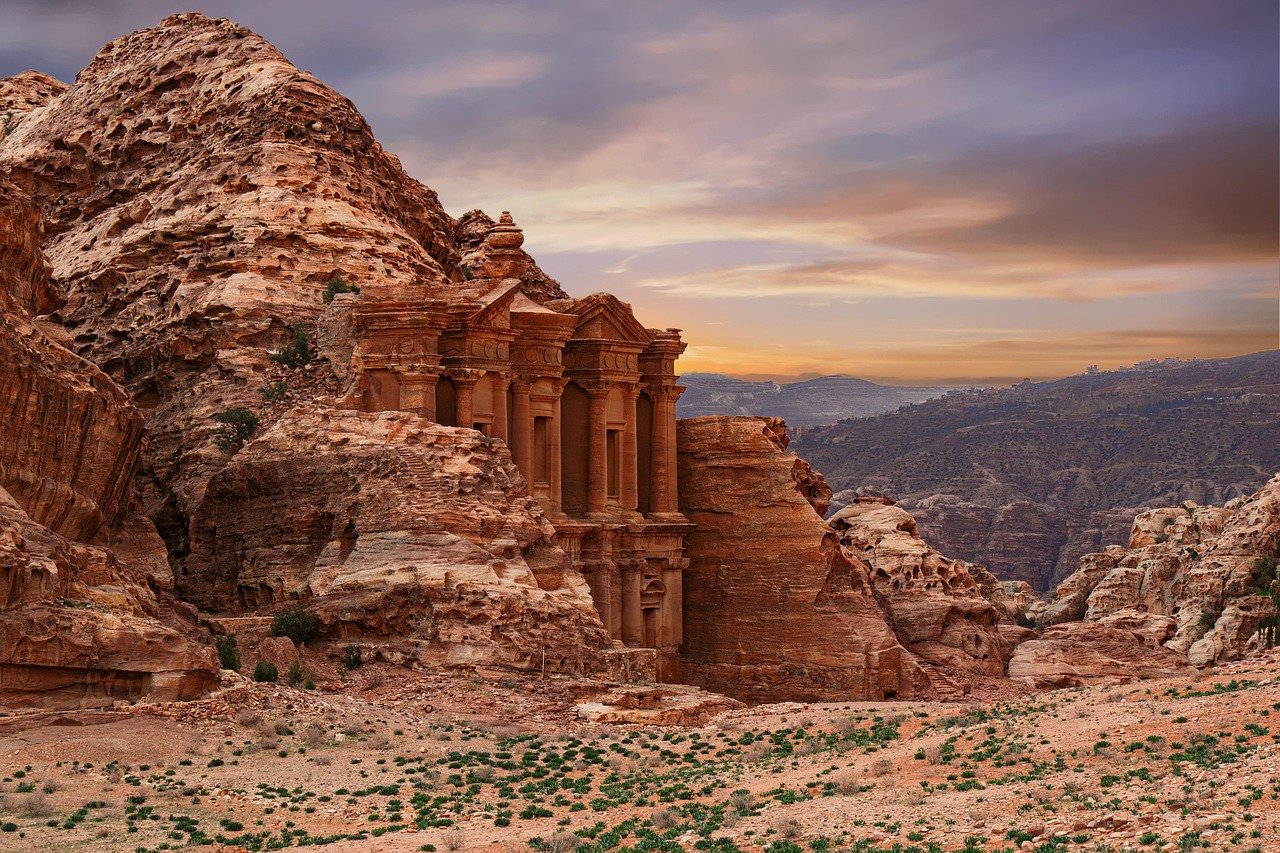
Deir ez-Zor
Deir ez-Zor, a historic city on the Euphrates in eastern Syria, pairs a riverside setting and trading heritage with a position as a regional gateway to the surrounding desert and archaeological sites.
Passengers
Luggage
About Deir ez-Zor
Deir ez-Zor is the capital of Syria's eastern Deir ez-Zor Governorate, set on the right bank of the Euphrates River in a hot, semi-arid region. A historic farming and trading centre, the city anchors the Euphrates Valley and sits close to some of Syria's main oil and gas fields.
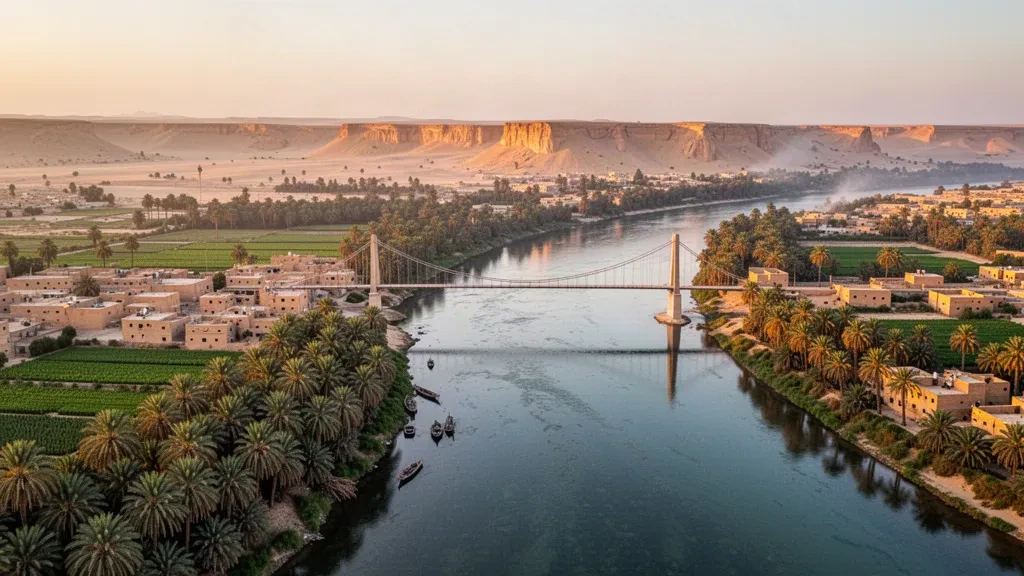
Its history ranges from an Ottoman-era administrative town on the Aleppo–Baghdad trade route to a French Mandate period marked by local resistance. In the early twentieth century, the city became a tragic endpoint for Armenian deportation caravans, later commemorated by an Armenian genocide memorial complex. The steel suspension bridge over the Euphrates, completed in 1930, remains one of its best-known symbols.
The Euphrates riverfront, the suspension bridge, the Deir ez-Zor Museum and the Armenian memorial area are among the main landmarks. Central neighbourhoods such as Al-Joura and Al-Qusour anchor the urban core, while date palms and pomegranate orchards on the valley edges shape the surrounding landscape.
Between 2014 and 2017 the city endured a long siege and heavy destruction, and recovery has continued in phases since then. Deir ez-Zor still matters to eastern Syria as an energy and agriculture hub, drawing officials, humanitarian teams and business travellers involved in reconstruction and regional logistics.
For visitors, Deir ez-Zor offers a historically significant but challenging destination, with Euphrates scenery, Ottoman and French-era heritage and a local food culture built on grilled meats, freshwater fish and regional produce. Travellers should plan around security conditions and limited tourism infrastructure.
Deir ez-Zor Travel Guide
Best Time to Visit
Spring (March to May) and autumn (September to November) bring the most comfortable conditions in Deir ez-Zor's hot, dry climate. Summers are extremely hot, while winters are cool with occasional rain.
How to Get Around
Shared taxis and private cars are the main ways to move around Deir ez-Zor, as regular public transport remains limited after years of conflict. The central area is compact enough to explore partly on foot, while a hired car with a local driver is useful for reaching the riverfront and outlying neighbourhoods.
Where to Stay
Accommodation is limited but concentrated in the central districts, including areas near the Euphrates and the older city. Options range from modest hotels and guesthouses to a slowly growing number of renovated properties.
Food & Drink
Deir ez-Zor's food reflects its Euphrates Valley setting, with freshwater fish, grilled meats, mezze and local bread widely available. Pomegranates and dates are among the region's best-known produce, and traditional tea houses and cafés remain gathering places.
Ground Transportation Services in Deir ez-Zor
Airport Transfers
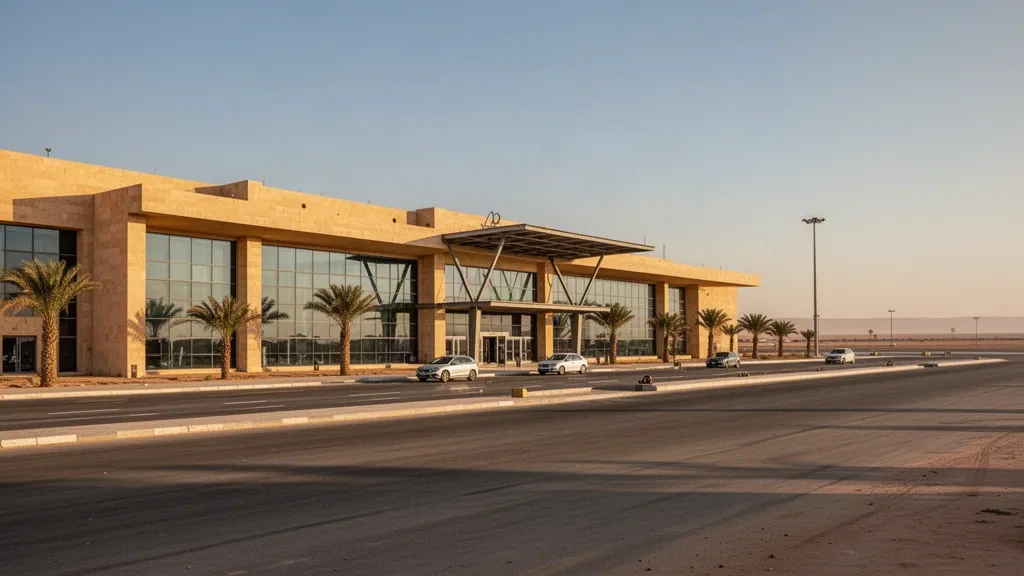
Travel between Deir ez-Zor Airport (DEZ) and hotels, the city centre and surrounding districts with a pre-booked private transfer.
Hourly Chauffeur
Book a private chauffeur by the hour for business meetings, humanitarian and reconstruction site visits, events and flexible travel around Deir ez-Zor.
Car Rental
Rent a car in Deir ez-Zor for independent travel around the city and journeys to nearby governorate towns and districts.
Bus & Group Transfers
Arrange minibuses or charter buses for groups, NGO and corporate teams, events, airport transfers and guided travel in Deir ez-Zor.
Frequently Asked Questions
Related Cities in Syria
View all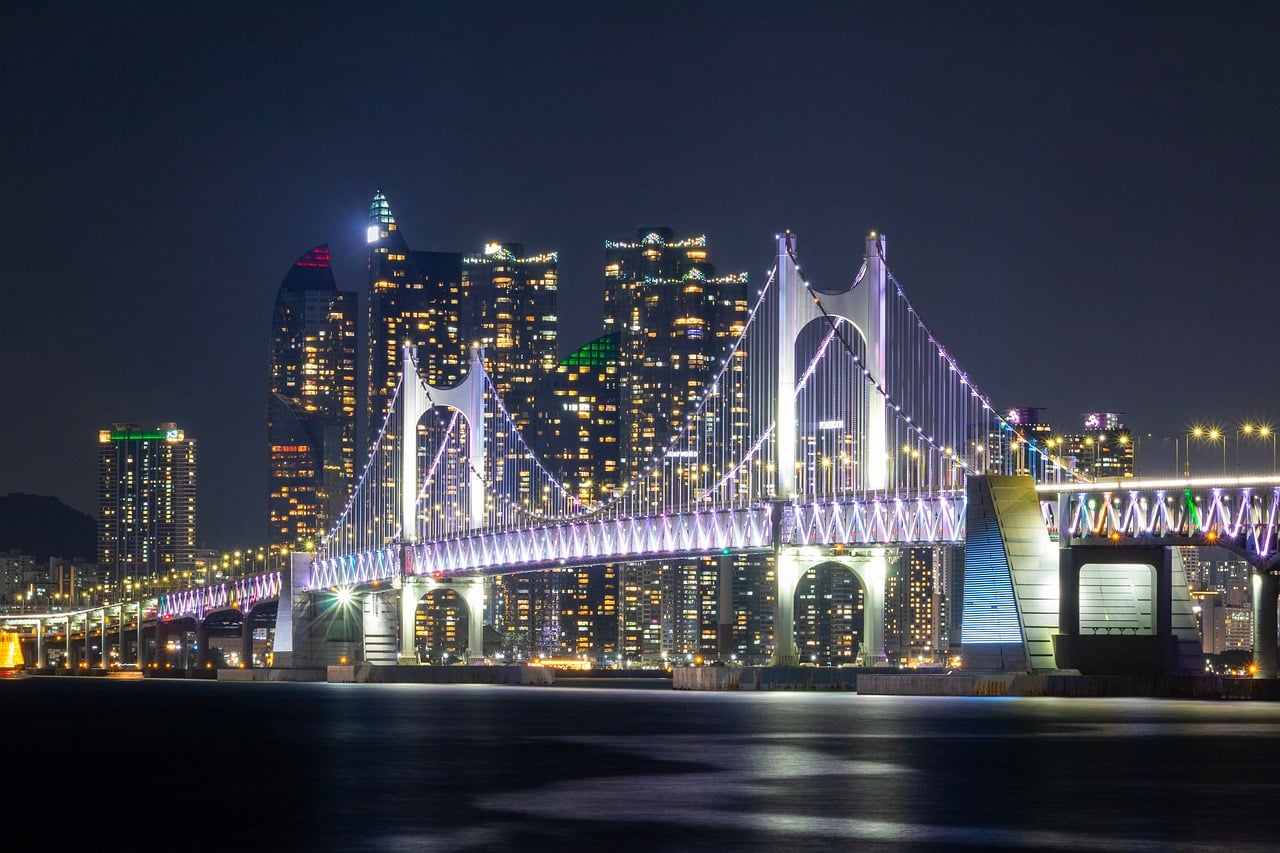
Tartus
Tartus, one of the eastern Mediterranean's oldest port cities, layers Phoenician, Roman and Crusader history with a relaxed seaside promenade, bustling markets and easy access to Syria's coast.
Rif Dimashq
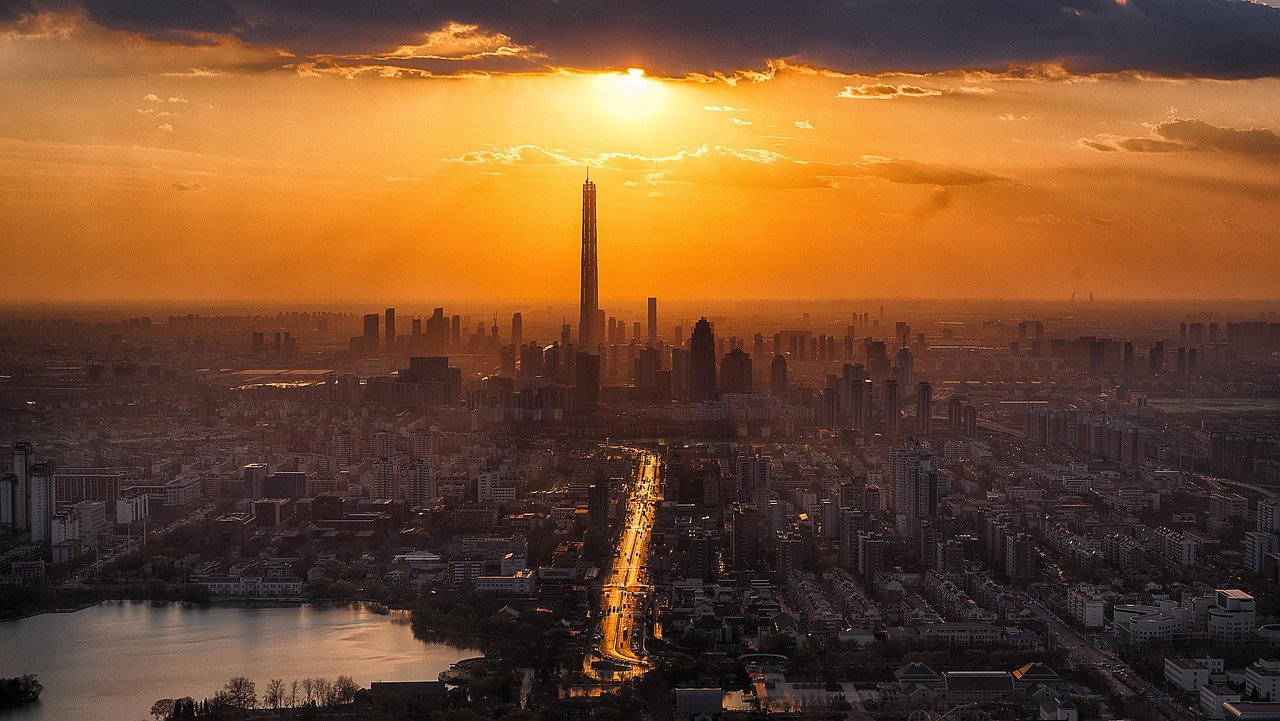
Rif Dimashq, the fertile countryside surrounding Damascus, blends historic towns, orchard-covered plains and mountain views with a strong sense of Syrian tradition.
Quneitra
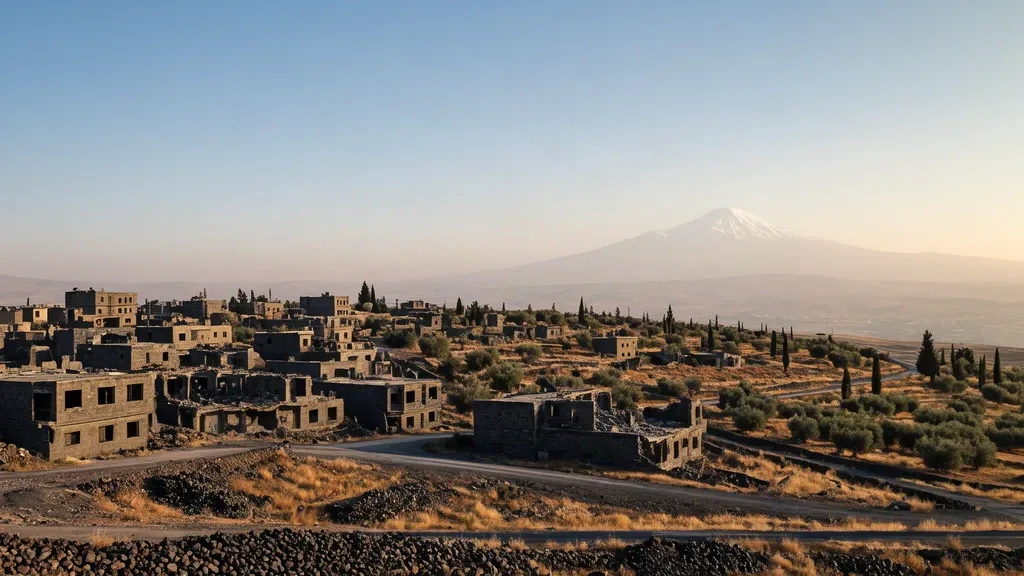
Quneitra, a city in southwestern Syria near the Golan Heights, carries a layered history and a distinctive highland setting that shapes its role in the surrounding region.