Al-Raqqah
Al-Raqqah, a historic city on the Euphrates in northern Syria, was once the Abbasid capital and retains a rich heritage of archaeological sites, traditional markets and riverside landscapes.
Passengers
Luggage
About Al-Raqqah
Raqqa (also spelled ar-Raqqah) is a city in north-central Syria on the north bank of the Euphrates River and the capital of Raqqa Governorate. It is known for its deep history, its role as an Abbasid-era capital and the heavy damage it endured during the Syrian conflict.
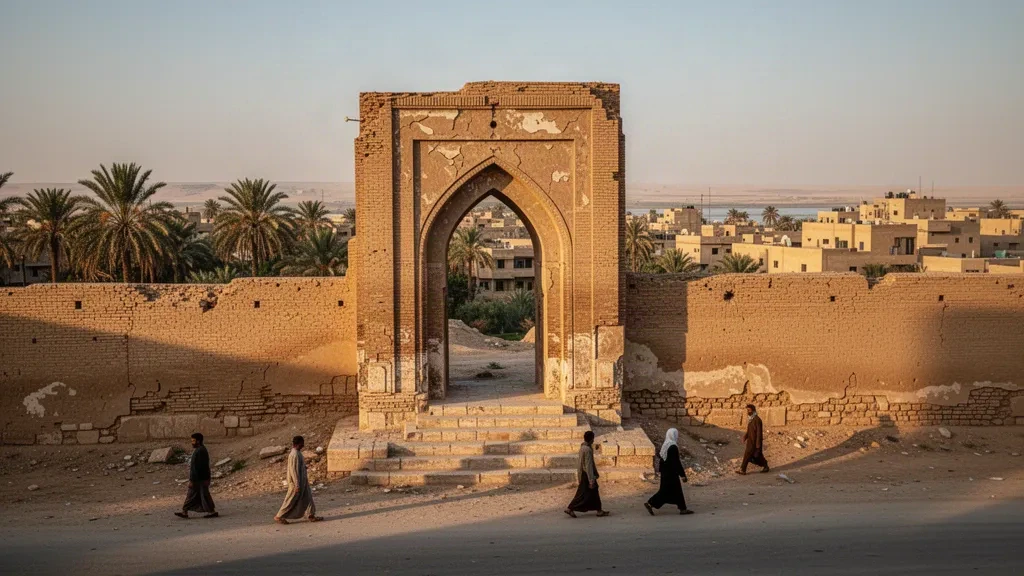
Founded in antiquity as the Hellenistic and Roman city of Callinicum, Raqqa later grew into the twin city of al-Rafiqah. Under Caliph Harun al-Rashid in the late 8th and early 9th centuries, it served as an imperial residence and briefly as the capital of the Abbasid Empire. Surviving landmarks such as the Abbasid city walls, the Baghdad Gate, the Qasr al-Banat palace ruins and the Heraqla monument reflect that heritage.
Modern Raqqa developed as an agricultural centre for cotton, wheat and other crops, closely linked to the Euphrates and to the Tabqa Dam and Lake Assad further west. The city was captured by the Islamic State in 2014 and became its de facto capital until 2017, when it was retaken by the Syrian Democratic Forces with the support of a US-led coalition. The fighting left much of the city in ruins, and reconstruction and the return of residents have been gradual.
Today, central Raqqa is recovering around its old city, riverfront, souq and Raqqa Museum, while many neighbourhoods are still being rebuilt. The local economy mixes agriculture, small trade and aid-linked reconstruction work, and the city remains an important hub for organisations working across the Euphrates region.
Raqqa is best understood as an emerging rather than a conventional leisure destination. It attracts researchers, aid and reconstruction staff, journalists and travellers interested in Syrian history, but visits require careful planning, local contacts and close attention to the current security situation.
Al-Raqqah Travel Guide
Best Time to Visit
Spring (March to May) and autumn (September to November) are the most comfortable seasons for visiting Raqqa, with mild days and cooler nights. Summers are extremely hot, often above 40°C, while winter brings cooler weather and occasional rain.
How to Get Around
Raqqa has a modest local transport system of shared taxis, private taxis and minibuses linking central districts and outlying neighbourhoods. The old city and riverfront can be explored on foot, while a rental car or hired driver is more practical for trips to the Tabqa Dam and Lake Assad.
Where to Stay
Accommodation options are limited and concentrated in central Raqqa, close to the Euphrates riverfront and the old city. Small hotels and guesthouses mainly serve aid workers, journalists and business visitors, with Aleppo offering a wider hotel base for regional travel.
Food & Drink
Raqqa's food scene centres on Syrian staples such as grilled meats, mezze, flatbreads, fresh vegetables and fish from the Euphrates. Local markets, bakeries and tea houses provide everyday options, while restaurants are gradually reopening as the city recovers.
Ground Transportation Services in Al-Raqqah
Airport Transfers
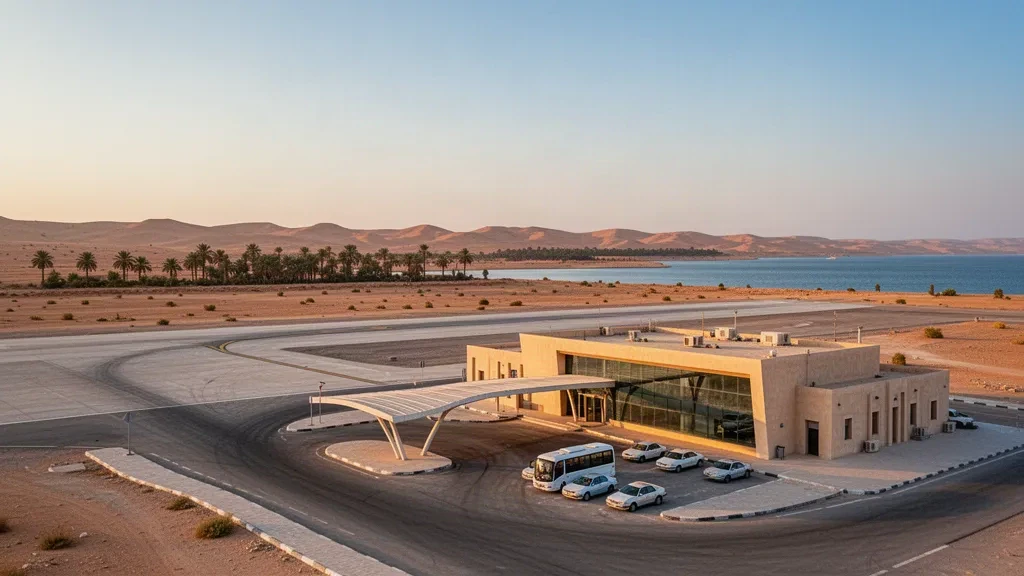
Arrange private transfers between Aleppo International Airport, the nearest international gateway roughly 200 km from Raqqa, and hotels, offices and sites across the city and Raqqa Governorate.
Hourly Chauffeur
Book a private chauffeur by the hour for business meetings, NGO field visits, sightseeing and flexible travel around Raqqa and nearby areas.
Car Rental
Rent a car with or without a local driver for independent travel around Raqqa; a driver is often useful given checkpoints, road conditions and changing security.
Bus & Group Transfers
Charter minibuses or buses for teams, media crews, aid organisations and group travel between Raqqa, Aleppo, Damascus and other destinations in the Euphrates region.
Frequently Asked Questions
Related Cities in Syria
View all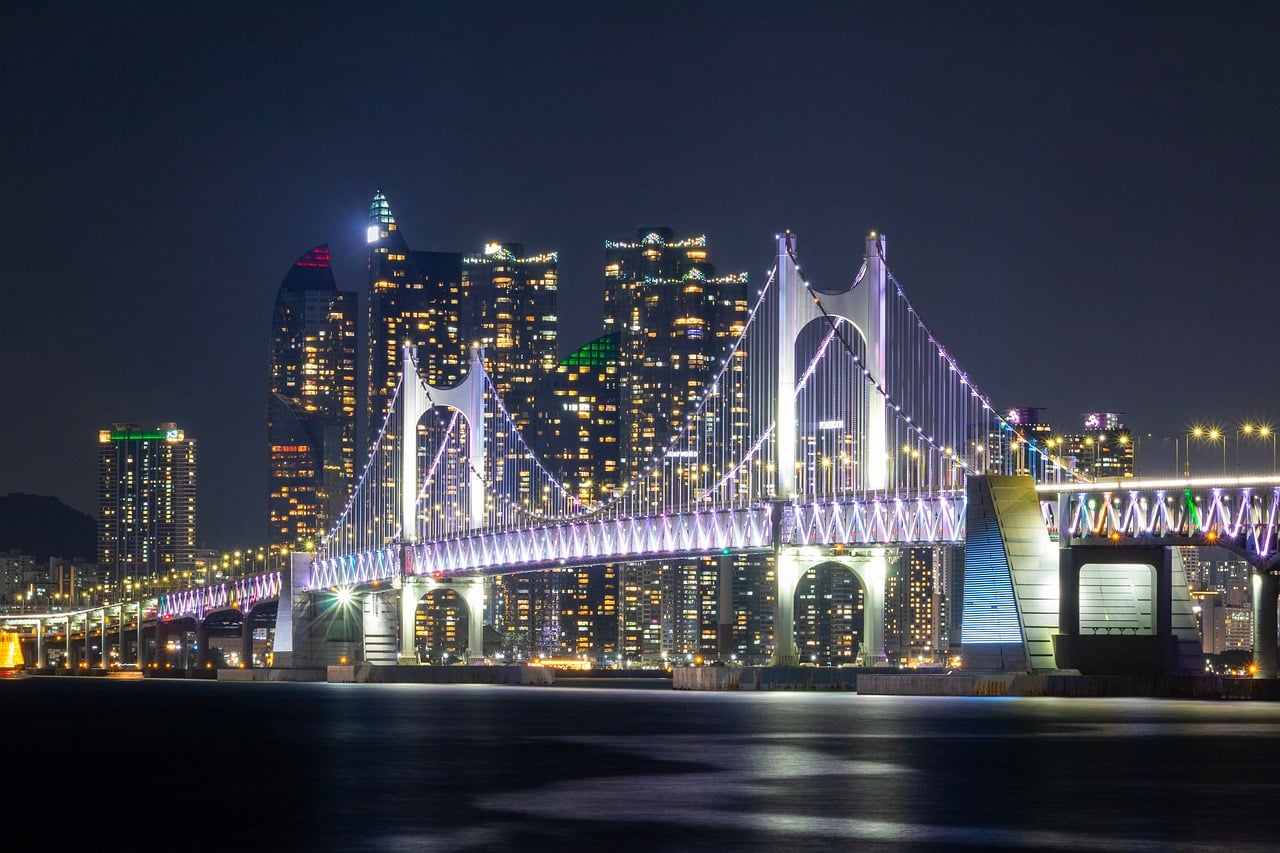
Tartus
Tartus, one of the eastern Mediterranean's oldest port cities, layers Phoenician, Roman and Crusader history with a relaxed seaside promenade, bustling markets and easy access to Syria's coast.
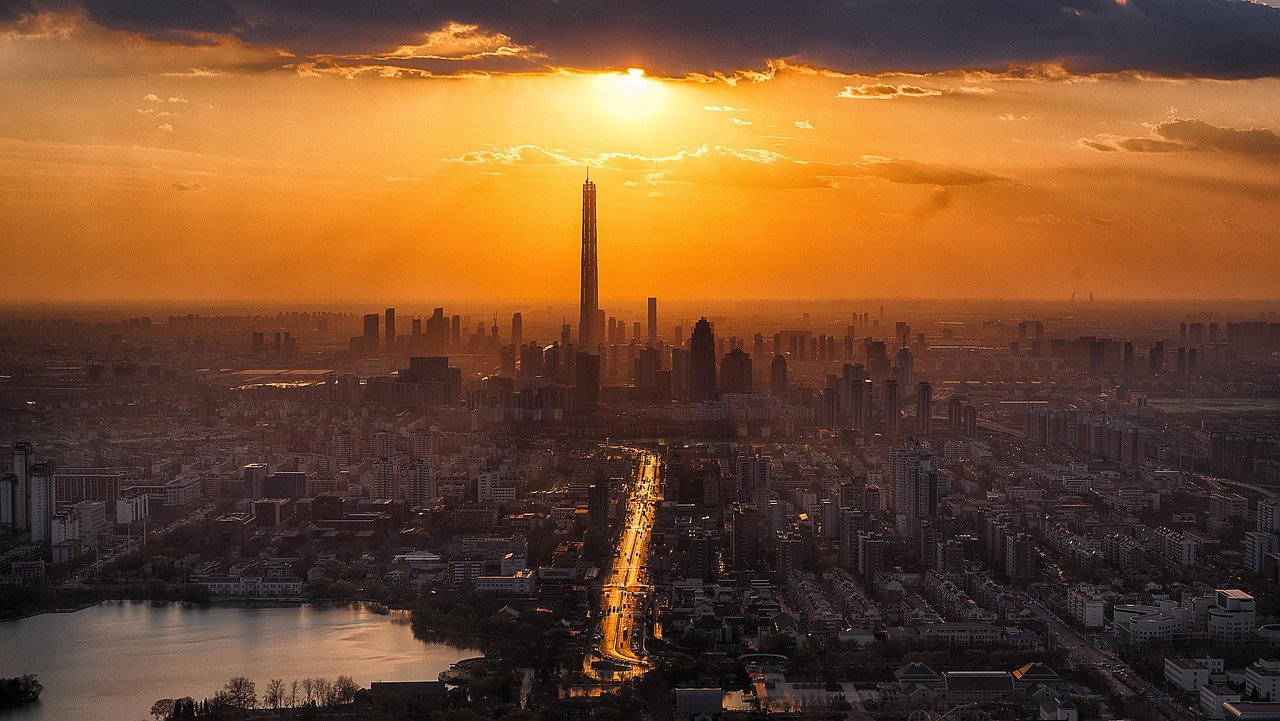
Rif Dimashq
Rif Dimashq, the fertile countryside surrounding Damascus, blends historic towns, orchard-covered plains and mountain views with a strong sense of Syrian tradition.
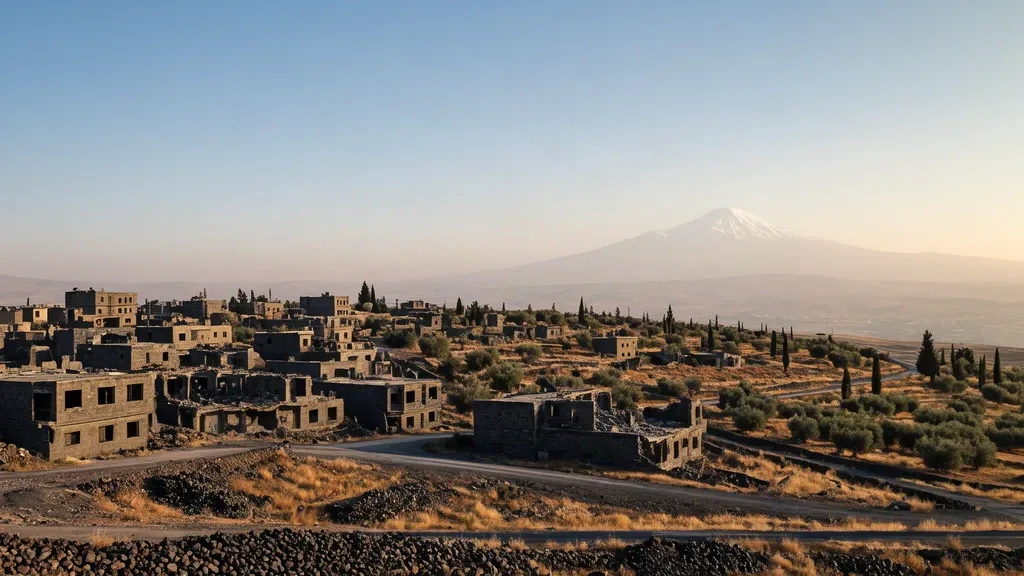
Quneitra
Quneitra, a city in southwestern Syria near the Golan Heights, carries a layered history and a distinctive highland setting that shapes its role in the surrounding region.