Valencia
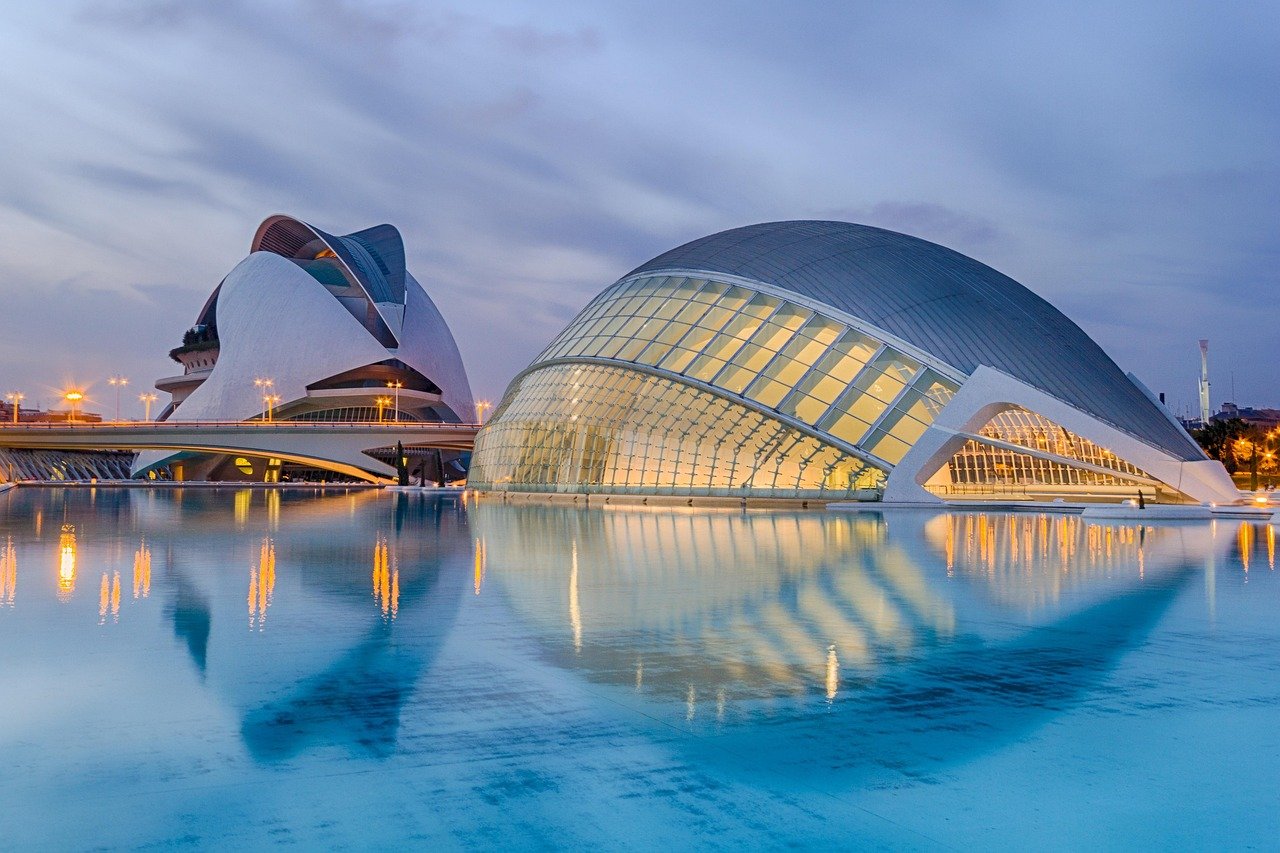
Valencia, Spain's third-largest city, blends a historic old town and the futuristic City of Arts and Sciences with Mediterranean beaches, lively markets and a rich culinary scene.
Passengers
Luggage
About Valencian Community
Valencia is Spain's third-largest city and the capital of the Valencian Community, located on the Mediterranean coast where the Turia River meets the sea. The city is known for its historic old town, futuristic architecture, sandy beaches and long food culture, especially its role as the home of paella.
Founded by the Romans around 138 BC as Valentia Edetanorum, Valencia preserves layers of history across its centre. Landmarks include Valencia Cathedral, the UNESCO-listed Lonja de la Seda silk exchange, the Serranos and Quart towers, and the large Art Nouveau Mercado Central.
Ciutat Vella and the El Carmen district offer narrow streets, historic squares and lively bars, while Ruzafa is a creative neighbourhood known for cafés, restaurants and nightlife. To the east, El Cabanyal and the Malvarrosa area provide access to urban beaches, and the Turia Gardens run through the city as a long green park.
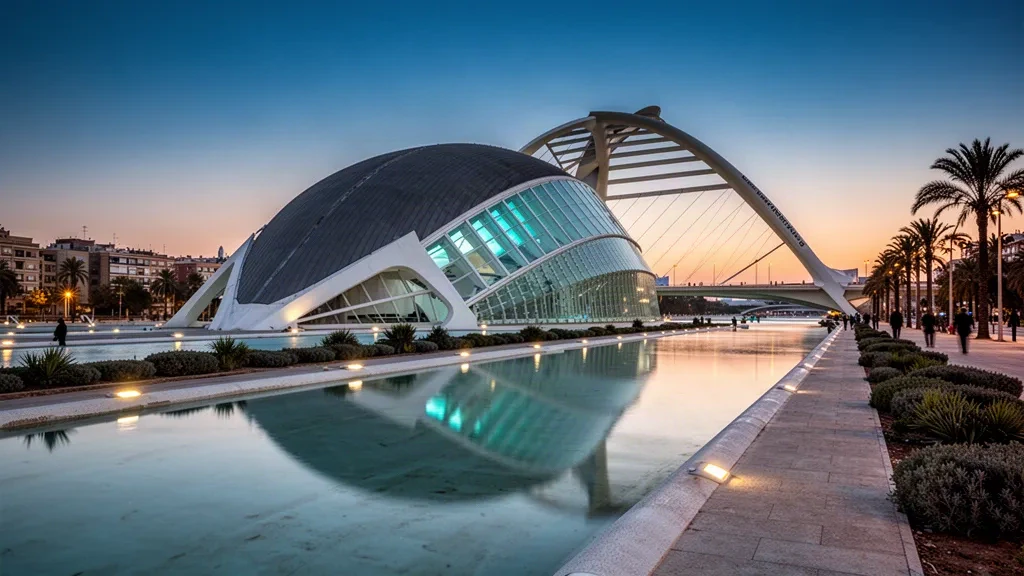
The futuristic City of Arts and Sciences has become a symbol of modern Valencia, alongside cultural venues, museums and the Bioparc. The city is also a major business and events centre, with its port, trade fair activity, technology sector and conference infrastructure supporting international visitors.
For travellers, Valencia offers a compact Mediterranean mix of culture, cuisine, beaches and business. The March Fallas festival, year-round food scene and easy connections to nearby destinations make it relevant for both short leisure breaks and longer business trips.
Valencian Community Travel Guide
Best Time to Visit
Spring and early autumn offer mild temperatures and fewer crowds than peak summer. March brings the famous Fallas festival, while summer is best for beach time and open-air events.
How to Get Around
Valencia has a compact centre that is easy to explore on foot or by bike, supported by Metrovalencia metro and tram lines, EMT buses and taxis. A rechargeable travel card or the Valencia Tourist Card can be useful for public transport and some attractions.
Where to Stay
Ciutat Vella and El Carmen put you close to historic sights and nightlife, while Ruzafa is popular for food, bars and a creative atmosphere. The Eixample and areas near the City of Arts and Sciences offer modern hotels, and El Cabanyal is convenient for the beach.
Food & Drink
Valencia is the birthplace of paella, and traditional rice dishes are best tried in restaurants near the coast or Albufera. The Mercado Central, Mercado de Colón and local horchaterías add tapas, pastries and the refreshing drink horchata to the city's food scene.
Ground Transportation Services in Valencian Community
Airport Transfers
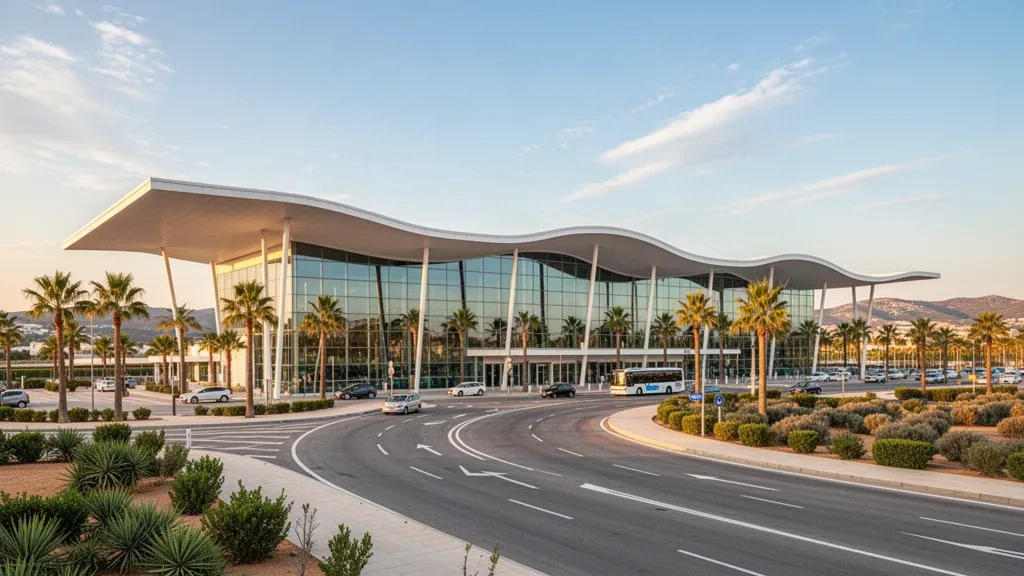
Travel between Valencia Airport (VLC) and hotels, the city centre, the port, business parks and event venues across Valencia.
Hourly Chauffeur
Book a private chauffeur by the hour for business meetings, events, sightseeing and flexible travel around Valencia.
Car Rental
Rent a car in Valencia for independent travel around the city and convenient trips to nearby beaches, Albufera Natural Park or other towns.
Bus & Group Transfers
Arrange minibuses or charter buses for groups, corporate travel, events, airport transfers and tours in Valencia.
Frequently Asked Questions
Related Cities in Spain
View all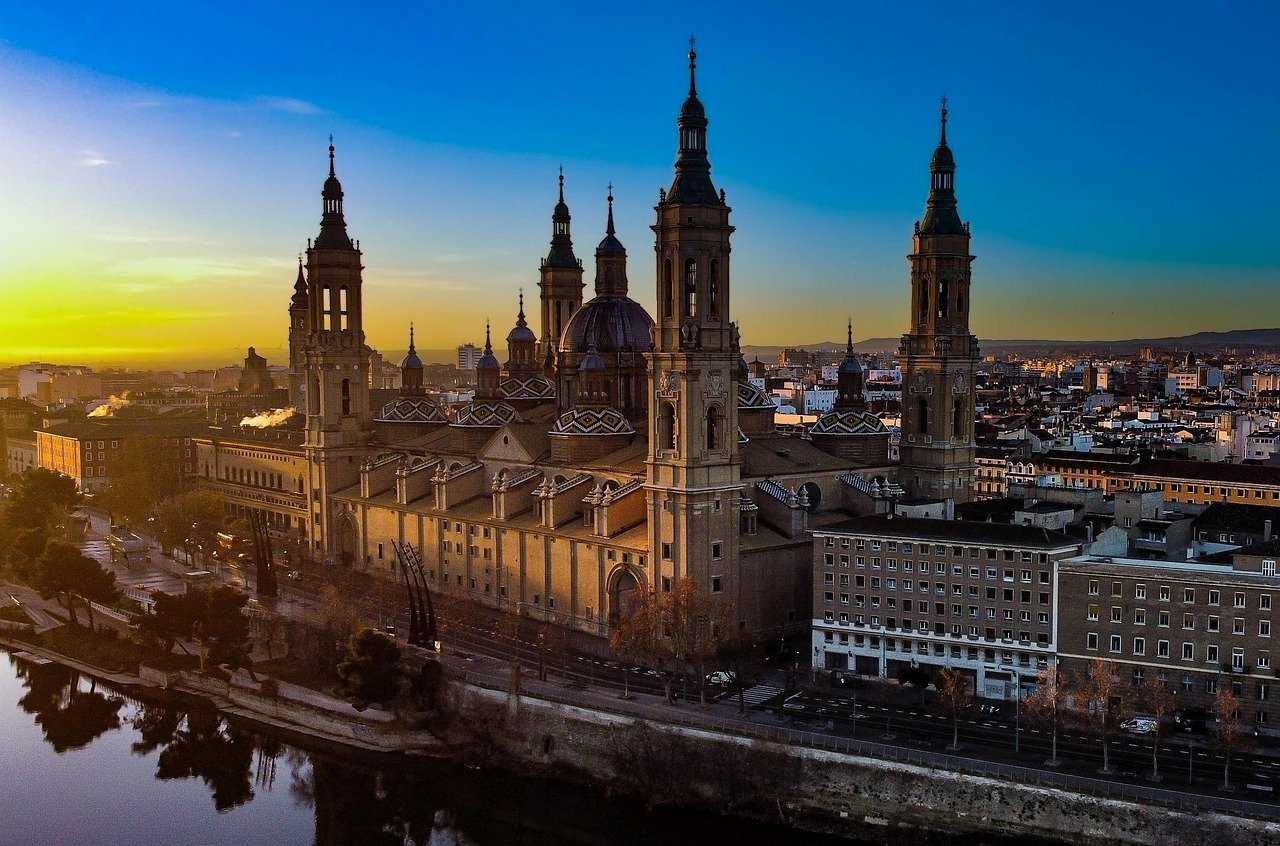
Zaragoza
Zaragoza, Aragon's lively capital on the Ebro River, pairs Roman and Mudéjar heritage with the baroque Basilica del Pilar, broad boulevards and a renowned tapas scene. Its historic center and riverside parks make it an easygoing base for exploring northeastern Spain.
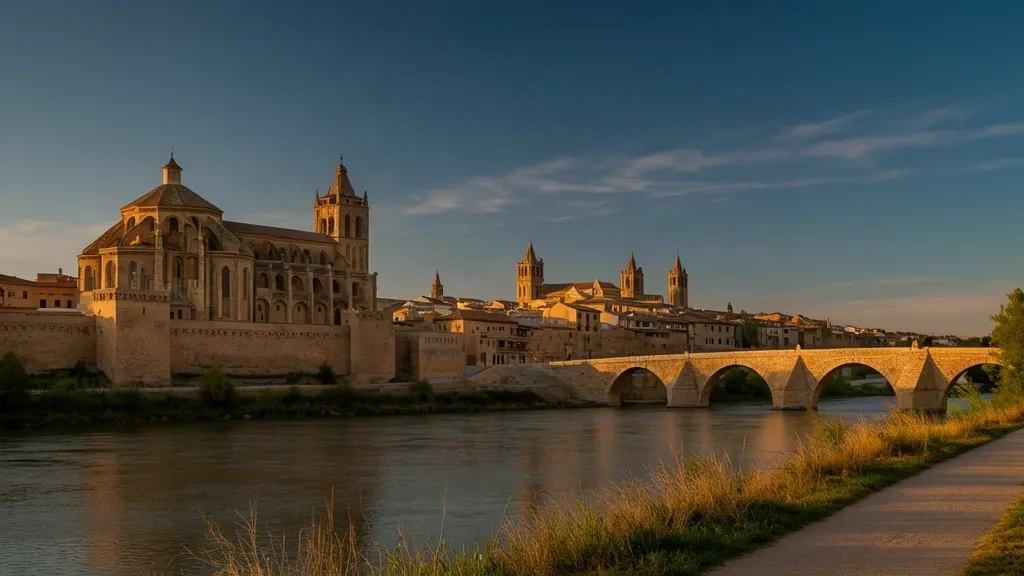
Zamora
Zamora, a historic city in northwestern Spain, is known for its Romanesque churches, medieval walls and riverside setting along the Duero. Its compact old town and Holy Week traditions give it a distinctive Castilian character.
Valladolid
Valladolid, a historic city in Spain's Castile and León region, pairs elegant architecture and a lively plaza culture with a notable university and business scene. Its Plaza Mayor and cathedral anchor a compact, walkable centre.