Burgos
Burgos is a historic city in northern Spain, known for its UNESCO-listed Gothic cathedral, medieval old town, and enduring link to the Camino de Santiago.
Passengers
Luggage
About Burgos
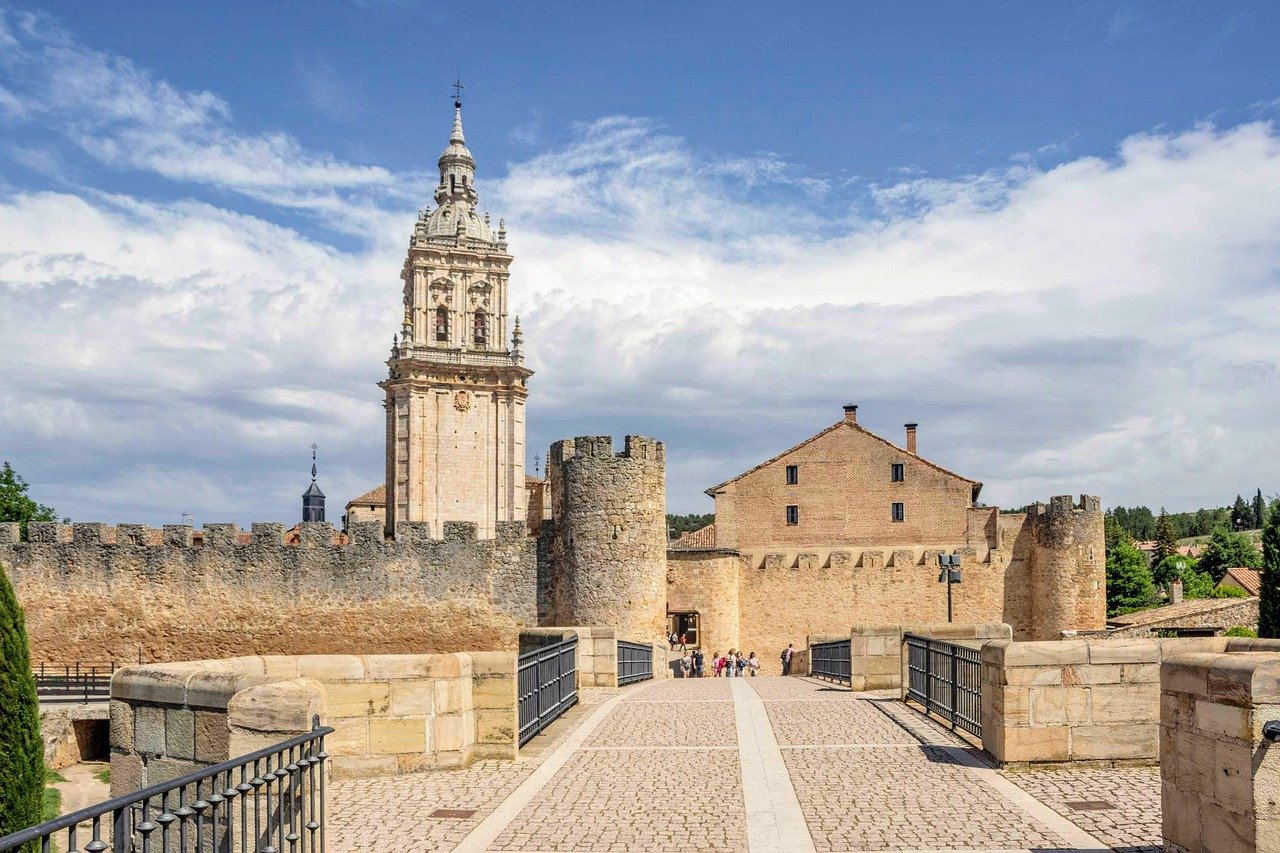
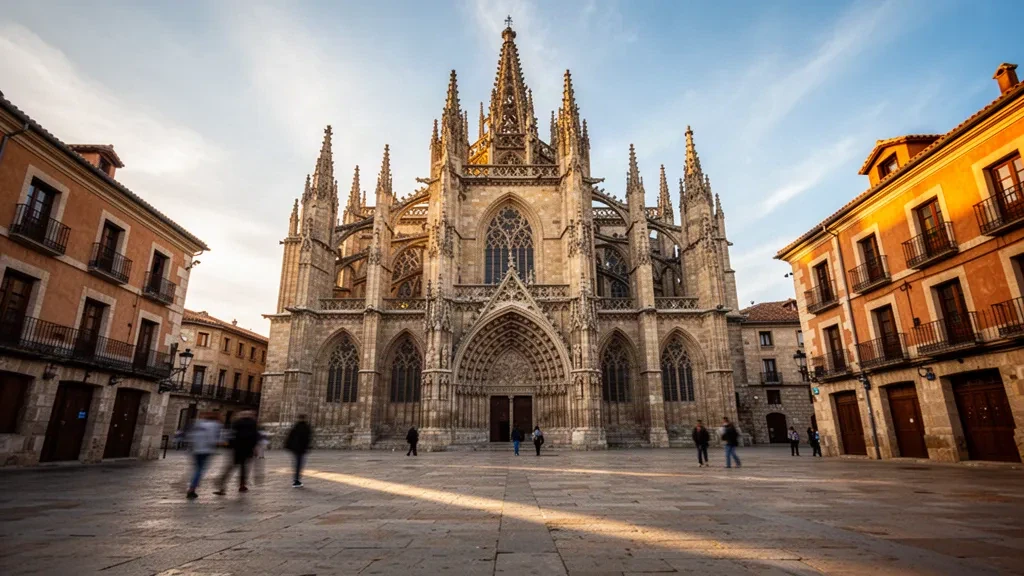
Burgos is a historic city in northern Spain's Castile and León region, known as the former capital of the old Kingdom of Castile. Its Gothic cathedral, a UNESCO World Heritage Site, dominates the skyline and gives the city a distinctly monumental character, while the Arlanzón River and tree-lined Paseo del Espolón bring an easygoing, walkable feel to daily life.
Founded in 884 as a frontier outpost of the Christian kingdoms, Burgos grew into a major stop on the Camino de Santiago and the burial place of the legendary knight El Cid. Landmarks such as the 13th-century Cathedral of Santa María, the Royal Monastery of Las Huelgas and the Charterhouse of Miraflores trace that long history through Gothic, Mudéjar and Renaissance architecture.
The compact historic centre rewards walking, from the Renaissance Arco de Santa María and the arcaded Plaza Mayor to the riverside promenades and the hilltop castle viewpoint. The Museum of Human Evolution connects the city to the nearby Atapuerca archaeological sites, while the surrounding province offers monasteries, wine country and quiet countryside.
Burgos is also a practical regional centre with industry, universities and a growing meetings sector. Its food scene is a draw in its own right: the city is a UNESCO Creative City of Gastronomy, famous for morcilla de Burgos, roast suckling lamb and lively tapas streets.
For travellers, Burgos combines a manageable size with serious cultural depth, sitting on the high-speed rail corridor between Madrid and the north and close to the Camino de Santiago route.
Burgos Travel Guide
Best Time to Visit
Spring and early autumn offer mild weather for walking the historic centre and the riverside promenades. Summer brings long days and the San Pedro festivals in late June, while winter is colder and quieter with festive markets.
How to Get Around
Burgos is best explored on foot, with most landmarks concentrated in a compact historic centre. Urban buses, taxis and rental cars cover longer distances, and the Rosa de Lima train station links the city to Madrid and northern Spain.
Where to Stay
Staying near the cathedral and Plaza Mayor puts major sights, restaurants and shops within walking distance. Areas along the Paseo del Espolón and near Gamonal offer quieter, residential options with good access to public transport.
Food & Drink
Burgos is a UNESCO Creative City of Gastronomy known for morcilla de Burgos, roast suckling lamb and pinchos. Tapas streets such as Calle de San Lorenzo and the Mercado Norte area offer a mix of traditional bars and contemporary kitchens.
Ground Transportation Services in Burgos
Airport Transfers
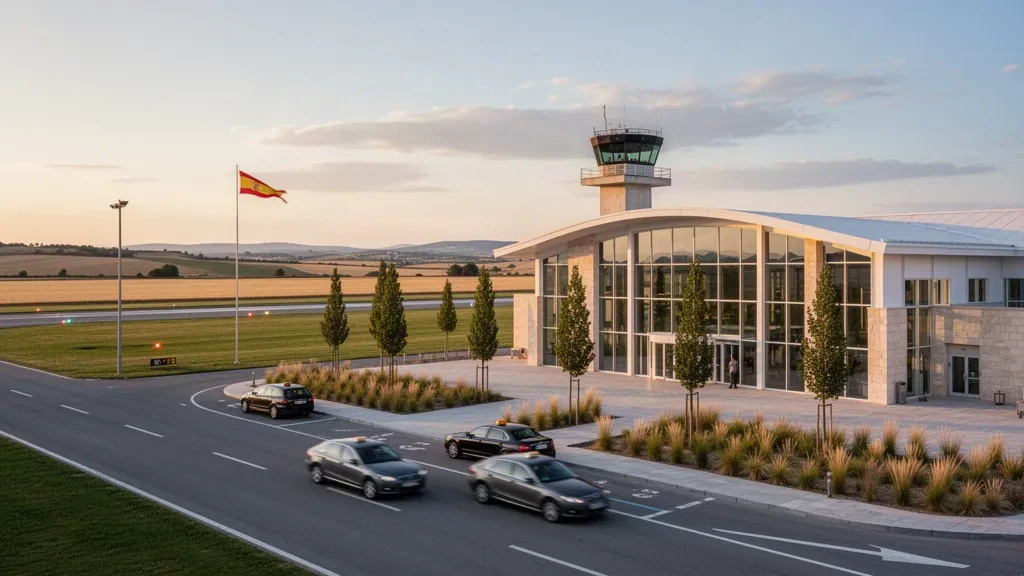
Travel between Burgos Airport and hotels, the historic centre, business areas and Camino de Santiago starting points with a pre-booked private transfer.
Hourly Chauffeur
Book a private chauffeur by the hour for business meetings, events, sightseeing and flexible travel around Burgos and nearby sites.
Car Rental
Rent a car in Burgos for independent city travel and easy day trips to Atapuerca, Las Huelgas, Miraflores and the surrounding province.
Bus & Group Transfers
Arrange minibuses or charter buses for groups, conferences, events, airport transfers and Camino de Santiago journeys in and around Burgos.
Frequently Asked Questions
Related Cities in Spain
View all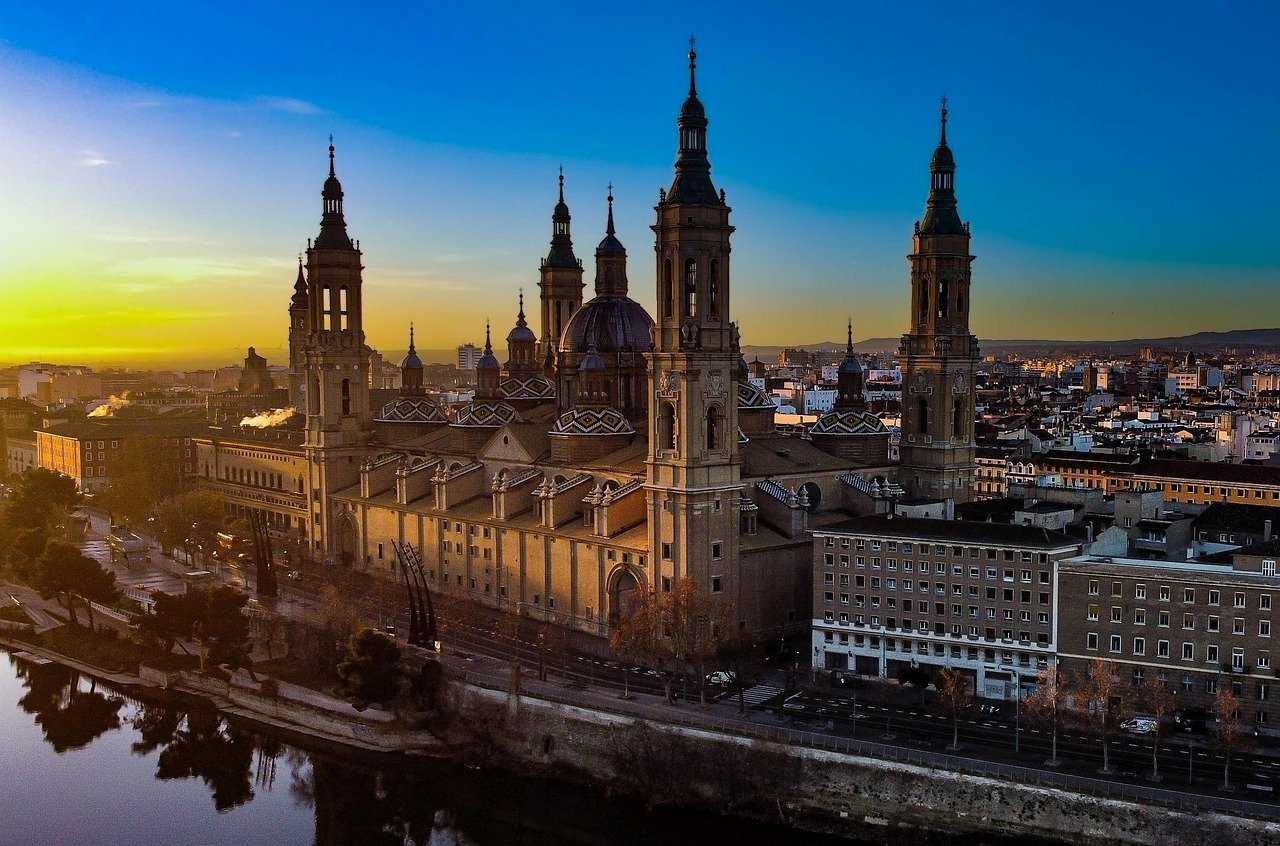
Zaragoza
Zaragoza, Aragon's lively capital on the Ebro River, pairs Roman and Mudéjar heritage with the baroque Basilica del Pilar, broad boulevards and a renowned tapas scene. Its historic center and riverside parks make it an easygoing base for exploring northeastern Spain.
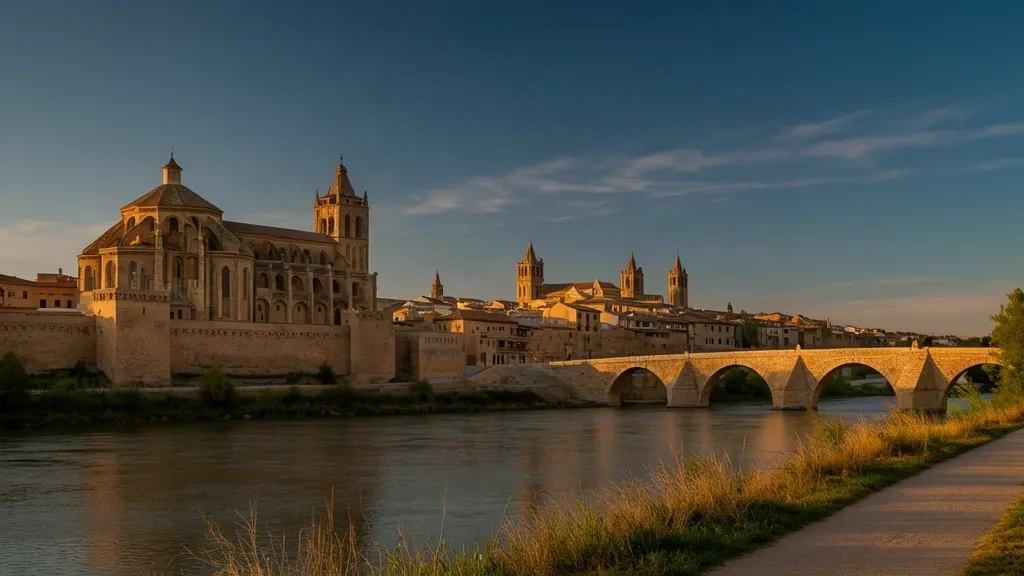
Zamora
Zamora, a historic city in northwestern Spain, is known for its Romanesque churches, medieval walls and riverside setting along the Duero. Its compact old town and Holy Week traditions give it a distinctive Castilian character.
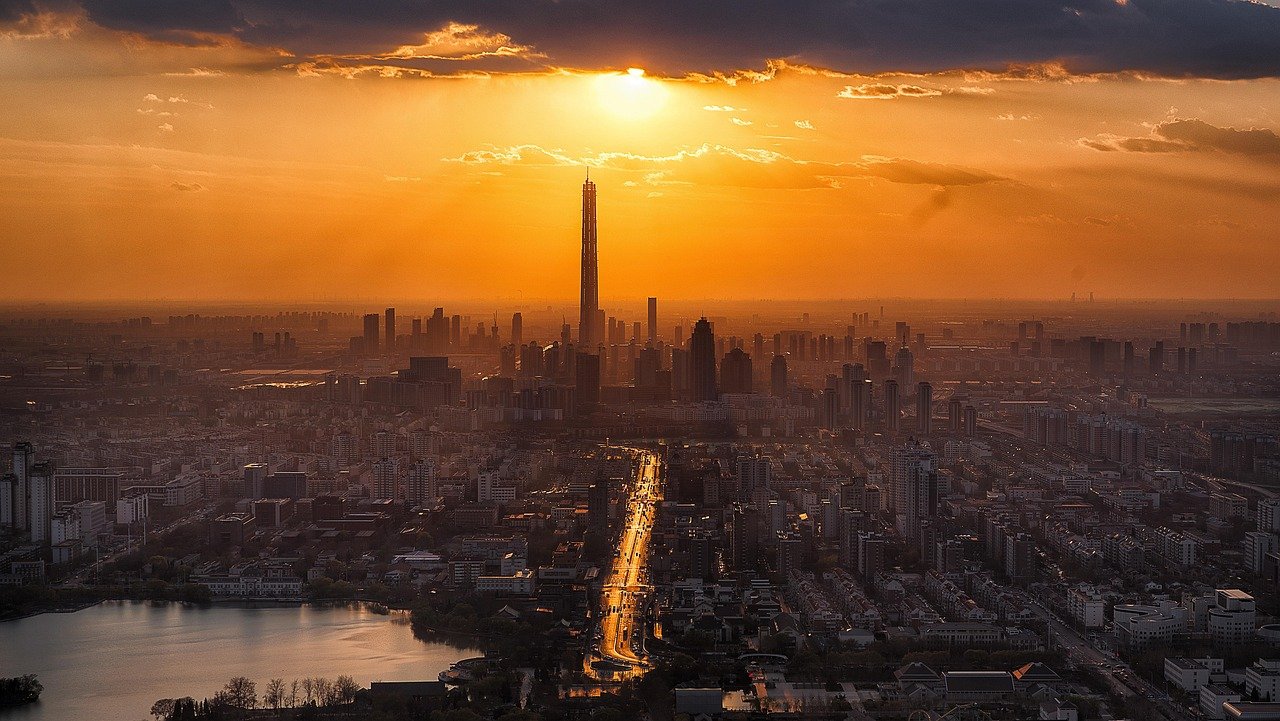
Valladolid
Valladolid, a historic city in Spain's Castile and León region, pairs elegant architecture and a lively plaza culture with a notable university and business scene. Its Plaza Mayor and cathedral anchor a compact, walkable centre.