Dakar
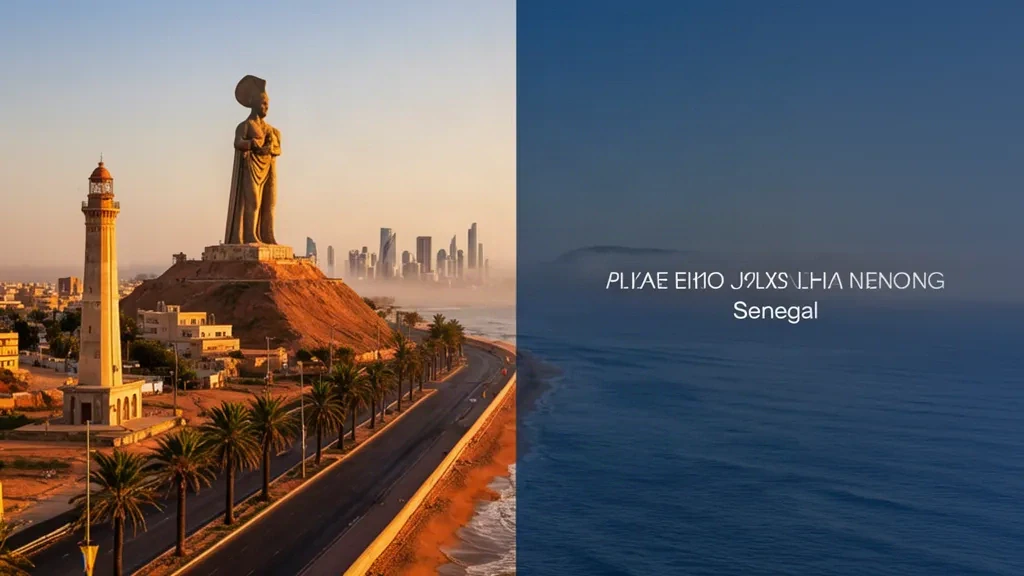
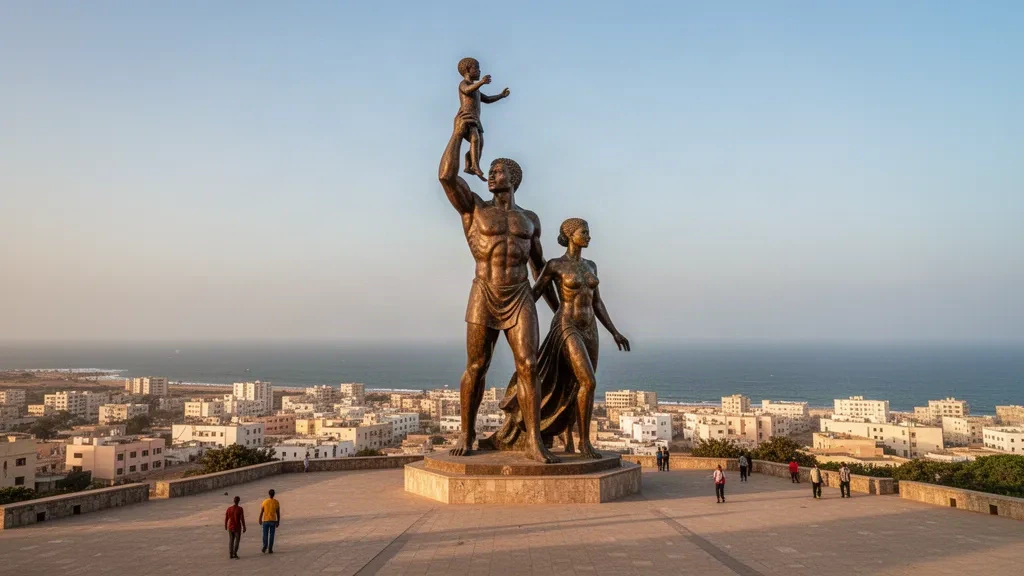
Dakar, Senegal's vibrant capital on the Atlantic coast, blends colonial heritage, bustling markets and contemporary art with a lively music and food scene. As a major West African business hub, it pairs landmark sights such as the African Renaissance Monument with ferry trips to Gorée Island and easy access to nearby beaches.
Passengers
Luggage
About Dakar
Dakar is the capital and largest city of Senegal, set on the Cape Verde Peninsula at the westernmost point of mainland Africa. Its coastal position, busy port and role as the country's political and economic centre give the city a fast-moving, outward-looking character shaped by French, Wolof and wider West African influences.
The city grew from a French colonial outpost established in the 19th century and became the capital of French West Africa in 1902. That history remains visible in the Plateau district's government buildings and colonial-era streets, while the UNESCO-listed island of Gorée is a short ferry ride away and is known for the Maison des Esclaves, a solemn reminder of the Atlantic slave trade.
Dakar's landmarks include Place de l'Indépendance, the African Renaissance Monument, the Grand Mosque of Dakar and the markets and craft workshops of Médina. The city is also one of West Africa's leading cultural hubs for music, art, film and fashion, and it hosts Dak'Art, the Dakar Biennale of contemporary African art.
Business and international activity are concentrated around the Plateau, the port and newer developments in Almadies and Ngor, while the Corniche and beaches at Ngor and Yoff offer leisure close to the centre. Restaurants and cafés mix Senegalese dishes such as thieboudienne with French and international influences.
Whether visiting for government and business meetings, creative events, surfing or as a starting point for exploring Senegal, Dakar offers a lively and practical base that reflects both modern West Africa and a deep historical identity.
Dakar Travel Guide
Best Time to Visit
The dry season from November to May is the most comfortable time to visit Dakar, with December to April offering cooler, less humid conditions for sightseeing. The rainy season from July to October brings humidity and occasional heavy downpours.
How to Get Around
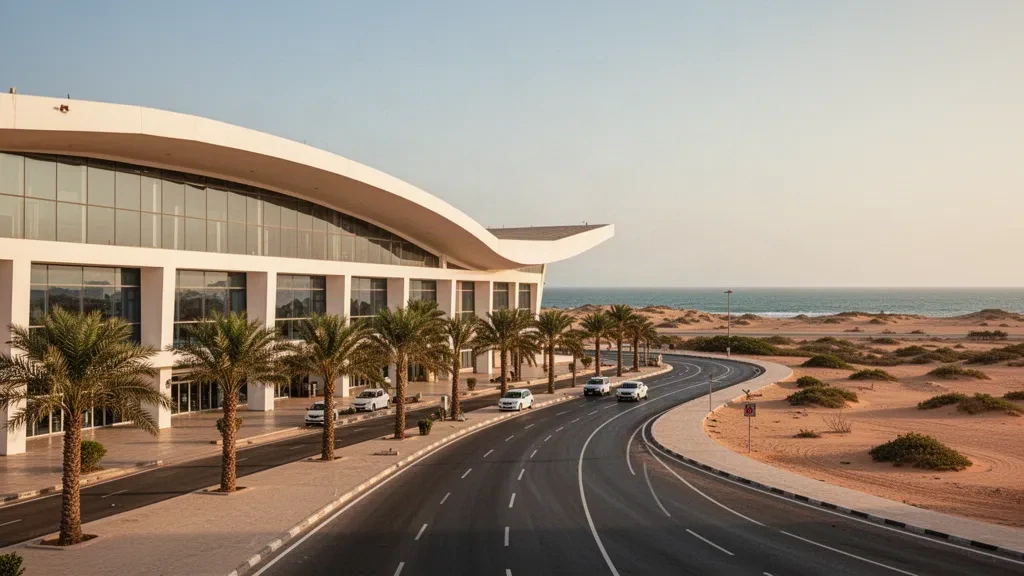
Dakar is served by urban buses, shared minibuses, taxis and the TER regional train linking the centre with Diamniadio and Blaise Diagne Airport. Traffic can be heavy at peak times, so visitors should allow extra time for journeys.
Where to Stay
Plateau is convenient for government buildings, business and major landmarks, while Almadies and Ngor offer coastal hotels, restaurants and beaches. Médina provides a more local atmosphere with markets and artisan workshops.
Food & Drink
Dakar's food scene centres on Senegalese staples such as thieboudienne, yassa and mafé, alongside fresh seafood, street food and French-influenced cafés. Local markets and neighbourhood restaurants offer plenty of choice across the city.
Ground Transportation Services in Dakar
Airport Transfers
Travel between Blaise Diagne International Airport and hotels, business districts and venues across Dakar, including Plateau, Almadies and Ngor.
Hourly Chauffeur
Book a private chauffeur by the hour for business meetings, events, sightseeing and flexible travel around Dakar and the Cap-Vert Peninsula.
Car Rental
Rent a car in Dakar for independent travel around the city and convenient trips to nearby destinations such as Lac Rose or the Gorée ferry terminal.
Bus & Group Transfers
Arrange minibuses or charter buses for groups, corporate travel, events, airport transfers and tours in Dakar and nearby areas.
Frequently Asked Questions
Related Cities in Senegal
View all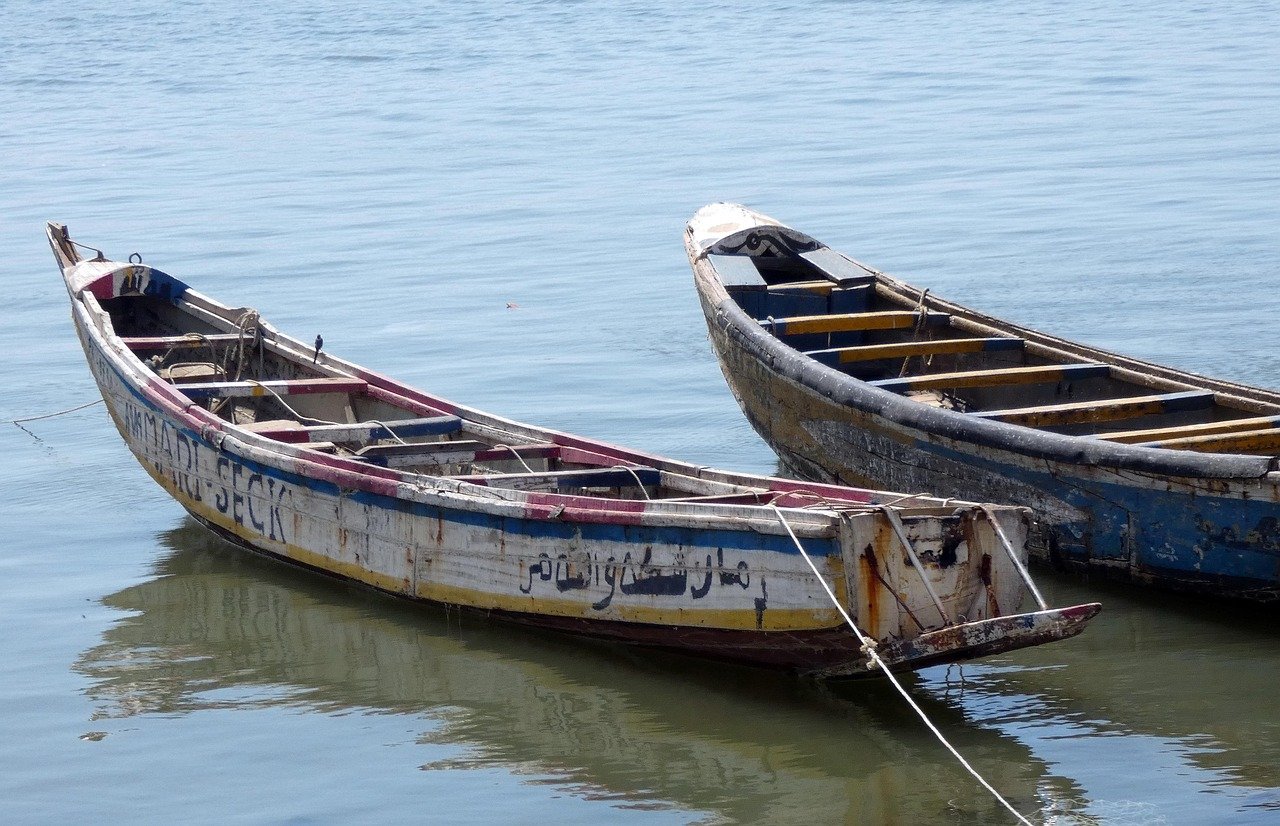
Ziguinchor
Ziguinchor, the capital of Senegal's Casamance region, sits on the Casamance River and blends colonial-era architecture, busy markets and a relaxed riverside atmosphere. It is a cultural and economic hub for southern Senegal and a common base for exploring the region's forests, waterways and nearby coast.
Thiès
Thiès, a historic railway hub in western Senegal, blends bustling markets, tapestry workshops and colonial-era architecture with a lively cultural calendar near the Petite Côte beaches.
Tambacounda
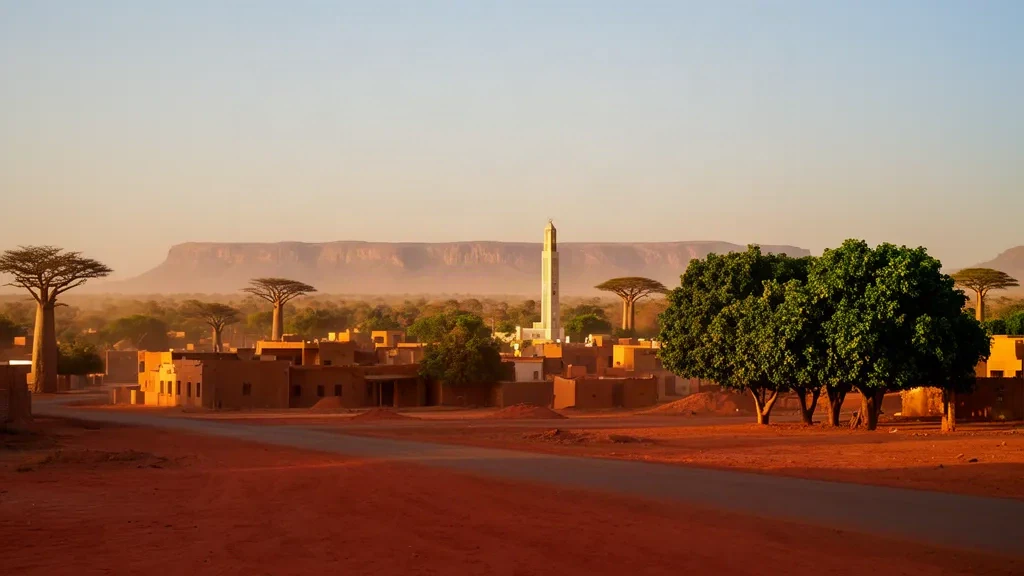
Tambacounda, eastern Senegal's largest city and a historic crossroads, is the gateway to Niokolo-Koba National Park, with vibrant markets and a blend of Pulaar, Mandinka and Wolof traditions.