Príncipe
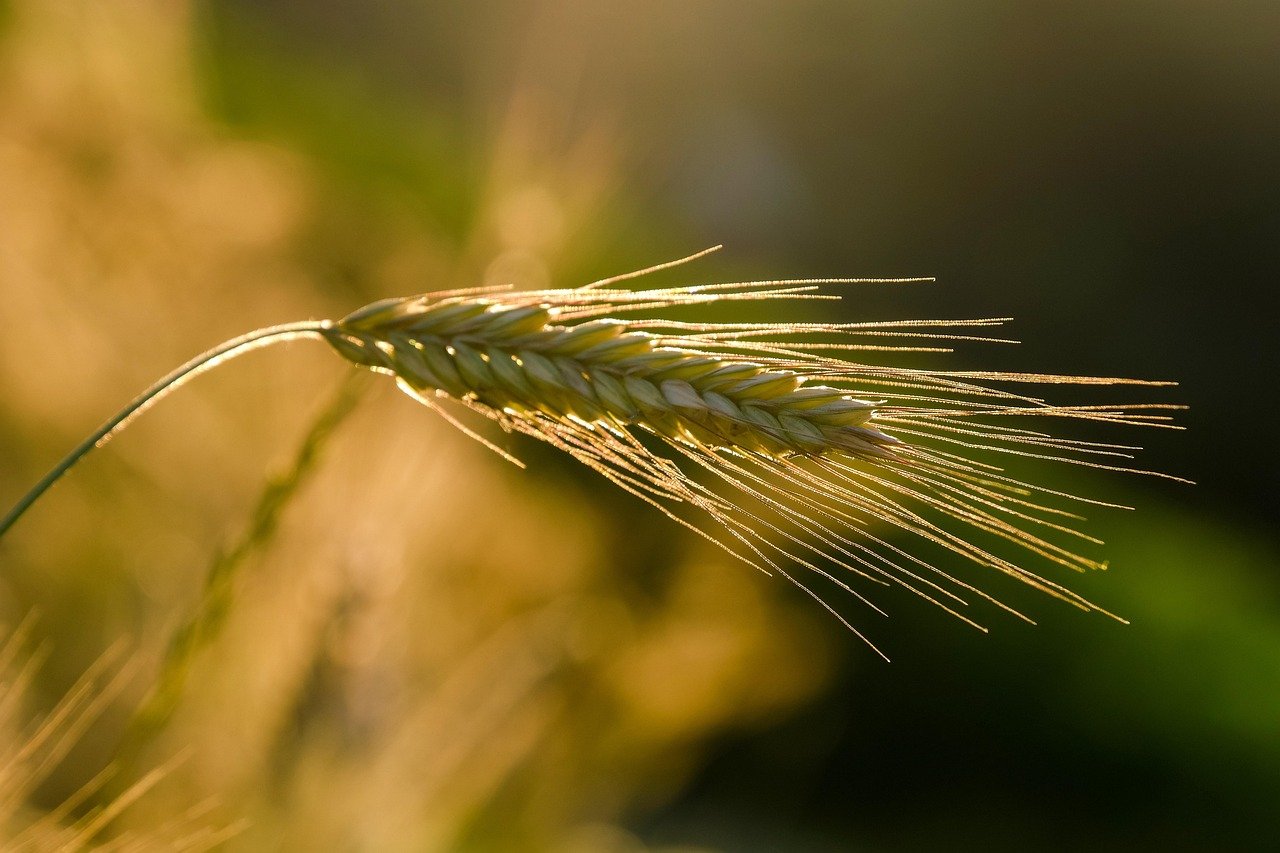
Príncipe, a UNESCO Biosphere Reserve, is known for its lush rainforest, volcanic peaks, secluded beaches and relaxed island culture.
Passengers
Luggage
About Príncipe
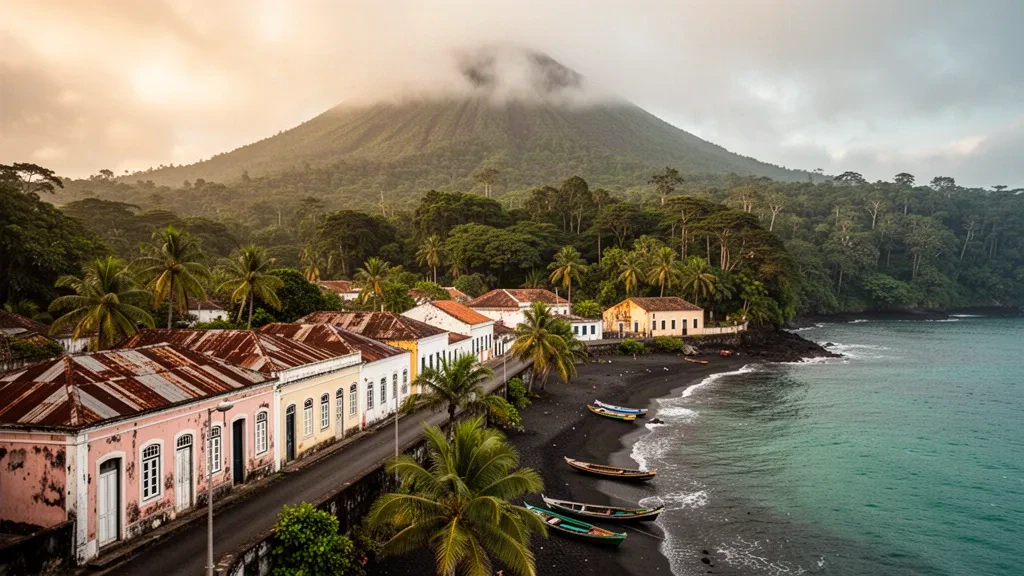
Príncipe is the smaller of the two main islands of São Tomé and Príncipe, a volcanic island in the Gulf of Guinea where dense rainforest, former cocoa plantations and a handful of coastal settlements create a calm, low-rise destination. The island's administrative and commercial centre is Santo António, a compact town of pastel colonial buildings facing a small harbour on the north coast.
Portuguese sailors reached the island in 1471, and centuries of plantation agriculture shaped its settlements and economy. Príncipe became a UNESCO Biosphere Reserve in 2012, and its history is still visible in restored roças such as Roça Sundy, where Arthur Eddington's 1919 eclipse observations helped confirm Einstein's theory of general relativity.
Much of the island is protected forest within Obo Natural Park, with trails leading to viewpoints and the summit of Pico do Príncipe. Praia Banana is a curved palm-lined beach, Ilhéu Bom Bom offers snorkelling and quiet shoreline walks, and Santo António's churches and waterfront reflect the island's colonial past.
Beyond Santo António, small communities such as Sundy and Bombom are linked by winding roads through former plantations and forest. Visitors can tour cocoa and chocolate production, watch nesting sea turtles in season, listen for endemic frogs and birds, or explore the island's reefs and dive sites with local guides.
Príncipe draws eco-travellers, divers and hikers, while its small lodges and restored plantation hotels also serve retreats and low-volume business travel. Its remote setting, distinctive biodiversity and unhurried pace make it a focused alternative to larger island destinations.
Príncipe Travel Guide
Best Time to Visit
The dry season from June to September offers the most reliable conditions for hiking, diving and beach days, with calmer seas and drier trails. December to February is also relatively dry and popular, while the October-to-May rains bring lush forest, waterfalls and fewer visitors.
How to Get Around
Santo António is small enough to explore on foot, and taxis, shared minibuses and hire cars cover the rest of Príncipe. A 4x4 is useful on the island's rough plantation and forest roads, and travellers move between Príncipe and São Tomé by short domestic flight or occasional ferry.
Where to Stay
Most visitors stay in Santo António guesthouses, restored plantation lodges such as Roça Sundy, or eco-resorts at Bombom and nearby beaches. Accommodation is limited and books out in the dry season, so advance reservations are advisable.
Food & Drink
Local menus feature fresh fish, crab and octopus alongside Portuguese-influenced stews, tropical fruit and island-grown chocolate from Roça Sundy. Meals are often served at lodges and small family-run restaurants, with local rum appearing at relaxed waterfront spots.
Ground Transportation Services in Príncipe
Airport Transfers
Arrange transfers between Príncipe Airport (PCP) and Santo António guesthouses, eco-lodges and resorts across the island.
Hourly Chauffeur
Book a private driver by the hour for plantation visits, Roça Sundy tours, beach excursions and flexible island sightseeing.
Car Rental
Rent a 4x4 or other vehicle in Santo António for independent travel across Príncipe's winding plantation and forest roads.
Bus & Group Transfers
Organise minibuses or charter vehicles for resort arrivals, tour groups, events and coordinated transfers around Príncipe.

Frequently Asked Questions
Related Cities in Sao Tome and Principe
View all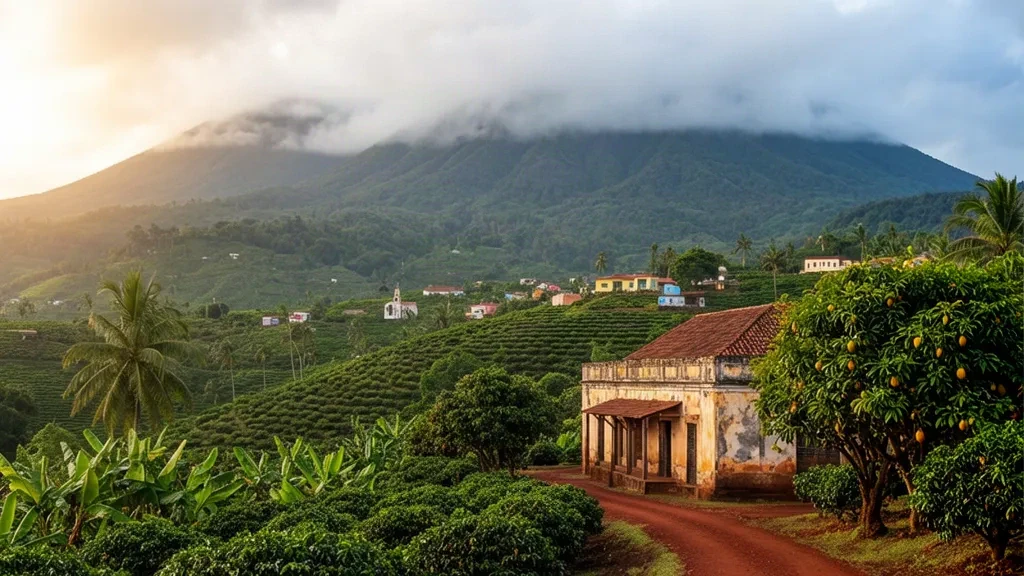
Mé-Zóchi
Mé-Zóchi, on the island of São Tomé, blends lush cocoa plantations, volcanic scenery and a quiet island way of life.
Lobata
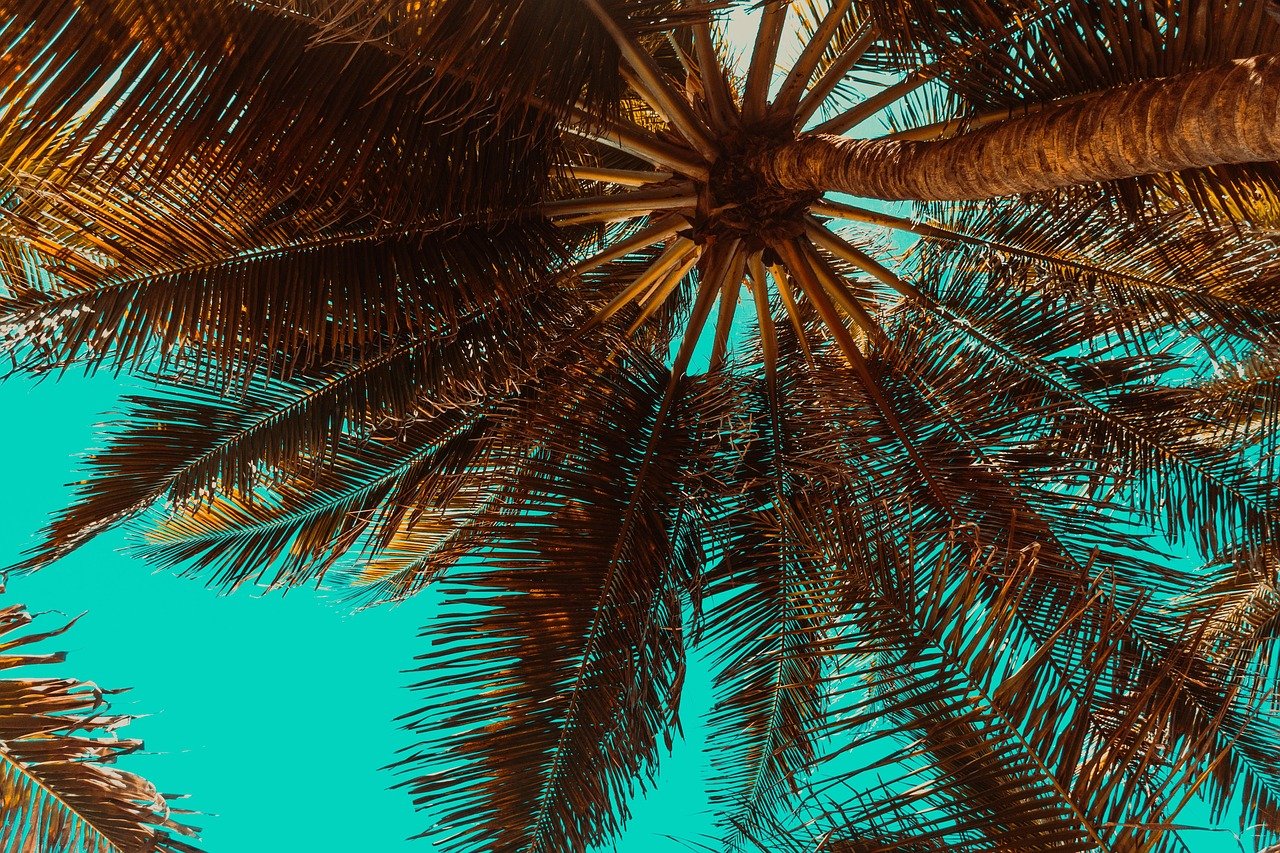
Lobata, on the northern coast of São Tomé Island, is a quiet district shaped by plantation history, green hills and views of the Atlantic.
Lemba
Lemba, a town on the western coast of São Tomé Island, is surrounded by lush tropical scenery and a quiet coastal atmosphere that reflects the island's relaxed rhythm.