Tawi-Tawi
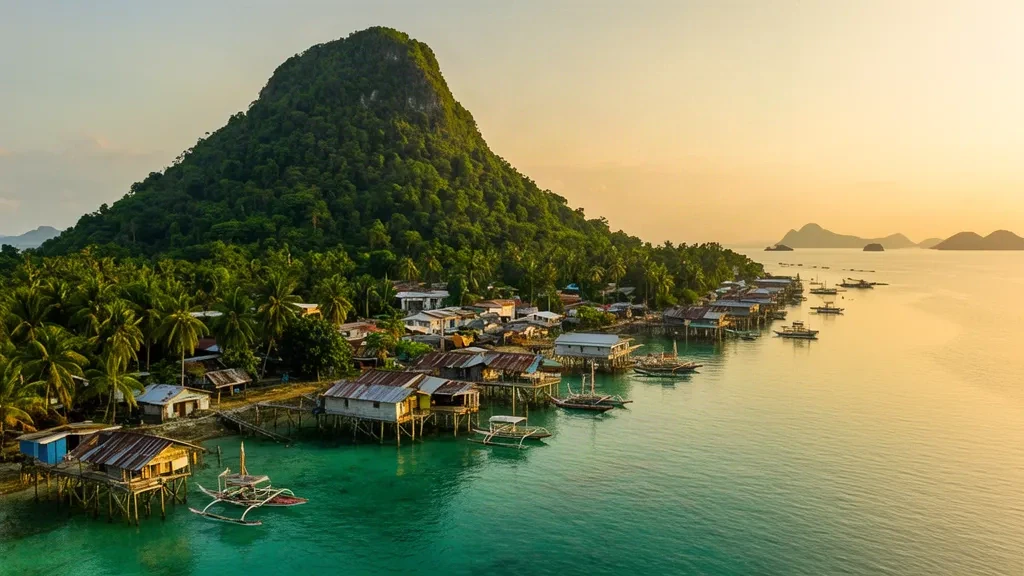
Tawi-Tawi, the Philippines' southernmost island province, blends Sama-Bajau seafaring heritage, colorful vinta sails, historic mosques and quiet coral coasts.
Passengers
Luggage
About Tawi-Tawi
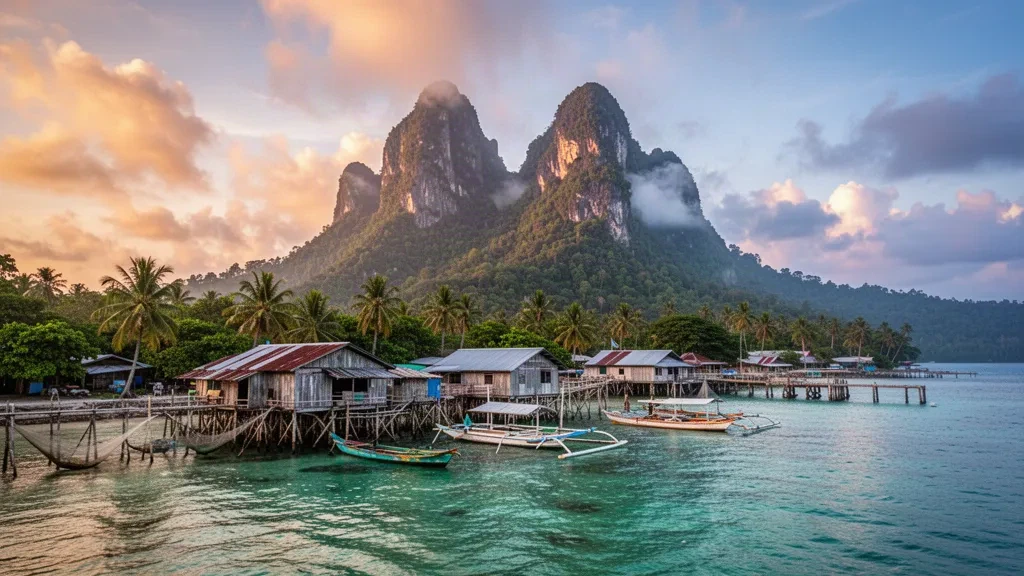
Bongao is the capital of Tawi-Tawi, the Philippines' southernmost island province, and the main entry point to an archipelago of more than 300 islands. Set on Bongao Island between the Sulu Sea and the Celebes Sea, it combines a compact coastal town centre with stilted Sama communities, fishing boats and green hills rising directly above the water.
The town's defining landmark is Bud Bongao, a sacred mountain that towers over the settlement. Local pilgrims and visitors climb its forested trails to feed resident macaques and reach panoramic lookouts over Bongao, nearby islets and the sea. The hike blends Islamic faith with older Sama beliefs and ranks among the region's most distinctive experiences.
Bongao's identity is shaped by Sama, Tausug and Badjao cultures, with trade and family ties reaching across the nearby maritime border to Sabah, Malaysia. The public market, waterfront jetties and boat terminals are lively places to see fresh seafood, seaweed products, woven mats and everyday island commerce.
As the administrative and commercial centre of Tawi-Tawi, Bongao hosts regional government offices, schools, banks and the port and airport links that serve outlying islands. Seaweed farming and fishing remain important livelihoods, and the town is a base for island-hopping to places such as Panampangan Island and the heritage village of Simunul.
For travellers, Bongao works as both a practical gateway and a window into the Sulu Archipelago's maritime culture. Business visitors come for government and trade, while leisure travellers use the town to arrange boat journeys, trek Bud Bongao and experience a quieter, culturally rich corner of the Philippines.
Tawi-Tawi Travel Guide
Best Time to Visit
The dry season from November to May brings calmer seas and clearer skies, making it the best period for island-hopping, trekking and boat travel. June to November can bring heavier rains and rougher crossings, although the province sits outside the main typhoon belt.
How to Get Around
Within Bongao, tricycles are the standard way to move between the town centre, port and nearby areas. For outlying islands, visitors use passenger boats and ferries from the wharf, while hired vehicles and private transfers can be arranged for land journeys.
Where to Stay
Most accommodation is concentrated near the town centre and coast, within easy reach of the market, port and Sanga-Sanga Airport. Options are generally modest inns, lodges and small hotels, so advance booking is wise during events and peak travel periods.
Food & Drink
Bongao's food scene centres on fresh seafood, local markets and Malay-influenced flavours. Look for grilled fish, seaweed dishes, satay, roti and the spicy noodle dish known locally as maggi kari, alongside coffee from nearby areas.
Ground Transportation Services in Tawi-Tawi
Airport Transfers
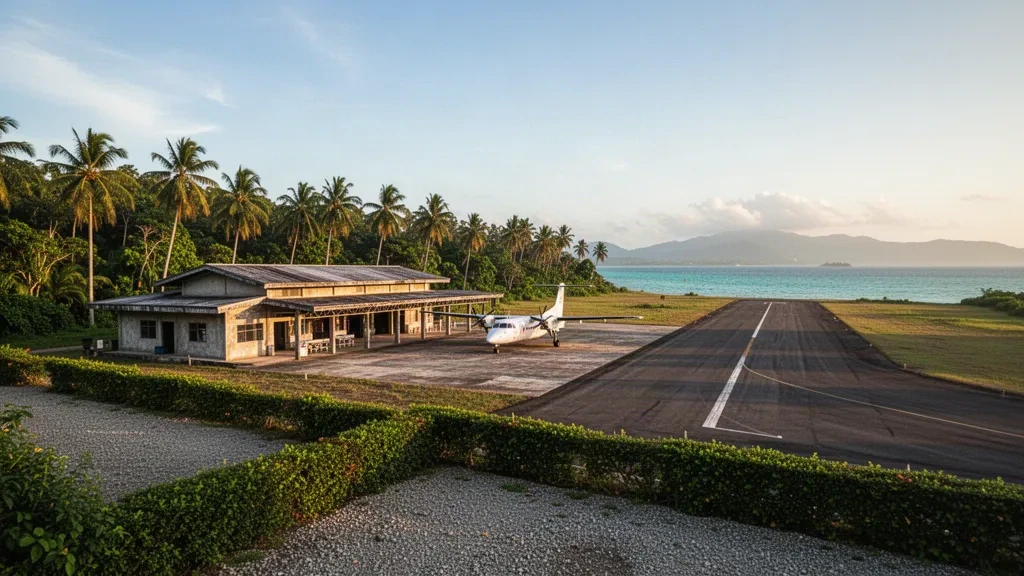
Travel between Sanga-Sanga Airport (Tawi-Tawi Airport) and Bongao town, hotels, the port and other points across Tawi-Tawi with pre-arranged private transfers.
Hourly Chauffeur
Book a private chauffeur by the hour for government or business meetings, sightseeing around Bongao, market visits and flexible travel around the island.
Car Rental
Rent a vehicle in Bongao for independent travel around the island and convenient transport between the airport, town centre and nearby destinations.
Bus & Group Transfers
Arrange minibuses or vans for groups, corporate travel, events, airport pickups and group journeys around Bongao and Tawi-Tawi.
Frequently Asked Questions
Related Cities in Philippines
View all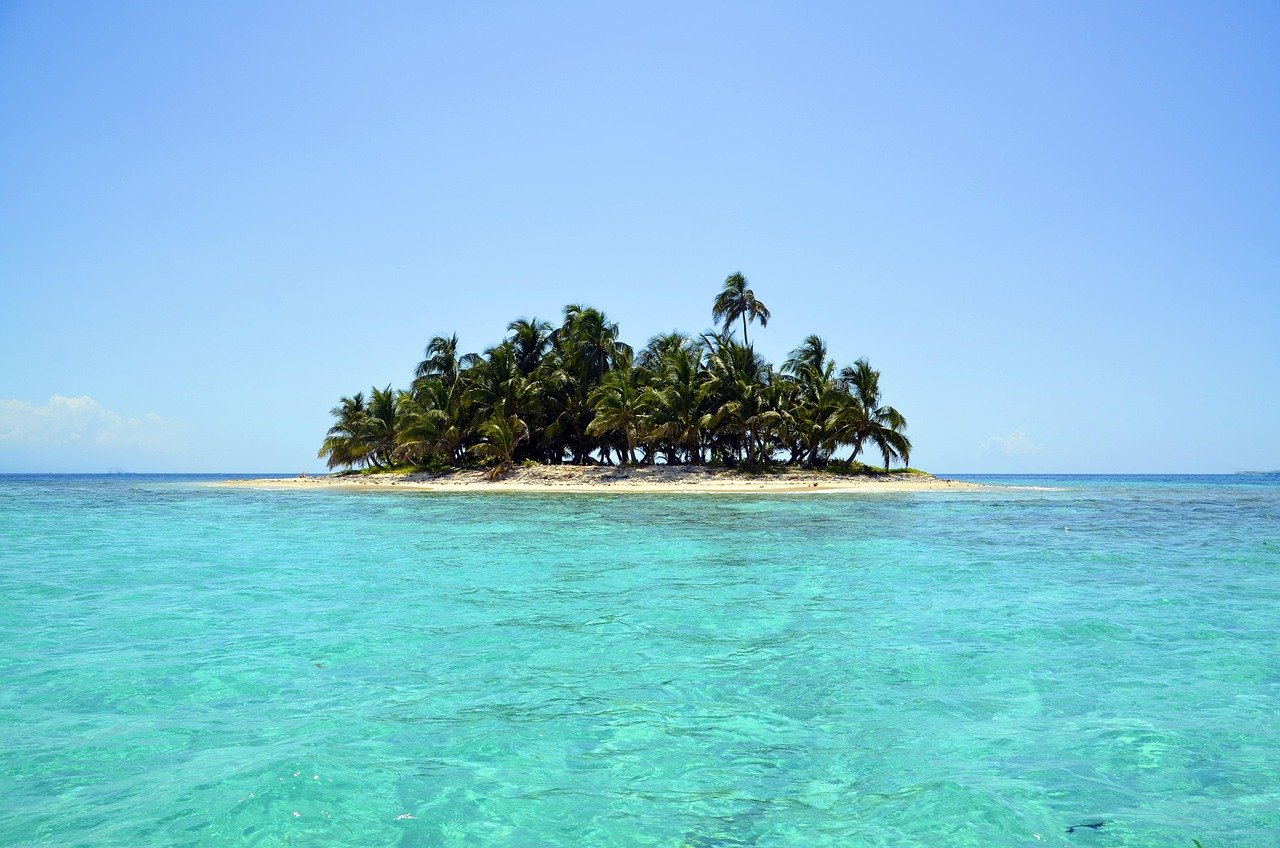
Biliran
Biliran is a laid-back coastal municipality on Biliran Island, where historic church landmarks sit close to waterfalls, hot springs and views of Mount Biliran.
Antique
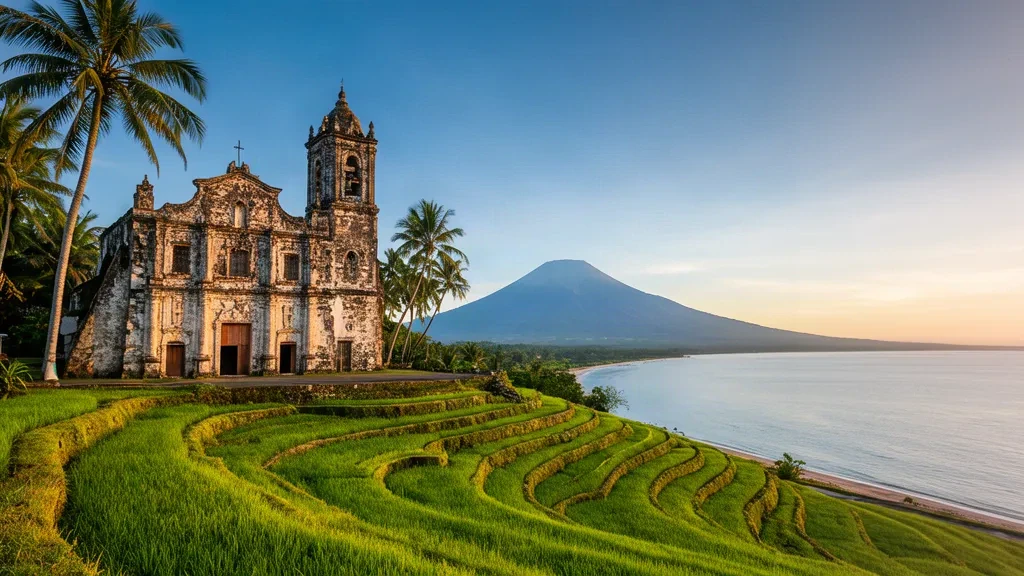
Antique, on the island of Panay in the Philippines, is known for its heritage towns, old churches, coastal villages and the rugged interior of Mount Madja-as.
Zamboanga Sibugay
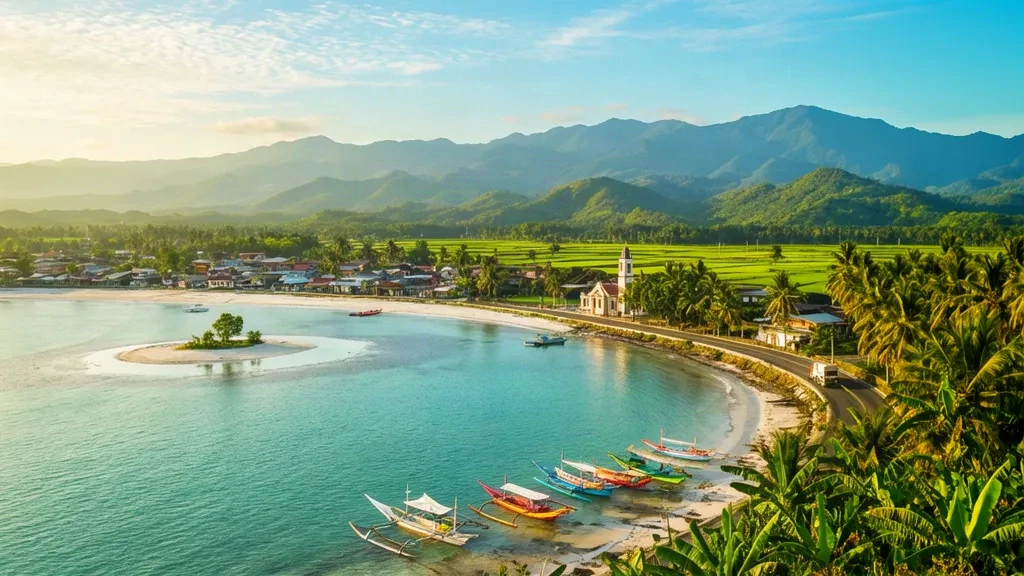
Zamboanga Sibugay, a coastal province on the Zamboanga Peninsula, is known for its rice fields, fishing villages and the lively capital town of Ipil.