Romblon
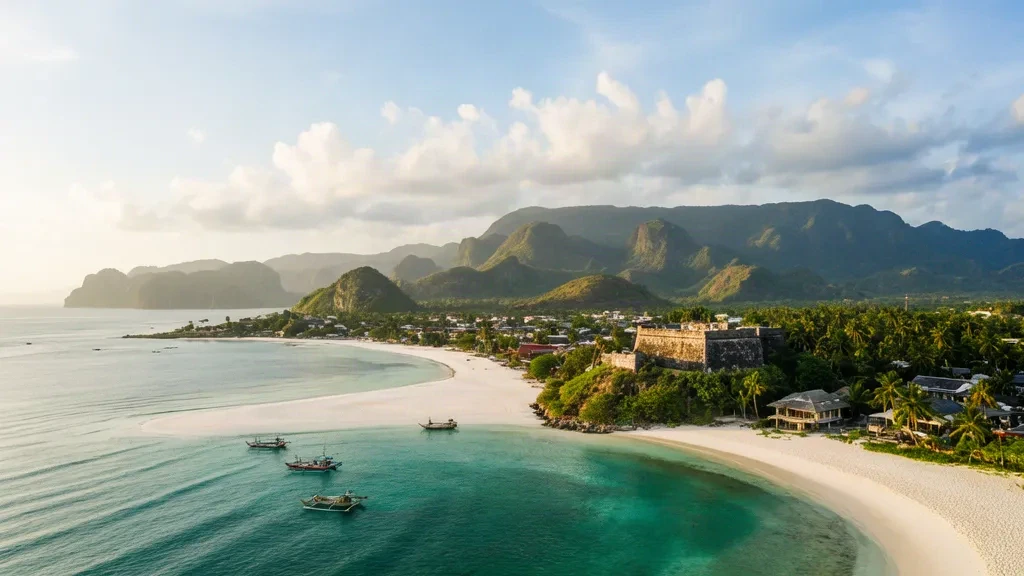
Romblon, the capital of its namesake island province, is known for centuries-old marble craftsmanship, Spanish-era forts and quiet coastal scenery. Its laid-back town center, heritage churches and surrounding beaches give travelers a genuine taste of island life in the Philippines.
Passengers
Luggage
About Romblon
Romblon, officially the Municipality of Romblon, is the compact capital of Romblon province in the Philippines' Mimaropa region. Set on the north coast of Romblon Island overlooking Romblon Bay, it is a quiet, hilly coastal town best known as the Marble Capital of the Philippines.
The town's Spanish colonial past remains visible in its twin hilltop forts, Fort San Andres and Fort Santiago, and in the centuries-old St. Joseph Cathedral with its historic bell tower. Marble quarrying and carving have shaped local life for generations, and the island's quarries and workshops supply stone used in buildings and monuments across the country.
Visitors spend time around the plaza, cathedral and port, where the compact centre is easy to explore on foot, while tricycles reach outlying beaches. Bonbon Beach is famous for the long sandbar that appears at low tide toward Bang-og Island, and nearby Tiamban Beach, Cobrador Island and local dive sites add variety for beachgoers and divers.
Romblon's food scene is built around fresh seafood, kinilaw, grilled fish and local longganisa, served in small eateries, cafés and waterside spots around town. The atmosphere is laid-back, with diving, island hopping and marble craftsmanship shaping daily life rather than large-scale tourism.
As the provincial capital and main town of Romblon Island, it functions as a gateway for both leisure travellers and visitors with government or marble-industry business, offering a low-key alternative to the Philippines' busier island destinations.
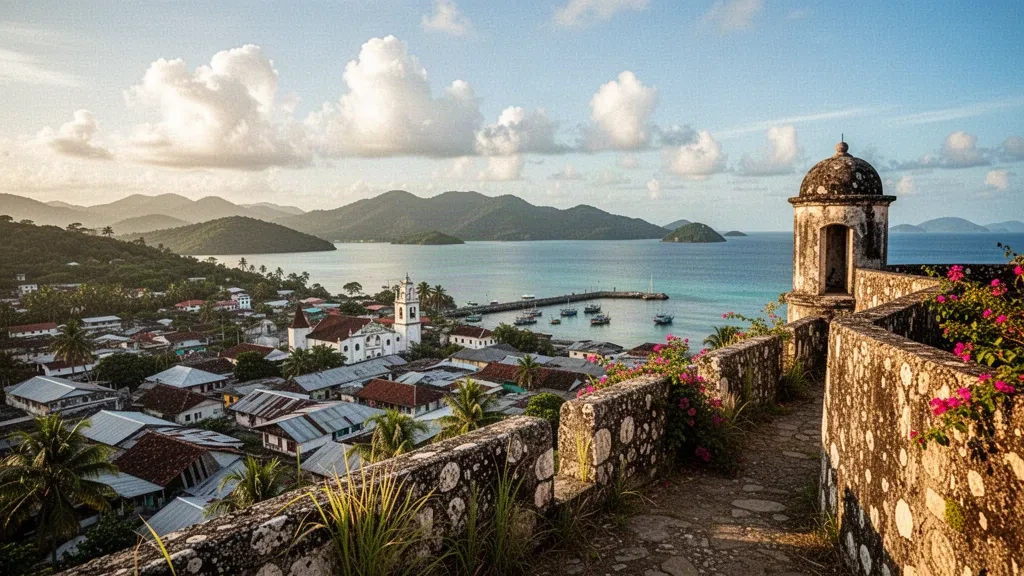
Romblon Travel Guide
Best Time to Visit
The dry season from around December to May is the best time to visit Romblon, with calmer seas, clearer water and more reliable conditions for diving, beaches and island hopping. The rainy season from June to November can bring rough ferry crossings and heavier showers.
How to Get Around
Romblon town is compact and easy to explore on foot, while tricycles are the main way to reach beaches and outlying areas. Pump boats and ferries connect the town to nearby islands and to Tablas, Sibuyan and Batangas for onward travel.
Where to Stay
Most accommodation is in Romblon town near the plaza, cathedral and port, with a small selection of guesthouses and family-run hotels. Beachside resorts and cottages are found near Bonbon Beach and Tiamban Beach for a quieter, coastal stay.
Food & Drink
Romblon's food is centred on fresh seafood such as grilled fish, kinilaw and shellfish, alongside local longganisa and simple Filipino dishes. Small restaurants, waterside eateries, cafés and the public market offer affordable local meals around town.
Ground Transportation Services in Romblon
Airport Transfers
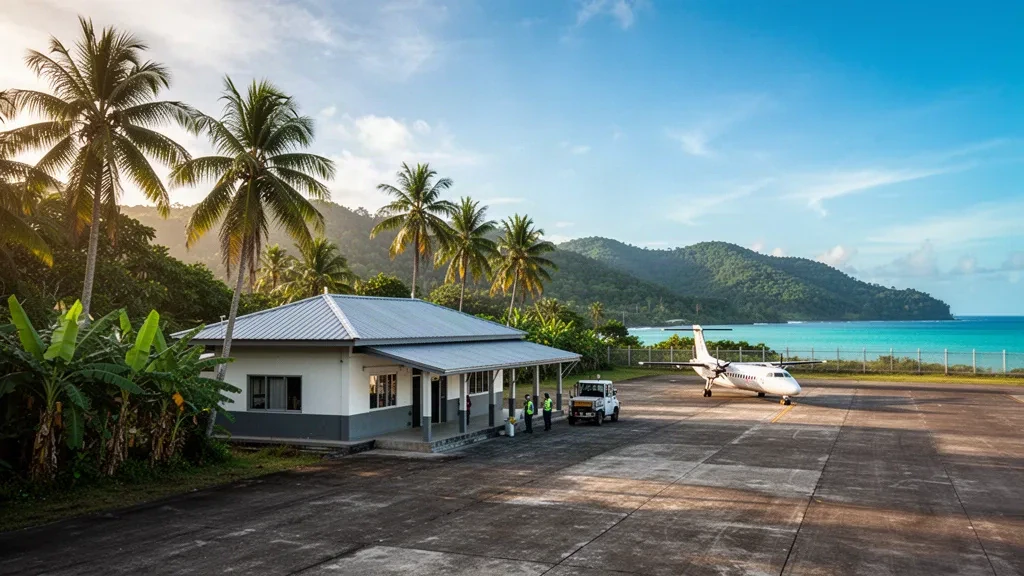
Travel between Tugdan Airport on Tablas Island and Romblon town with a coordinated land and ferry transfer to the town port.
Hourly Chauffeur
Book a private chauffeur by the hour for flexible sightseeing, beach trips, business visits and transport around Romblon town and nearby coastal areas.
Car Rental
Rent a car or motorcycle in Romblon for independent travel around the island and convenient trips to beaches and attractions.
Bus & Group Transfers
Arrange minibuses or charter buses for groups, events, tours and coordinated transfers within Romblon and to local ferry points.
Frequently Asked Questions
Related Cities in Philippines
View all
Biliran
Biliran is a laid-back coastal municipality on Biliran Island, where historic church landmarks sit close to waterfalls, hot springs and views of Mount Biliran.
Antique
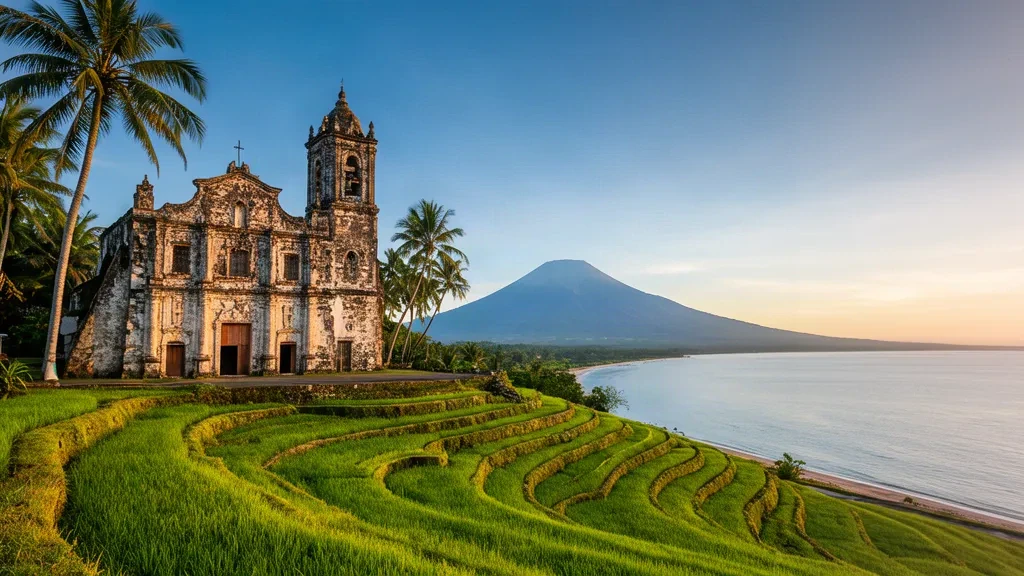
Antique, on the island of Panay in the Philippines, is known for its heritage towns, old churches, coastal villages and the rugged interior of Mount Madja-as.
Zamboanga Sibugay
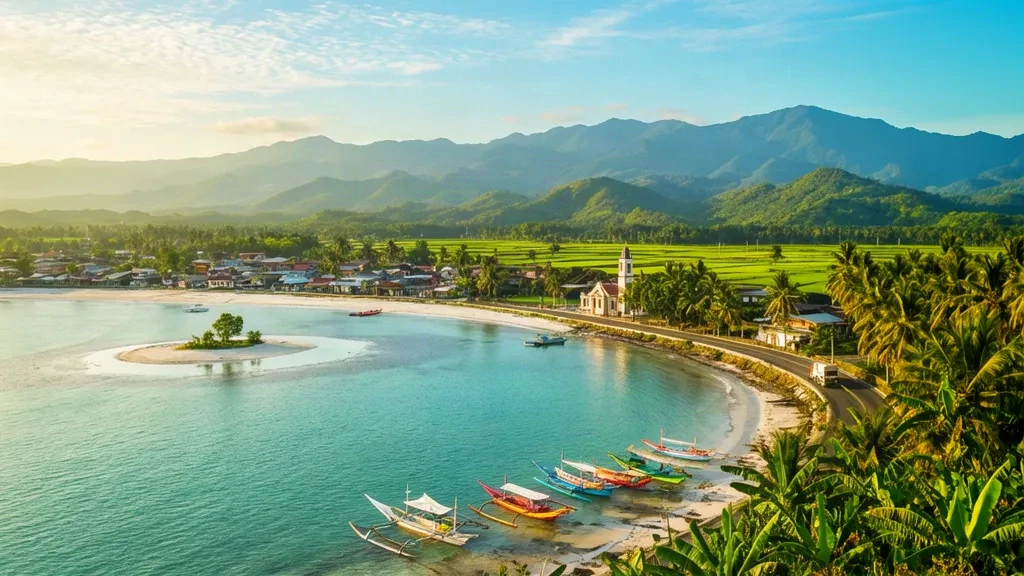
Zamboanga Sibugay, a coastal province on the Zamboanga Peninsula, is known for its rice fields, fishing villages and the lively capital town of Ipil.