Salalah
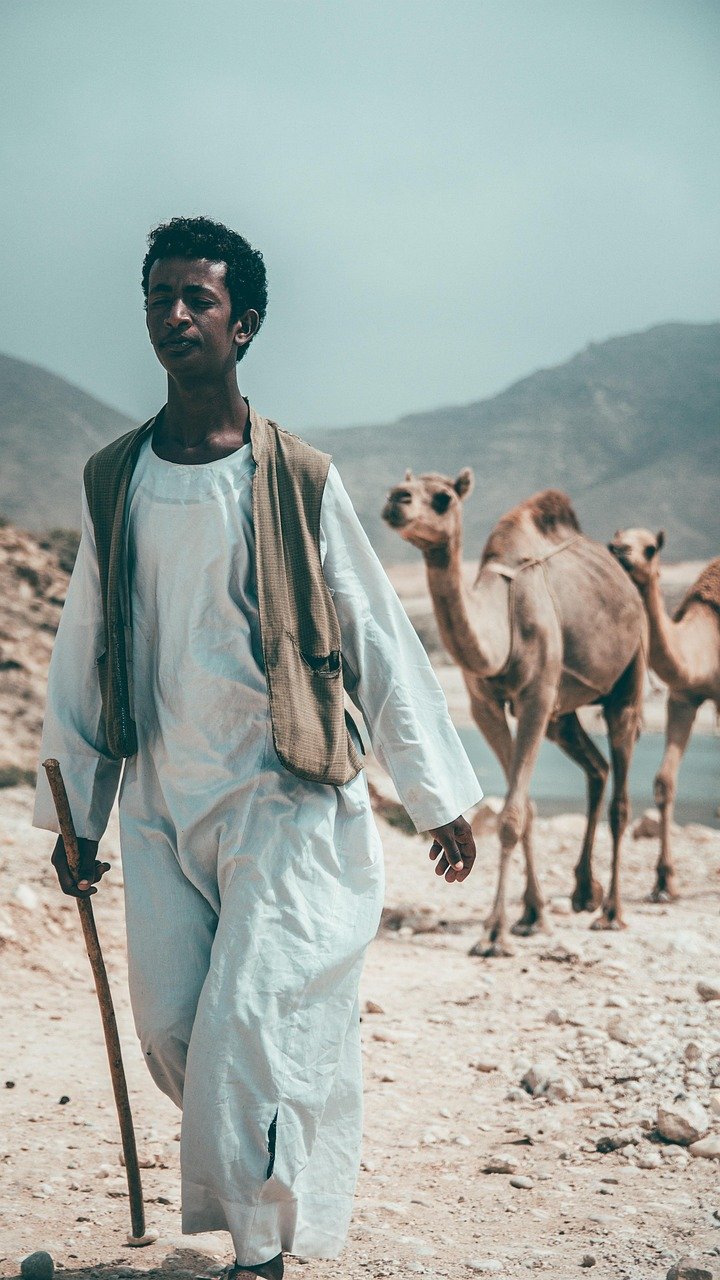
Salalah, the capital of Oman's southern Dhofar region, pairs a monsoon-greened coastline and coconut groves with the frankincense trade heritage of ancient Al Baleed and the everyday bustle of the Al Haffa souq.
Passengers
Luggage
About Dhofar
Salalah is the capital of Oman's southern Dhofar Governorate and the country's second-largest urban centre, stretched along the Arabian Sea coast. It is best known for the Khareef monsoon season, when the surrounding mountains turn green and mist, waterfalls and cooler temperatures create a landscape unlike the rest of the Arabian Peninsula.
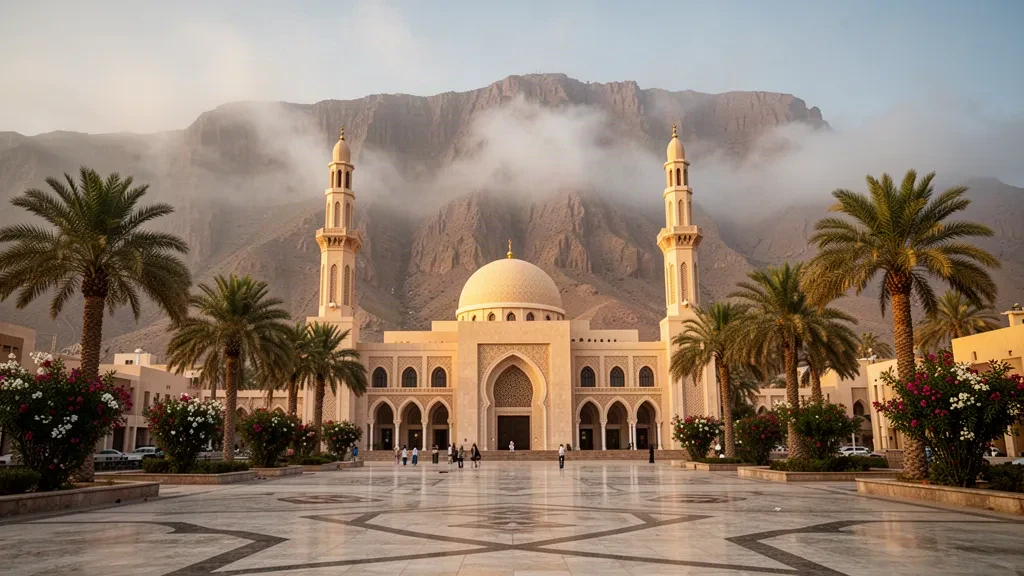
The city has deep roots in the ancient frankincense trade, reflected in the UNESCO-listed Land of Frankincense sites, including the archaeological remains at Al Baleed and Khor Rori. Salalah was also the birthplace of Sultan Qaboos, and landmarks such as Al Husn Palace, Sultan Qaboos Mosque and Al Haffa Souq show the mix of royal, religious and commercial heritage.
Districts such as Al Haffa, Al Saada and Awqad give Salalah a relaxed coastal character, while Hawana Salalah offers resort-style development around a lagoon. Outside the city, Al Mughsail Beach and its blowholes, Wadi Darbat's seasonal waterfalls, Ain Athum springs and the Jebel Qara mountains are the main nature draws.
Salalah is also an economic gateway through the Port of Salalah, one of the Arabian Peninsula's main container transshipment hubs, and the adjoining Salalah Free Zone. The Khareef Festival, frankincense markets, seafood restaurants and Dhofari cuisine add a strong local and regional appeal.
For leisure travellers, Salalah offers a rare green-season escape, beaches and frankincense heritage, while business visitors are drawn by port, logistics and trade activity. The combination makes it a distinctive year-round destination in southern Oman.
Dhofar Travel Guide
Best Time to Visit
Salalah is most distinctive during the Khareef monsoon season from June to September, when the Dhofar mountains turn green, waterfalls flow and temperatures stay mild. October to April brings dry, warm weather suited to beaches and coastal sightseeing.
How to Get Around
Salalah is spread out, so many visitors use taxis, rental cars or private drivers. Public bus services are limited, and central areas such as Al Haffa are walkable, but a car is helpful for reaching Wadi Darbat, Al Mughsail and the mountains.
Where to Stay
Al Haffa and the beachfront area suit visitors wanting sea views and easy access to the souq and corniche, while Hawana Salalah offers resort-style accommodation around a lagoon. Hotels near the city centre and Sultan Qaboos Mosque provide a convenient base for shopping and dining.
Food & Drink
Dhofari food mixes Omani, Yemeni and Indian influences, with fresh seafood, grilled meats, mandi, coconut and frankincense-flavoured dishes. Try local restaurants, juice stalls and the frankincense stalls of Al Haffa Souq.
Ground Transportation Services in Dhofar
Airport Transfers
Travel between Salalah International Airport and hotels, resorts, business districts and destinations across Salalah and the Dhofar region.
Hourly Chauffeur
Book a private chauffeur by the hour for business meetings, Khareef sightseeing, shopping and flexible travel around Salalah.
Car Rental
Rent a car in Salalah for independent trips to Wadi Darbat, Al Mughsail Beach, the mountains and other Dhofar sights.
Bus & Group Transfers
Arrange minibuses or charter buses for airport pickups, Khareef tours, corporate events and group travel in Salalah and Dhofar.
Frequently Asked Questions
Related Cities in Oman
View all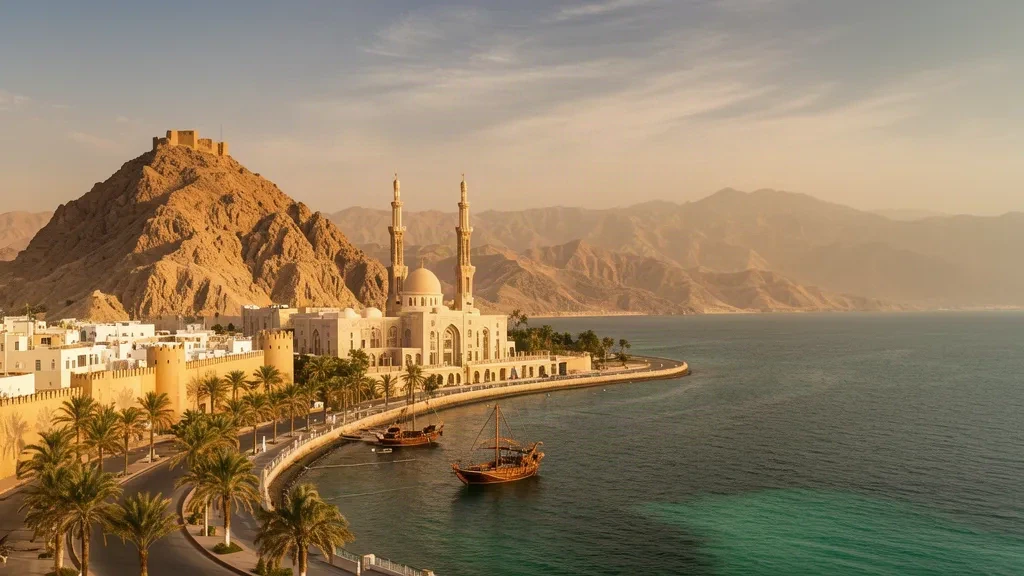
Muscat
Muscat, Oman's coastal capital, pairs a long maritime history with forts, palaces, souqs and a modern waterfront. Its relaxed Gulf atmosphere, mountain-backed neighbourhoods and growing business scene make it a rewarding stop for travellers and professionals alike.

Musandam
Musandam, Oman's rugged peninsula, is known for its dramatic fjords, traditional villages and stunning mountain scenery, offering a unique blend of adventure and culture.
Sur
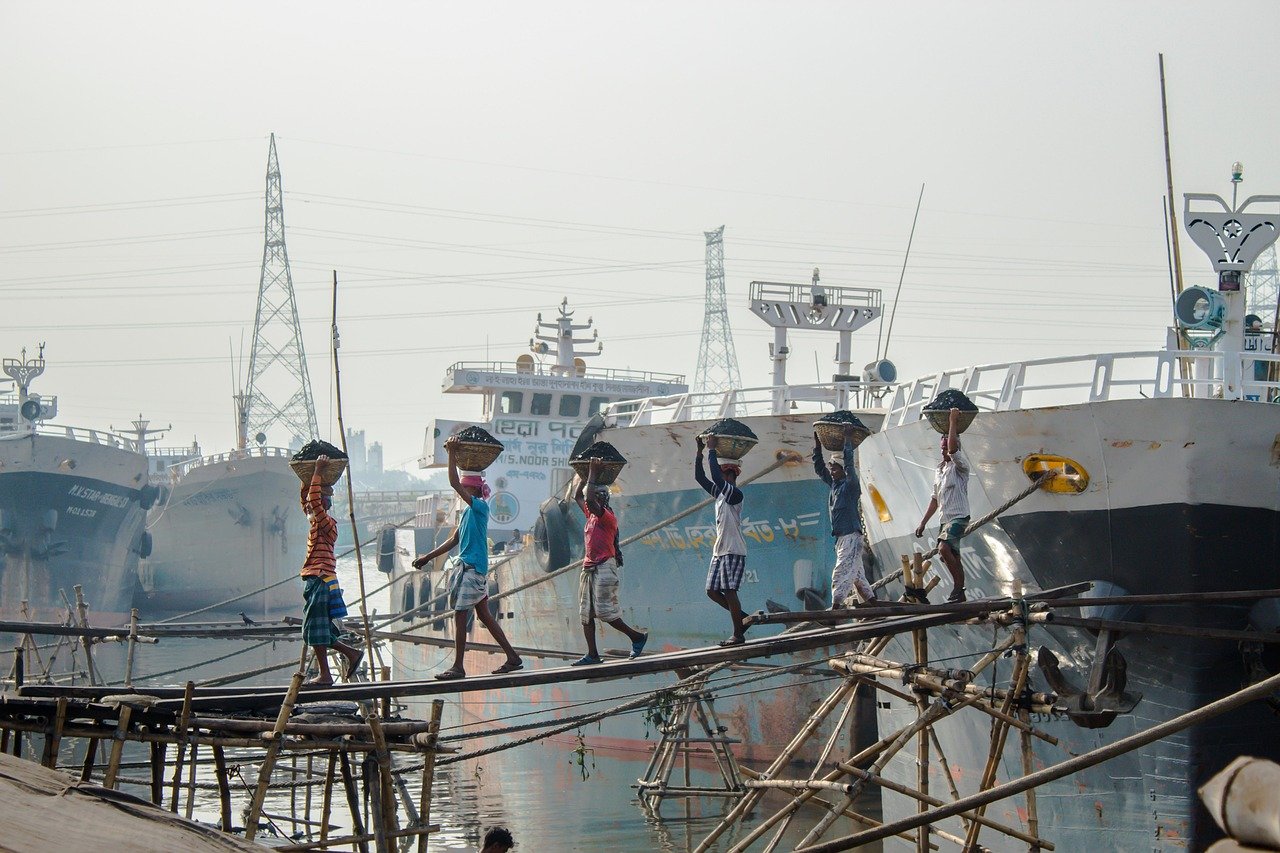
Sur is a historic port city in northeastern Oman, known for its dhow-building tradition, old harbour, watchtowers and restored old quarter.
Airports in Oman
View all airports in the country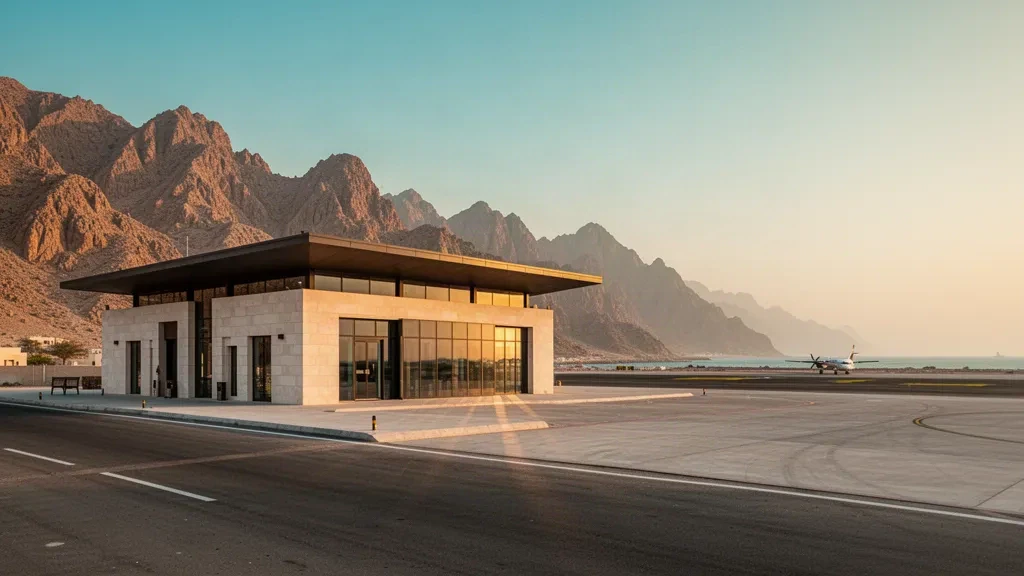
Dibba Airport (BYB)
Dibba Airport is a small gateway to Dibba Al-Baya and the eastern Musandam Peninsula of Oman. Compare transfer options to Dibba town, Khasab, Fujairah and nearby coastal and mountain destinations, and plan your onward journey.
Bahja Airport (BJQ)
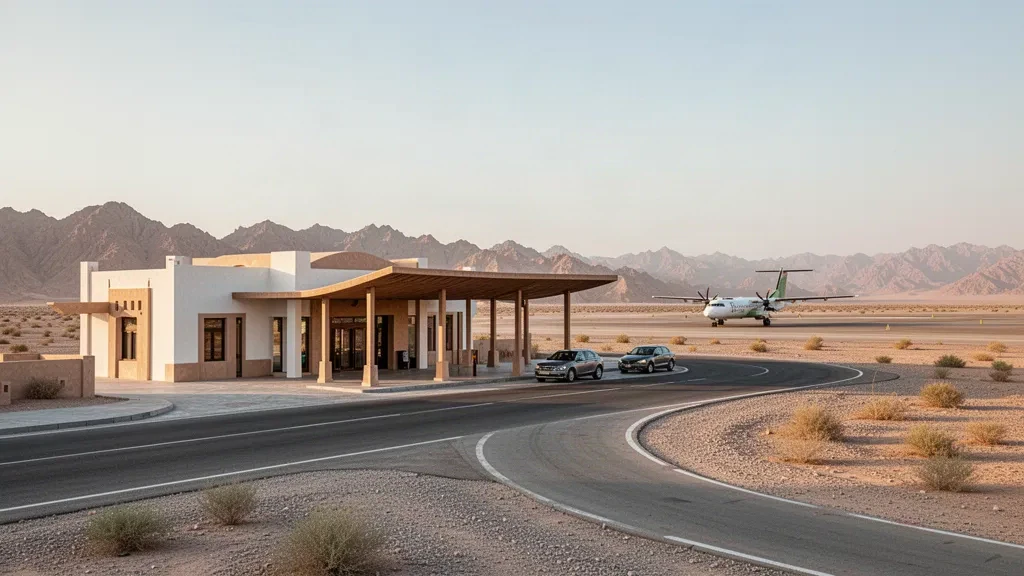
Bahja Airport is a small gateway in central Oman's Al Wusta Governorate, serving the Bahja area and nearby Haima. Compare transfer options to Haima, the Duqm coastal area, and surrounding desert destinations.