Hamar
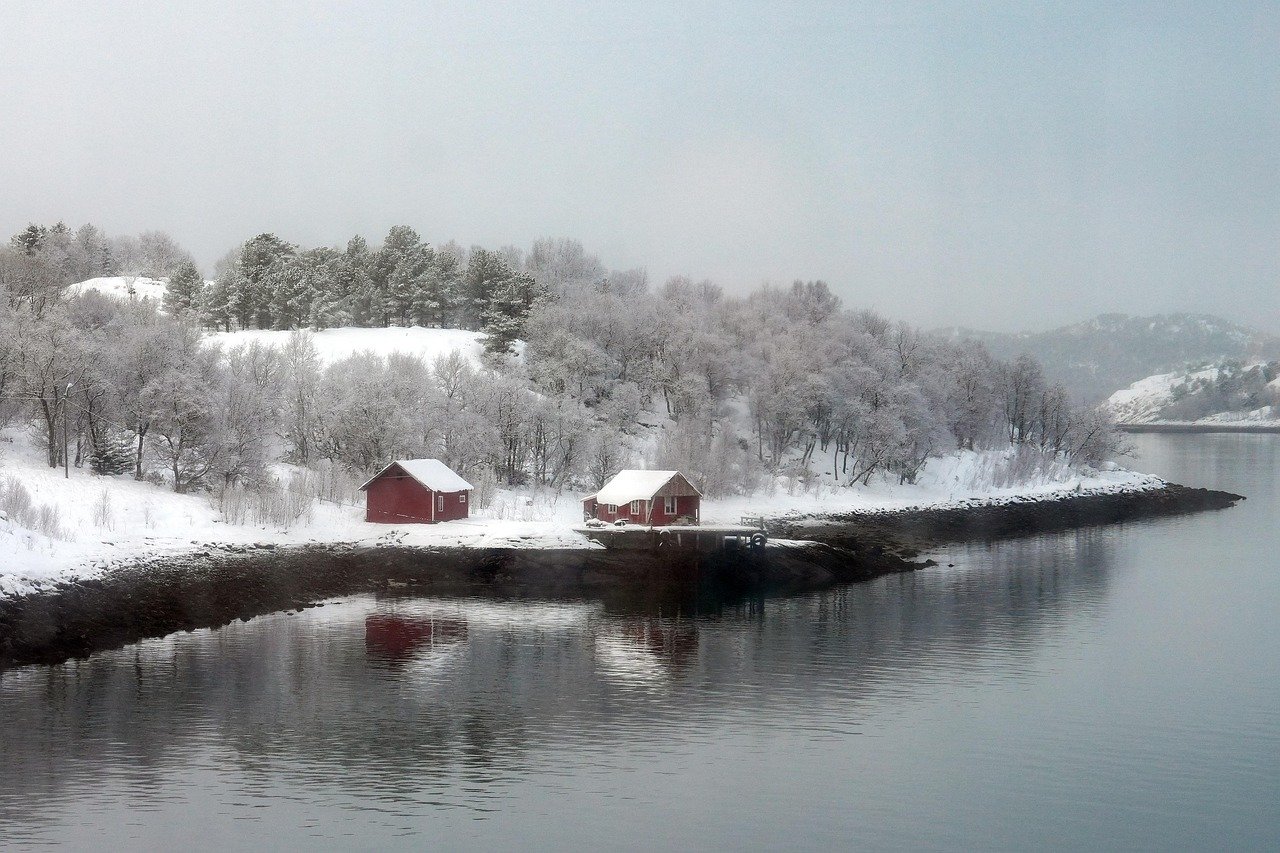
Hamar sits on the eastern shore of Lake Mjøsa, where medieval cathedral ruins and the Hedmark Museum meet a compact, walkable centre. The city blends inland Norway's railway heritage with lakeside recreation and a lively cultural calendar.
Passengers
Luggage
About Innlandet
Innlandet is Norway's largest inland county, stretching from the shores of Lake Mjøsa northward through Gudbrandsdalen, Valdres and Østerdalen toward the mountains of Jotunheimen and Rondane. It is known for lakes, forests, farm valleys and a strong winter-sports tradition, with Hamar as its administrative centre.
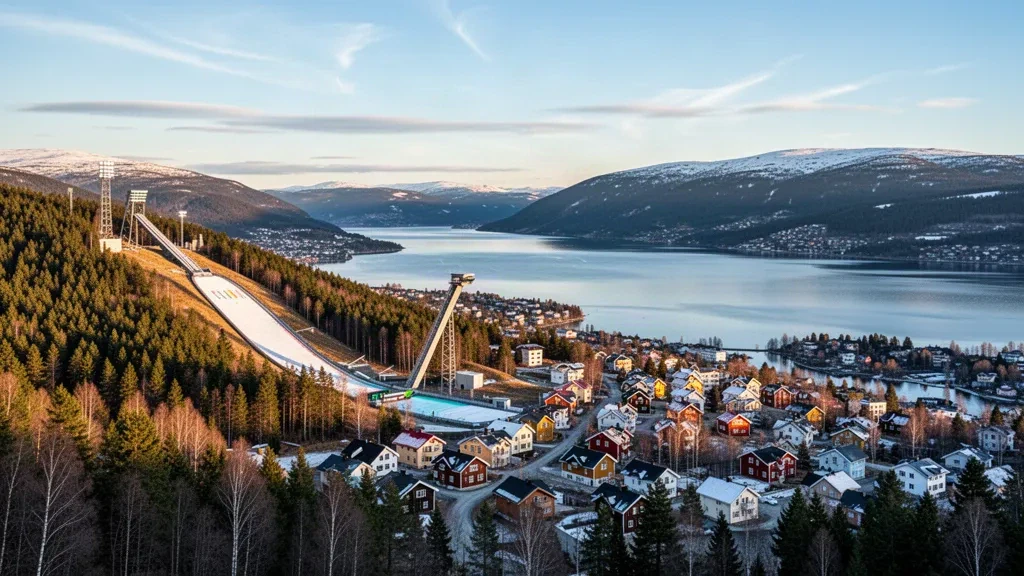
History and culture are concentrated around the Mjøsa towns. In Hamar, the medieval cathedral ruins at Domkirkeodden sit beside the Hedmark Museum, while Lillehammer is home to Maihaugen open-air museum and the Norwegian Olympic Museum. The 1994 Winter Olympics left landmarks such as the Lysgårdsbakkene ski jump and Håkons Hall, and the paddle steamer DS Skibladner still cruises Lake Mjøsa in summer.
The main urban centres each have a distinct character. Hamar is the county capital and a lakeside transport and education hub; Lillehammer combines Olympic heritage with a lively Storgata and winter sports; Gjøvik faces Mjøsa from the west bank. Further afield, towns such as Elverum and Kongsvinger reflect the region's forestry history, while Trysil and Hafjell are major ski destinations.
Innlandet's economy blends agriculture, forestry, manufacturing, renewable energy and tourism, supported by institutions such as the Inland Norway University of Applied Sciences. Events range from the Birkebeiner ski race to festivals and conferences, and the food scene highlights farm produce, Gudbrandsdalen brown cheese, cured meats, berries and mountain bakeries like the well-known bakery in Lom.
Leisure travellers come for national parks, skiing, lake activities and cultural sites, while business travellers benefit from rail connections through the county and relatively short links to Oslo Airport Gardermoen. The region offers a calm, outdoors-focused alternative to coastal Norway with year-round appeal.
Innlandet Travel Guide
Best Time to Visit
Summer, from June to August, brings long daylight hours and the best conditions for hiking in Jotunheimen and Rondane, lake trips on Mjøsa and open-air museums. Winter, from December to March, is ideal for downhill and cross-country skiing around Lillehammer, Hafjell and Trysil, while spring and autumn are quieter.
How to Get Around
Dovre and Røros line trains connect Oslo and Gardermoen with Hamar, Lillehammer and northern towns, while buses serve smaller communities. A car is useful for exploring valleys such as Gudbrandsdalen and Valdres, and the historic paddle steamer DS Skibladner operates on Lake Mjøsa in summer.
Where to Stay
Hamar and Gjøvik offer lakeside hotels and a walkable town centre, while Lillehammer is convenient for Maihaugen, the Olympic venues and winter sports. Trysil has ski-in, ski-out accommodation, and Gudbrandsdalen and Valdres provide cabins, guesthouses and farm stays in mountain settings.
Food & Drink
Innlandet is known for local farm produce, Gudbrandsdalen brown cheese, cured meats and game, alongside berries and mountain bakeries such as the bakery in Lom. Lakeside restaurants, farm shops and cafés around Hamar, Lillehammer and Gjøvik serve regional specialities.
Ground Transportation Services in Innlandet
Airport Transfers
Travel between Oslo Airport Gardermoen and Hamar, Lillehammer, Gjøvik and other destinations across Innlandet.
Hourly Chauffeur
Book a private chauffeur by the hour for business meetings, events, sightseeing and flexible travel between Innlandet's towns and ski resorts.
Car Rental
Rent a car in Innlandet for independent journeys around Lake Mjøsa, Gudbrandsdalen, Valdres and mountain areas such as Jotunheimen and Trysil.
Bus & Group Transfers
Arrange minibuses or charter buses for groups, corporate travel, events, ski trips and sightseeing tours across Innlandet.
Frequently Asked Questions
Related Cities in Norway
View all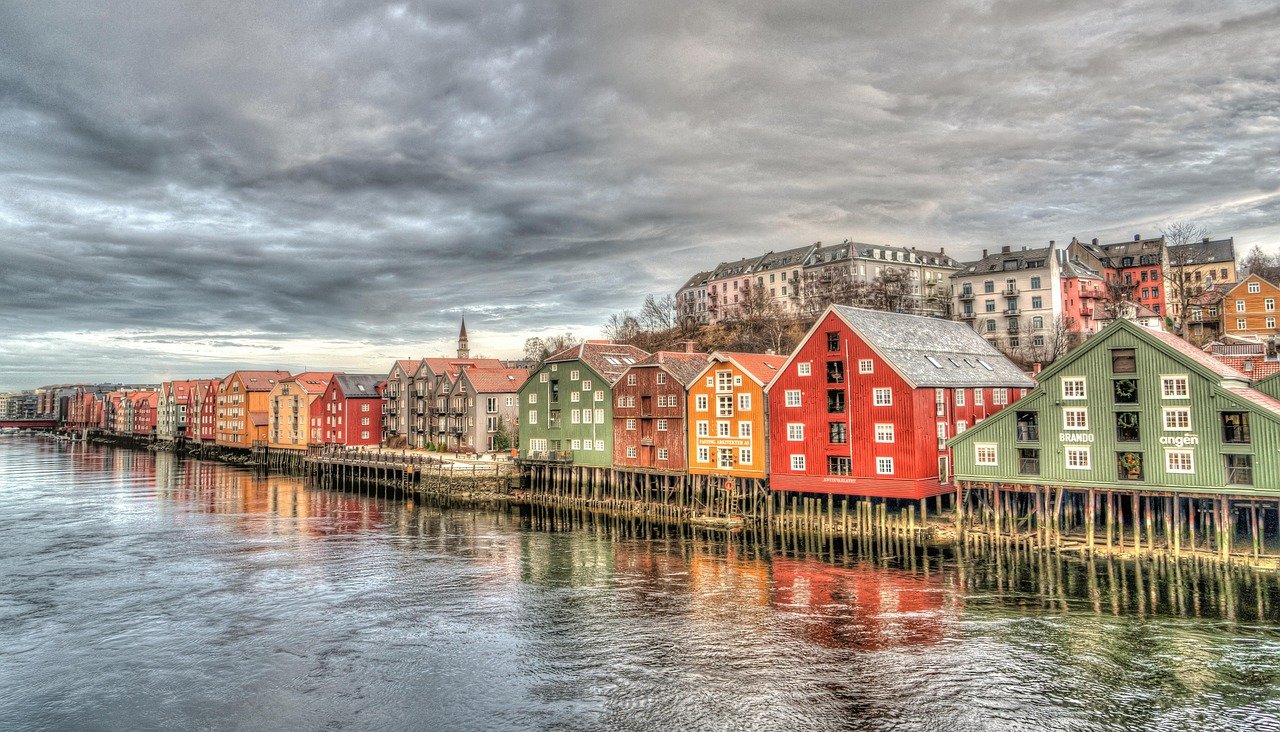
Bergen
Bergen, a historic port city on Norway’s west coast, is known for its UNESCO-listed Bryggen wharf, surrounding mountains and lively waterfront culture.
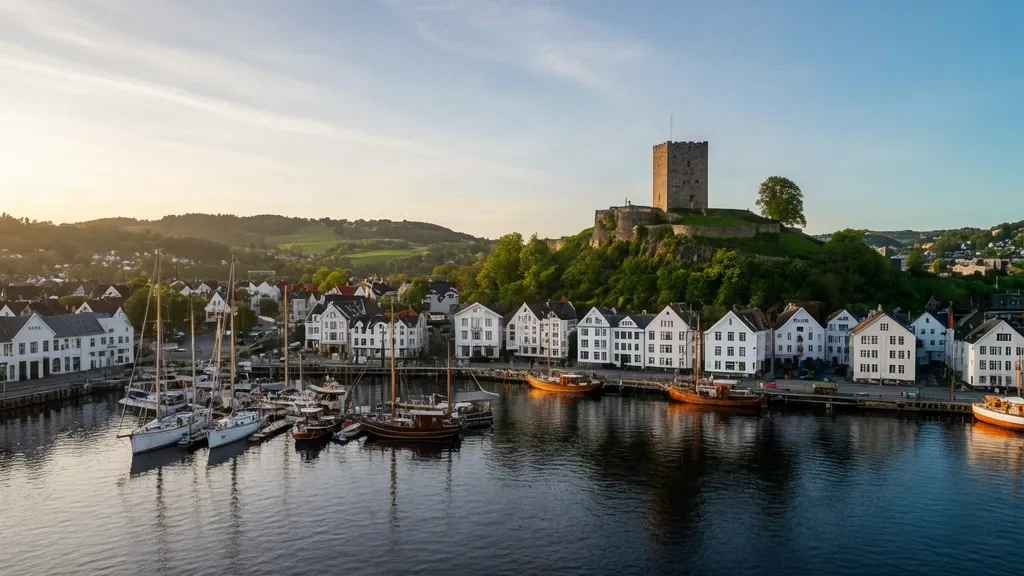
Vestfold
Vestfold is known for its Viking heritage, maritime history and charming seaside towns along the Oslofjord.
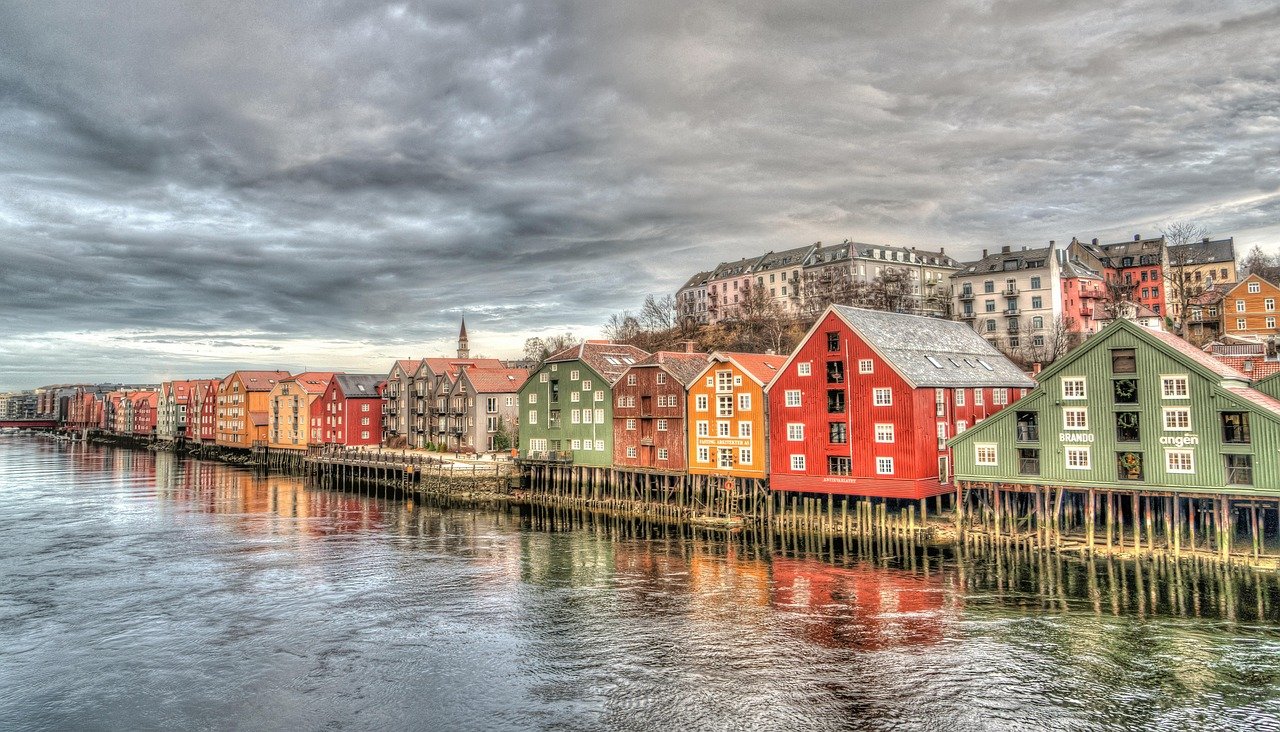
Trondheim
Trondheim blends Viking history and medieval landmarks such as Nidaros Cathedral with a lively student culture, waterfront spaces and a growing technology scene.