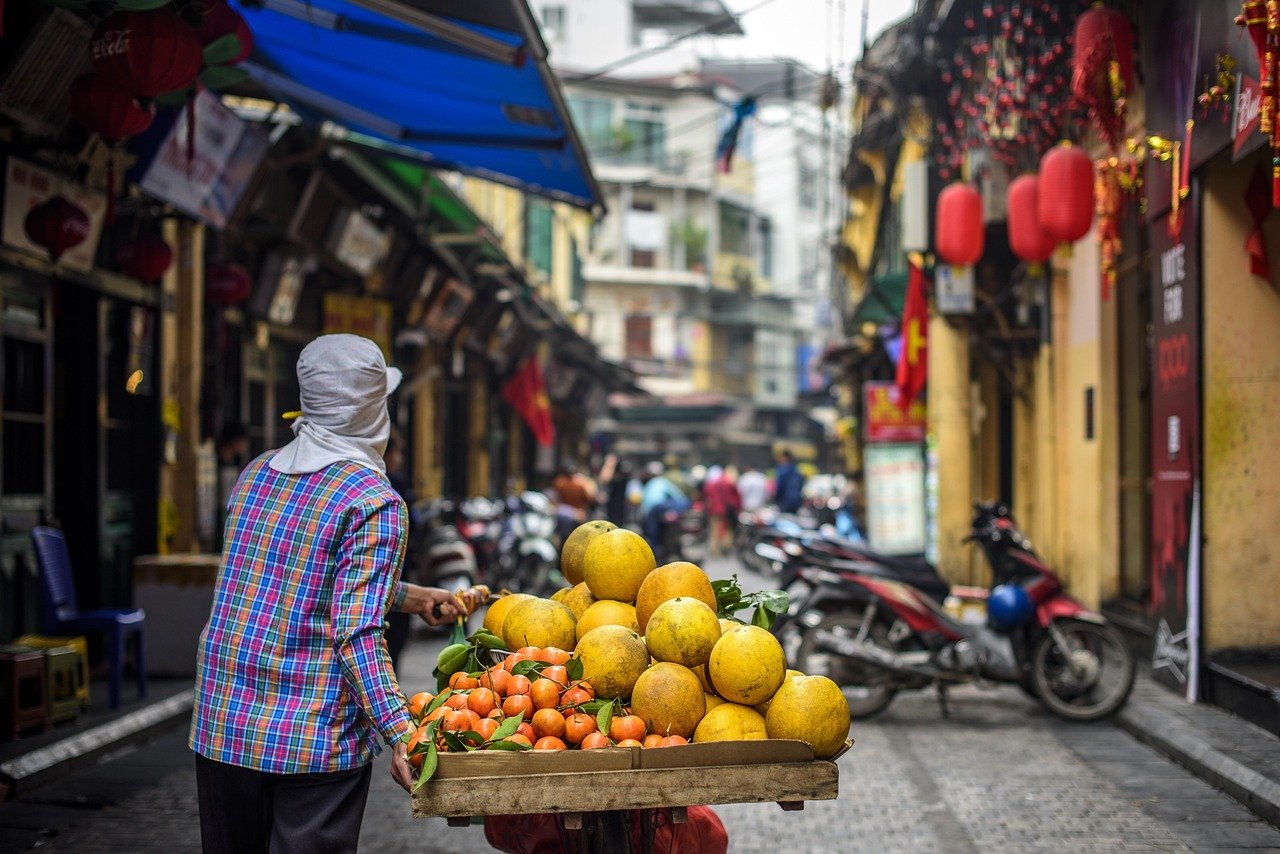
Maradi
Maradi, a commercial hub in southern Niger, is known for its lively markets and Hausa culture, serving as a key trading center near the Nigerian border.
Passengers
Luggage
About Maradi
Maradi is Niger's third-largest city and the commercial heart of the country's south, located near the Nigerian border in the densely populated Maradi Region. It is a major center of Hausa culture and trade, with a busy central market and long-standing links to the city of Katsina across the border.
Founded in the early nineteenth century as a Hausa state that broke away from Katsina, Maradi grew as a refuge and trading town in the Goulbi valley. After repeated flooding, the French colonial administration moved the settlement onto a nearby plateau in 1946, giving the modern city its layout.
Key landmarks include the mud-brick Dan Kasswa Mosque, the Katsinawa Chief's Palace and the Sonitan artisans' quarter, where traditional leatherwork, textiles and handicrafts are made. The Grand Marché is the city's commercial hub, especially on its main weekly market day.
Groundnuts, livestock and cross-border trade with Nigeria drive the local economy, and Maradi serves as a regional center for commerce, transport and administration. The city also functions as a gateway for trade routes linking the Sahel to northern Nigeria.
For travelers, Maradi offers a look at everyday Hausa urban life, traditional crafts and Sahelian markets, while business visitors come for trade, agriculture and regional logistics. Its central position makes it a practical base for exploring southern Niger and onward journeys toward the border.
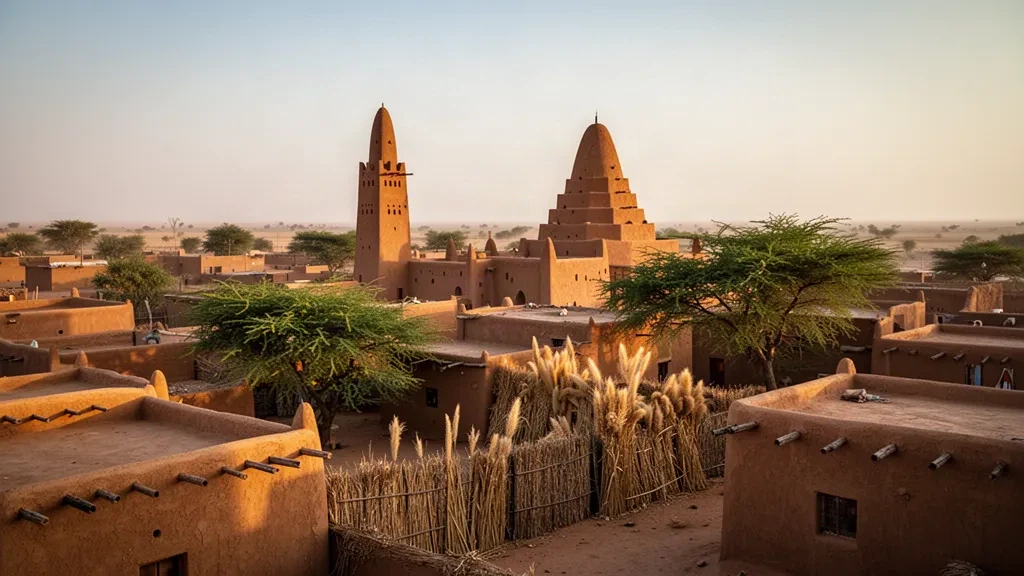
Maradi Travel Guide
Best Time to Visit
The cooler dry season from November to February is the most comfortable time to visit Maradi, with lower temperatures and little rain. The hottest months from March to May can be intense, while the rainy season from June to September brings heavy showers and greener surroundings.
How to Get Around
Maradi's compact center is easy to explore on foot, and shared taxis and motorbike taxis cover most neighborhoods. For longer journeys within the region, bush taxis and rental vehicles connect the city with nearby towns and the Nigerian border.
Where to Stay
Most hotels and guesthouses are found near the city center and along the main commercial avenues, offering practical access to the Grand Marché and transport hubs. Options range from simple local guesthouses to a small number of mid-range hotels.
Food & Drink
Hausa cooking dominates, with dishes such as tuwo, millet porridge, grilled meat and spicy peanut-based sauces served at local restaurants and street stalls. The market area is a good place to try snacks like fura da nono and freshly roasted groundnuts, while tea stands are found across the city.
Ground Transportation Services in Maradi
Airport Transfers
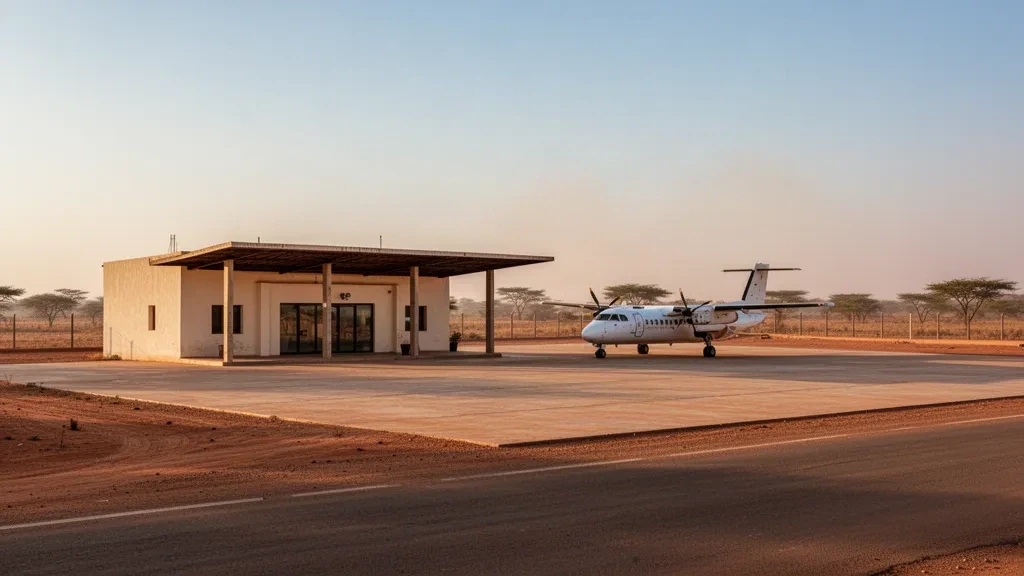
Travel between Maradi Airport (MFQ) and hotels, business areas, the Grand Marché and other destinations in and around the city.
Hourly Chauffeur
Book a private chauffeur by the hour for market visits, business meetings, regional trade trips and flexible travel around Maradi.
Car Rental
Rent a car in Maradi for independent journeys across the city and onward travel toward the Nigerian border or nearby towns.
Bus & Group Transfers
Arrange minibuses or charter buses for groups, regional trade delegations, events and transfers between Maradi and nearby destinations.
Frequently Asked Questions
Related Cities in Niger
View all
Zinder
Zinder, Niger's second-largest city, was once a major trans-Saharan trading hub and remains a cultural crossroads with historic Hausa architecture, the old Birni quarter and a lively market scene.
Tillabéri
Tillabéri, a riverside town in southwestern Niger, is the capital of the Tillabéri Region and a regional trading centre where Sahelian traditions meet life along the Niger River.
Tahoua
Tahoua, the capital of Niger's Tahoua Region, is a Sahelian crossroads known for its lively markets, cultural diversity and role as a gateway to the desert.