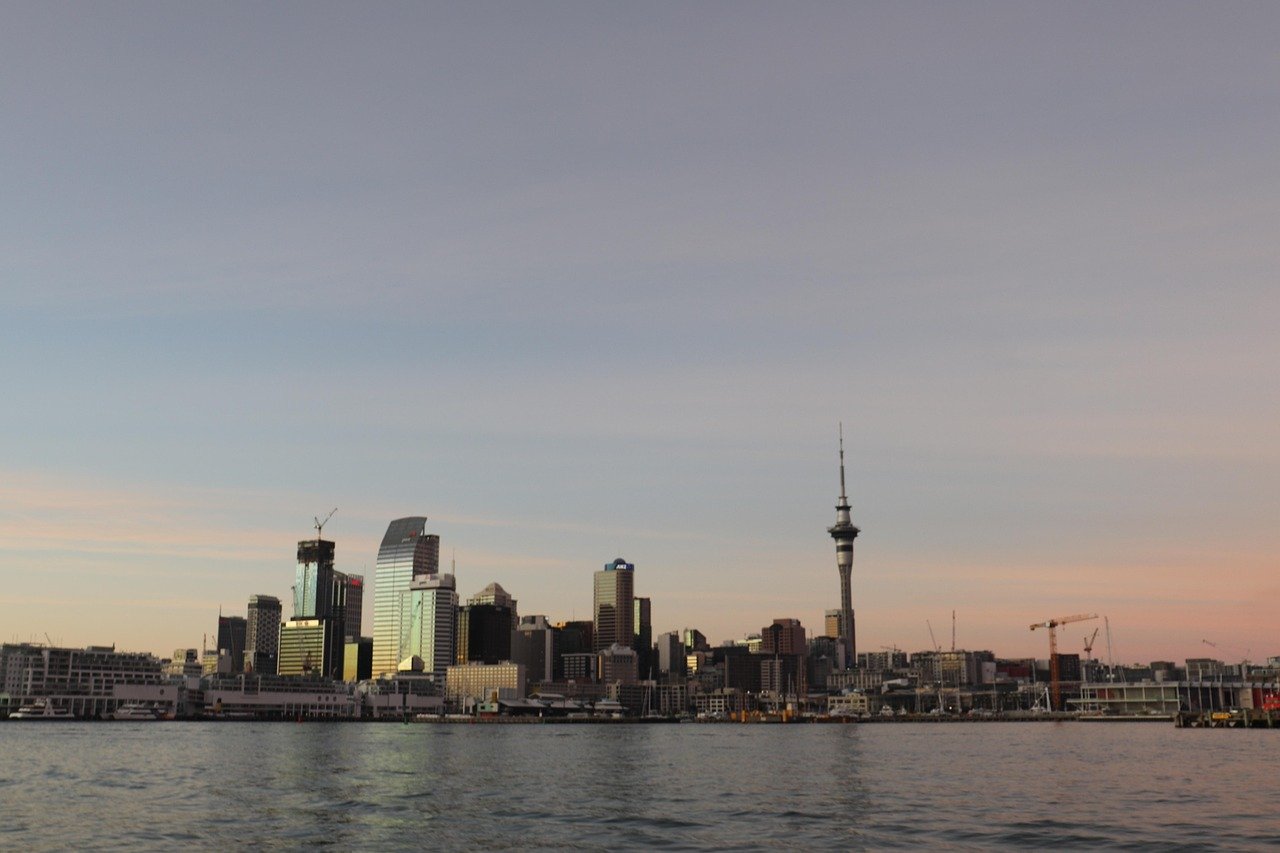
Gisborne
Gisborne is a coastal city on New Zealand's East Coast, known for its early sunrise, surf beaches, Māori heritage and relaxed wine-growing surroundings.
Passengers
Luggage
About Gisborne
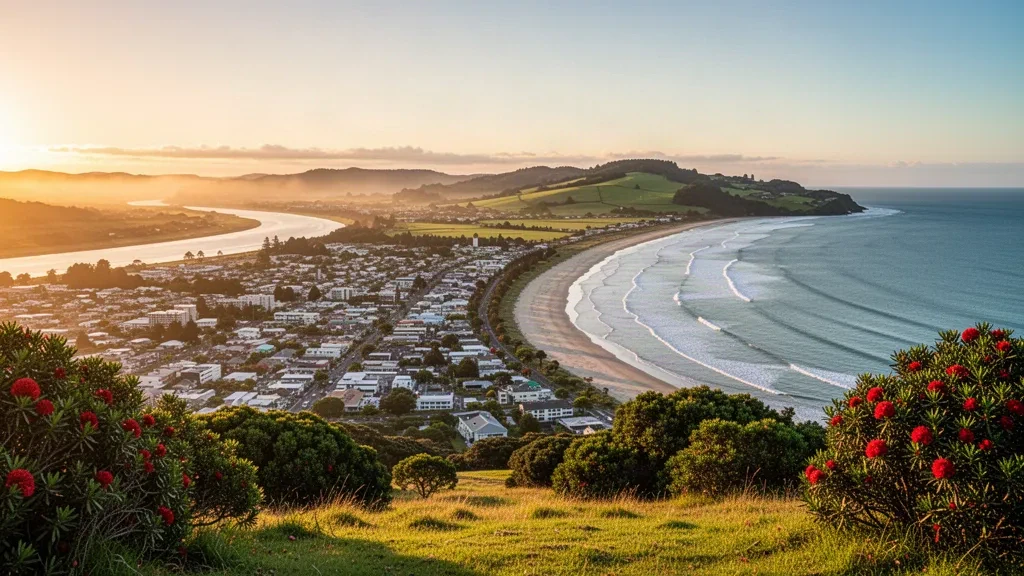
Gisborne (Tūranga-nui-a-Kiwa) is a compact coastal city on the East Coast of New Zealand's North Island, set on Poverty Bay and known for being among the first places in the world to see the sunrise. Its relaxed seaside character is shaped by surf beaches, a working port, vineyards and strong Māori heritage.
The city has deep historical significance: Captain James Cook made his first New Zealand landfall here in 1769 at Kaiti Beach and named the bay Poverty Bay. Landmarks such as Titirangi (Kaiti Hill), the Tairāwhiti Museum and the Cook statue connect visitors to both Māori and European history.
Around town, Waikanae Beach, Midway Beach and Wainui Beach are popular for surfing, swimming and long walks, while the city centre offers galleries, cafés and riverfront paths. Nearby highlights include the Rere Rockslide, a natural rock water slide, and Eastwoodhill Arboretum, the national arboretum about 35 km from the city.
Gisborne is one of New Zealand's key wine regions, particularly known for Chardonnay, with cellar doors and wineries set among coastal hills. Agriculture, forestry, fishing and food processing support the local economy, and events such as the Rhythm and Vines New Year's festival draw visitors to the region's first-sunrise celebrations.
For travellers, Gisborne offers an easygoing mix of beach, culture and food that suits both leisure breaks and business visits connected to the region's primary industries. Its small scale makes it walkable and welcoming, while the surrounding East Cape provides a quieter, scenic alternative to busier New Zealand destinations.
Gisborne Travel Guide
Best Time to Visit
Summer from December to February brings warm beach weather, long sunny days and the Rhythm and Vines festival over New Year, when crowds gather for the first sunrise. Spring and autumn are quieter and pleasant, with autumn grape harvest adding interest for wine visitors.
How to Get Around
Central Gisborne is compact and easy to explore on foot, especially around the waterfront and city centre. Local buses, taxis and rental cars are useful for reaching Wainui Beach, wineries, Rere Rockslide and other outlying attractions.
Where to Stay
Stay in the city centre or near Waikanae Beach for easy access to cafés, restaurants and the waterfront. Wainui Beach offers quieter coastal stays, while motels, holiday parks and boutique accommodation suit a range of budgets.
Food & Drink
Gisborne's food scene highlights fresh seafood, local produce and Chardonnay-led wines from surrounding vineyards. Cellar doors, waterfront cafés, farmers' markets and relaxed restaurants offer plenty of choice across the city.
Ground Transportation Services in Gisborne
Airport Transfers
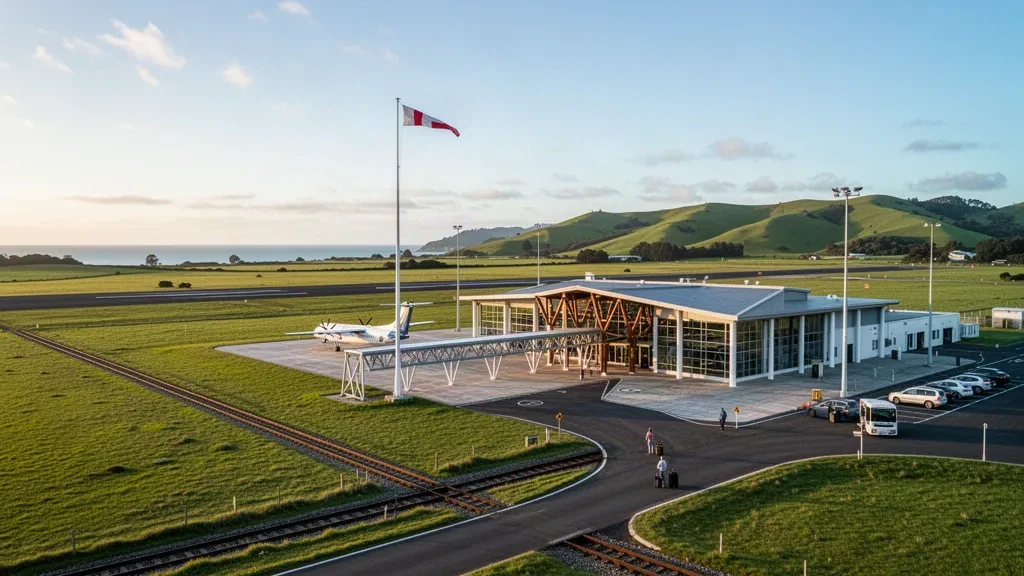
Travel between Gisborne Airport and hotels, the waterfront, city-centre addresses and beaches around Gisborne.
Hourly Chauffeur
Book a private chauffeur by the hour for winery tours, business meetings, events and sightseeing across Gisborne and the surrounding coast.
Car Rental
Rent a car in Gisborne for independent travel around the city, East Cape, nearby vineyards and beaches.
Bus & Group Transfers
Arrange minibuses or charter buses for groups, corporate travel, events, airport transfers and tours in the Gisborne region.
Frequently Asked Questions
Related Cities in New Zealand
View all
Greymouth
Greymouth, the largest town on New Zealand's West Coast, blends gold-mining and coal-mining heritage with a rugged coastal setting at the mouth of the Grey River, gateway to Punakaiki and the glaciers.

Wellington
Wellington, New Zealand's harbour capital, squeezes a lively creative and culinary scene into a compact walkable centre, framed by steep green hills and the windy waters of Cook Strait.
Waikato
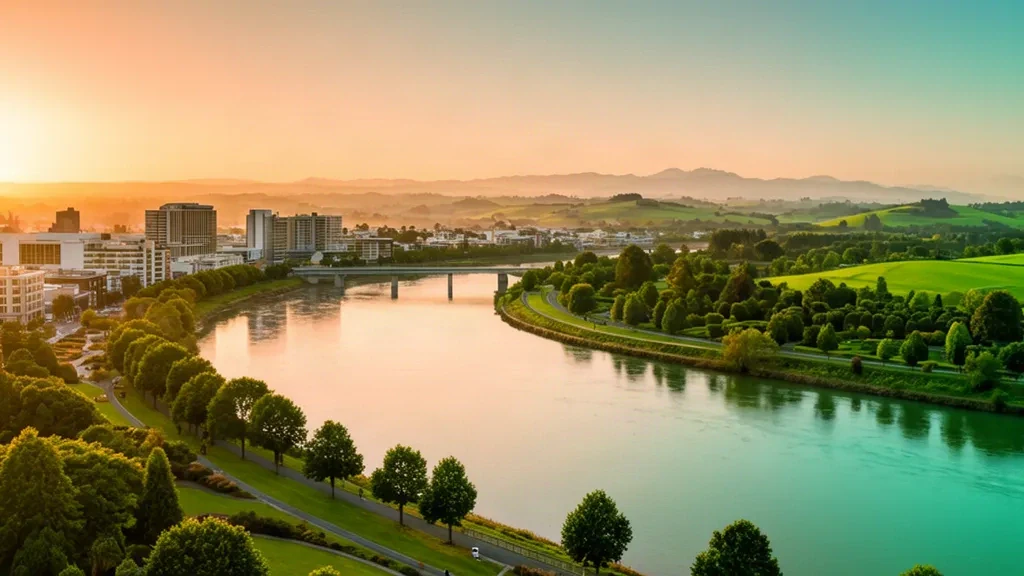
Waikato, a fertile North Island region, blends Māori heritage, rolling farmland, the Waikato River, and landmarks such as Hobbiton and Hamilton Gardens.