Bago
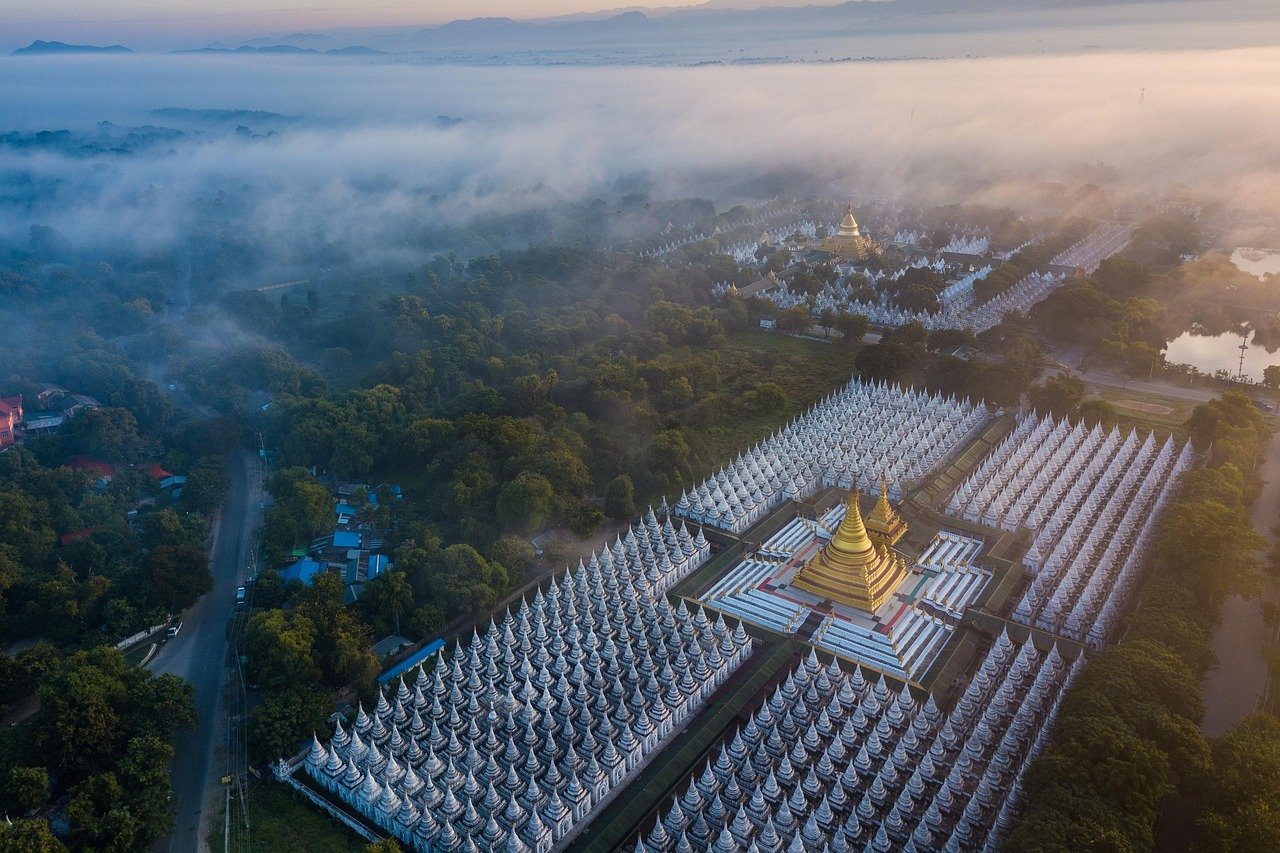
Bago, a historic city in southern Myanmar, is known for its ancient pagodas, monasteries and lively local markets, offering travellers a rich mix of culture, heritage and everyday life.
Passengers
Luggage
About Bago
Bago, formerly known as Pegu, is an ancient city in Myanmar's Bago Region, around 80 kilometres northeast of Yangon. Once the capital of the Mon Hanthawaddy Kingdom and later a major royal centre, it remains one of the country's most historically layered destinations, set amid rice-growing plains and the Bago River.
The city's Buddhist heritage is its defining feature. Shwemawdaw Pagoda, rising about 114 metres, is taller than Yangon's Shwedagon Pagoda and is Bago's most prominent landmark. Nearby, the Shwethalyaung Buddha is a roughly 55-metre reclining Buddha, and Kyaik Pun Pagoda displays four seated Buddha images built back to back. The reconstructed Kanbawzathadi Palace recalls King Bayinnaung's sixteenth-century royal capital.
Bago is compact and easy to explore, with most monuments linked by the main Yangon–Mandalay road and the central railway line. Beyond the pagodas and palace, visitors can explore the lively Bago market, watch local craftwork, and observe daily life along the Bago River. The surrounding region offers village scenes, wetlands and farmland that contrast with the city's temple-filled centre.
The city functions as a trade and transport hub in Bago Region, one of Myanmar's key rice-producing areas, and sits on the main route between Yangon and Mandalay. Nightlife is modest, but traditional tea shops, local markets and Burmese eateries give the city an authentic, unhurried pace.
For leisure travellers, Bago works well as a rewarding day trip from Yangon or a relaxed stop on a longer journey north. For business and logistics travellers, its position on a major national corridor and its regional commercial role make it a practical and culturally distinctive stop.
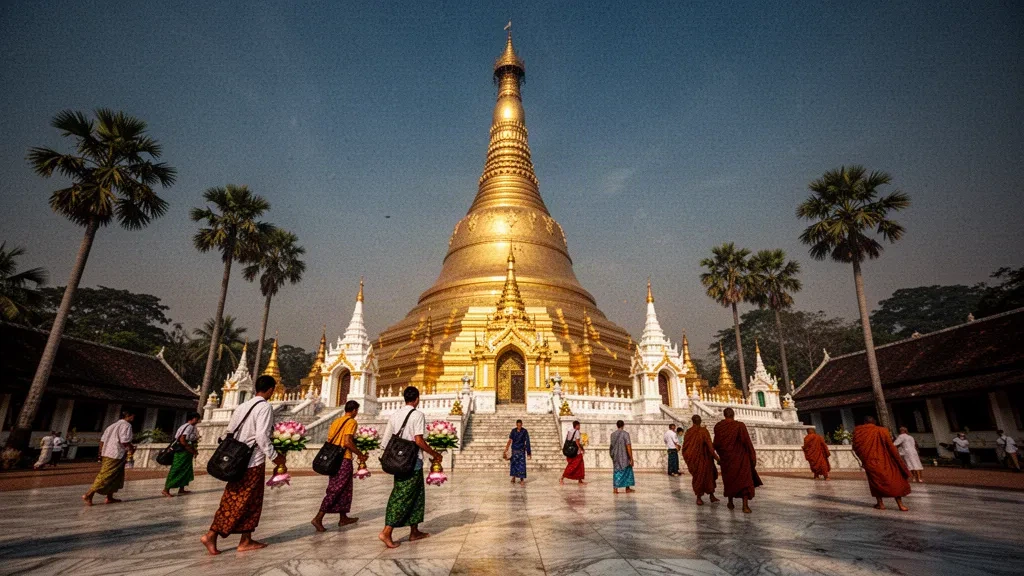
Bago Travel Guide
Best Time to Visit
November to February is the most comfortable period, with cooler, drier weather for visiting temples and palaces. The hot season from March to May is dry but hot, while the June to October monsoon can bring heavy rain.
How to Get Around
Bago is walkable around the main pagodas and market, while taxis, trishaws and motorbike taxis are common for longer distances. Buses and trains link Bago with Yangon, about 80 kilometres to the south.
Where to Stay
Most accommodation is concentrated near the railway station and the main Yangon–Mandalay road, with a small range of hotels and guesthouses. Many visitors stay in Yangon and visit Bago as a day trip.
Food & Drink
Try Burmese staples such as mohinga fish noodle soup, tea-shop snacks, curries and local market food. Small restaurants, tea houses and the Bago market area offer simple, affordable dining.
Ground Transportation Services in Bago
Airport Transfers
Travel between Yangon International Airport and Bago, or between Yangon and Bago, with a pre-booked private transfer for hotels, sightseeing and onward journeys.
Hourly Chauffeur
Book a private chauffeur by the hour for temple visits, business trips and flexible travel around Bago and nearby destinations.
Car Rental
Rent a car in Bago or Yangon for independent travel to Bago's pagodas, palaces and the surrounding Bago Region.
Bus & Group Transfers
Arrange minibuses or charter buses for group day trips, temple tours, corporate travel and transfers between Yangon and Bago.
Frequently Asked Questions
Related Cities in Myanmar
View all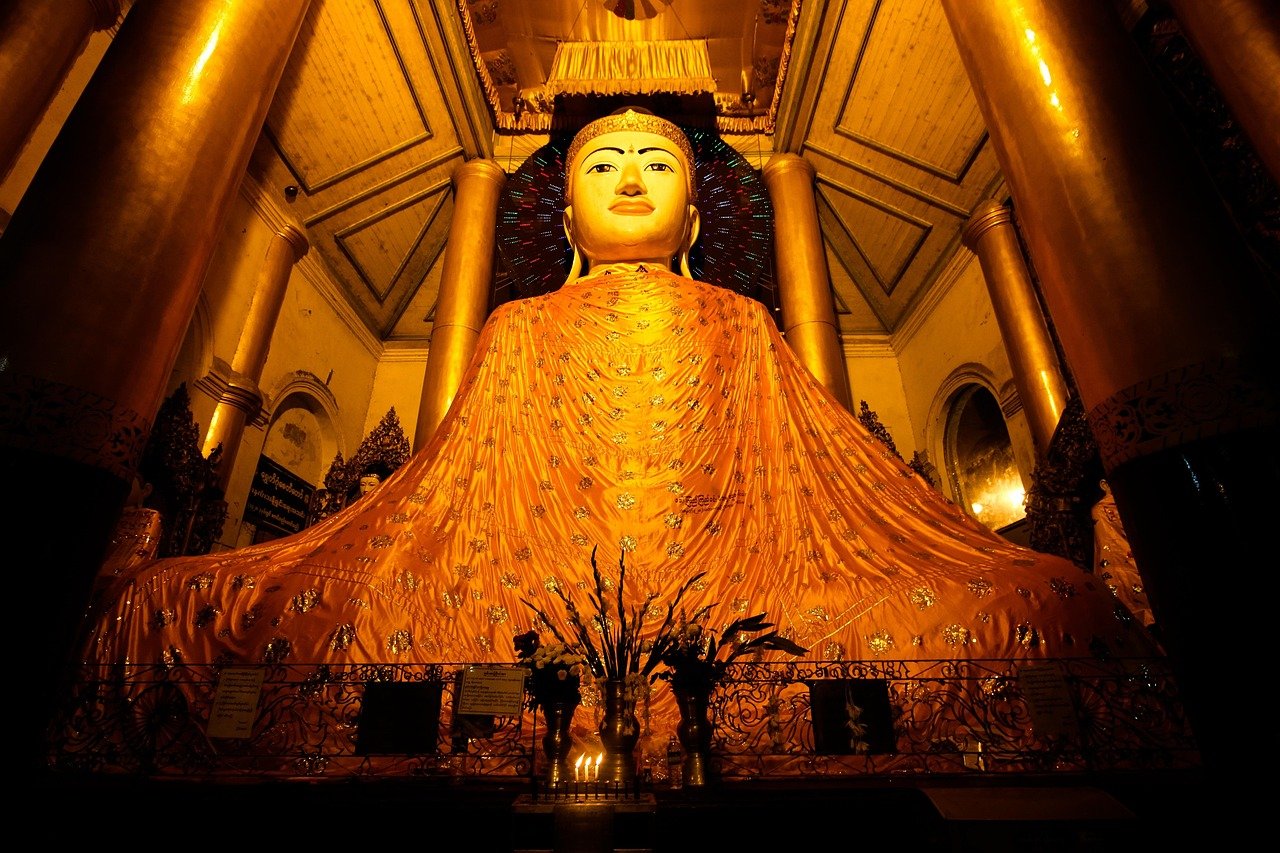
Yangon
Yangon, Myanmar's largest city, blends golden pagodas, colonial architecture and bustling markets with a lively riverside atmosphere and distinct neighbourhoods.
Tanintharyi
Tanintharyi, a historic town in southern Myanmar, sits where the Tanintharyi River meets the Andaman Sea, with quiet waterways and a long trading past shaping its unhurried coastal character.
Shan
Shan is a culturally rich destination in Myanmar, known for its scenic highlands, ethnic diversity, and welcoming local communities.