Casablanca
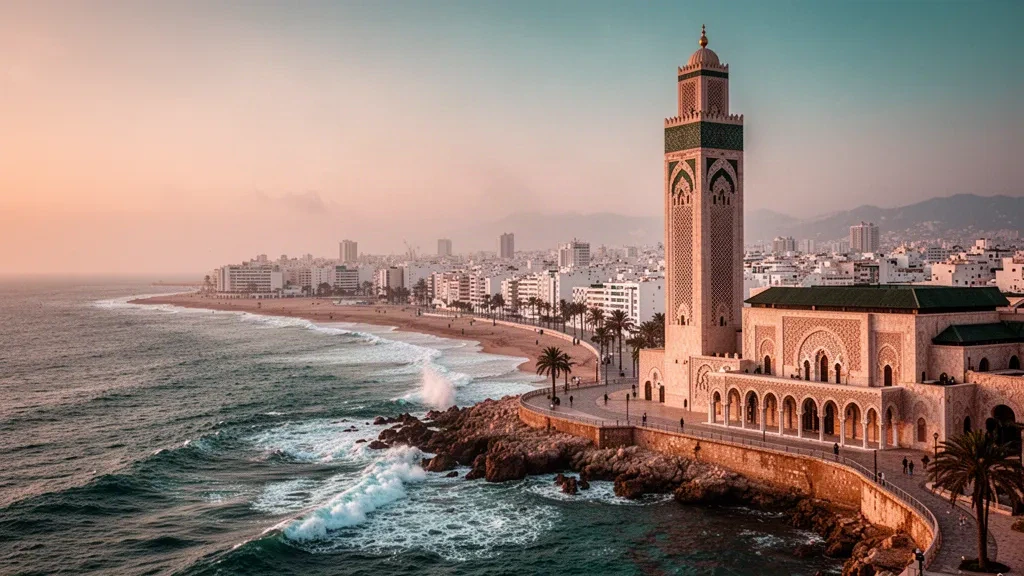
Casablanca, Morocco's economic hub on the Atlantic coast, mixes Art Deco architecture and the Hassan II Mosque with a fast-paced modern culture.
Passengers
Luggage
About Casablanca-Settat
Casablanca is Morocco's largest city and economic capital, a major Atlantic port and the country's main commercial and industrial hub. It blends modern business districts with a French colonial past and traditional Moroccan life, making it the country's most dynamic urban centre.
The city's history stretches from the ancient Berber settlement of Anfa to its rebuilding as ad-Dar al-Bayda, the "white house", in the 18th century. French Protectorate-era planning created the Ville Nouvelle with Art Deco and Mauresque architecture, while the Old Medina and the Arab-Andalusian Quartier Habous preserve a more traditional character. The Hassan II Mosque, partly built over the Atlantic, is the city's defining landmark.
Neighbourhoods each have a distinct feel: the central Art Deco grid around Place Mohammed V, the upscale residential Anfa and Ain Diab waterfront, the commercial Maârif district, and older working-class areas further east. Museums such as the Museum of Moroccan Judaism and galleries across the city add cultural depth, while the Corniche offers beaches, cafés and nightlife.
As Morocco's economic powerhouse, Casablanca hosts the country's main port, the Casablanca Stock Exchange and many national and international companies. Its business events, conferences, finance sector and trade exhibitions make it a key destination for corporate travel, while its coastal setting, food scene and architectural heritage attract leisure visitors.
For travellers, Casablanca works as both a gateway and a destination: it is the arrival point for Morocco's busiest airport and a base for exploring the country, yet it rewards a longer stay with its markets, monuments, restaurants and Atlantic coastline.
Casablanca-Settat Travel Guide
Best Time to Visit
Spring (March to May) and autumn (September to November) bring mild, comfortable weather for exploring the city. Summer can be warm but suits the coastal Corniche and beaches, while winter is cooler and quieter.
How to Get Around
Casablanca has a tramway network, buses and two main railway stations, Casa-Port and Casa-Voyageurs, with the Al Bidaoui train linking the airport to the city. Taxis, ride-hailing apps and private transfers are widely used, and central areas such as the Ville Nouvelle and the medina are walkable.
Where to Stay
The city centre around Place Mohammed V and the nearby Anfa and Gauthier areas are convenient for business, shopping and landmarks. Ain Diab and the Corniche suit travellers wanting coastal hotels and restaurants, while the Quartier Habous offers a more traditional setting.
Food & Drink
Casablanca's food scene ranges from Moroccan classics such as tagine, couscous, pastilla and fresh seafood to French-influenced cafés and international dining. The Central Market, traditional bakeries in the Habous Quarter, street food and the restaurants along the Corniche are popular choices.
Ground Transportation Services in Casablanca-Settat
Airport Transfers
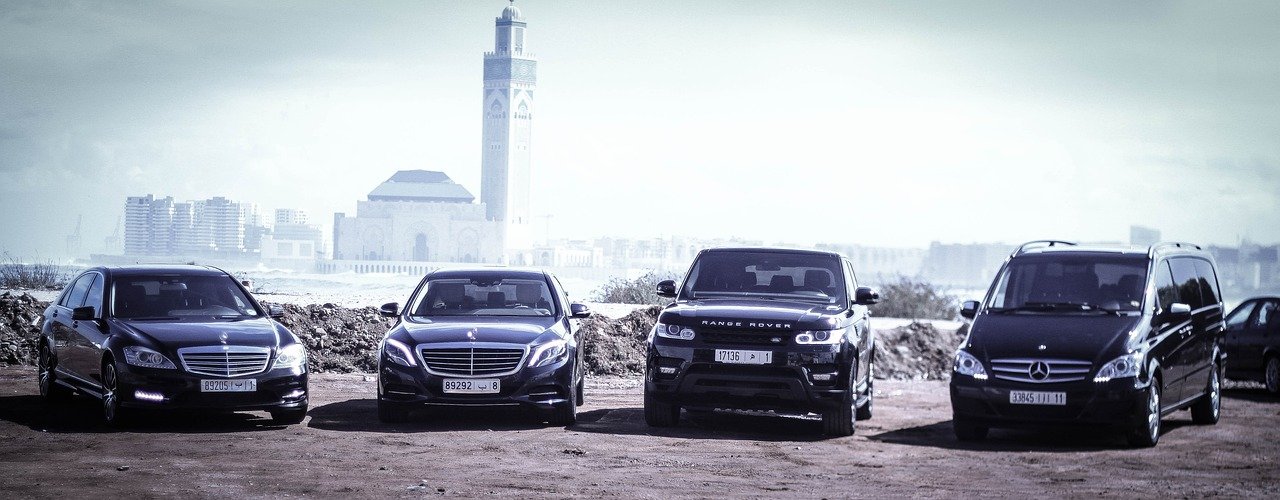
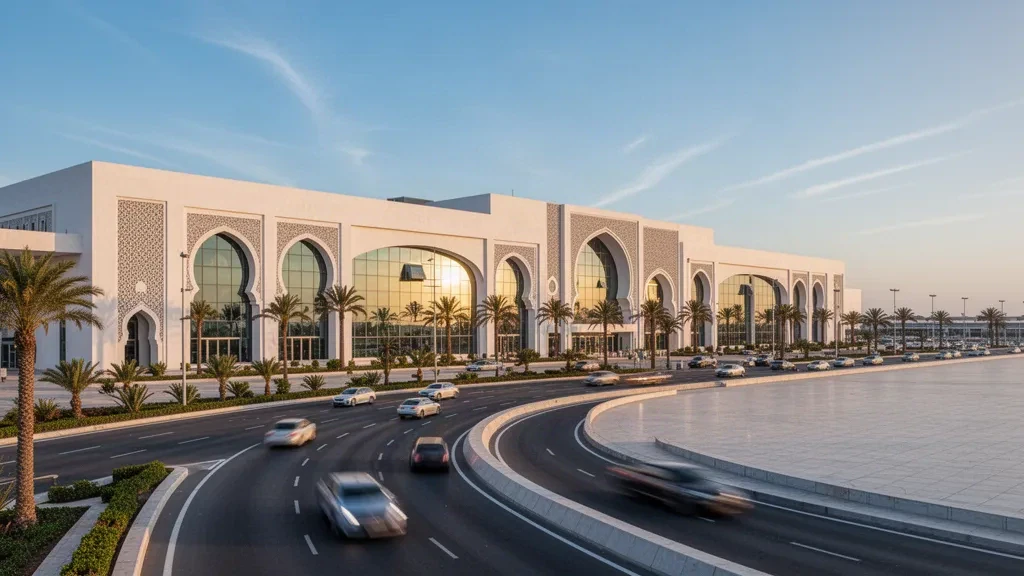
Travel between Mohammed V International Airport and hotels, business districts, the city centre and coastal areas across Casablanca.
Hourly Chauffeur
Book a private chauffeur by the hour for business meetings, events, sightseeing and flexible travel around Casablanca.
Car Rental
Rent a car in Casablanca for independent travel around the city and journeys to nearby destinations along the coast or inland.
Bus & Group Transfers
Arrange minibuses or charter buses for groups, corporate travel, events, airport transfers and tours in and around Casablanca.
Frequently Asked Questions
Related Cities in Morocco
View all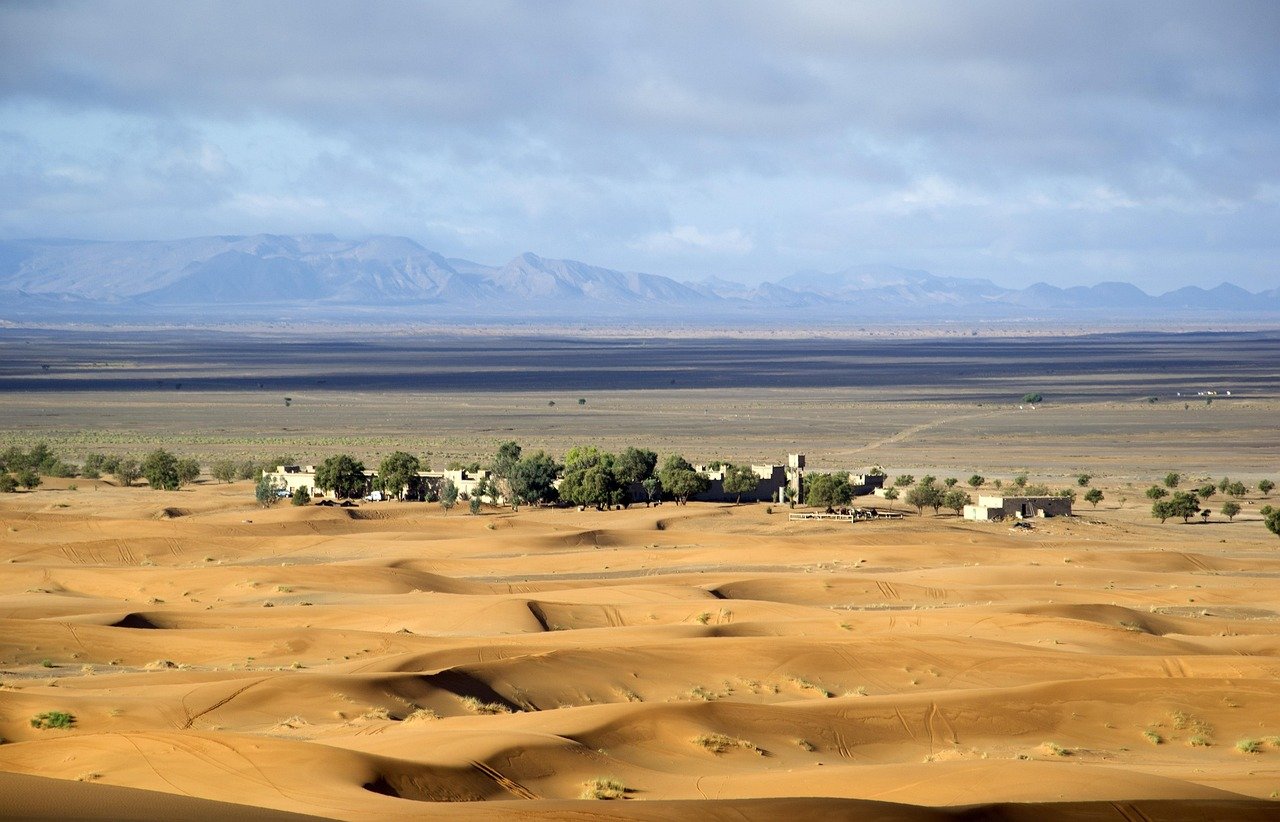
Zagora
Zagora, a desert town in southeastern Morocco, is a gateway to the Sahara, framed by Draa Valley palm groves, earthen kasbahs and a deep Amazigh heritage. It has long been a starting point for desert caravans and journeys into the dunes.
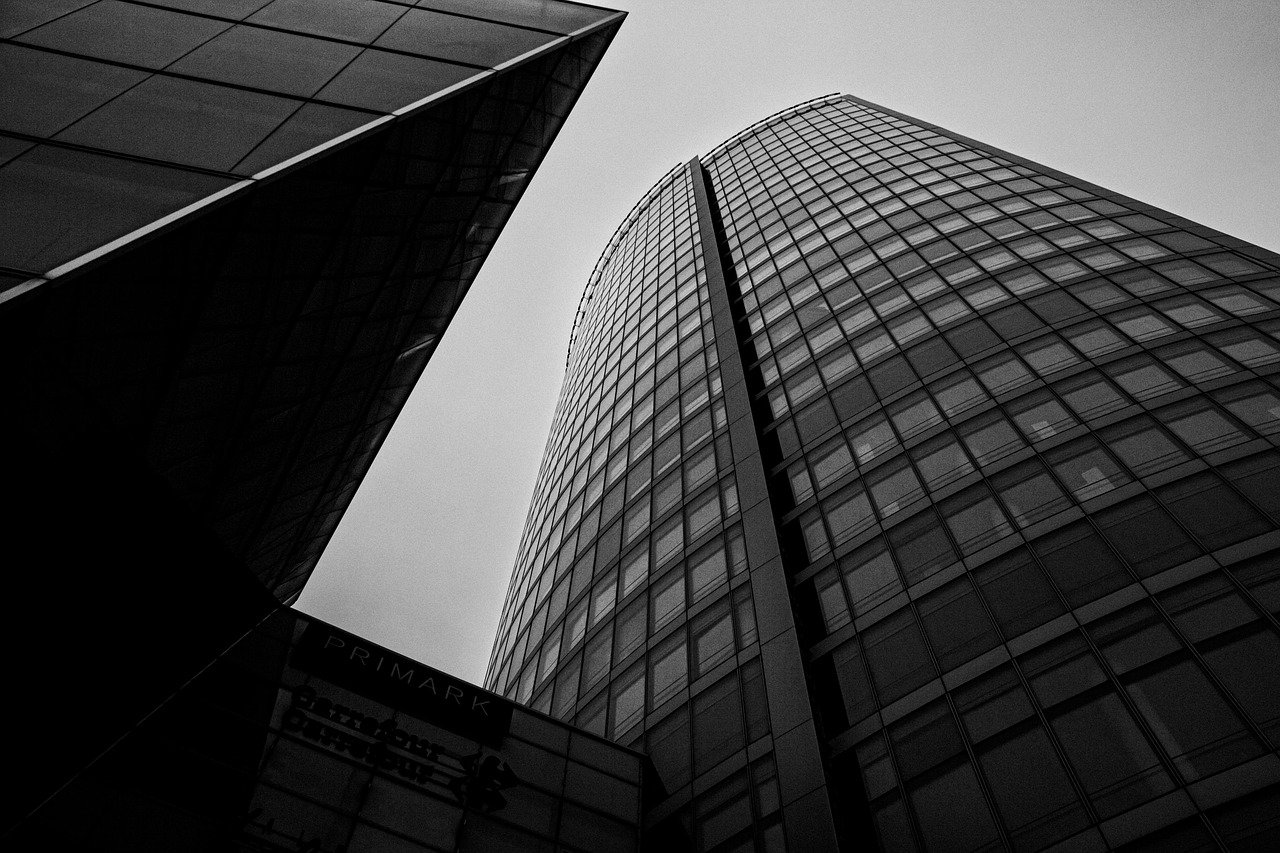
Youssoufia
A mining town in western Morocco, Youssoufia grew around phosphate extraction and remains tied to the agricultural plains of the Doukkala region. Its markets, cafés and streets offer a low-key look at daily life away from the tourist trail.
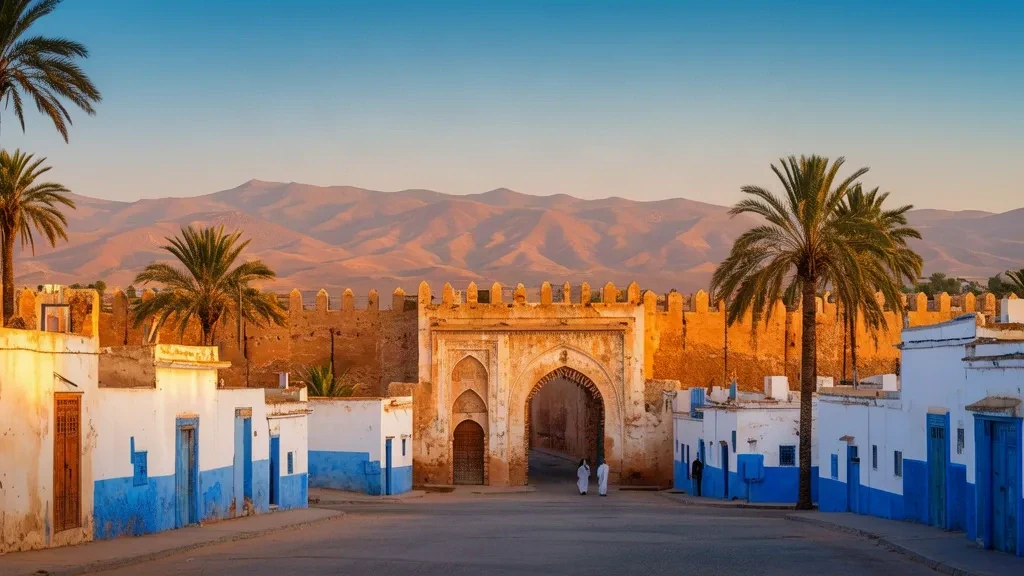
Tiznit
Tiznit, a walled city in southern Morocco, is known for its traditional silver craftsmanship, historic ramparts and Berber heritage. Its medina, lively souks and proximity to the Anti-Atlas Mountains and Atlantic coast give it a distinctive, unhurried character.