Agalega Islands
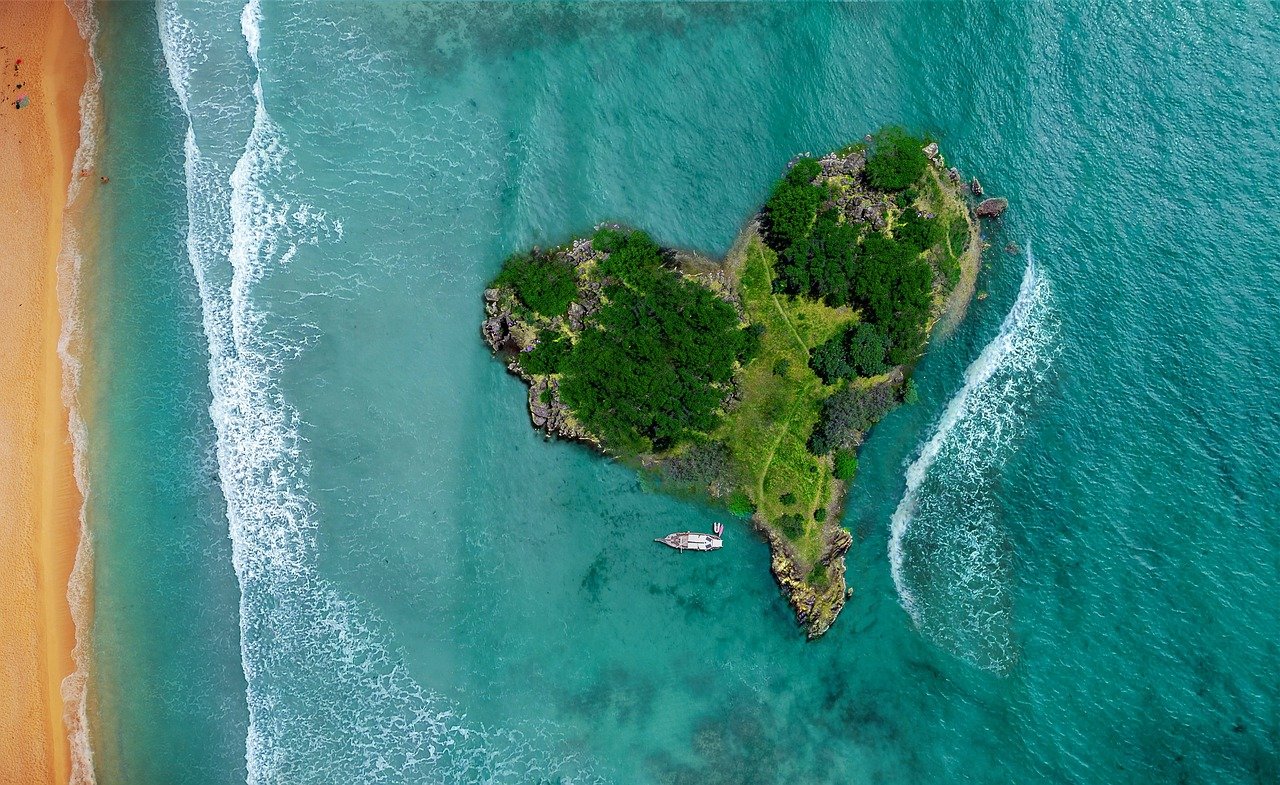
Agalega Islands form a remote coral archipelago in the Indian Ocean, part of Mauritius, known for coconut groves, quiet villages, turquoise lagoons and an unhurried island way of life.
Passengers
Luggage
About Agalega Islands
Agaléga is a remote outer-island dependency of Mauritius, formed by two low-lying coral islands — North Island and South Island — linked by a narrow sandy isthmus in the Indian Ocean, roughly 1,050 km north of Mauritius. With around 330 residents and a total land area of about 26 km², it feels closer to a small island community than a conventional city.
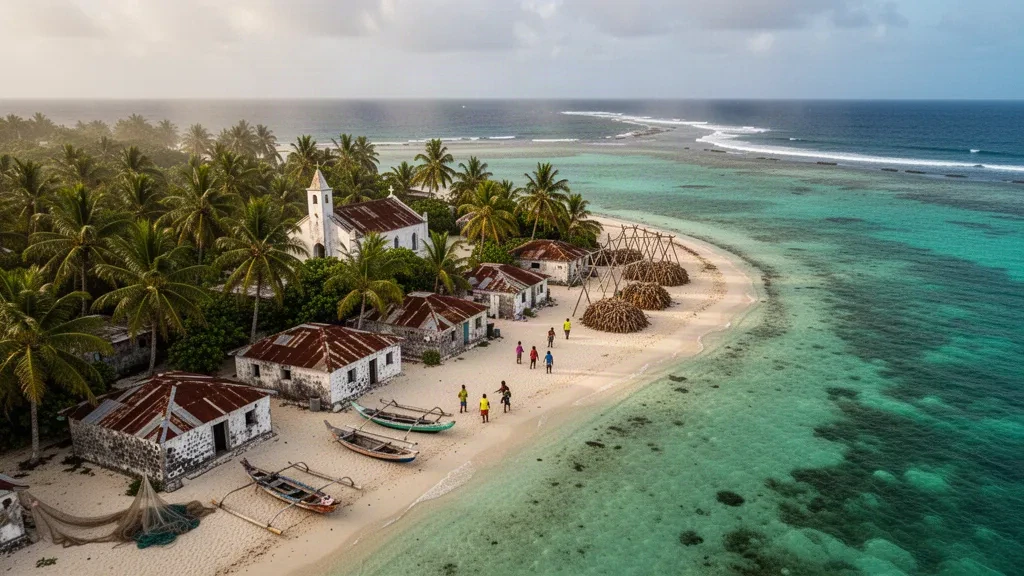
The islands' modern settlement began in the early 19th century, when the French administrator Auguste Le Duc organized coconut plantations for copra and coconut oil production. Coconut cultivation and fishing remain central to local life, and the Creole-speaking Agaléens preserve a distinct island identity shaped by this plantation and maritime heritage.
Vingt-Cinq, on North Island, is the main village and administrative centre, with La Fourche further north and Sainte Rita the only village on South Island. Visitors encounter simple Creole houses, a church, school, dispensary, coconut groves and long, quiet beaches rather than urban landmarks.
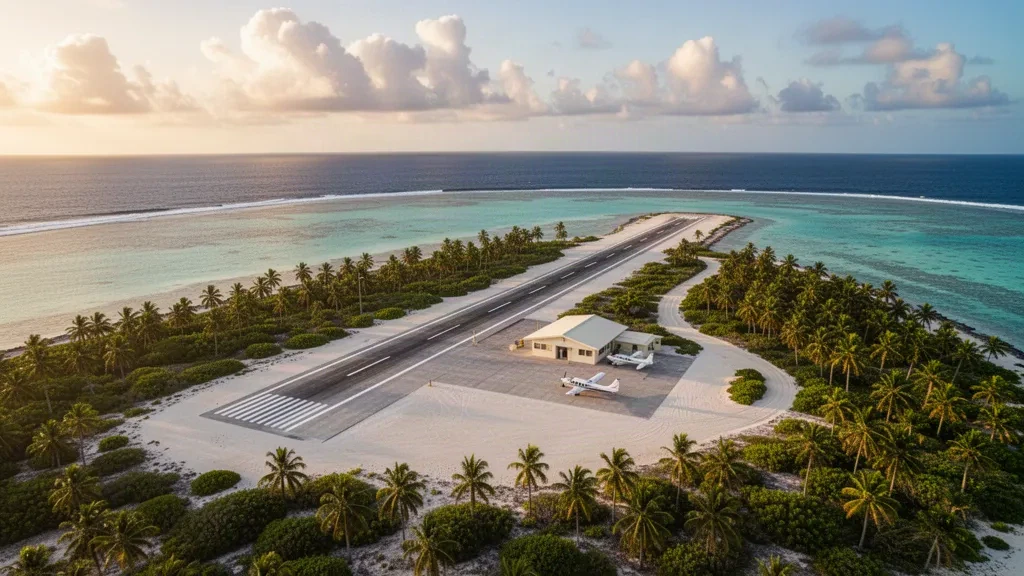
Access is limited and regulated: the islands are reached by supply vessel from Port Louis or occasional flights to the Agalega Island Airstrip, and prior authorization is generally required. Recent infrastructure development has expanded the airstrip and jetty, reflecting the islands' growing strategic relevance.
For travellers, Agaléga offers a rare, unhurried experience of lagoons, coral reefs, birdlife and Creole island culture. Its appeal lies in seclusion and authenticity rather than built attractions, making it relevant mainly to visitors seeking a remote Mauritian destination.
Agalega Islands Travel Guide
Best Time to Visit
The drier, cooler months from roughly May to November are generally the most comfortable for visiting Agaléga. Cyclone season in the southwest Indian Ocean runs from about November to May, and access depends on ship and flight schedules rather than a fixed tourist season.
How to Get Around
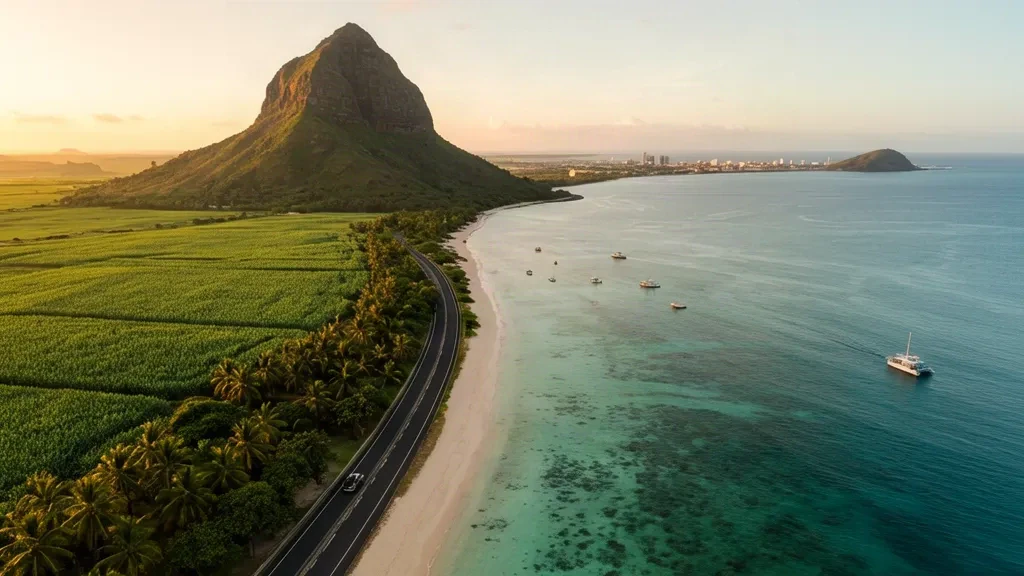
The islands are small and mostly explored on foot, by bicycle or in the limited number of vehicles used on North Island. Boats link North and South Island across the lagoon, but there is no formal public transport system.
Where to Stay
Accommodation is very limited and mainly consists of basic guesthouse-style lodging around Vingt-Cinq. Visitors need prior authorization to travel to Agaléga and should arrange lodging well in advance through local contacts or government channels.
Food & Drink
Local meals draw on Creole cooking, fresh fish and seafood, and coconut-based dishes using produce from the islands' plantations. Supplies are limited, so many goods arrive by supply ship from Mauritius and dining options are simple and community-based.
Ground Transportation Services in Agalega Islands
Airport Transfers
Travel between Agalega Island Airstrip and Vingt-Cinq, La Fourche, Sainte Rita or other points on the islands for arriving and departing visitors.
Hourly Chauffeur
Book a private driver by the hour for flexible travel around North and South Island, including plantation visits, beaches and village stops.
Car Rental
Arrange a vehicle for independent travel on Agaléga's limited road network, useful for moving between villages and the airstrip.
Bus & Group Transfers
Organize transport for groups arriving for research, official visits or island tours, including transfers between the airstrip, jetty and villages.
Frequently Asked Questions
Related Cities in Mauritius
View all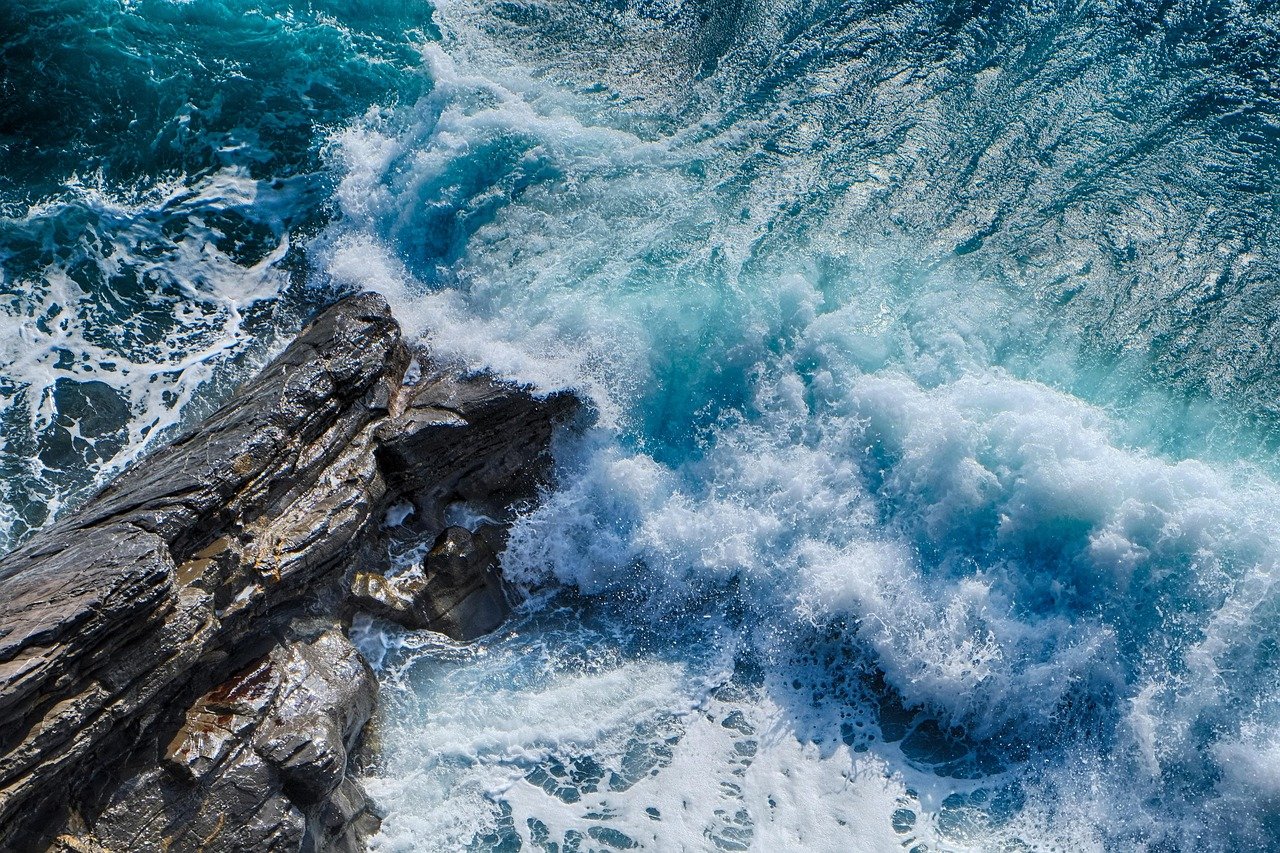
Savanne
Savanne, in southern Mauritius, is a scenic district of sugar cane fields, rugged coastline and Creole heritage, with landmarks like Rochester Falls and Gris Gris.
Saint Brandon Islands
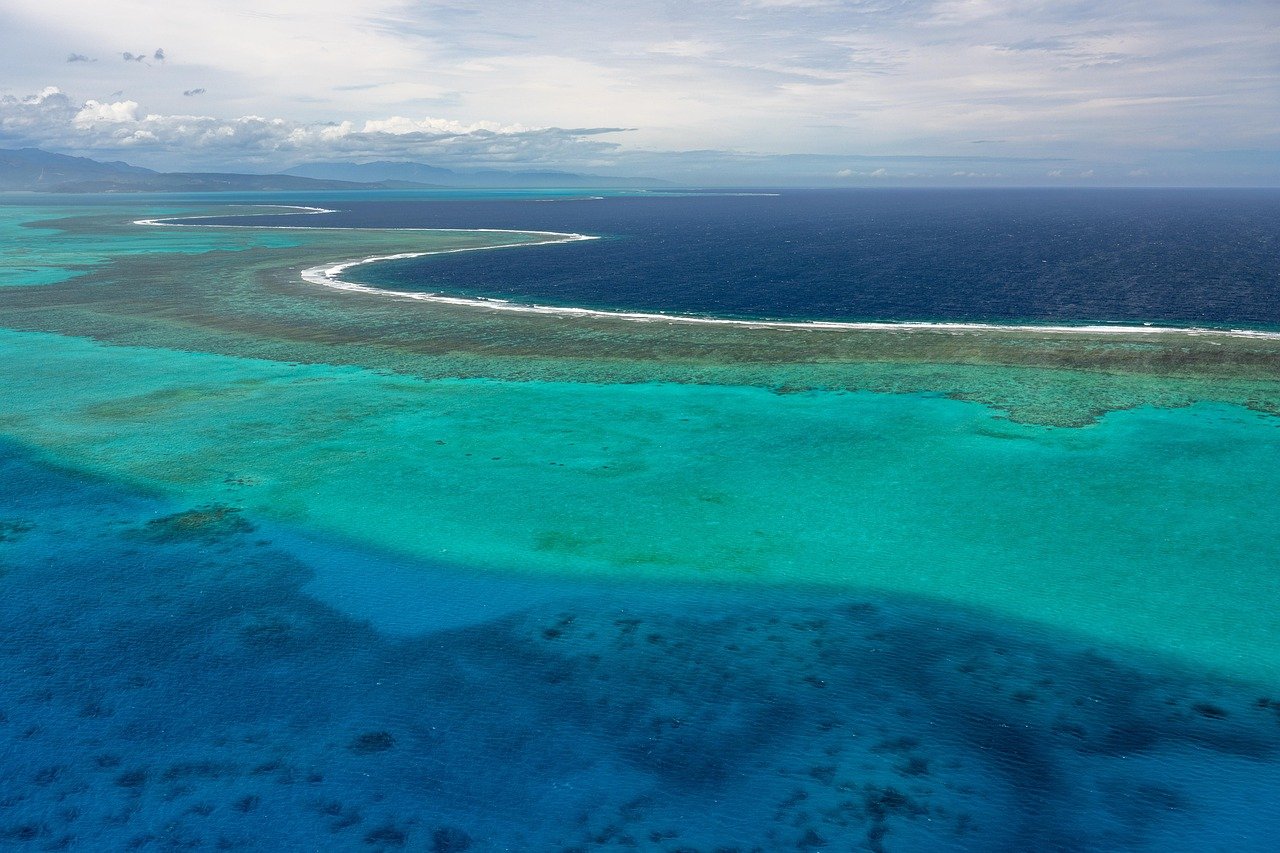
Saint Brandon Islands, a remote coral archipelago northeast of Mauritius, is known for its turquoise lagoons, rich marine life and secluded, unspoiled character.
Rivière du Rempart
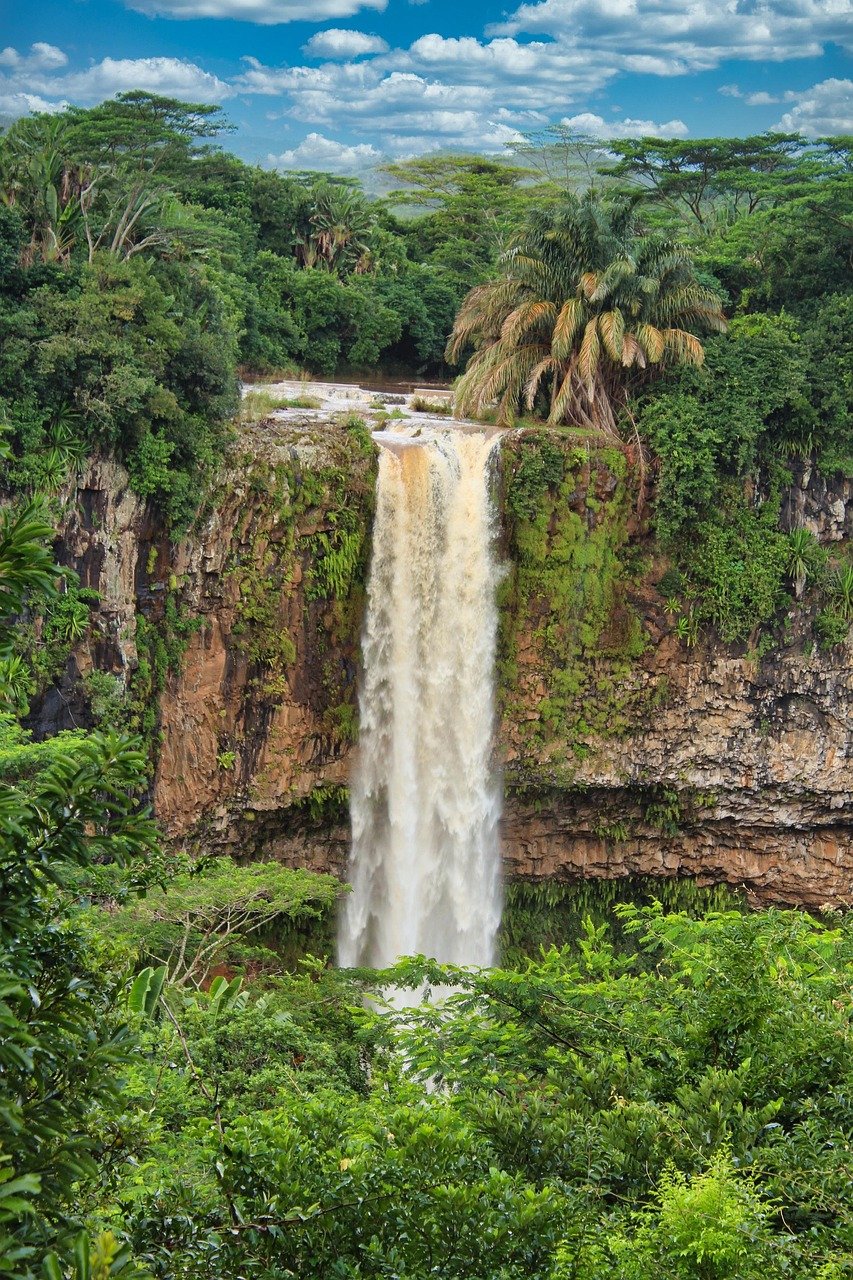
Rivière du Rempart is a small town in northern Mauritius and the administrative centre of the district of the same name. Set among sugarcane fields, it offers a quiet base near the beaches and lagoons of the north coast.