Mili
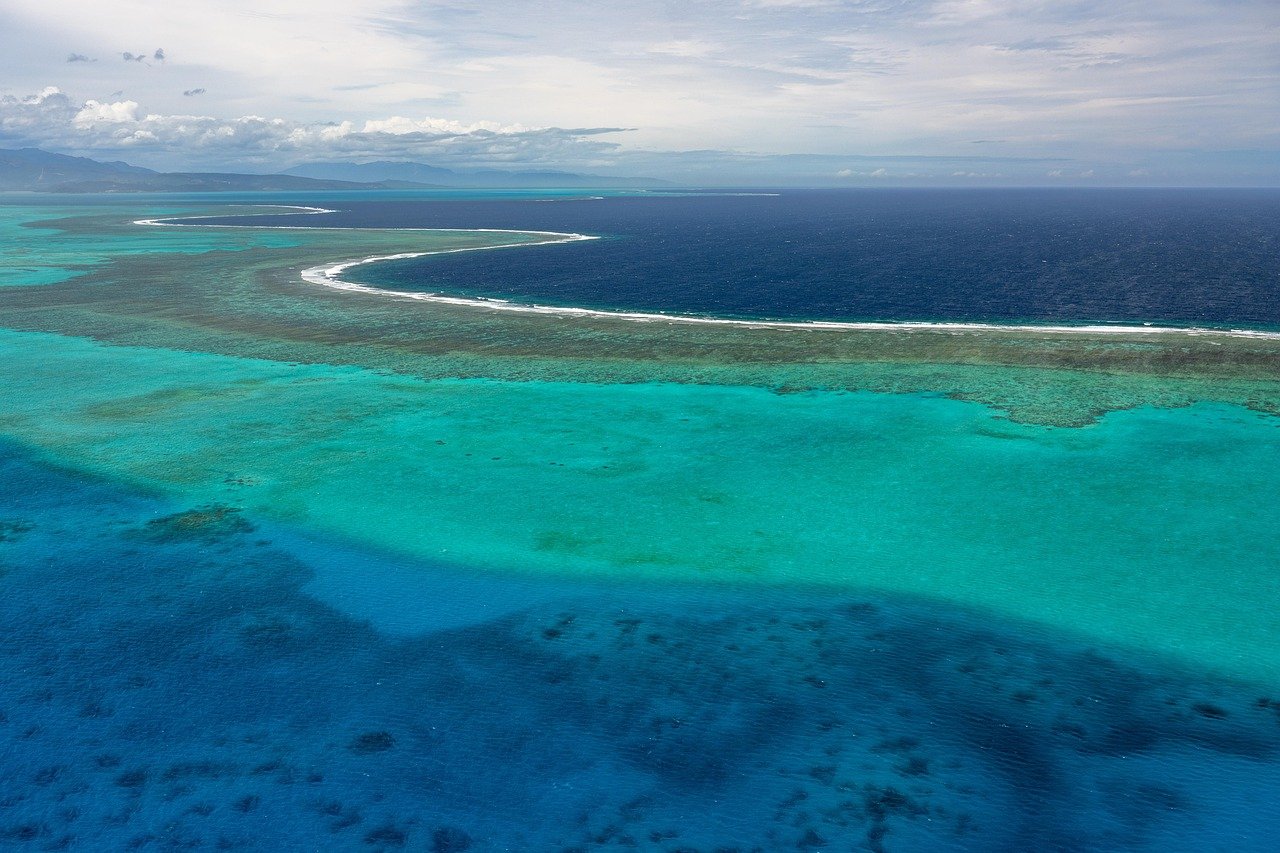
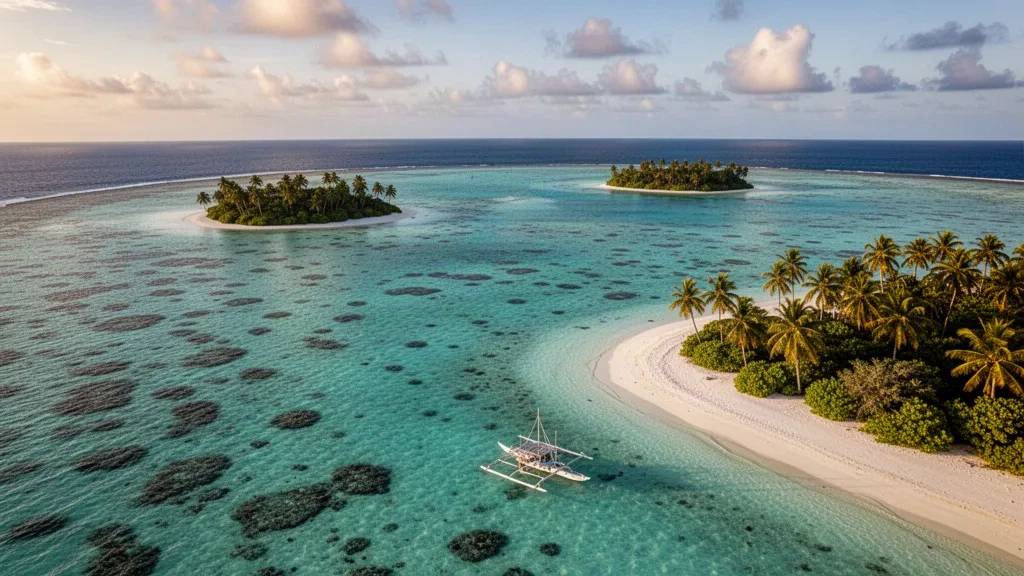
Mili, a remote atoll in the Marshall Islands' Ratak chain, pairs a calm lagoon and coconut-lined islets with scattered relics of its Second World War past. Days here follow the tide, drawing travellers who come for fishing, diving and a rare sense of distance from the modern world.
Passengers
Luggage
About Mili
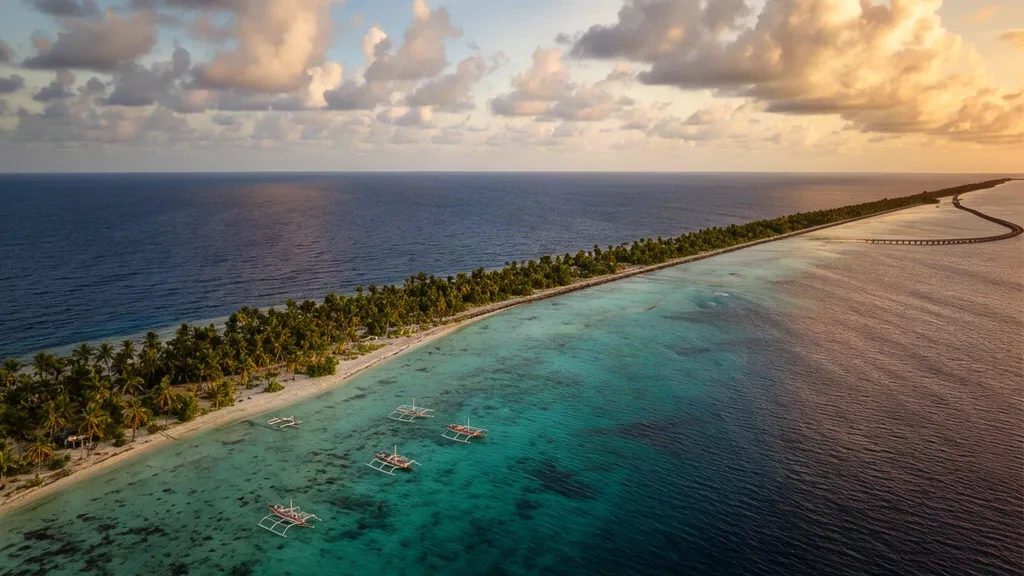
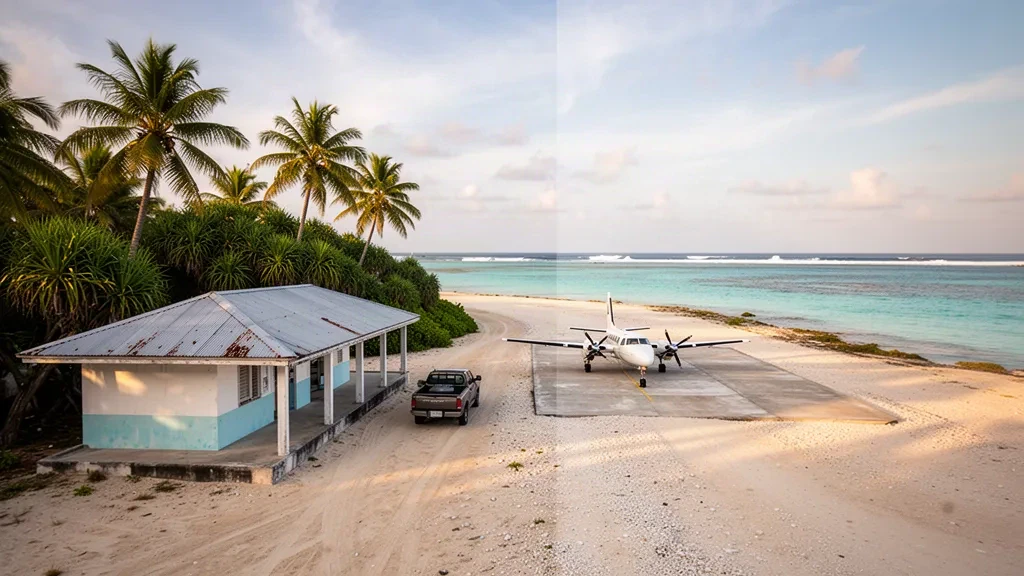
Mili is a remote coral atoll in the Ratak Chain of the Marshall Islands, set in the central Pacific. Its main settlement, also called Mili, sits on Mili Mili islet in the southwest of an atoll formed by 92 islets around a wide lagoon.
The atoll is best known for its World War II history, when it served as a major Japanese base. Bunkers, artillery pieces, rail remnants and aircraft wrecks still lie on land and in shallow water, making Mili an unusual destination for travelers interested in Pacific war history.
Daily life centers on the villages of Mili, Nallu, Enejet, Lukonor, Tokewa and Wau, where fishing, copra production and traditional Marshallese culture remain part of everyday life. Several of these settlements are linked only at low tide, reinforcing the atoll's slow, island-paced rhythm.
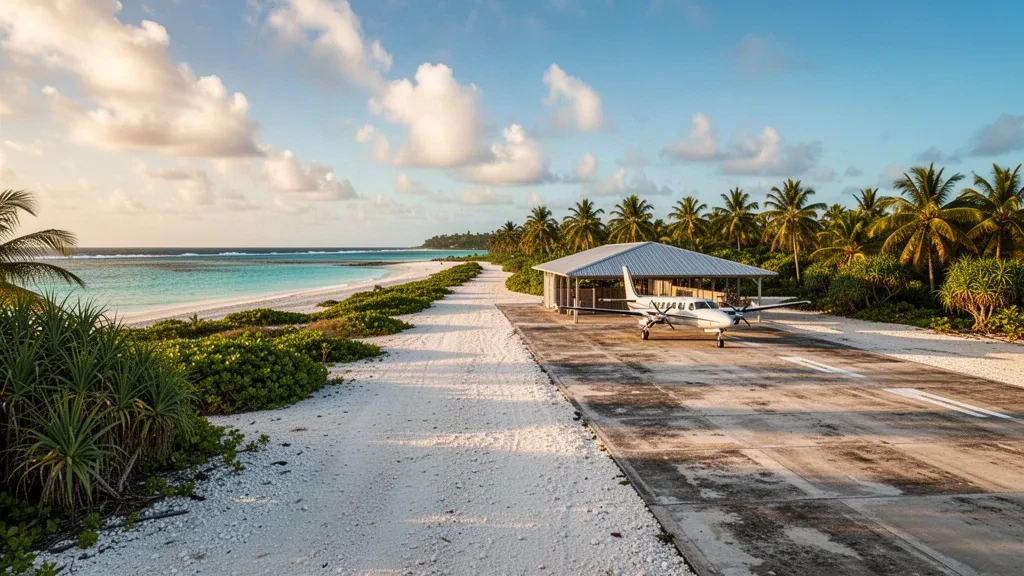
Reaching Mili requires planning. Visitors generally travel by boat from Majuro or use small Air Marshall Islands flights when they are operating, and tourism infrastructure is minimal. The destination suits independent travelers who value quiet lagoon scenery and outer-island life over conventional resort comforts.
Mili is not a commercial or conference hub, so its relevance for business travel is limited mainly to research, government or supply work. For most visitors, the appeal is the chance to see a rarely visited corner of the Pacific with war relics, village hospitality and strong maritime traditions.
Mili Travel Guide
Best Time to Visit
The drier season from December to April is generally the most comfortable time to visit Mili, with lower rainfall and calmer conditions for boat travel. The wetter months from May to November bring higher humidity and a greater chance of rain.
How to Get Around
Mili has no public buses or taxis. Visitors walk around the main village, use bicycles where available and rely on small boats to move between islets, while longer travel to and from Majuro is normally done by sea.
Where to Stay
Accommodation is limited to simple guesthouses and village homestays, mostly around Mili village. Visitors should arrange stays in advance through local contacts or their boat operator, as there are no large hotels on the atoll.
Food & Drink
Meals are usually provided by guesthouses or local families and feature fresh fish, coconut, breadfruit and rice. There are few if any formal restaurants, so dining tends to be home-cooked and arranged as part of the stay.
Ground Transportation Services in Mili
Airport Transfers
Travel between Mili Airport and village guesthouses, the lagoon dock and nearby settlements on Mili Atoll.
Hourly Chauffeur
Book a local driver or boat handler by the hour for flexible travel between Mili's villages, war history sites and the lagoon.
Car Rental
Car rental is extremely limited in Mili, where most movement is on foot or by boat; a vehicle can sometimes be arranged locally for specific needs.
Bus & Group Transfers
Coordinate charter boat transfers from Majuro and local boat transport for groups, school or church trips, events and lagoon excursions in Mili.
Airports in Mili
Frequently Asked Questions
Related Cities in Marshall Islands
View all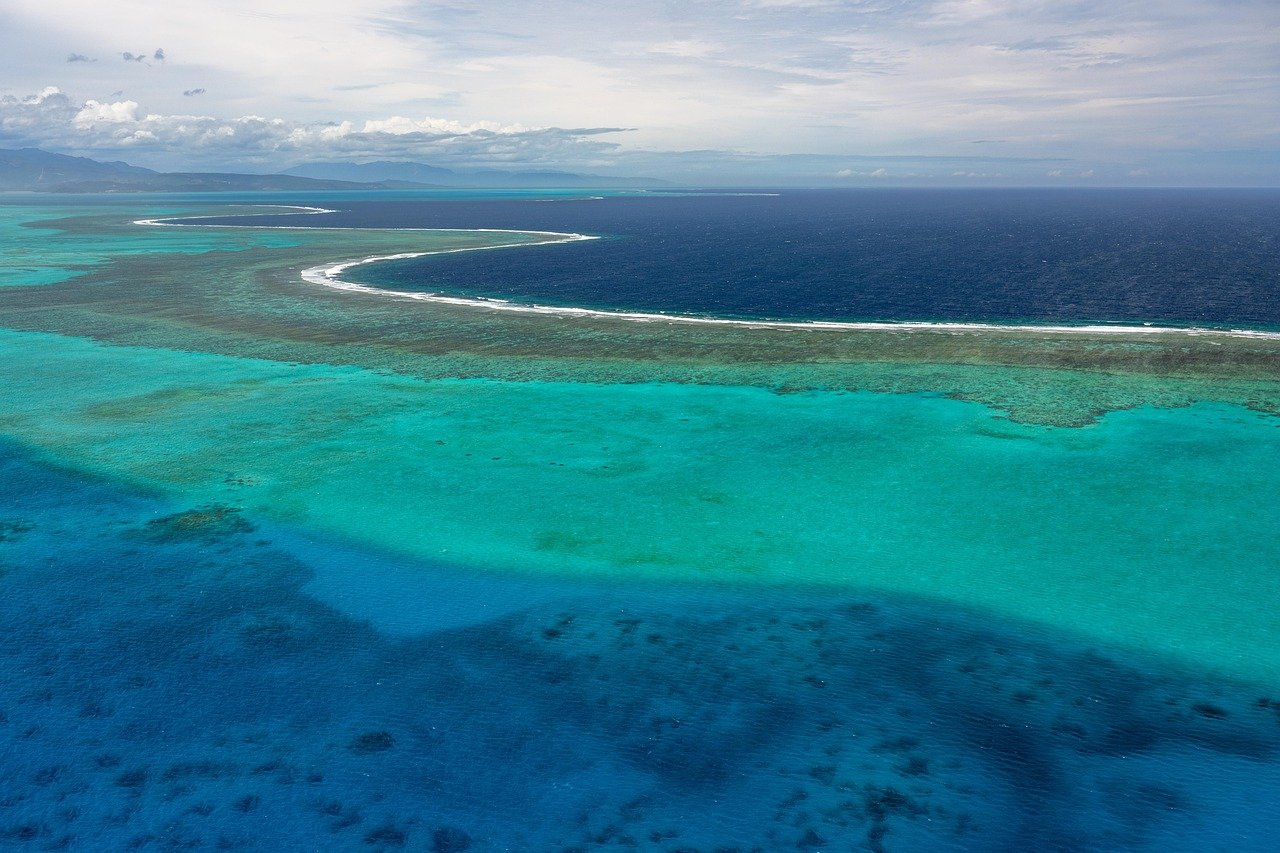
Wotje
Wotje is a coral atoll in the Marshall Islands, shaped by a wide lagoon, small scattered islets and a quiet island rhythm. Its World War II relics and abandoned Japanese base give the atoll a distinctive place in Pacific history.
Wotho
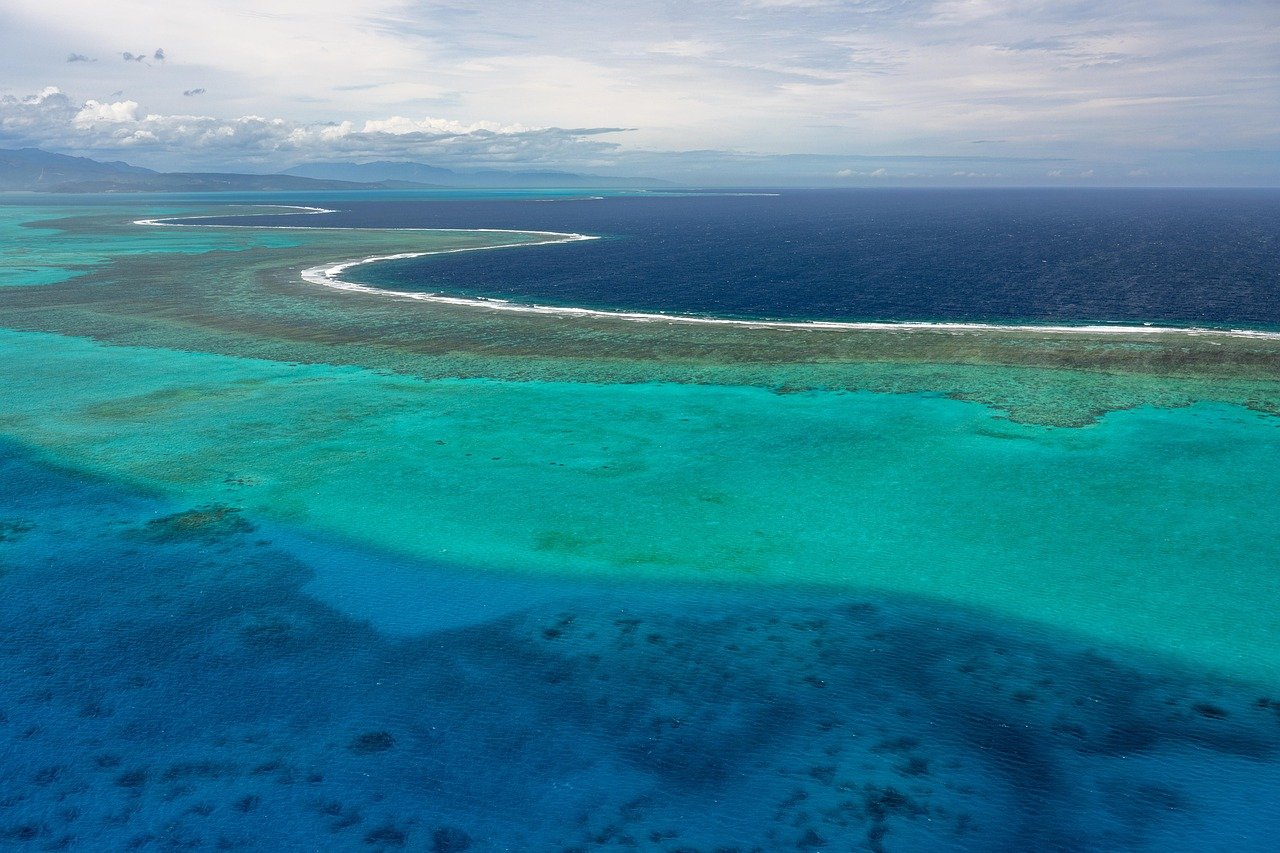
Wotho, a remote coral atoll in the Marshall Islands, is known for its clear lagoon, small traditional communities and a quiet island rhythm that feels far from the modern world. Its scattered islets and surrounding reef make it a distinctive destination for travelers seeking untouched Pacific scenery.
Utrik
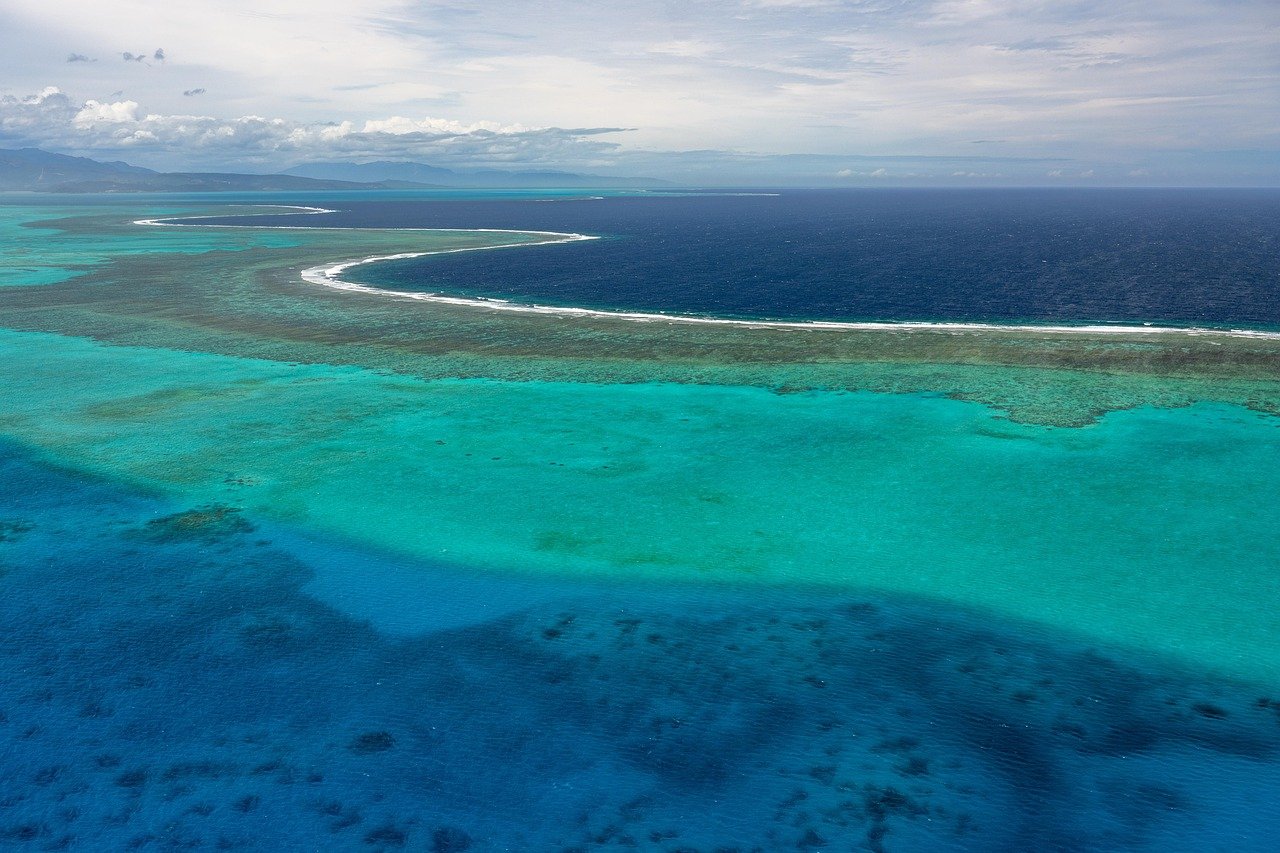
Utrik, a remote coral atoll in the Marshall Islands, offers a glimpse of traditional Marshallese life, with a quiet lagoon, subsistence fishing and a close-knit island community.