Maloelap
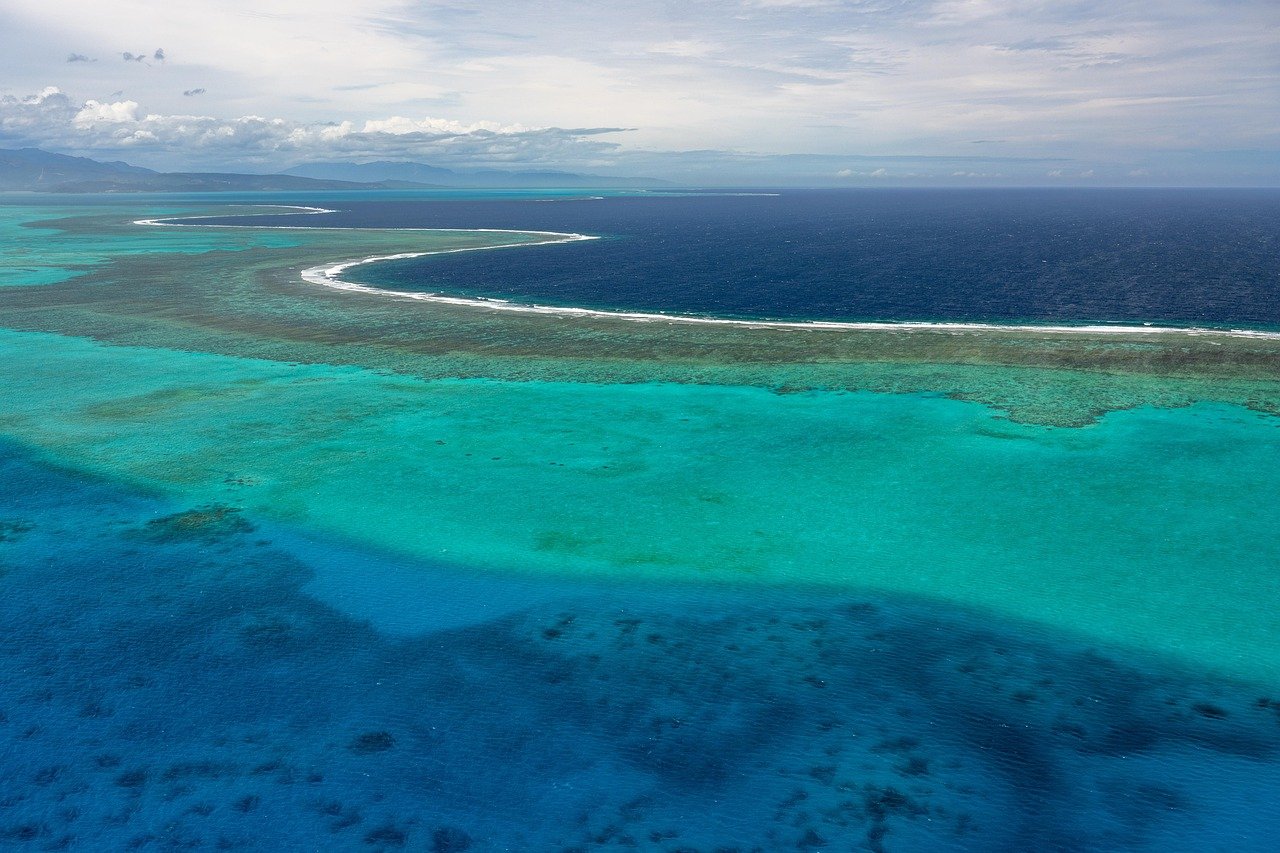
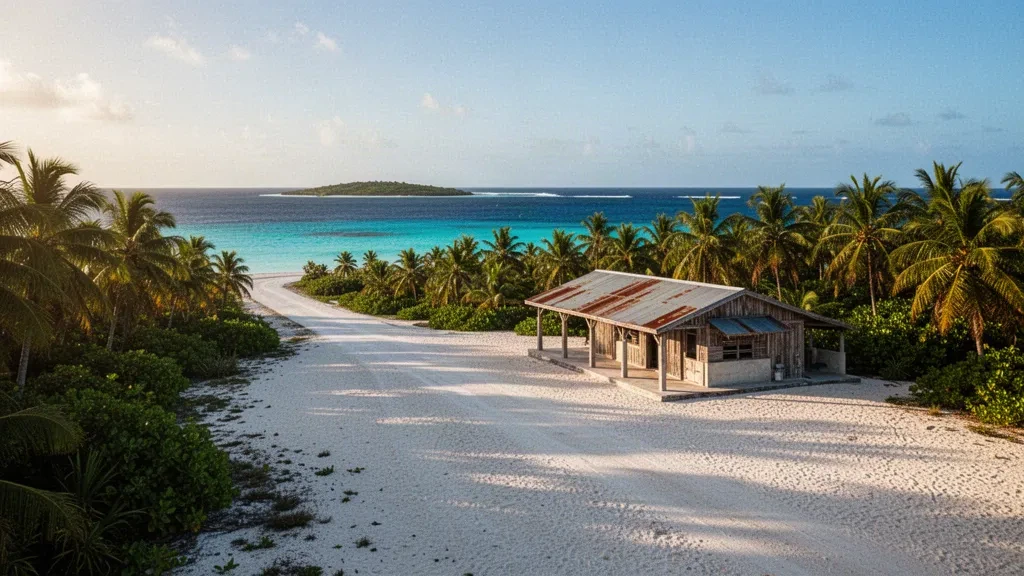
Maloelap is a remote coral atoll in the Marshall Islands, where World War II relics, quiet lagoon waters and rich reef life give it a distinct, off-the-beaten-path appeal.
Passengers
Luggage
About Maloelap
Maloelap is a coral atoll of 71 islets in the Ratak, or sunrise, chain of the Marshall Islands. Its low-lying rim of coconut palms and villages surrounds one of the country's largest lagoons, creating a remote, ocean-centred character far from the busier capital atoll of Majuro.
Taroa, in the northeast, is the administrative centre and the main arrival point for flights, while Kaben in the northwest is another key settlement. Only a few islets are inhabited, and daily life is closely tied to fishing, copra production and small village communities.
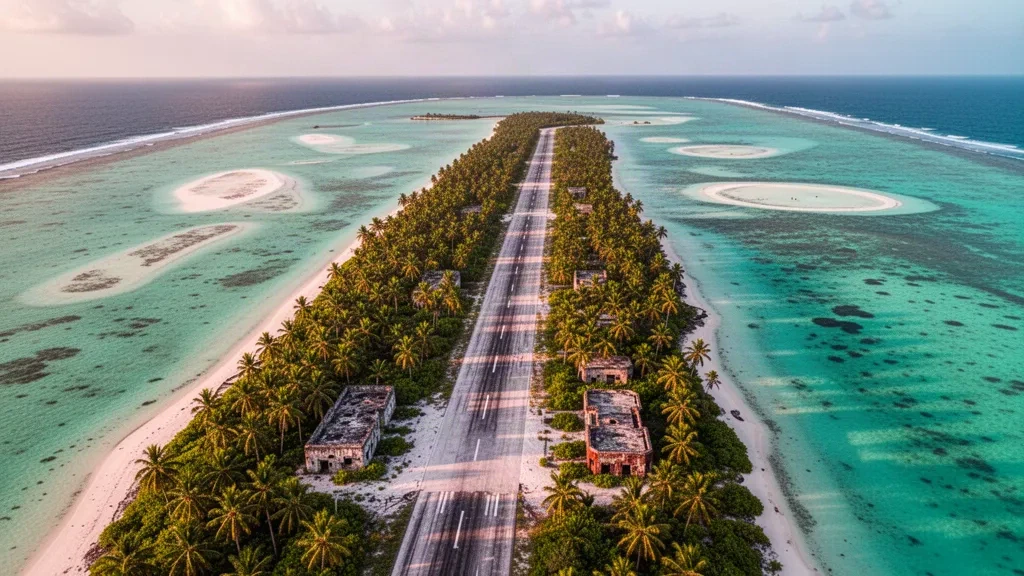
Maloelap is best known for its World War II heritage. Taroa was the site of a large Japanese air base, and wartime runways, bunkers, gun positions, a pier and other remains still stand among the vegetation.
Visitors come for the wartime history, the clear lagoon, reef fishing and the chance to experience outer-island Marshallese culture at an unhurried pace. Infrastructure is simple, so a visit requires advance planning and flexibility.
Maloelap suits independent and small-group travellers, history enthusiasts and those already travelling through the Marshall Islands. It offers a quiet, less-visited view of atoll life rather than conventional resort tourism.
Maloelap Travel Guide
Best Time to Visit
December to April is generally the drier and calmer season, making it the most practical time for flights, boat travel between islets and outdoor activities. The wetter months from May to November can bring heavier rain and rougher seas.
How to Get Around
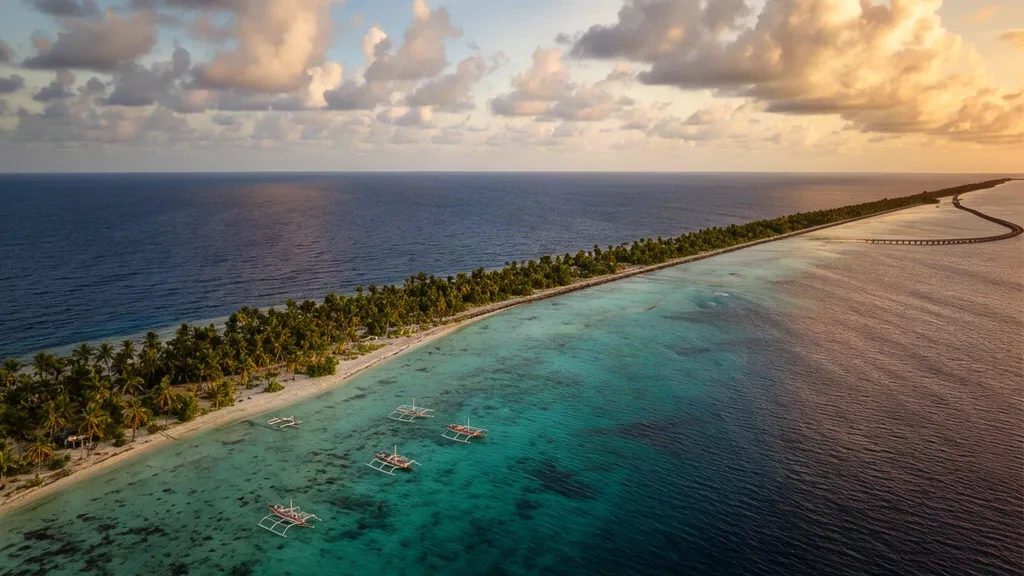
There is no public transport system on Maloelap. Visitors move between islets by small boat and explore villages on foot or by bicycle, so transfers should be arranged in advance with local boat operators.
Where to Stay
Accommodation options are limited to simple guesthouses or locally arranged homestays, mainly around Taroa and Kaben. Travellers should confirm a place to stay and meals before arrival because there is little formal hotel infrastructure.
Food & Drink
Meals are built around fresh reef fish, coconut, breadfruit, pandanus and imported staples such as rice. Visitors generally eat at their guesthouse or homestay, and many supplies arrive by ship or plane from Majuro.
Ground Transportation Services in Maloelap
Airport Transfers
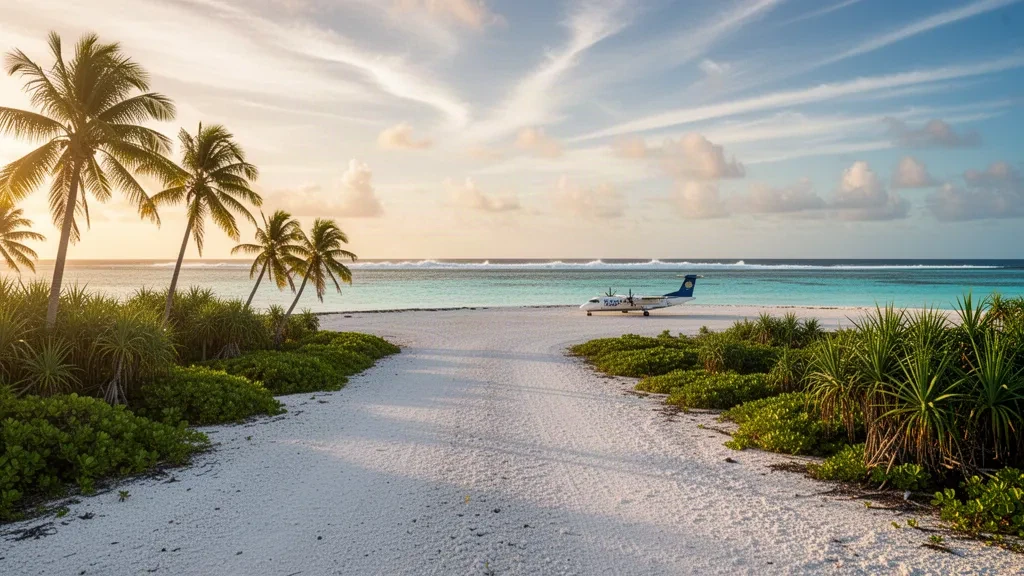
Meet arriving flights at Maloelap Airport on Taroa and travel by local boat to Kaben, guesthouses or other islets within the atoll.
Hourly Chauffeur
Arrange a private local boat operator and guide by the hour for flexible travel between Taroa, Kaben and nearby lagoon destinations.
Car Rental
Formal car rental is not available on Maloelap's small islets; visitors primarily get around by boat, bicycle or on foot, so independent travel is best planned around local boats.
Bus & Group Transfers
Book a chartered boat for groups arriving through Maloelap Airport, covering transfers between islets, lagoon trips and coordinated travel for small tour groups.
Airports in Maloelap
Frequently Asked Questions
Related Cities in Marshall Islands
View all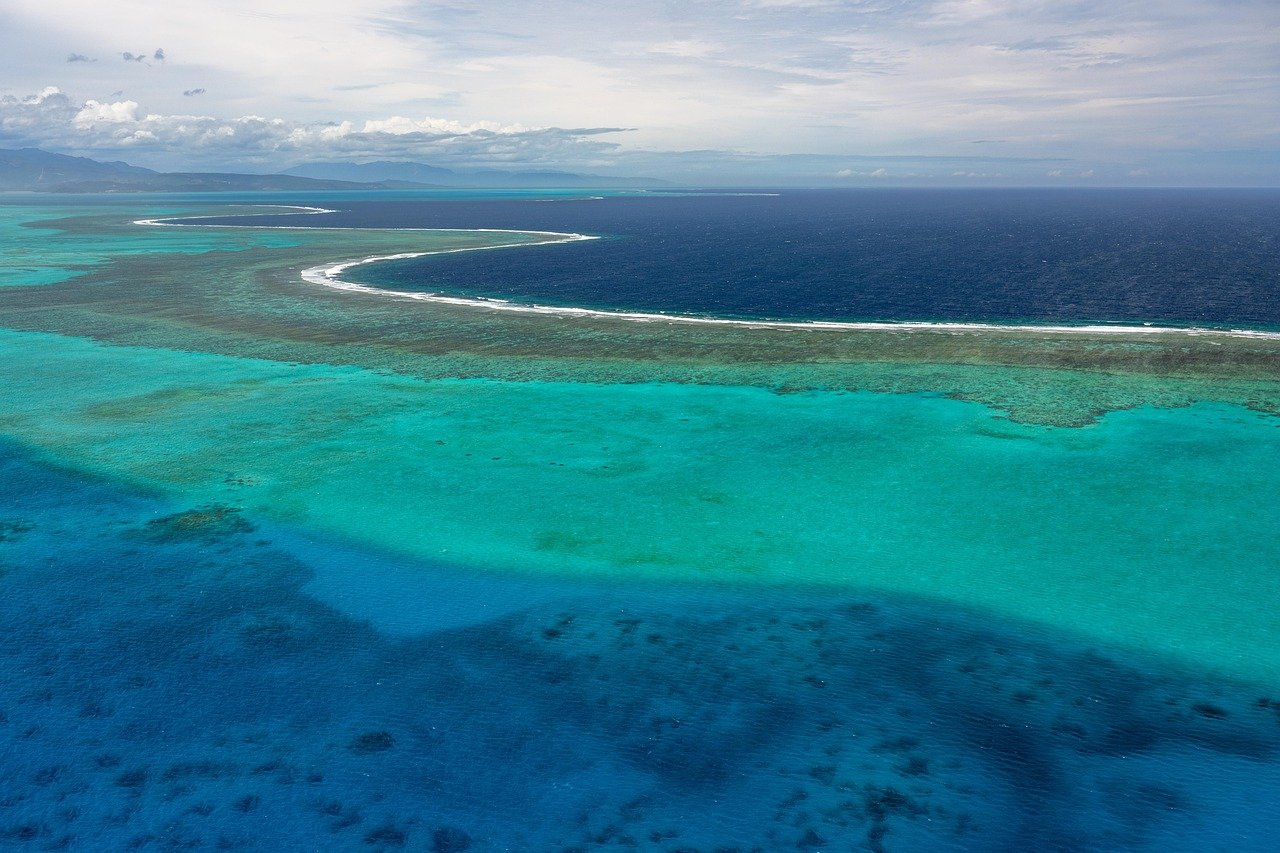
Wotje
Wotje is a coral atoll in the Marshall Islands, shaped by a wide lagoon, small scattered islets and a quiet island rhythm. Its World War II relics and abandoned Japanese base give the atoll a distinctive place in Pacific history.
Wotho
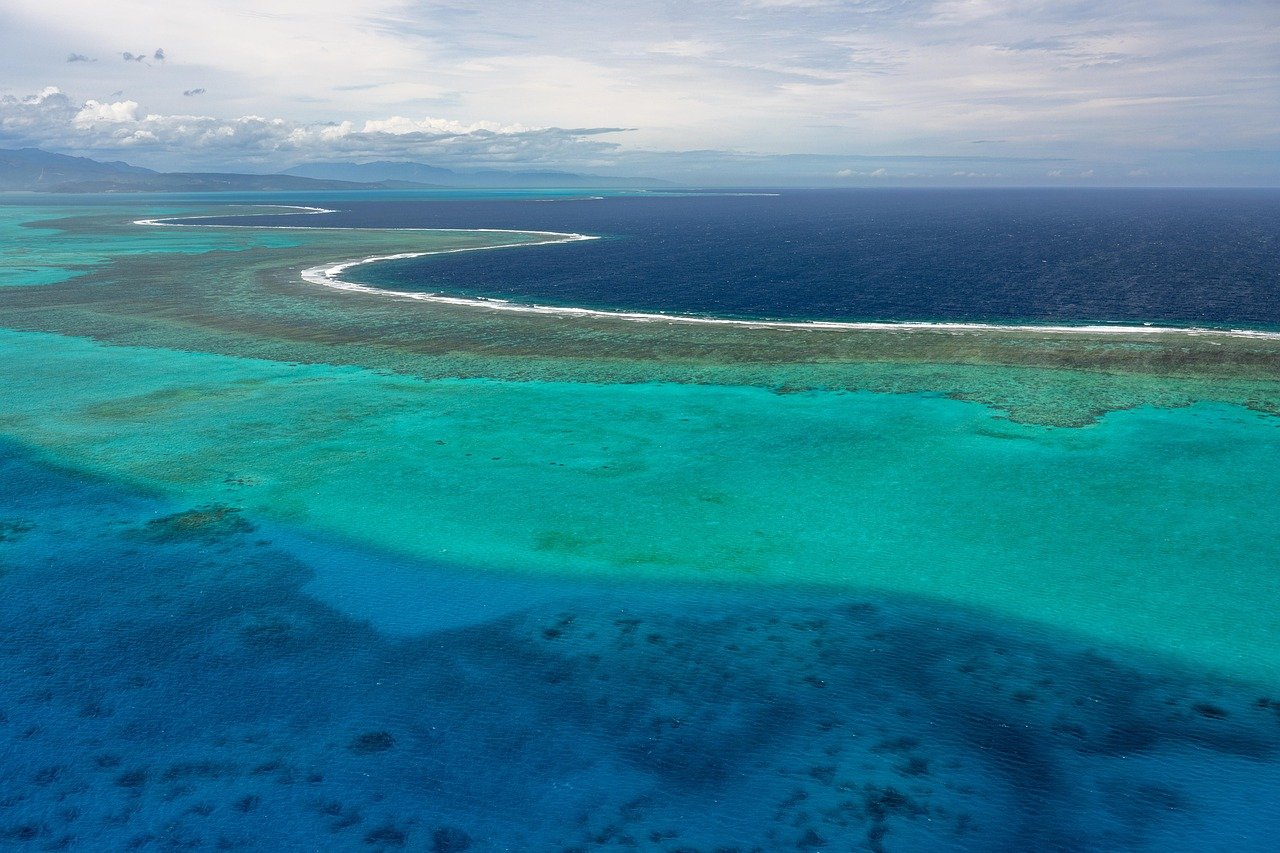
Wotho, a remote coral atoll in the Marshall Islands, is known for its clear lagoon, small traditional communities and a quiet island rhythm that feels far from the modern world. Its scattered islets and surrounding reef make it a distinctive destination for travelers seeking untouched Pacific scenery.
Utrik
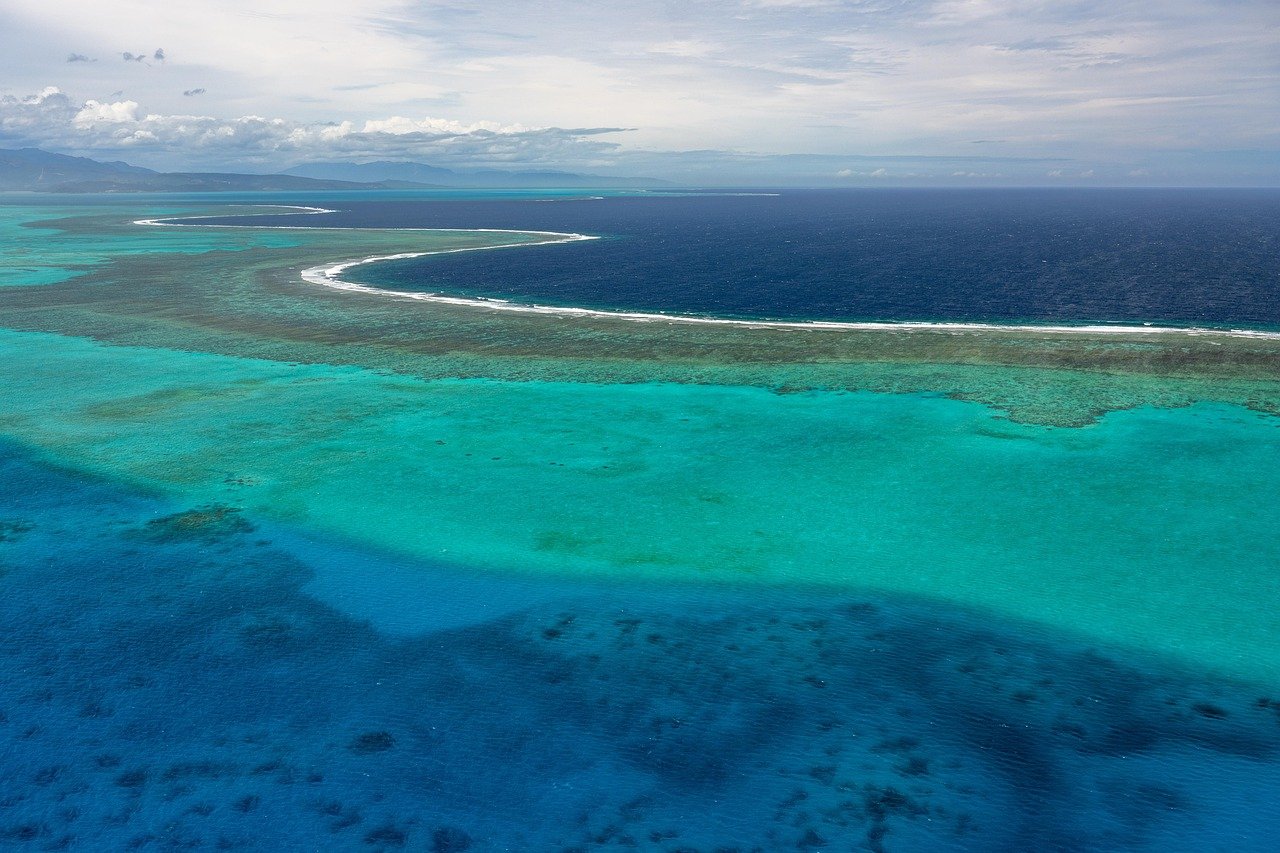
Utrik, a remote coral atoll in the Marshall Islands, offers a glimpse of traditional Marshallese life, with a quiet lagoon, subsistence fishing and a close-knit island community.