Visaginas
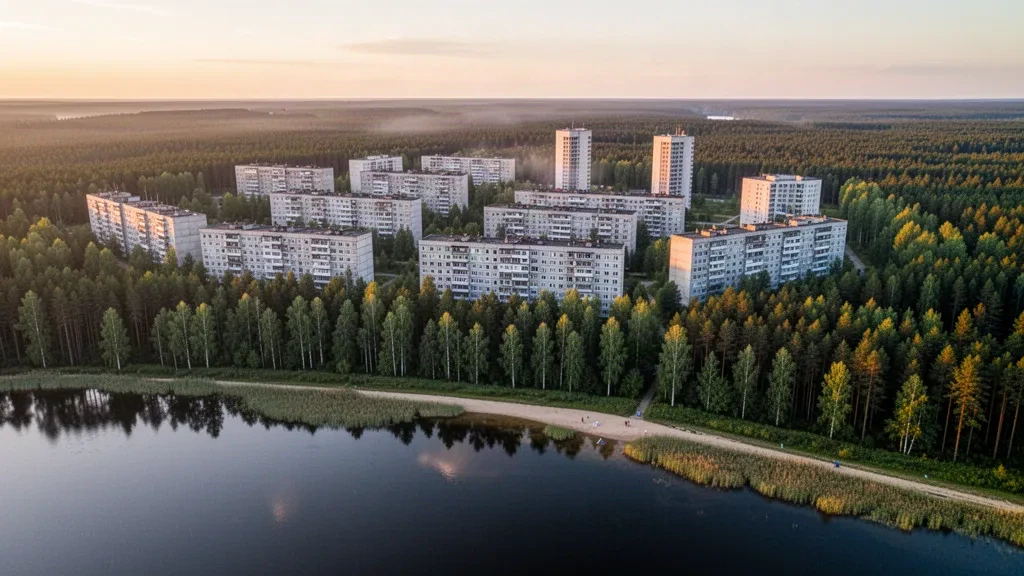
Visaginas is a planned town in northeastern Lithuania, built for workers of the Ignalina Nuclear Power Plant. Its grid of Soviet-era apartment blocks sits among lakes and pine forests, giving the city a quiet, multicultural character.
Passengers
Luggage
About Visaginas
Visaginas is Lithuania's youngest town, built from 1975 as a planned home for workers of the Ignalina Nuclear Power Plant. Set among pine forests beside Lake Visaginas in the country's northeastern corner, near the borders with Latvia and Belarus, it stands apart from older Lithuanian towns with its late-Soviet modernist layout, generous green space and unusually multicultural population.
The settlement was founded as Sniečkus and renamed Visaginas after Lithuania regained independence in 1992. Its identity remains tied to the Ignalina plant, which stopped generating electricity in 2009 and now anchors local employment through its long-term decommissioning programme. Wide boulevards, blocks of flats and functional public buildings reflect the town's origin as a purpose-built energy community.
Daily life centres on Lake Visaginas, where a beach, promenade and sports areas draw residents and visitors in warm weather. The Visaginas Cultural Centre, the town's churches and the annual Visagino Country international music festival add cultural focus, while surrounding forests, cycling paths and nearby lakes make it a practical base for quiet outdoor recreation.
Visaginas has a Russian-speaking majority and more than 40 nationalities, giving it a distinct cultural character within Lithuania. That mix appears in its cafés, community events and everyday street life, while the compact centre is easy to explore on foot.
For travellers, Visaginas offers an uncommon look at Lithuania's Soviet industrial legacy combined with lakeside calm. Business visits are mostly linked to energy-sector work and decommissioning services, and Vilnius Airport, about 160 km away, is the main international gateway, reached by train, bus or car.
Visaginas Travel Guide
Best Time to Visit
Summer is the liveliest season in Visaginas, when the Lake Visaginas beach is open and the annual Visagino Country music festival fills the town with concerts. Late spring and early autumn offer quieter conditions for walking, cycling and exploring the surrounding forests, while winters are cold and low-key.
How to Get Around
Visaginas is compact and easy to explore on foot or by bicycle, with local bus routes covering the town and nearby areas. Trains and intercity buses link Visaginas to Vilnius, while taxis or private transfers are useful for journeys from Vilnius Airport and around the region.
Where to Stay
Most accommodation in Visaginas is concentrated near the centre and Lake Visaginas, within walking distance of shops, the cultural centre and the beach. Options include small hotels, guesthouses and apartments, with lakeside stays particularly popular in summer.
Food & Drink
Visaginas mixes Lithuanian home cooking with Russian and other Eastern European influences, visible in its cafés, bakeries and family-run restaurants. Local markets and casual eateries are the most common options, with lakeside cafés and seasonal terraces busy in summer.
Ground Transportation Services in Visaginas
Airport Transfers
Travel between Vilnius Airport and Visaginas with a pre-booked private transfer, covering the roughly 160 km journey to hotels, apartments and business sites in the town.
Hourly Chauffeur
Use an hourly chauffeur in Visaginas for flexible travel around the town, nearby lakes, energy-sector meetings, events or regional sightseeing in northeastern Lithuania.
Car Rental
Rent a car in Vilnius or Visaginas to explore the town independently and reach nearby lakes, attractions and the Aukštaitija region at your own pace.
Bus & Group Transfers
Arrange minibuses or charter buses for groups travelling between Visaginas, Vilnius Airport, business venues, festivals such as Visagino Country and destinations across the region.
Frequently Asked Questions
Related Cities in Lithuania
View all
Zarasai
Zarasai, a town in northeastern Lithuania, is known for its many lakes, islands and green surroundings, offering a calm mix of historic streets, waterfront views and year-round outdoor recreation.
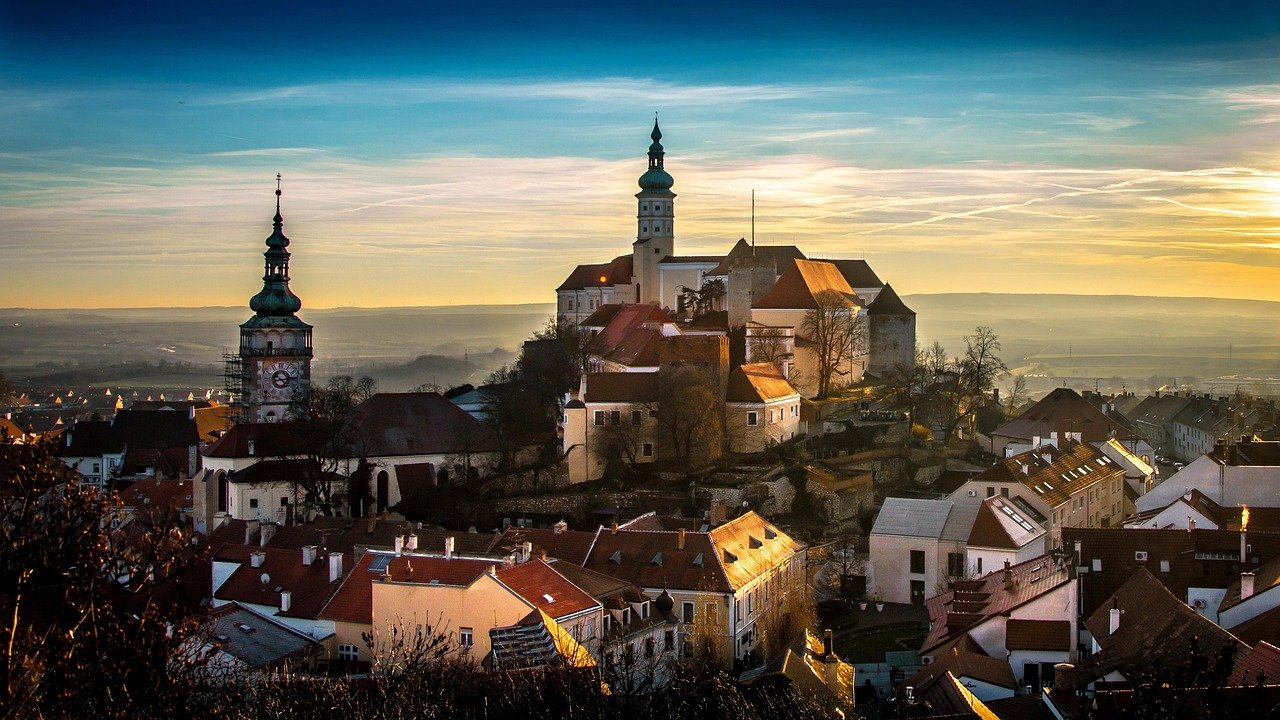
Vilnius
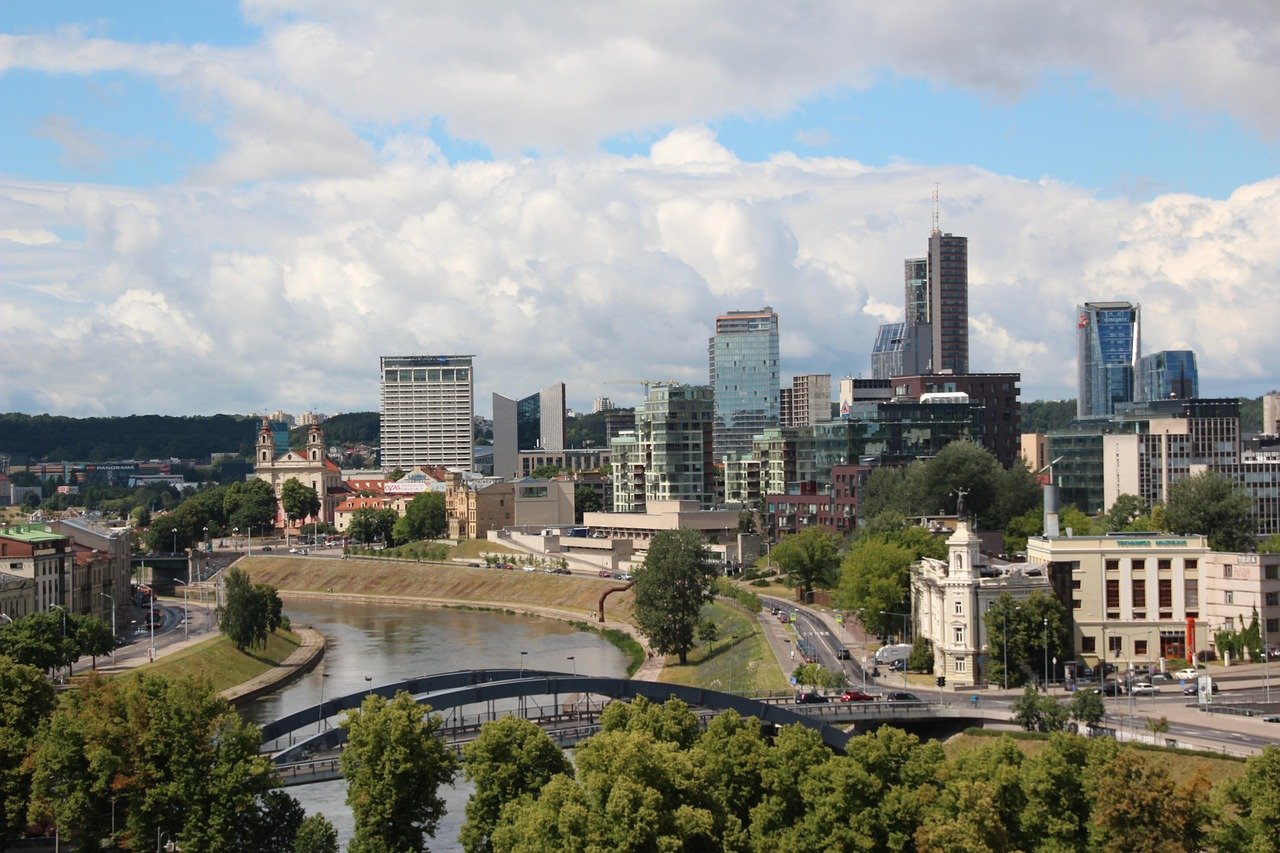
Vilnius, Lithuania's capital, blends a UNESCO-listed Old Town and Baroque architecture with a relaxed cafe culture, creative energy and centuries of diverse history.
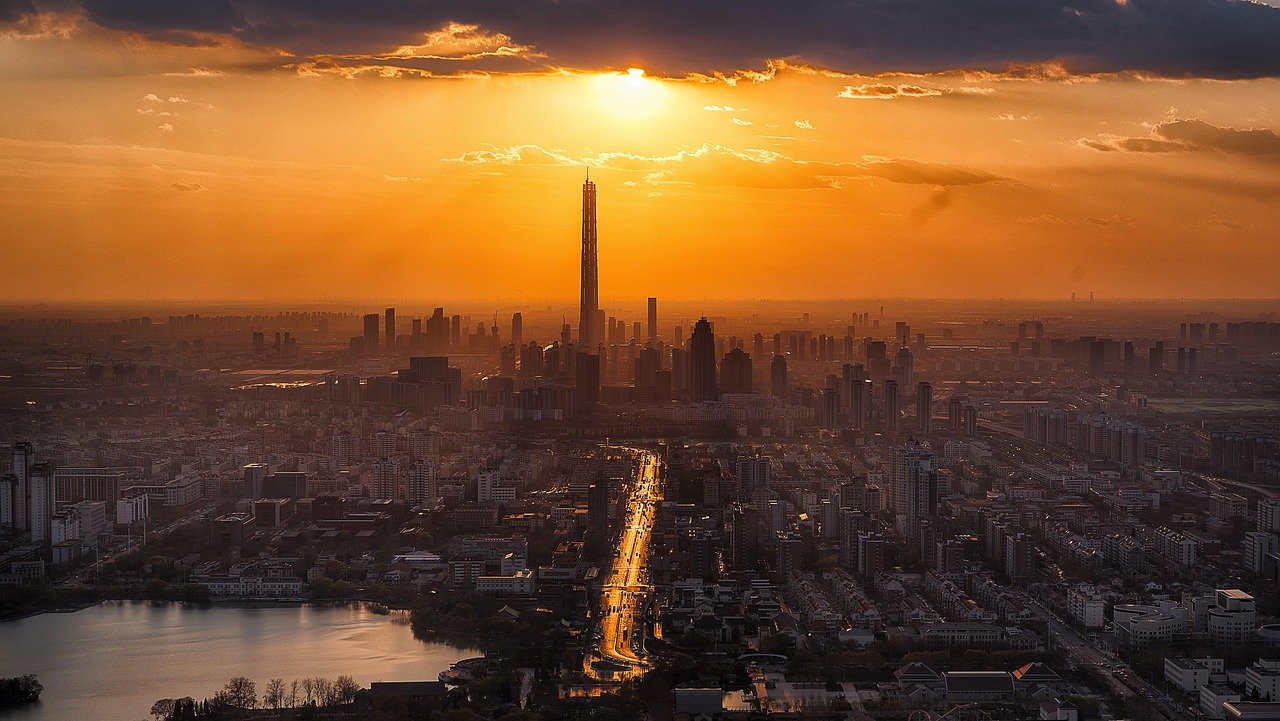
Vilnius
Vilnius, Lithuania's capital, charms visitors with its UNESCO-listed Old Town, baroque architecture, rich history and lively cultural scene.