Nabatieh
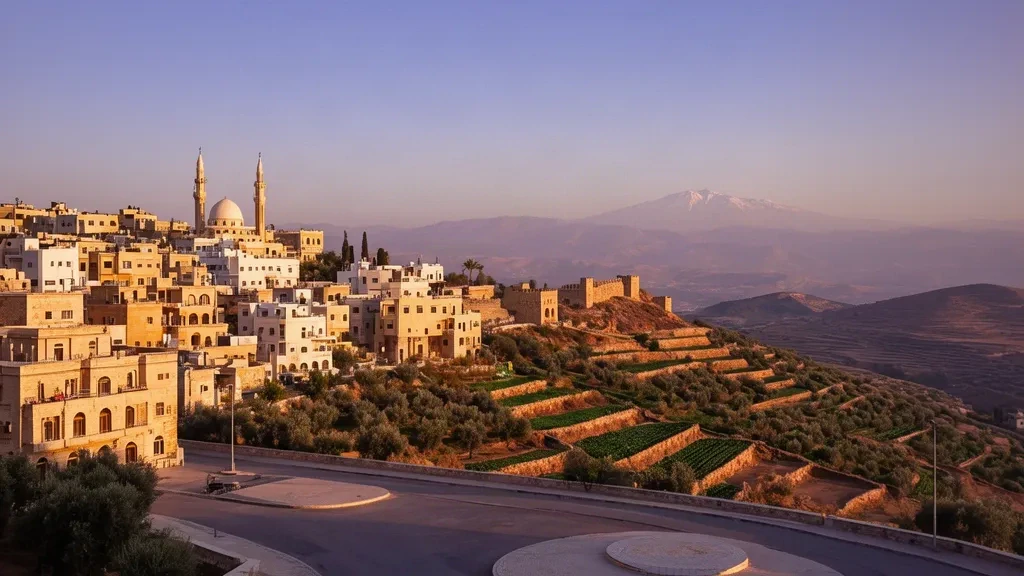
Nabatieh, a historic city in southern Lebanon, is a lively commercial and cultural center with traditional markets and a strong community atmosphere.
Passengers
Luggage
About Nabatieh
Nabatieh is the capital of Nabatieh Governorate in southern Lebanon and the principal town of the Jabal Amel region. A predominantly Shi'a Muslim market town, it serves as an administrative, commercial and educational hub for the surrounding villages, with a long trading tradition at its centre.
The city's name is widely linked to the ancient Nabataeans, and the area has been inhabited since antiquity, with archaeological finds dating back to the Phoenician period. Nabatieh is especially known for its annual Ashura commemoration, a major Shi'a observance held in Muharram that draws large processions and visitors.
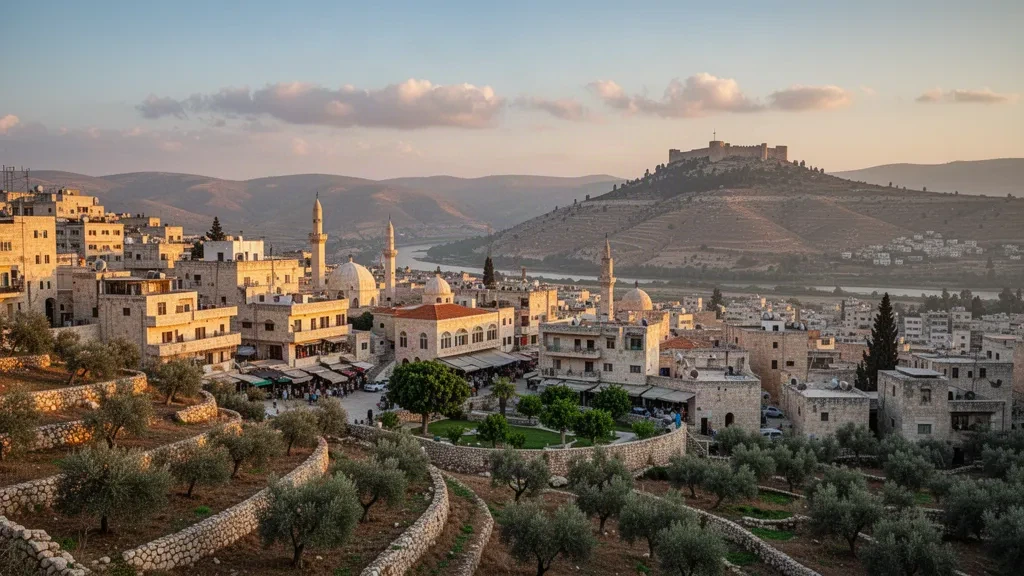
Its best-known landmark stands just outside town: Beaufort Castle, or Qala'at ash-Shqif, a hilltop fortress above the village of Arnoun about seven kilometres to the southeast. In the centre, the historic souk district known as Souq al-Tanin hosts the Monday market, where traders from neighbouring villages have gathered for generations.
The town functions as southern Lebanon's regional service centre, with hospitals, banks, schools, restaurants and shops concentrated around the centre. It is also a convenient base for exploring the Litani River valley, surrounding hill villages and coastal cities such as Sidon and Tyre further west.
For travellers, Nabatieh offers a less polished but genuine view of everyday life in southern Lebanon, combining religious tradition, Crusader history and a working market culture. Leisure visitors come for the souk, Ashura and Beaufort Castle, while business travellers rely on it as the region's administrative and trade hub.
Nabatieh Travel Guide
Best Time to Visit
Spring (March to May) and autumn (September to November) offer mild weather for exploring the town and surrounding countryside. Summer is hot, while the Ashura commemoration in Muharram brings large religious processions.
How to Get Around
The town centre is compact and easy to explore on foot. Shared taxis and service vans link Nabatieh with nearby villages, while a private car or driver is more practical for reaching Beaufort Castle and rural areas.
Where to Stay
Accommodation options in Nabatieh are limited, with a few small hotels and guesthouses near the centre. Many visitors stay in Sidon or Beirut and travel in for the market, or choose quieter rural lodgings in surrounding hill villages.
Food & Drink
Local menus feature makdous, kibbeh, grilled meats and other southern Lebanese dishes, served in small restaurants, cafés and street-food stalls around the centre. The Monday market is a good place to sample fresh local produce and snacks.
Ground Transportation Services in Nabatieh
Airport Transfers
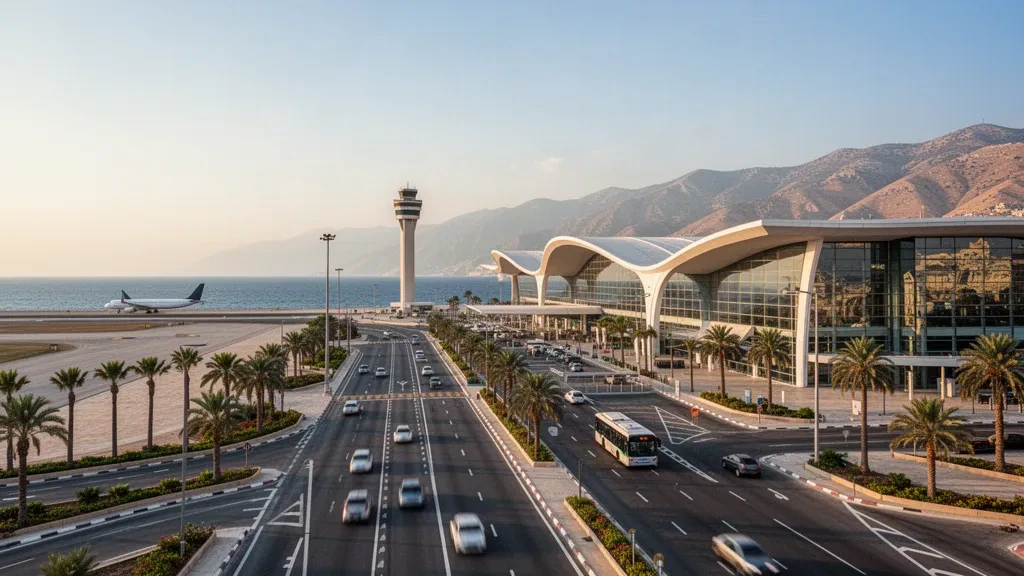
Travel between Beirut Rafic Hariri International Airport and Nabatieh with door-to-door service to hotels, homes and meeting points in the city and nearby villages.
Hourly Chauffeur
Book a private driver by the hour for business meetings, site visits, market days and flexible travel around Nabatieh and southern Lebanon.
Car Rental
Rent a car in Nabatieh or collect one at Beirut Airport for independent travel to Beaufort Castle, hill villages and coastal towns such as Sidon and Tyre.
Bus & Group Transfers
Arrange minibuses or charter coaches for group travel to Nabatieh, including Ashura visits, corporate trips, events and tours of southern Lebanon.
Related Cities in Lebanon
View all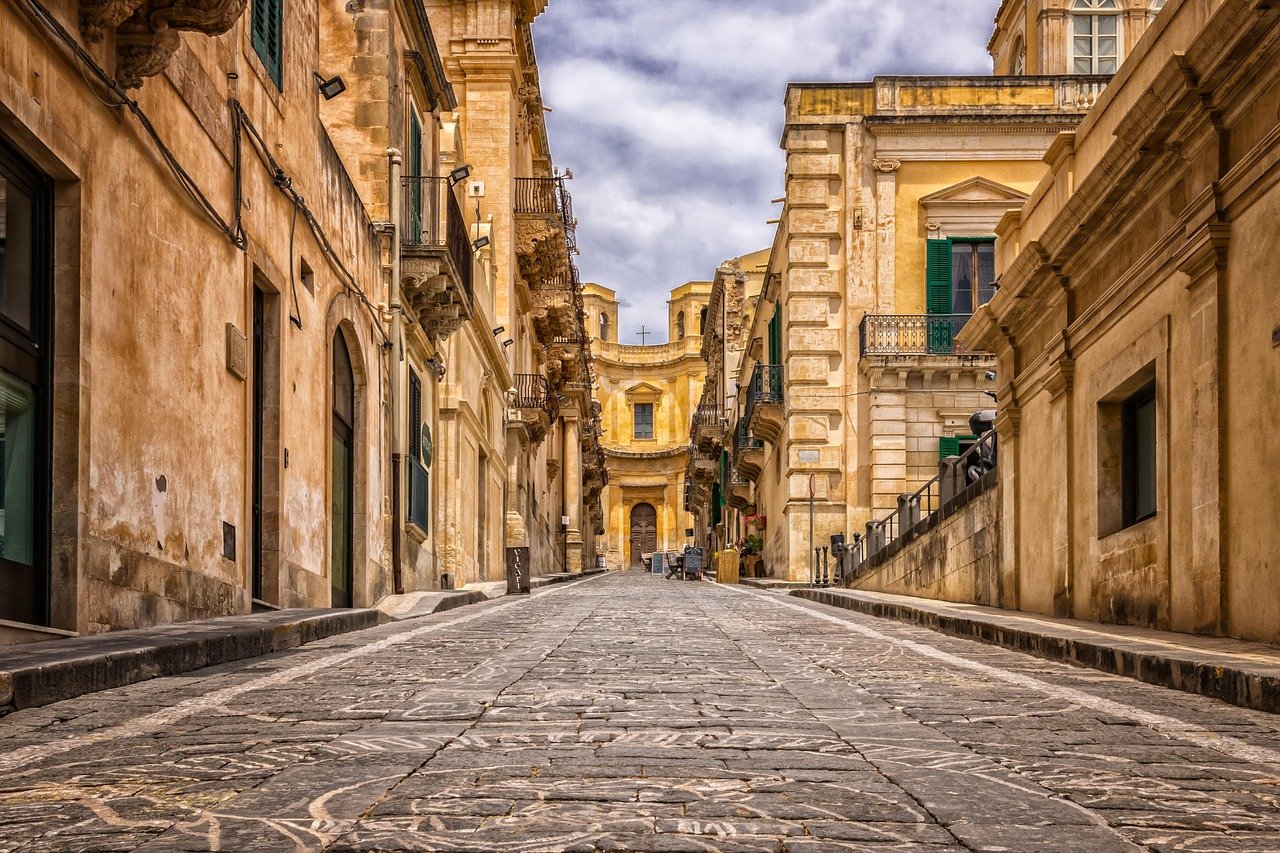
Lebanon South
Lebanon South is a residential community in Lebanon County, Pennsylvania, offering a quiet suburban setting near the historic city of Lebanon and the broader Lebanon Valley.
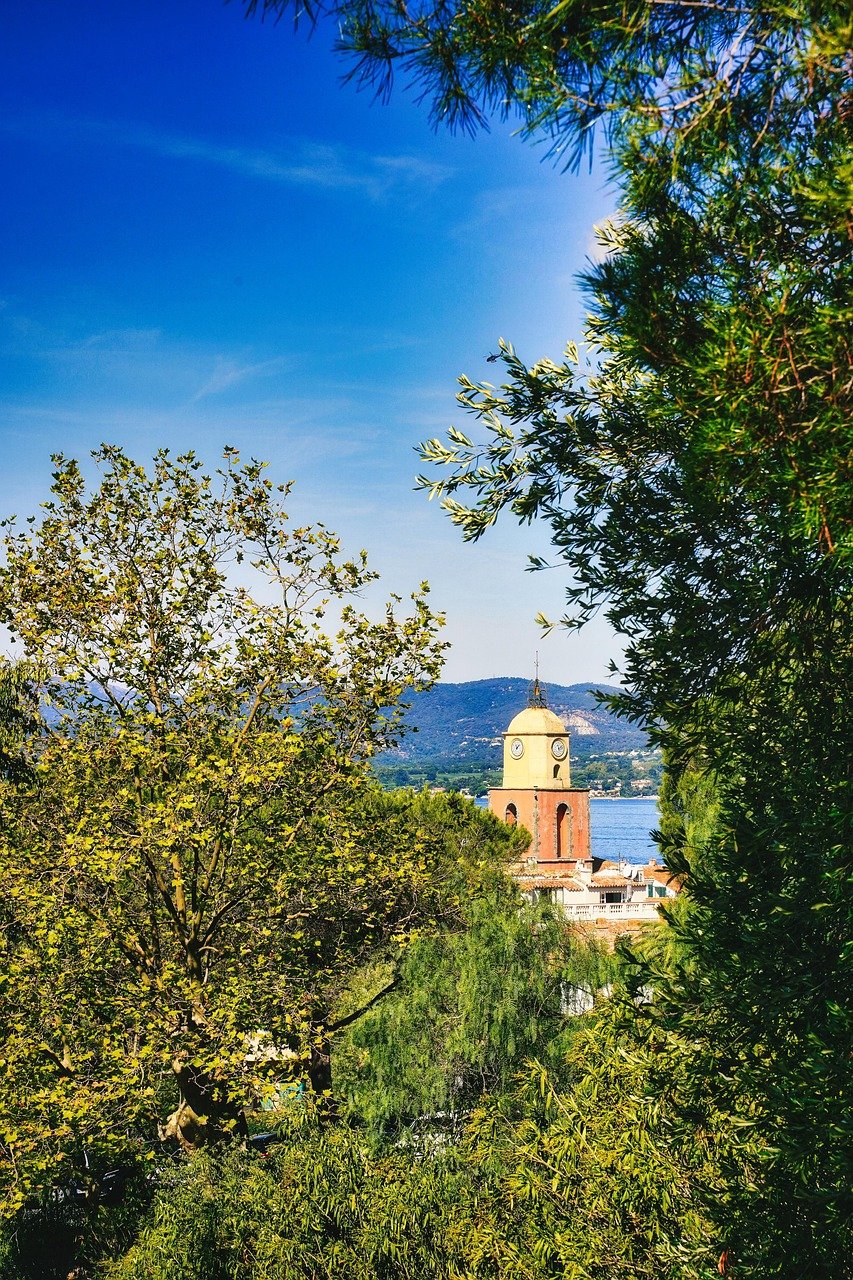
Lebanon North
Lebanon North is a peaceful community with a mix of residential streets and open landscapes, offering a convenient base for exploring the wider region.
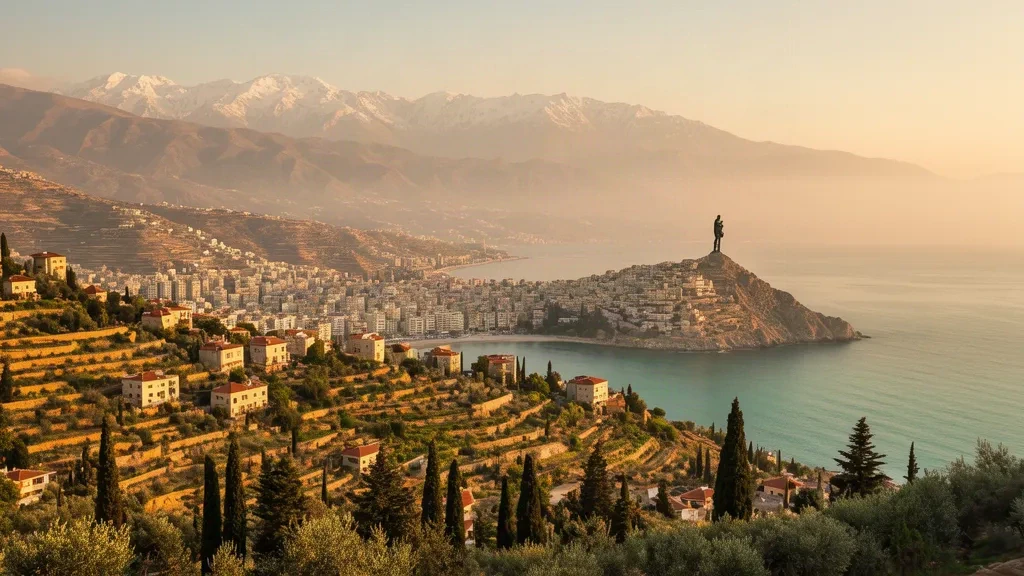
Mount Lebanon
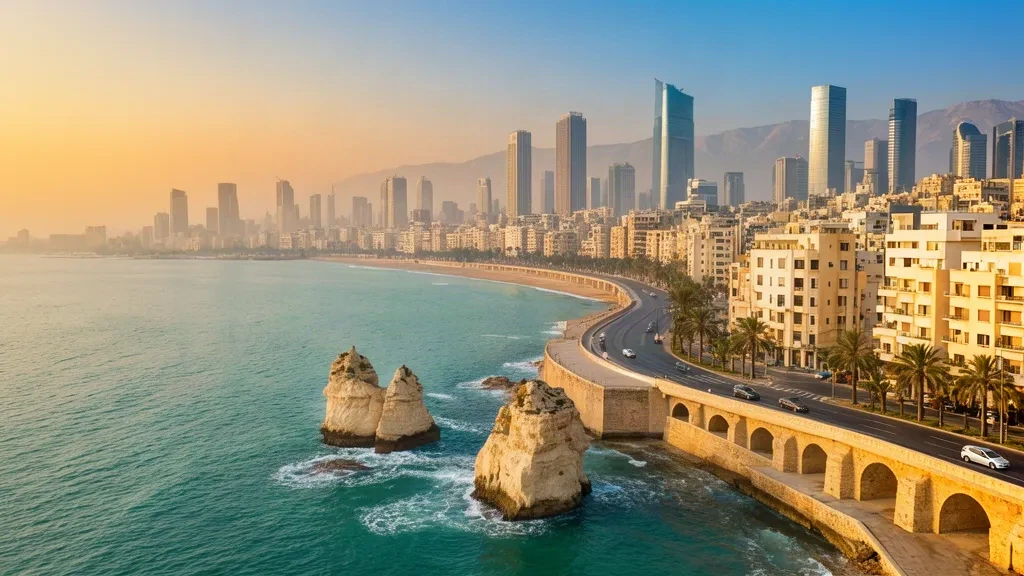
Mount Lebanon is a scenic area in Lebanon, known for its mountain landscapes, historic villages and Mediterranean views. Its relaxed atmosphere and local traditions give it a distinctive character.