Mount Lebanon
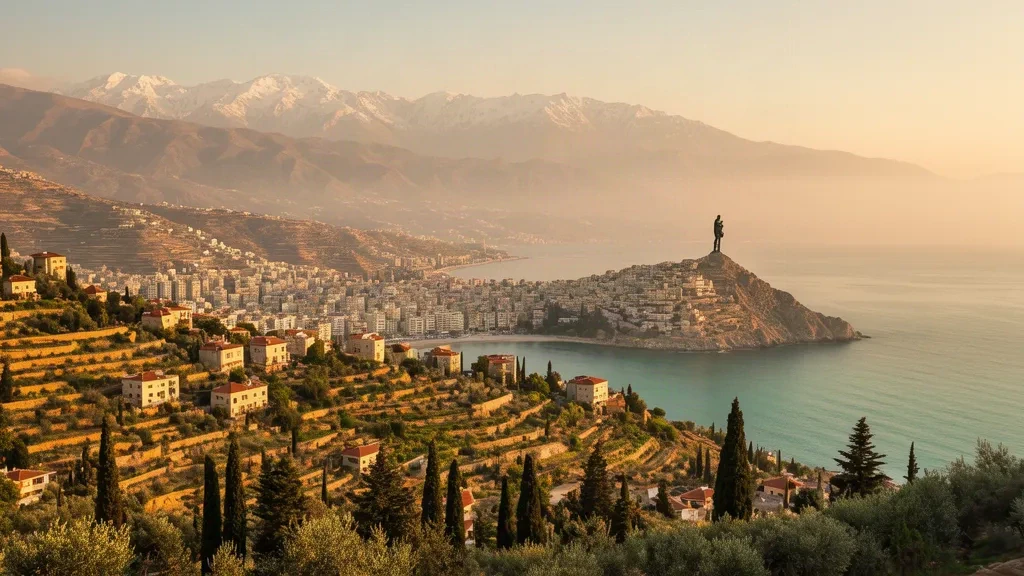
Mount Lebanon is a scenic area in Lebanon, known for its mountain landscapes, historic villages and Mediterranean views. Its relaxed atmosphere and local traditions give it a distinctive character.
Passengers
Luggage
About Mount Lebanon
Mount Lebanon is a mountainous coastal governorate in central Lebanon that surrounds the capital, Beirut, and stretches from the Mediterranean shore to high peaks. Its mix of historic port towns, mountain resorts and cedar landscapes makes it one of Lebanon's most varied destinations.
The region has deep historical roots. Byblos (Jbeil) is among the world's oldest continuously inhabited cities and is a UNESCO World Heritage Site, while landmarks such as the Beiteddine Palace in Chouf, the Our Lady of Lebanon shrine at Harissa and the Jeita Grotto reflect centuries of cultural and religious heritage.
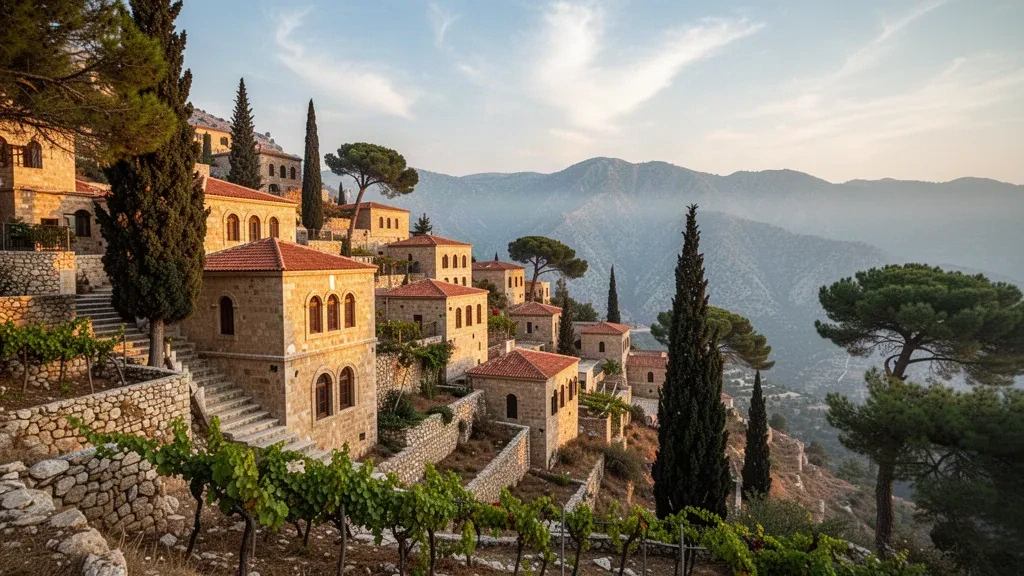
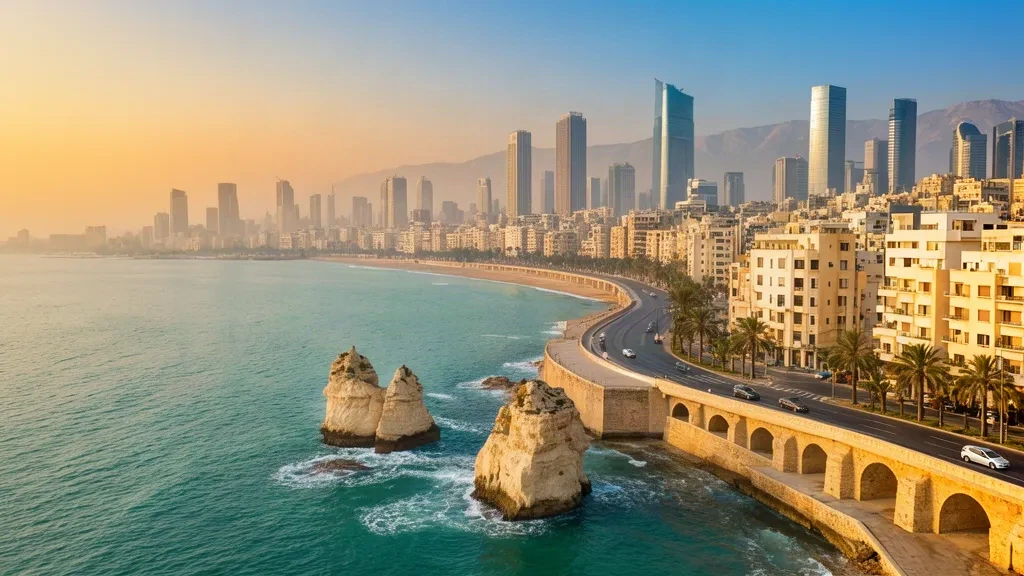
Coastal districts such as Keserwan and Jbeil centre on Jounieh and Byblos, offering harbours, beaches, nightlife and the Casino du Liban. Inland, Matn, Baabda, Aley and Chouf give way to pine- and cedar-covered hills, summer resorts and mountain villages, with the Al Shouf Cedar Nature Reserve as a notable protected area.
The area also functions as a business and residential extension of Beirut, with industrial zones, offices and commuter towns across Metn and Baabda. Ski resorts at Mzaar Kfardebian and Zaarour bring winter visitors, while summer draws people to cooler mountain towns.
For travellers, Mount Lebanon combines cultural sightseeing, outdoor recreation and seaside relaxation within easy reach of Beirut, making it relevant for both leisure trips and business stays.
Mount Lebanon Travel Guide
Best Time to Visit
Spring and early autumn offer mild weather for coastal sightseeing and mountain excursions. Summer is lively in Jounieh and Byblos, while winter brings snow to Mzaar Kfardebian and Zaarour for skiing.
How to Get Around
Mount Lebanon is served by the coastal highway linking Beirut, Jounieh and Byblos, with mountain roads into Aley and Chouf. Shared taxis and buses run on main routes, while rental cars, taxis and private transfers give easier access to villages and ski areas.
Where to Stay
Jounieh and Byblos offer coastal hotels, resorts and nightlife, while Broummana and Aley have traditional mountain lodgings. The Chouf provides quieter guesthouses near the cedar reserve and historic villages.
Food & Drink
Local dining includes Lebanese mezze, grilled meats, fresh seafood in coastal towns and mountain dishes such as kibbeh and manakish. Cafés, beach restaurants and hillside terraces are common along the coast and in resort towns.
Ground Transportation Services in Mount Lebanon
Airport Transfers
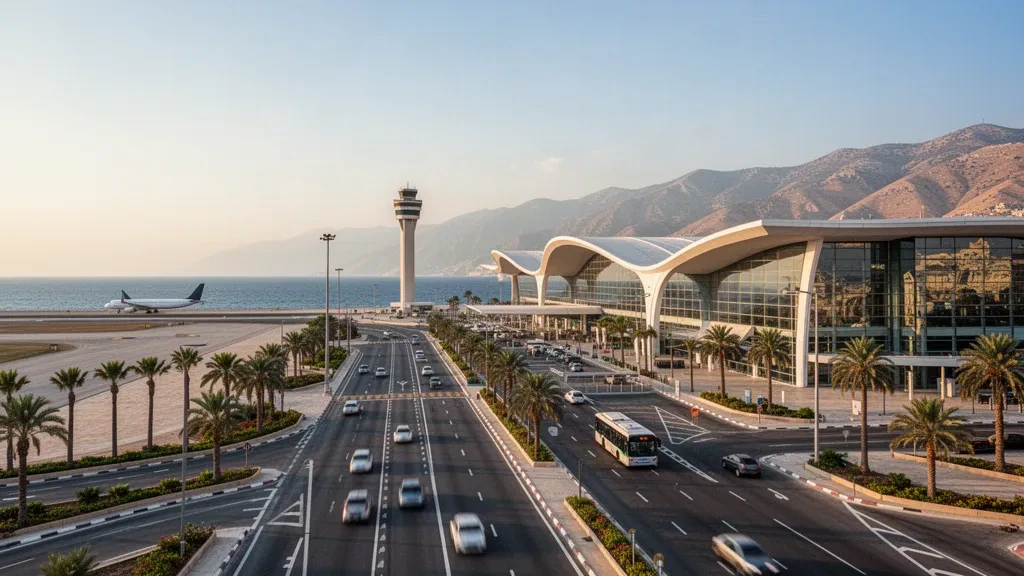
Travel between Beirut–Rafic Hariri International Airport and Jounieh, Byblos, Broummana, Aley and other Mount Lebanon destinations.
Hourly Chauffeur
Book a private driver by the hour for business meetings, coastal sightseeing, mountain excursions and flexible travel around Mount Lebanon.
Car Rental
Rent a car to explore Mount Lebanon's coastal towns, mountain villages and ski areas at your own pace.
Bus & Group Transfers
Arrange minibuses or charter coaches for group travel, corporate events, tours and airport transfers across Mount Lebanon.
Frequently Asked Questions
Related Cities in Lebanon
View all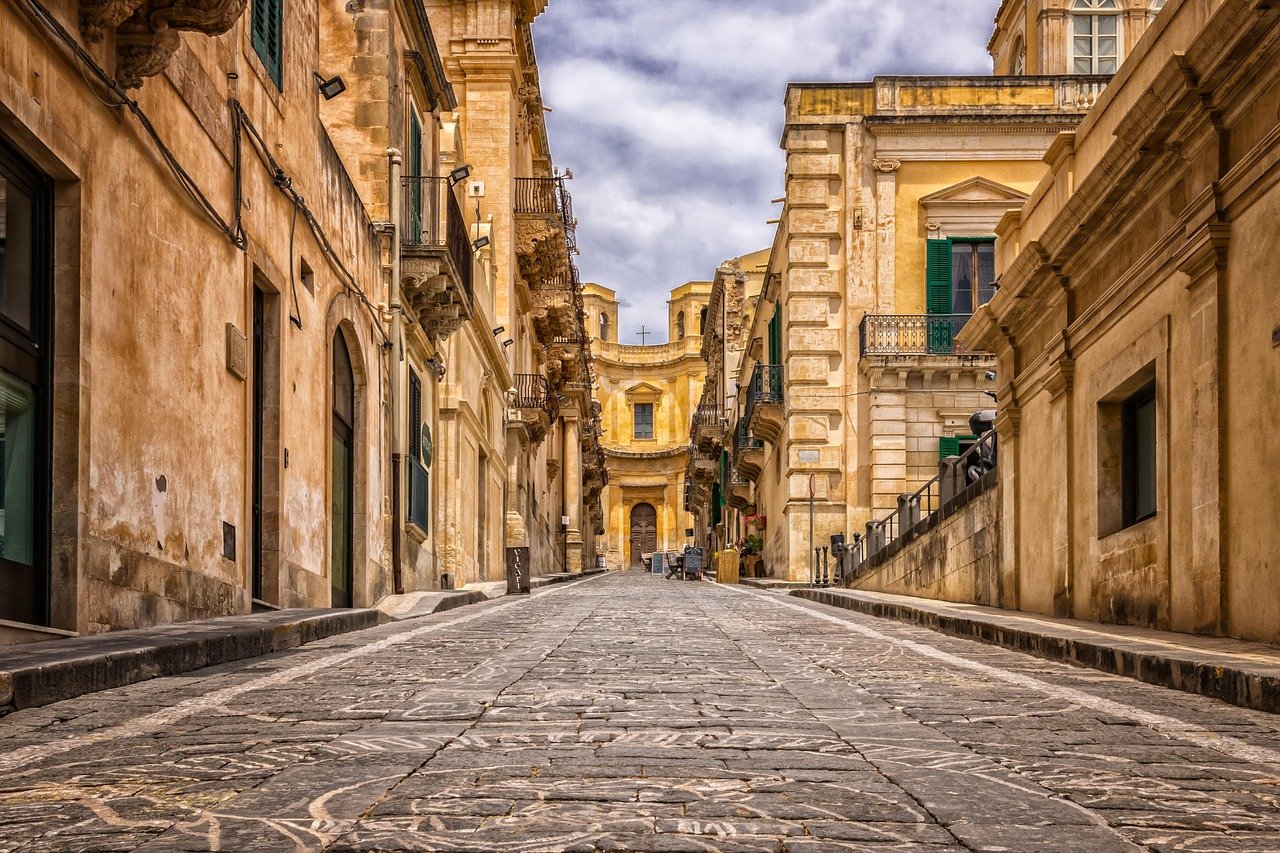
Lebanon South
Lebanon South is a residential community in Lebanon County, Pennsylvania, offering a quiet suburban setting near the historic city of Lebanon and the broader Lebanon Valley.
Lebanon North
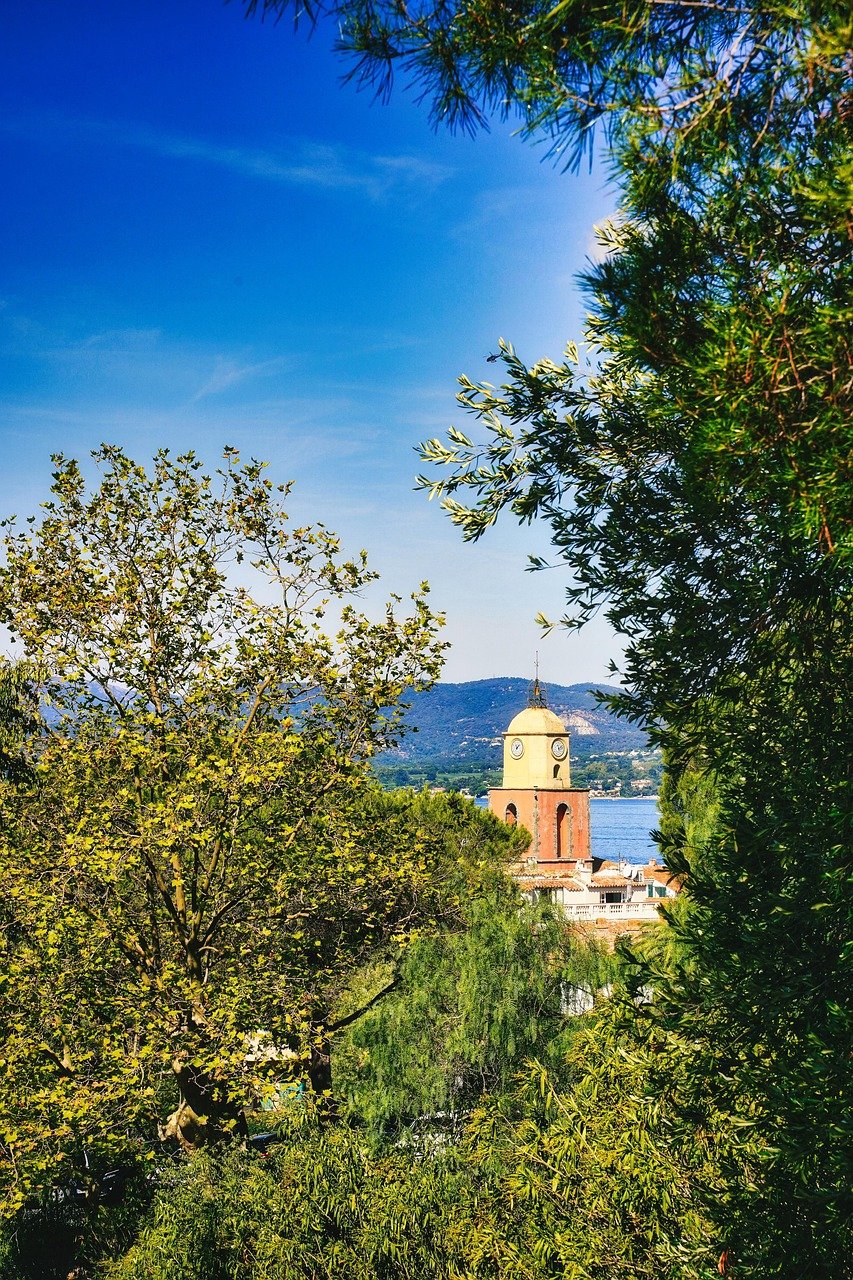
Lebanon North is a peaceful community with a mix of residential streets and open landscapes, offering a convenient base for exploring the wider region.
Nabatieh
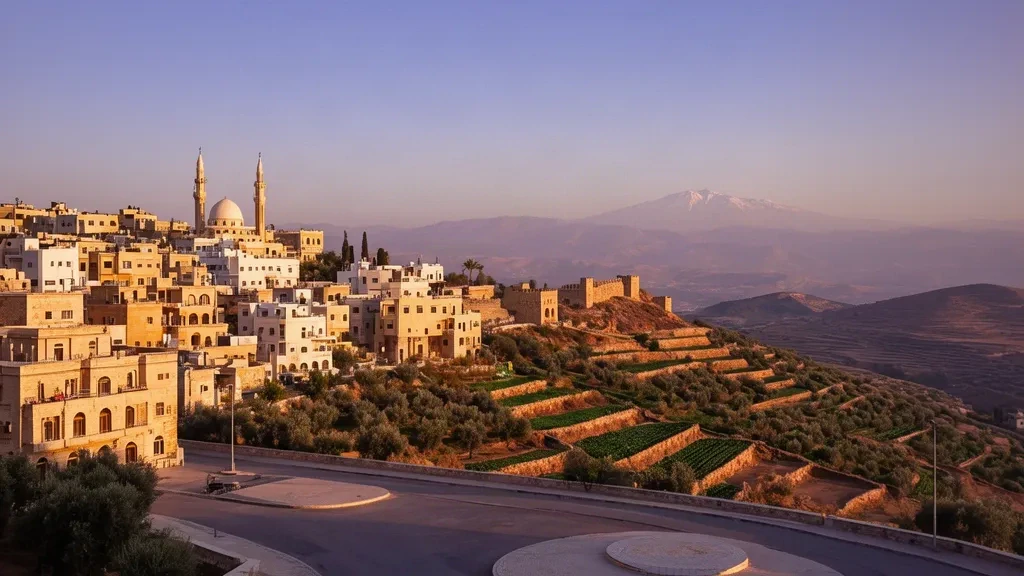
Nabatieh, a historic city in southern Lebanon, is a lively commercial and cultural center with traditional markets and a strong community atmosphere.