Beirut
Beirut, Lebanon's Mediterranean capital, is a resilient hub of history, culture and commerce, with lively neighborhoods, striking architecture and renowned cuisine.
Passengers
Luggage
About Beirut
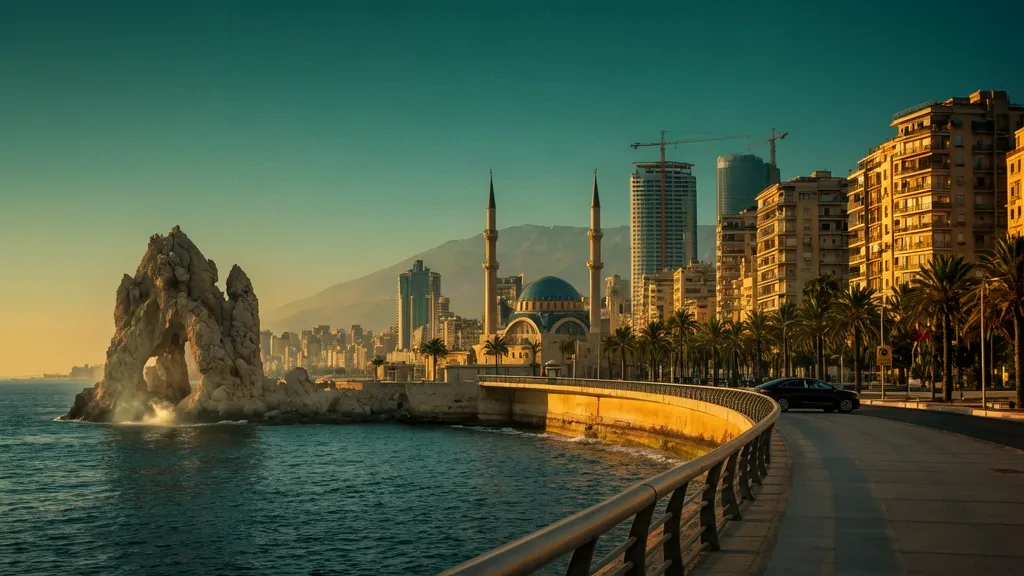
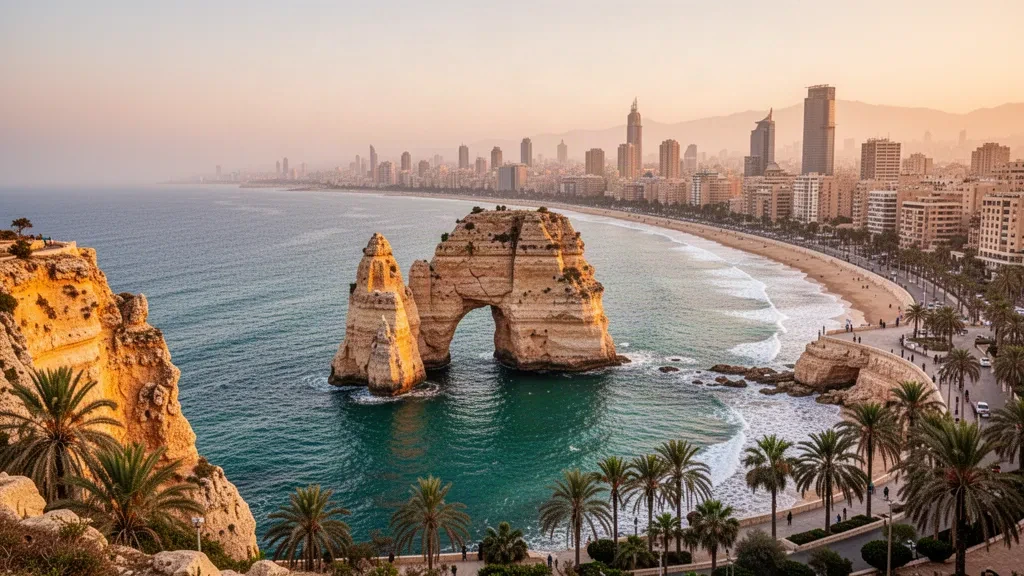
Beirut is Lebanon's capital and largest city, stretching along the Mediterranean coast with a blend of ancient history, modern architecture, and resilient urban culture. Landmarks such as Pigeon Rocks (Raouché), the Corniche, Martyrs' Square, and the Mohammad Al-Amin Mosque reflect layers of Phoenician, Roman, Ottoman, and French influence.
The city's past remains visible in its rebuilt Downtown, Ottoman-era buildings, and French Mandate architecture, while the National Museum of Beirut preserves archaeological collections from across Lebanon. The 2020 port explosion left lasting scars, yet reconstruction, street art, and renewed hospitality continue to reshape the city.
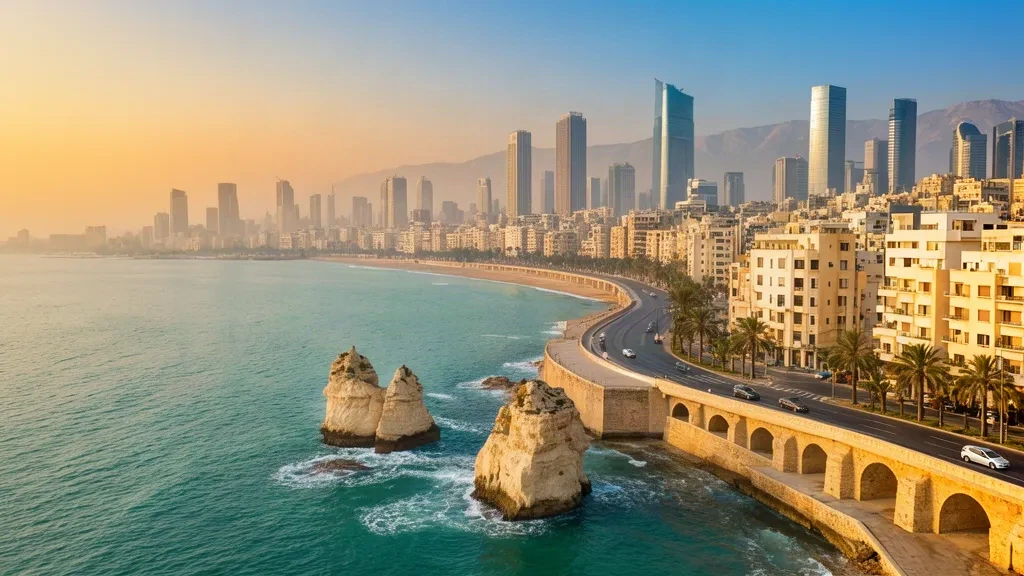
Neighbourhoods such as Hamra, Achrafieh, Gemmayzeh, and Mar Mikhael each have a distinct character, from bookshops and cafés to galleries, nightlife, and restored staircases. The Beirut Souks and Zaitunay Bay add waterfront shopping and dining near the centre.
Beirut is Lebanon's commercial and financial hub, home to banks, universities, media, and the Port of Beirut, and it remains relevant for conferences, creative industries, and international business. Its restaurant scene, rooftop bars, festivals, and coastal promenades draw leisure visitors.
Lebanese dining centres on mezze, manakish, kibbeh, fattoush, tabbouleh, and fresh seafood, found from street stalls to upscale restaurants. Whether visiting for heritage, business, food, or nightlife, Beirut offers a compact, layered urban experience shaped by Mediterranean energy and ongoing recovery.
Beirut Travel Guide
Best Time to Visit
Spring (April to June) and autumn (September to November) bring mild, pleasant weather for walking the Corniche and exploring outdoor cafés. Summers can be hot and humid, while winters are cooler with periods of rain.
How to Get Around
Beirut is served by shared taxis, service taxis, buses, minibuses, and ride-hailing apps, with many central areas walkable. Taxis and private drivers are useful for reaching areas with limited fixed public transport.
Where to Stay
Downtown and Zaitunay Bay are convenient for landmarks and business, while Hamra, Achrafieh, Gemmayzeh, and Mar Mikhael offer lively dining and nightlife. Raouché has coastal hotels near Pigeon Rocks.
Food & Drink
Lebanese dining centres on mezze, manakish, kibbeh, fattoush, tabbouleh, and fresh seafood, found from street stalls to upscale restaurants. Gemmayzeh and Mar Mikhael are known for cafés, bars, and late-night venues.
Ground Transportation Services in Beirut
Airport Transfers
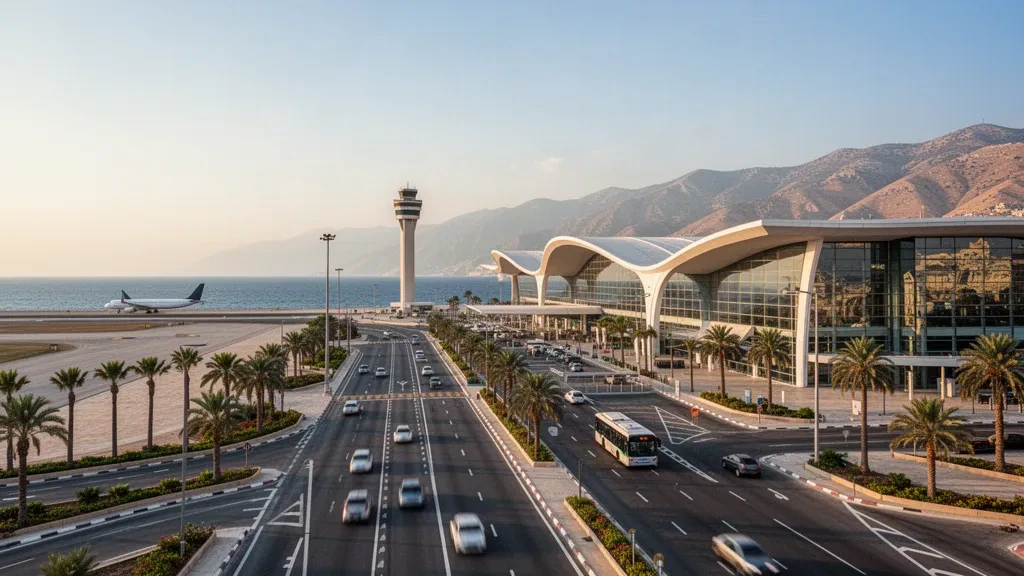
Travel between Beirut–Rafic Hariri International Airport and hotels, business districts, venues, and other destinations across Beirut.
Hourly Chauffeur
Book a private chauffeur by the hour for business meetings, events, sightseeing, and flexible travel around Beirut.
Car Rental
Rent a car in Beirut for independent travel around the city and convenient journeys to coastal towns, mountains, and other Lebanese destinations.
Bus & Group Transfers
Arrange minibuses or charter buses for groups, corporate travel, events, airport transfers, and tours in and around Beirut.
Frequently Asked Questions
Related Cities in Lebanon
View all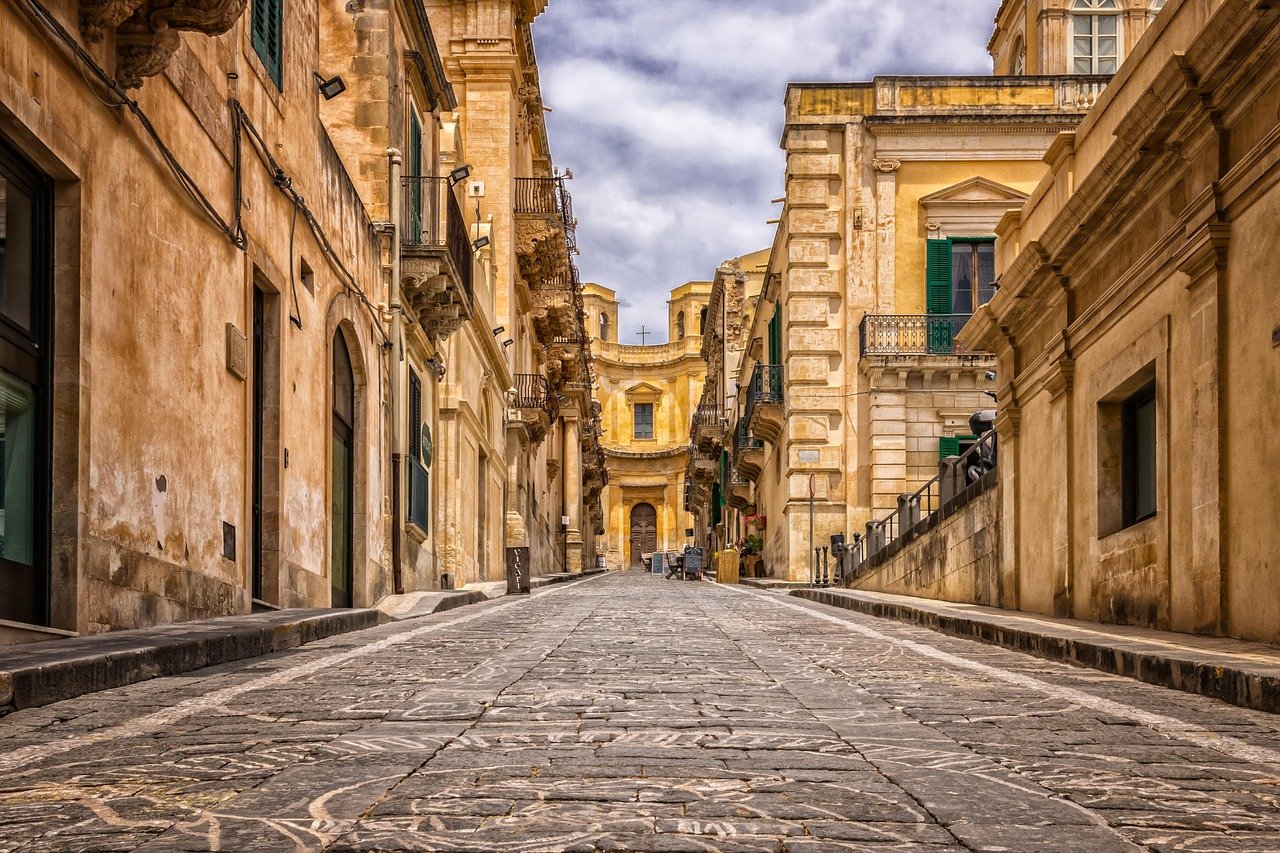
Lebanon South
Lebanon South is a residential community in Lebanon County, Pennsylvania, offering a quiet suburban setting near the historic city of Lebanon and the broader Lebanon Valley.
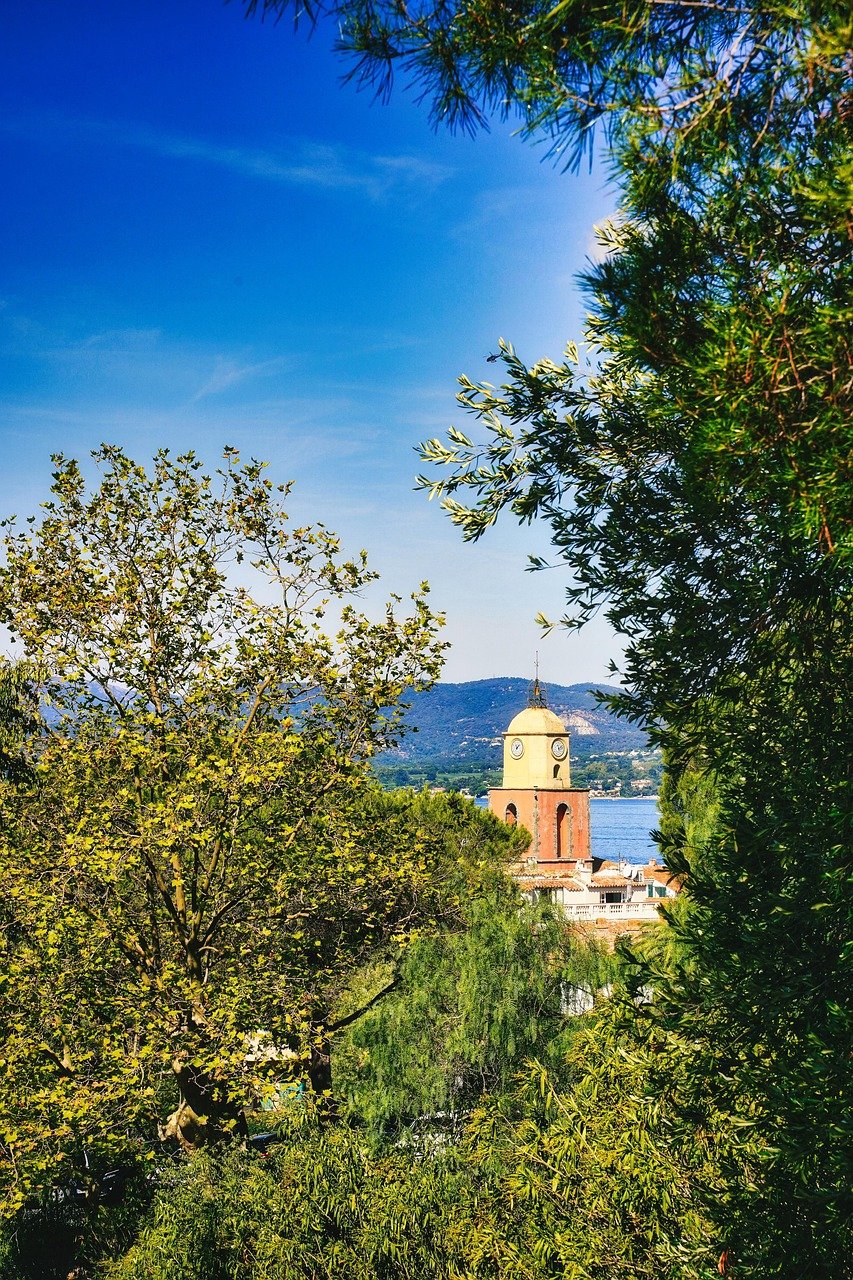
Lebanon North
Lebanon North is a peaceful community with a mix of residential streets and open landscapes, offering a convenient base for exploring the wider region.
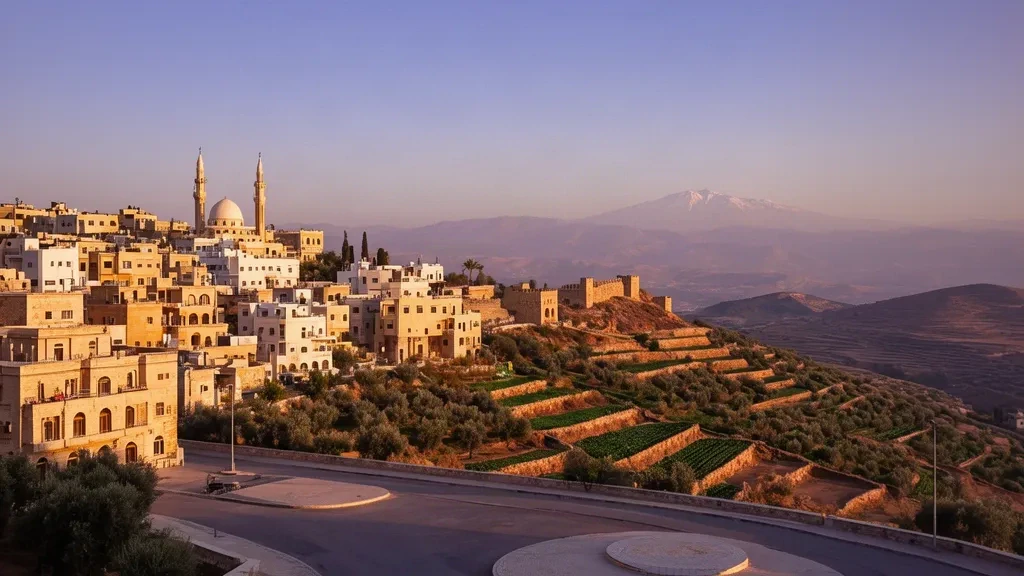
Nabatieh
Nabatieh, a historic city in southern Lebanon, is a lively commercial and cultural center with traditional markets and a strong community atmosphere.