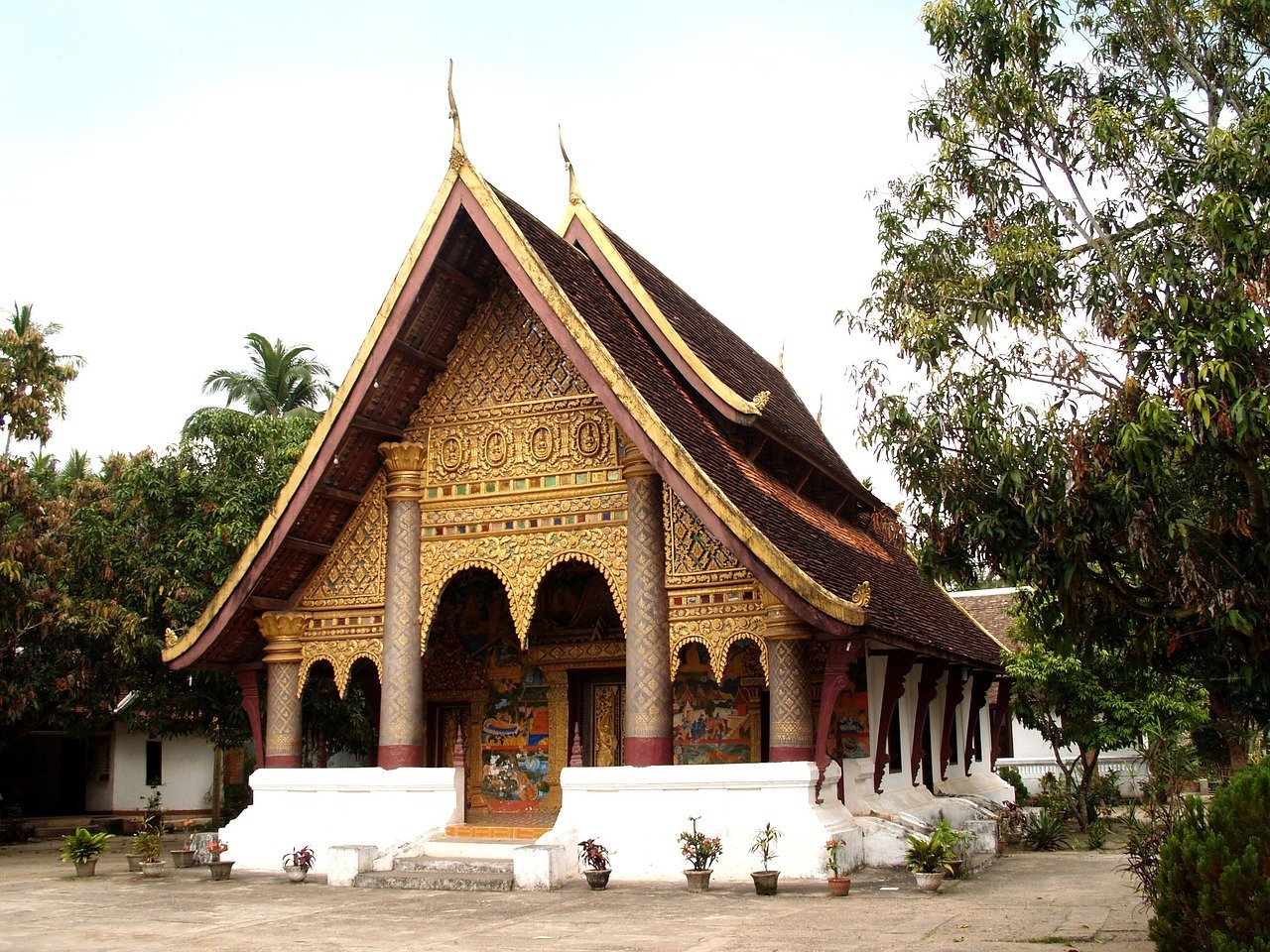
Luang Prabang
Set at the confluence of the Mekong and Nam Khan rivers, Luang Prabang is a UNESCO-listed town of gilded temples, French colonial architecture and serene Buddhist traditions.
Passengers
Luggage
About Luang Prabang
Luang Prabang is a UNESCO World Heritage town in northern Laos and the former royal capital of the Lan Xang kingdom. Set on a peninsula where the Nam Khan River meets the Mekong, it is known for golden Buddhist temples, French colonial architecture, slow mornings and a deeply rooted alms-giving tradition that still shapes daily life.
The town grew from the early settlement of Muang Sua and takes its name from the Phra Bang, a revered Buddha image brought to the royal court. Centuries of Lao, French and Buddhist influence remain visible in landmarks such as Wat Xieng Thong, the Royal Palace Museum and Mount Phousi, which rises at the centre of the old town.
Most visitors spend time in the compact heritage peninsula, walking between temples, wooden shop houses, cafés and the evening night market along Sisavangvong Road. Nearby experiences include the turquoise pools of Kuang Si Falls, the riverside caves at Pak Ou and traditional craft villages such as Ban Phanom.
Tourism, hospitality and heritage conservation anchor the local economy, while festivals such as Pi Mai Lao, the boat racing season and the Luang Prabang Film Festival bring extra activity at different times of year. The opening of the Laos-China railway and Luang Prabang International Airport have made the town more accessible for regional and international visitors.
For leisure travellers, Luang Prabang offers a calm, walkable base for temples, food and river scenery; for business travellers and small events, it provides boutique venues, retreats and convenient onward connections in northern Laos.
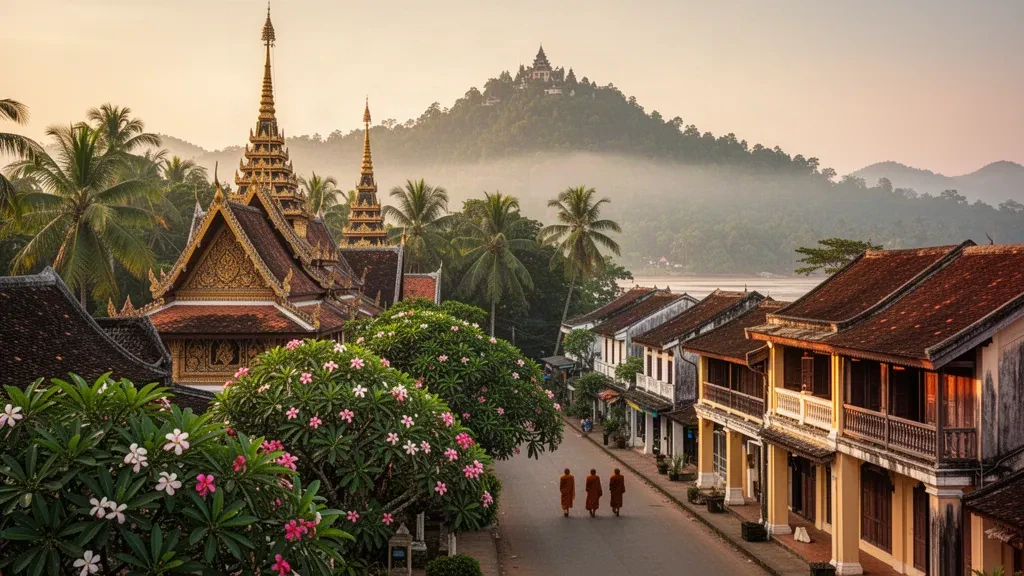
Luang Prabang Travel Guide
Best Time to Visit
November to February offers the most comfortable dry-season weather, with cooler mornings and warm days. March and April can be hot and smoky, while the May-to-October wet season brings rain but leaves the landscape green and the waterfalls at their strongest.
How to Get Around
The old town is compact and best explored on foot or by bicycle. Tuk-tuks and songthaews are useful for longer trips, while boats cross the Mekong and Nam Khan rivers to nearby villages; taxis or arranged transfers are convenient for the airport and railway station.
Where to Stay
The heritage peninsula is ideal for walking to temples, cafés and the night market. Mekong and Nam Khan riverside areas offer quieter stays with water views, while the outskirts and surrounding countryside have resorts and guesthouses with more space.
Food & Drink
Luang Prabang cuisine includes or lam stew, grilled Luang Prabang sausage, khao soi noodles, jeow bong relish and crisp river weed. Night-market food stalls, riverside restaurants, bakeries and cooking classes give visitors plenty of ways to sample local flavours.
Ground Transportation Services in Luang Prabang
Airport Transfers
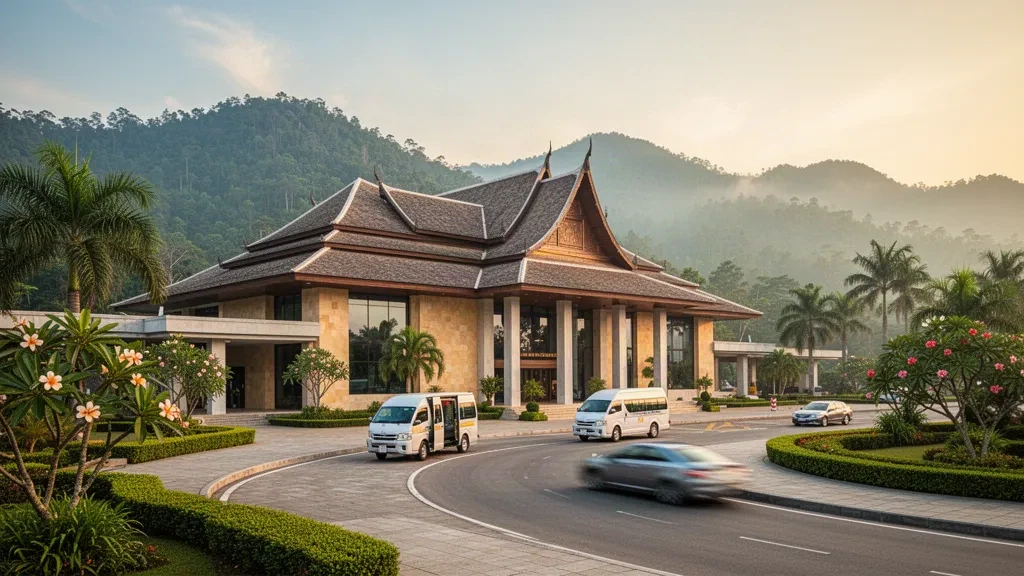
Travel between Luang Prabang International Airport and hotels, guesthouses, the old town and other destinations in and around Luang Prabang.
Hourly Chauffeur
Book a private chauffeur by the hour for temple tours, Kuang Si Falls, Pak Ou Caves, business meetings and flexible sightseeing around Luang Prabang.
Car Rental
Rent a car, often with a local driver, for independent trips to Kuang Si Falls, Pak Ou, riverside villages and other nearby destinations.
Bus & Group Transfers
Arrange minibuses or charter buses for airport and railway station transfers, group tours, events and corporate travel in Luang Prabang.
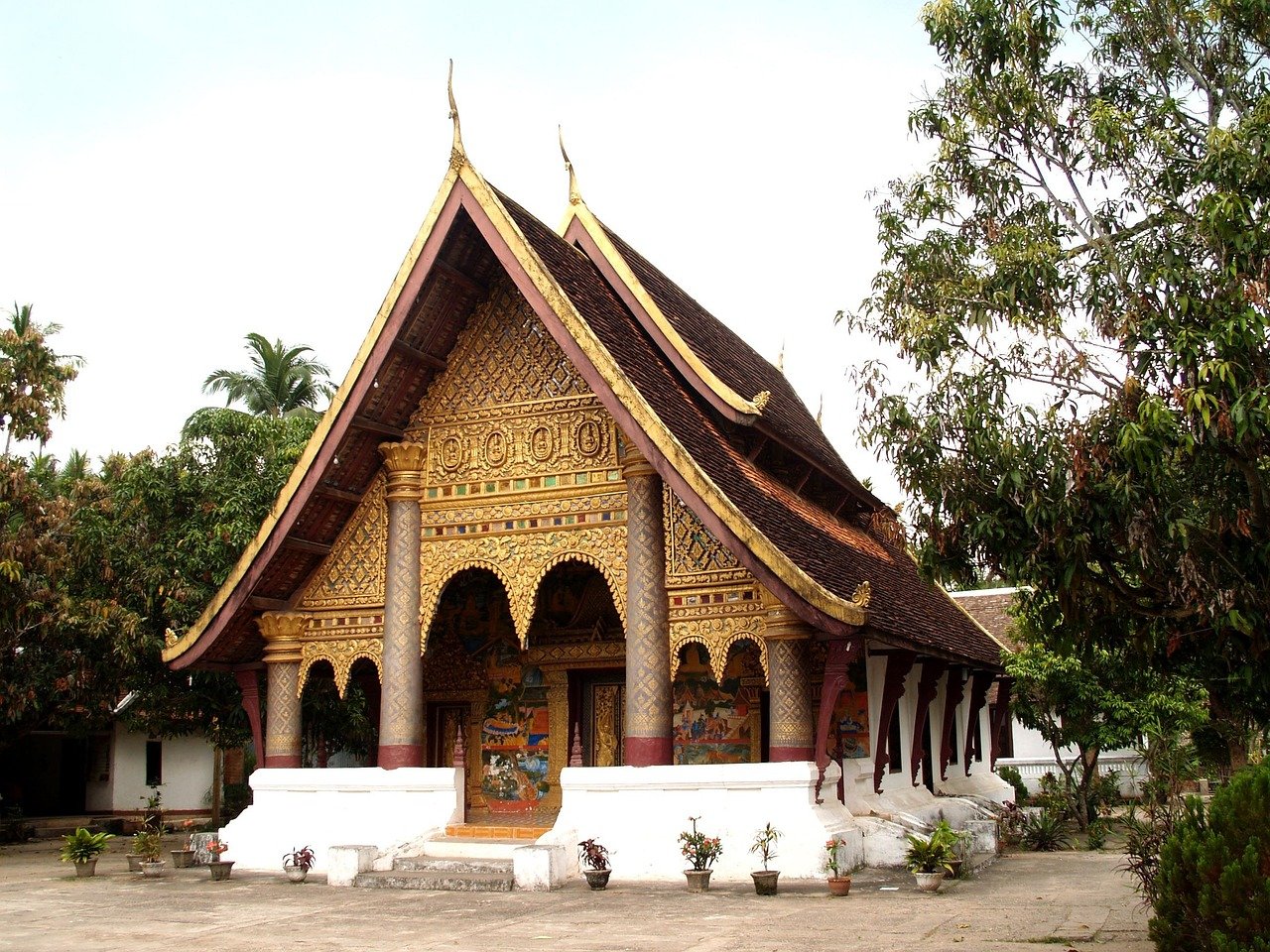
Frequently Asked Questions
Related Cities in Laos
View all
Xiangkhouang
Xiangkhouang, in northeastern Laos, is known for the enigmatic Plain of Jars, rolling green hills and a history shaped by ancient cultures and later conflict. Its quiet towns and rural landscapes offer a slower, more reflective travel experience.
Xaisomboun
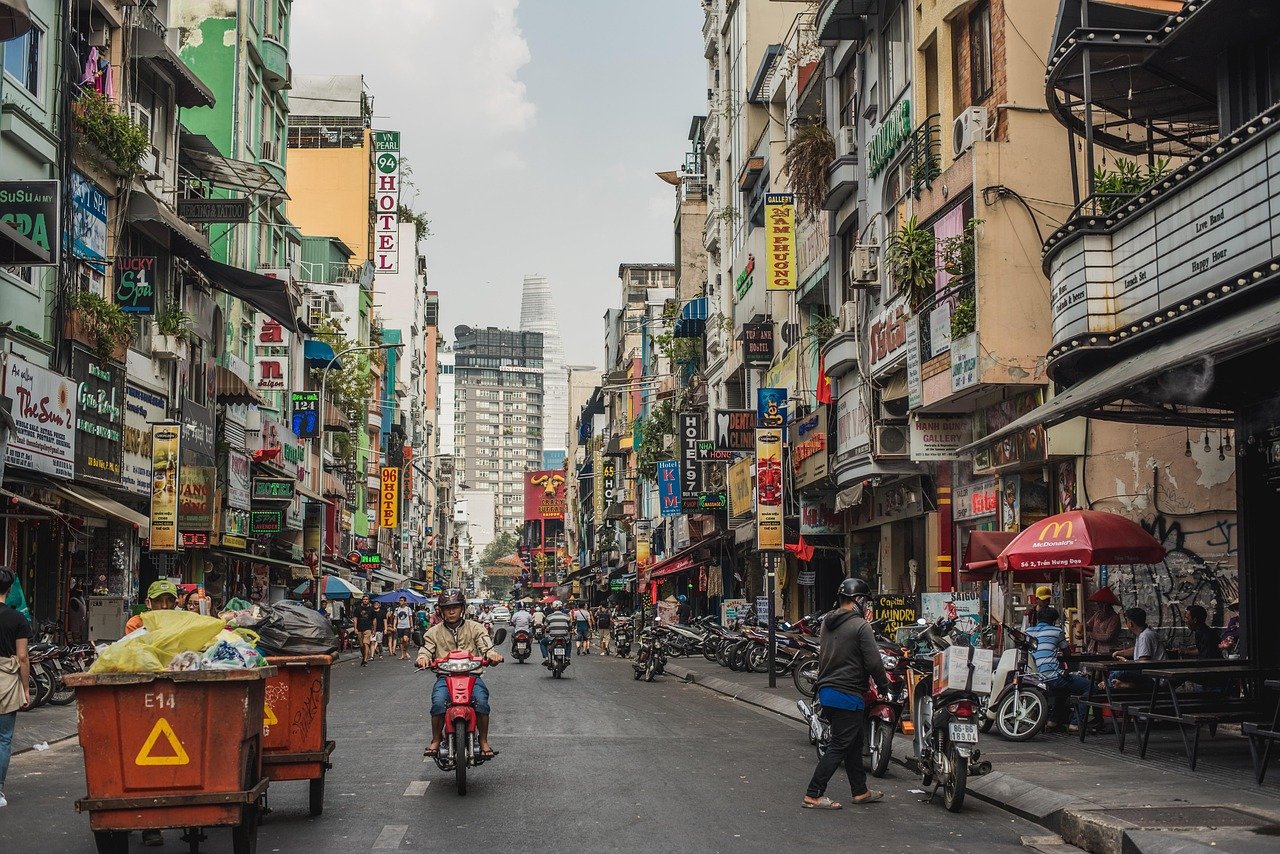
Xaisomboun is a remote, mountainous town in central Laos, surrounded by rugged landscapes, ethnic communities and a quiet, off-the-beaten-path atmosphere.
Vientiane
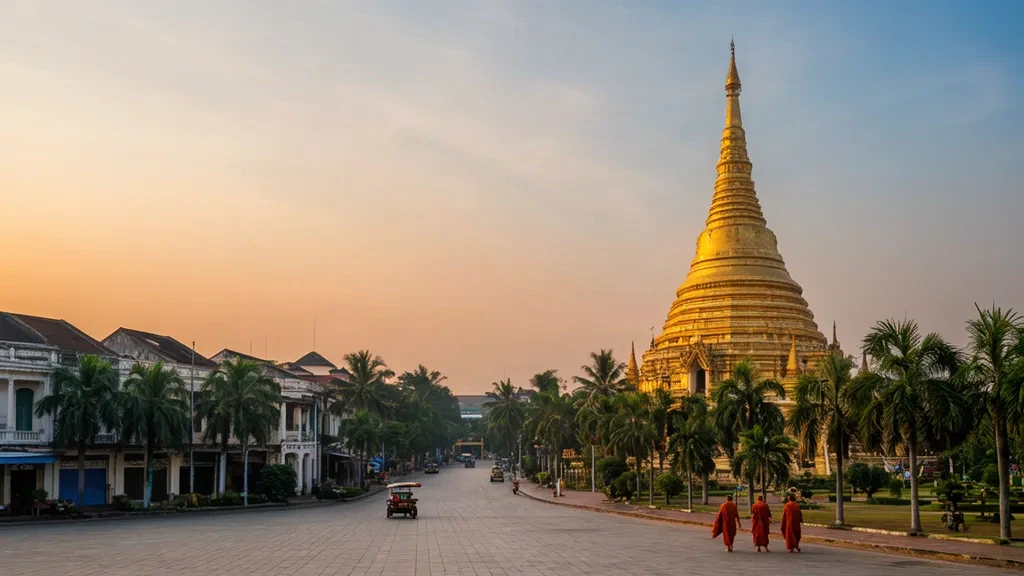
Vientiane, Laos's riverside capital, blends golden Buddhist stupas and French colonial architecture with relaxed Mekong promenades and a growing contemporary food and cafe scene.