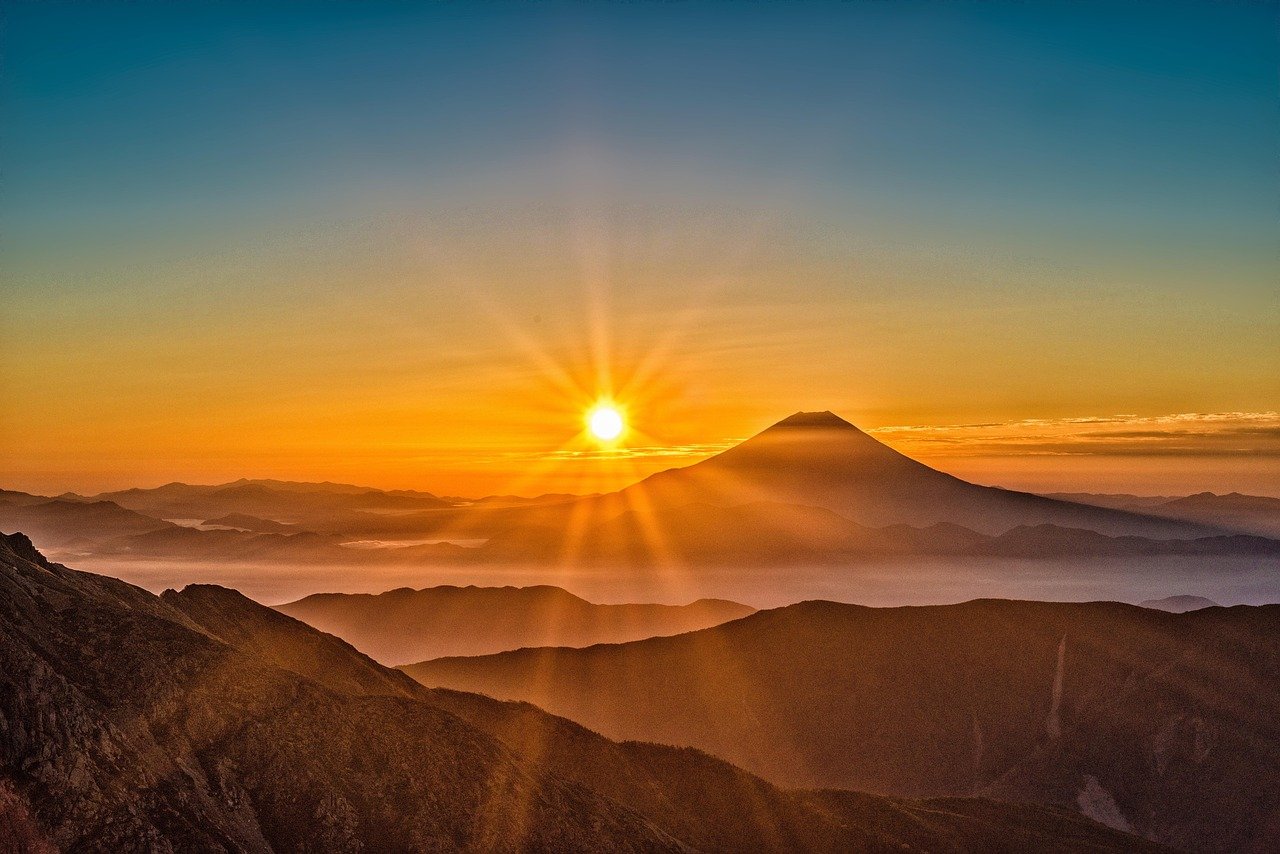
Iwate
Iwate, in northern Japan, blends mountainous landscapes and hot springs with deep folk traditions, castle-town heritage and seasonal festivals that reveal the region's distinct character.
Passengers
Luggage
About Iwate
Iwate is Japan's second-largest prefecture, spanning the Pacific coastline of the Tōhoku region, forested mountains, river valleys and inland basin towns. Its capital, Morioka, is the natural gateway, while the UNESCO World Heritage sites of Hiraizumi give the prefecture deep historical significance.
The area's history is visible in Hiraizumi, where Chūson-ji and Mōtsū-ji preserve the legacy of the 12th-century Ōshū Fujiwara clan, and in Morioka's Edo-period Nanbu clan landmarks such as the former Iwate Bank Red Brick Building and the castle ruins. The Sanriku coast also carries the memory of the 2011 tsunami, marked today by memorials and rebuilt coastal communities.
Beyond the capital, destinations range from Hanamaki and Shizukuishi hot-spring resorts and ski areas such as Appi Kogen to the limestone cave Ryūsendō, the mountain slopes of Mt. Iwate, and dramatic coastal scenery at Jōdogahama and the Kitayamazaki cliffs.
Iwate is known for Morioka's trio of noodles—wanko soba, reimen and jajamen—alongside premium local beef, fresh Sanriku seafood, sake and traditional Nambu ironware. Seasonal events such as the Morioka Sansa Odori festival in August and the Chagu Chagu Umakko horse parade in June draw visitors from across Japan.
For travelers, Iwate combines easy access by Tōhoku Shinkansen from Tokyo and flights into Iwate Hanamaki Airport with a calmer, less crowded alternative to Japan's larger cities. It suits leisure visitors seeking hot springs, heritage and nature as well as business travelers attending events in Morioka and the surrounding region.
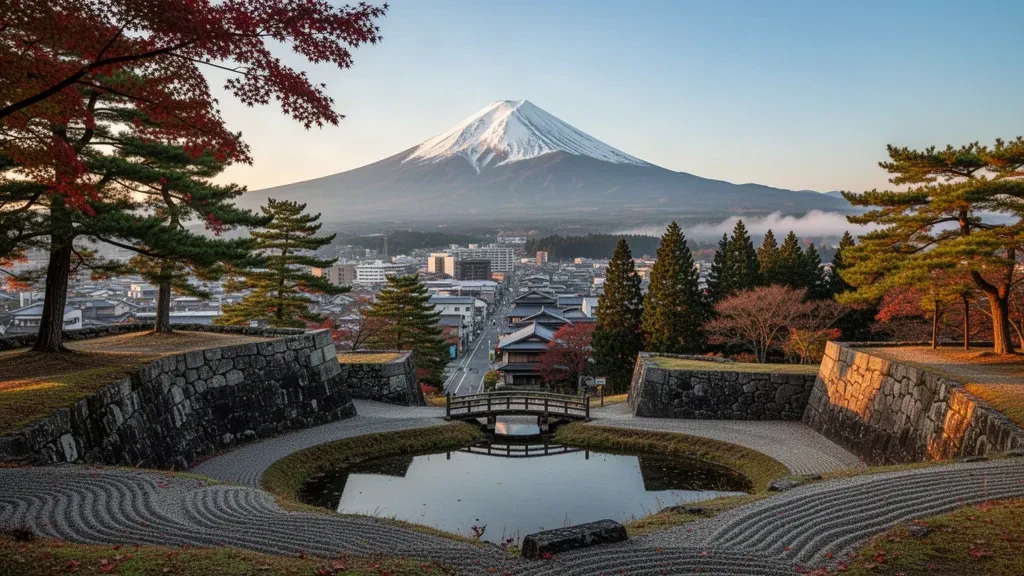
Iwate Travel Guide
Best Time to Visit
Spring and autumn are the most comfortable seasons, with cherry blossoms in April and colourful foliage in October and November. Summer suits the Sanriku coast and the Morioka Sansa Odori festival in August, while winter brings snow, skiing and hot-spring visits.
How to Get Around
The Tōhoku Shinkansen links Morioka and Kitakami with Tokyo, and JR lines connect major towns, but many rural and coastal sights are easiest by rental car. Local buses, taxis and private drivers cover central Morioka and shorter trips.
Where to Stay
Morioka offers the widest choice of hotels and restaurants near the station and castle area. Hanamaki and Shizukuishi suit onsen resort stays, Hiraizumi places you near the temples, and Miyako or Kamaishi work well for the Sanriku coast.
Food & Drink
Try wanko soba, reimen and jajamen in Morioka, along with Iwate beef, fresh Sanriku seafood and local sake. Markets, noodle shops, onsen-town dining and regional breweries offer a broad taste of the prefecture.
Ground Transportation Services in Iwate
Airport Transfers
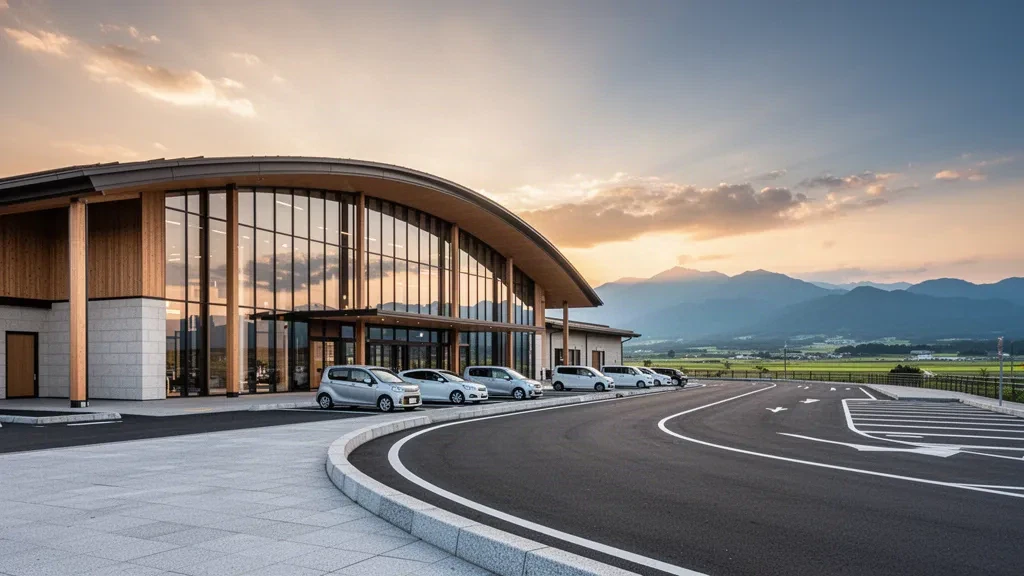
Travel between Iwate Hanamaki Airport and Morioka, Hanamaki onsen resorts, Kitakami, Hiraizumi and other destinations across Iwate.
Hourly Chauffeur
Book a private driver by the hour for business meetings in Morioka, onsen excursions, Hiraizumi sightseeing and flexible travel around Iwate.
Car Rental
Rent a car in Morioka or at Iwate Hanamaki Airport for independent travel along the Sanriku coast, through mountain areas and between onsen towns.
Bus & Group Transfers
Arrange minibuses or charter coaches for group travel to Hiraizumi, the Sanriku coast, ski resorts, festivals and corporate events across Iwate.
Frequently Asked Questions
Related Cities in Japan
View all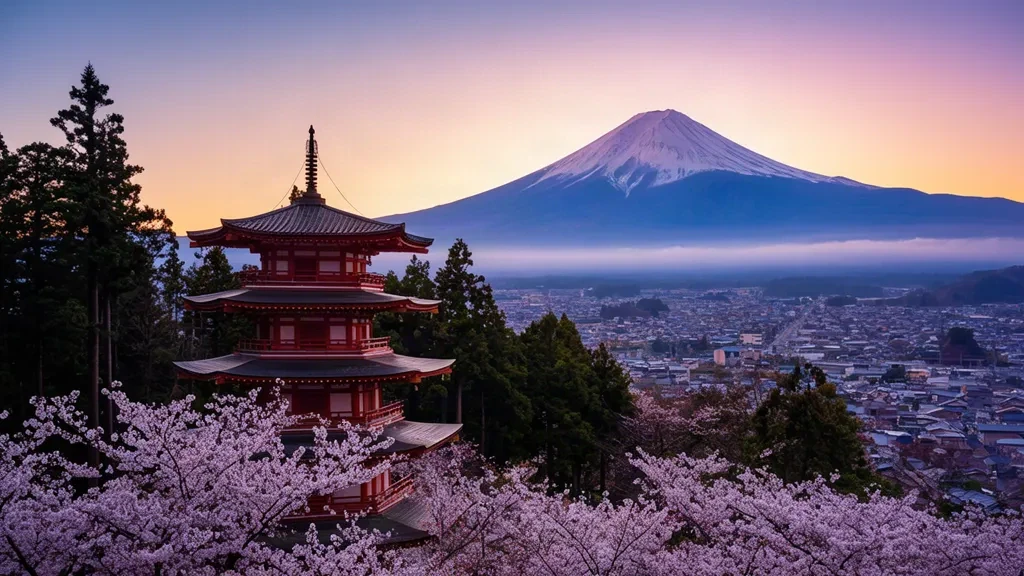
Yamanashi
Yamanashi, a quiet city in central Japan, sits in a mountain-ringed basin known for orchards, vineyards and a relaxed rural pace.
Yamaguchi
Yamaguchi, the capital of Yamaguchi Prefecture, is often called the Kyoto of the West for its samurai heritage, historic temples and tranquil gardens.
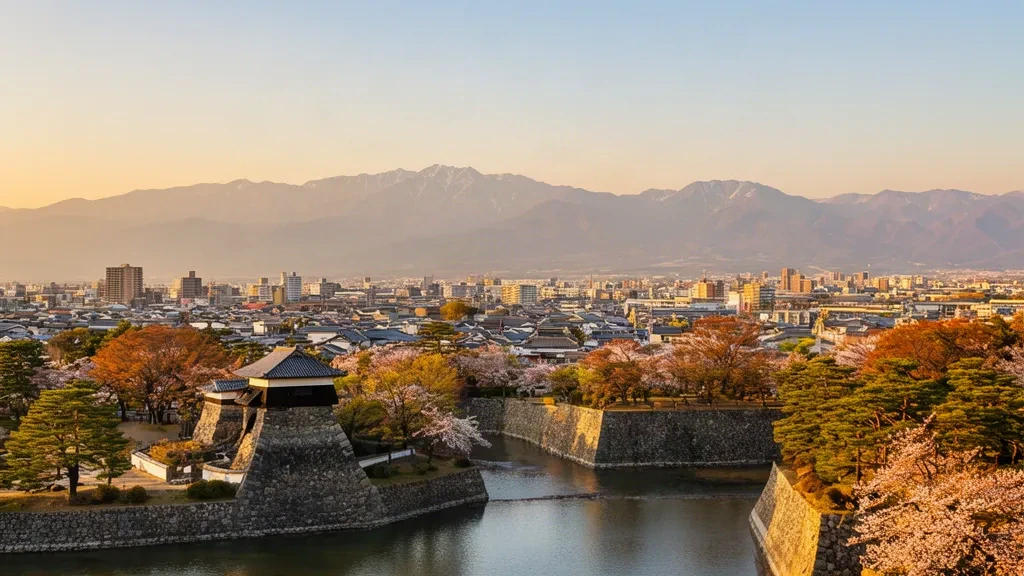
Yamagata
Yamagata is a calm city in northern Japan where castle ruins, hot springs, temple heritage and mountain scenery meet seasonal festivals and regional culture.