Hokkaido
Hokkaido, Japan's northernmost main island, pairs dramatic volcanic landscapes and world-class ski slopes with bustling cities, fresh seafood and seasonal festivals.
Passengers
Luggage
About Hokkaidō
Sapporo is the capital of Hokkaidō, Japan's northernmost main island and prefecture. Known for its wide, orderly street grid, snowy winters and famous Snow Festival, the city combines a compact modern centre with easy access to mountains, hot springs and the Sea of Japan coastline.
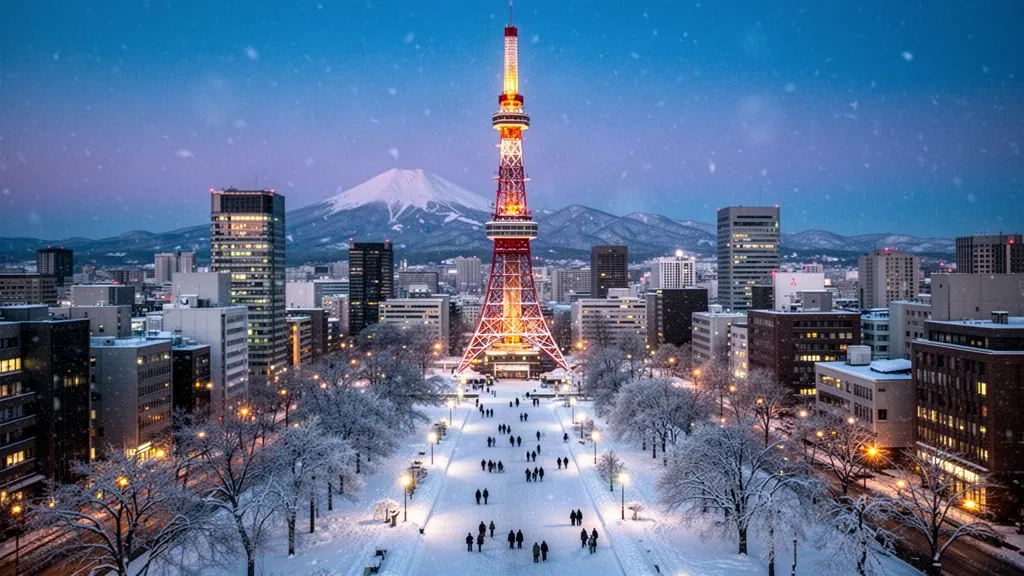
Sapporo grew rapidly after the Meiji era as Hokkaidō's administrative and agricultural centre. Its history is visible at the Sapporo Clock Tower, the former Hokkaidō Government Office and surrounding red-brick buildings, while landmarks such as the Sapporo TV Tower represent the city's newer face.
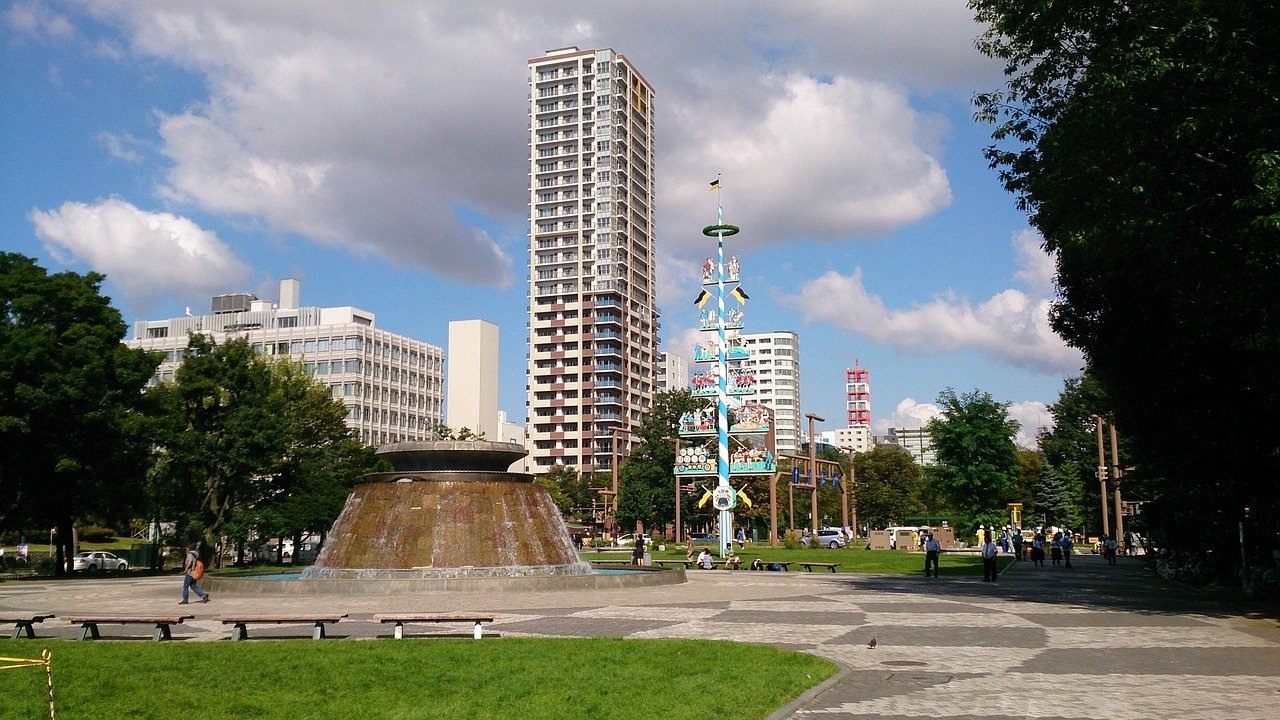
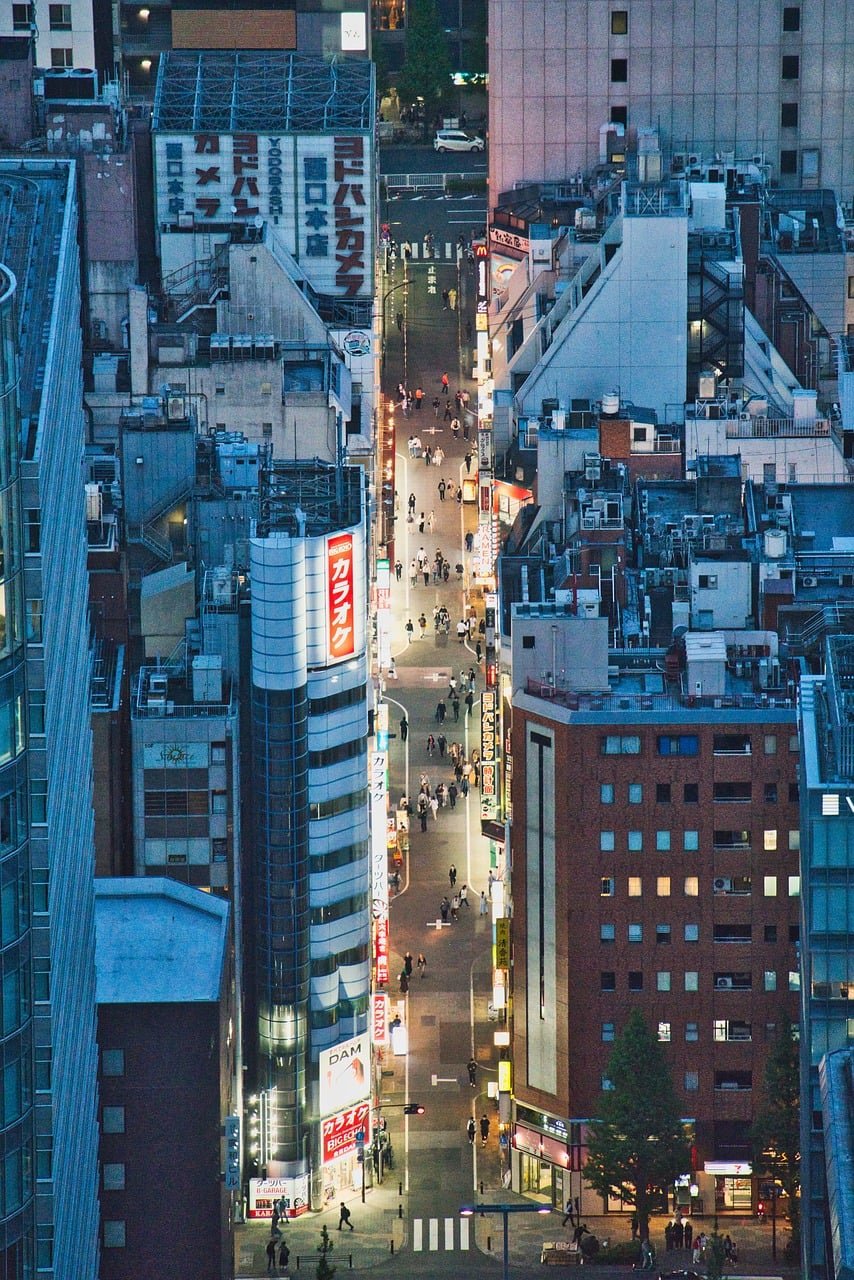
Odori Park runs east–west through the centre and hosts the February Sapporo Snow Festival with large snow and ice sculptures. Nearby districts include Susukino, a major dining and entertainment area, the covered Tanukikoji shopping arcade, and Maruyama with its park and Hokkaidō Shrine. Nijo Market offers fresh seafood in the city centre.
Sapporo is closely associated with miso ramen, soup curry, jingisukan grilled lamb, dairy products and Sapporo Beer. The Hokkaido Museum and the Historical Village of Hokkaido provide context on the island's Ainu heritage and modern settlement history.
As Hokkaidō's economic and transport hub, Sapporo hosts conferences, trade events and major festivals, and serves as a gateway to Otaru, Niseko and Jozankei Onsen. That combination of urban convenience and northern landscape makes it relevant for leisure and business travellers alike.
Hokkaidō Travel Guide
Best Time to Visit
Sapporo is rewarding year-round. Winter offers deep snow, the February Sapporo Snow Festival and nearby skiing, while summer is mild and pleasant for parks and festivals. Spring brings cherry blossoms in May and autumn adds vivid colours around the city and nearby mountains.
How to Get Around
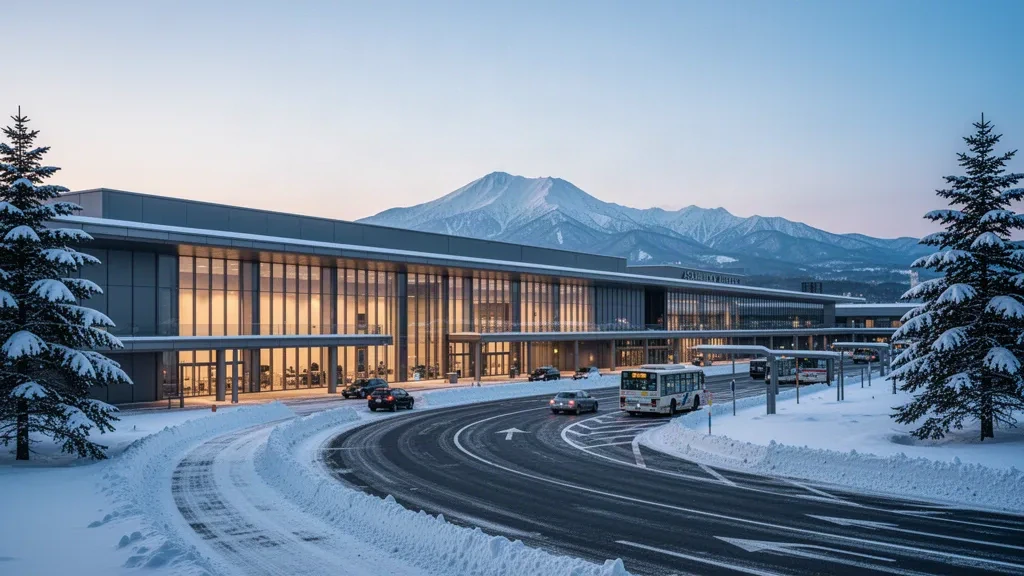
Sapporo has three subway lines, trams and a wide bus network, and central areas such as Odori and Susukino are walkable. JR trains connect Sapporo Station with New Chitose Airport and regional towns, while IC cards, taxis and rental cars cover longer trips.
Where to Stay
The Sapporo Station and Odori areas are convenient for transport, shopping and sightseeing, while Susukino suits dining and nightlife. Maruyama offers a quieter, greener setting, and Jozankei outside the city is popular for hot-spring stays.
Food & Drink
Sapporo is known for miso ramen, soup curry, jingisukan grilled lamb, fresh seafood at markets such as Nijo Market, and Hokkaidō dairy products. Local beer halls, cafés, izakaya and dessert shops add variety across Susukino and the city centre.
Ground Transportation Services in Hokkaidō
Airport Transfers
Travel between New Chitose Airport and Sapporo hotels, Sapporo Station, Odori, Susukino and other destinations across the city and wider Hokkaidō.
Hourly Chauffeur
Book a private chauffeur by the hour for business meetings, events, sightseeing and flexible travel around Sapporo, Otaru or nearby resorts.
Car Rental
Rent a car in Sapporo for independent city travel and convenient journeys to Jozankei, Niseko, Lake Toya and other Hokkaidō destinations.
Bus & Group Transfers
Arrange minibuses or charter buses for groups, corporate travel, events, airport transfers, ski transfers and sightseeing tours in and around Sapporo.
Frequently Asked Questions
Related Cities in Japan
View all
Yamanashi
Yamanashi, a quiet city in central Japan, sits in a mountain-ringed basin known for orchards, vineyards and a relaxed rural pace.

Yamaguchi
Yamaguchi, the capital of Yamaguchi Prefecture, is often called the Kyoto of the West for its samurai heritage, historic temples and tranquil gardens.
Yamagata
Yamagata is a calm city in northern Japan where castle ruins, hot springs, temple heritage and mountain scenery meet seasonal festivals and regional culture.