Fukuoka
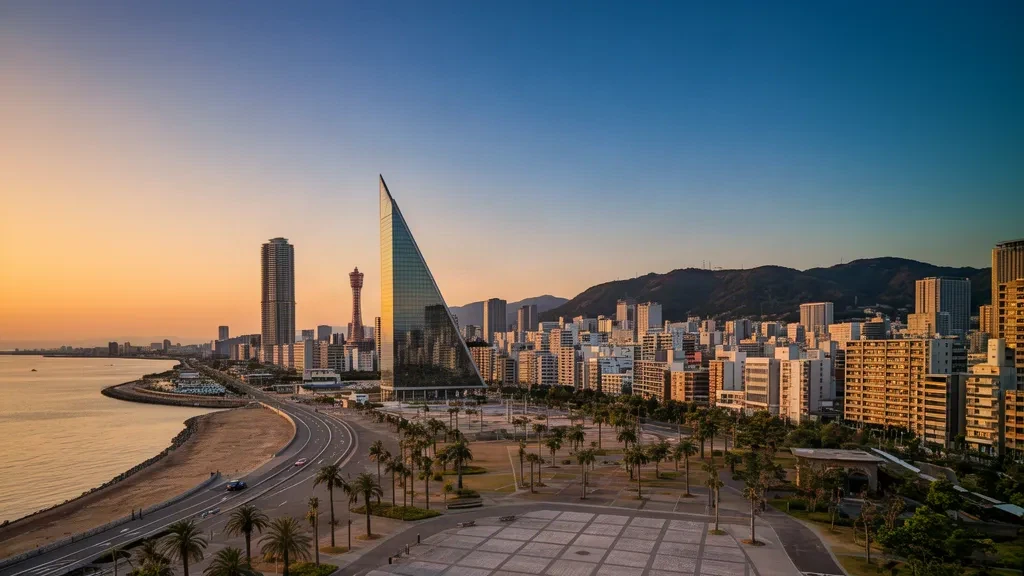
Fukuoka, a lively port city on Japan's Kyushu island, pairs ancient temples and renowned food stalls with modern architecture and a relaxed coastal setting.
Passengers
Luggage
About Fukuoka
Fukuoka is Kyushu's largest city and one of Japan's most liveable urban centres, set along Hakata Bay and known for its compact scale, relaxed atmosphere and celebrated food culture. It developed as two distinct places — the old merchant port of Hakata and the former castle town of Fukuoka — which merged into a single city in 1889.
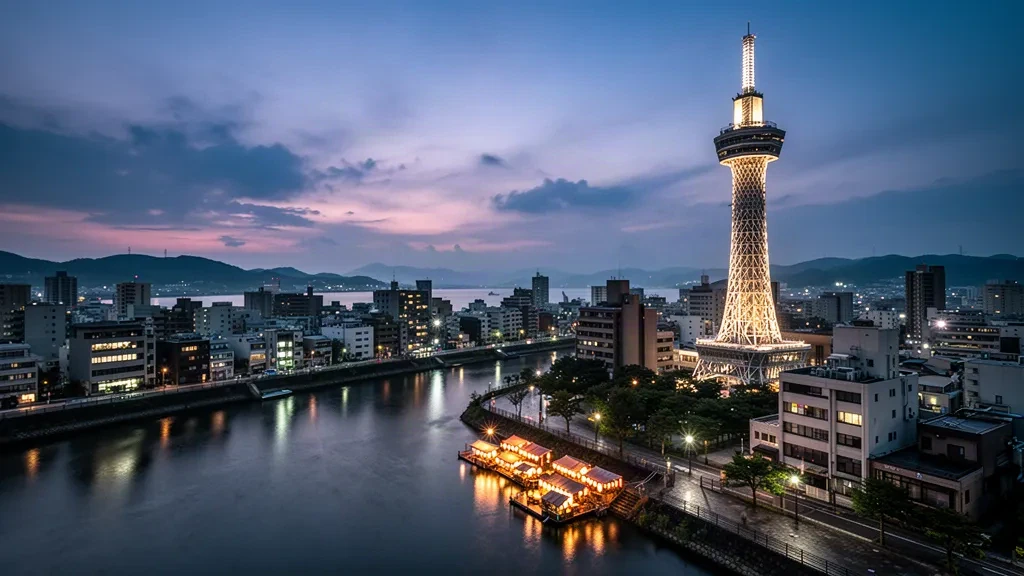
The city's history is visible in landmarks such as Kushida Shrine, the starting point of the Hakata Gion Yamakasa festival, and Shofukuji, founded in 1195 as Japan's first Zen temple. Fukuoka Castle's stone walls and turrets remain in Maizuru Park, while modern additions include Canal City Hakata, Fukuoka Tower and the seaside Momochi district.
Tenjin is the main shopping and business district, Hakata is the transport and historic centre, and Nakasu is famous for its riverside yatai food stalls and nightlife. Cultural stops include the Fukuoka Art Museum, the Fukuoka Asian Art Museum and Ohori Park, while Dazaifu Tenmangu shrine is a short train ride from the city.
Fukuoka has a strong startup and innovation reputation, supported by national strategic zone status and institutions such as Kyushu University. Its food scene — Hakata ramen, motsunabe, mentaiko and fresh seafood — along with events such as Hakata Dontaku and Hakata Gion Yamakasa, draws visitors year-round.
For both leisure and business travellers, Fukuoka is an efficient gateway to Kyushu, with a city-centre airport, frequent ferries to Busan, and easy rail links to hot-spring towns and the wider island.
Fukuoka Travel Guide
Best Time to Visit
Spring and autumn are the most comfortable seasons, with mild weather and cherry blossoms at Maizuru Park and Ohori Park in late March and early April. July brings heat, humidity and the energetic Hakata Gion Yamakasa festival, while winters are relatively mild and quieter.
How to Get Around
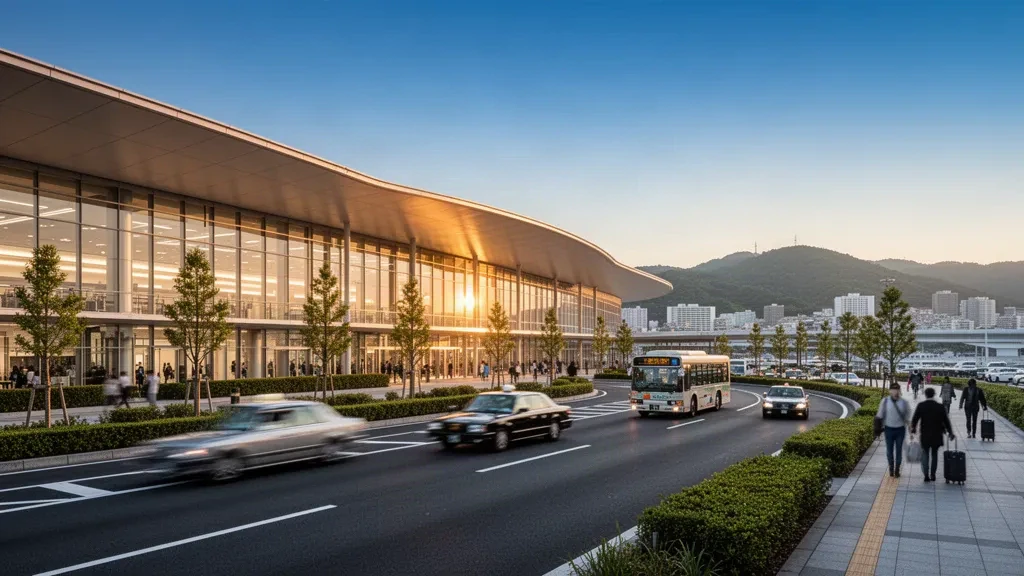
Fukuoka's compact centre is served by three subway lines, plus Nishitetsu trains and an extensive bus network. The Kuko Line connects Fukuoka Airport directly to Hakata Station and Tenjin, and many central areas are walkable or easily reached by taxi and rental car.
Where to Stay
Hakata is convenient for airport access and rail connections, while Tenjin offers shopping, restaurants and business hotels. Nakasu and the nearby riverside area suit travellers interested in nightlife and yatai stalls, and the Momochi seaside district provides a quieter stay near the bay.
Food & Drink
Fukuoka is known for Hakata tonkotsu ramen, motsunabe hotpot, mentaiko and fresh seafood. Open-air yatai stalls in Nakasu and Tenjin serve small plates in the evening, while department-store food halls, izakayas and local markets offer a wide range of regional dishes.
Ground Transportation Services in Fukuoka
Airport Transfers
Travel between Fukuoka Airport and hotels, business districts, cruise terminals and other destinations across Fukuoka and Hakata.
Hourly Chauffeur
Book a private chauffeur by the hour for business meetings, events, sightseeing and flexible travel around Fukuoka.
Car Rental
Rent a car in Fukuoka for independent travel around the city and convenient journeys to Dazaifu, hot-spring towns and other Kyushu destinations.
Bus & Group Transfers
Arrange minibuses or charter buses for groups, corporate travel, events, airport transfers and tours in Fukuoka.
Frequently Asked Questions
Related Cities in Japan
View all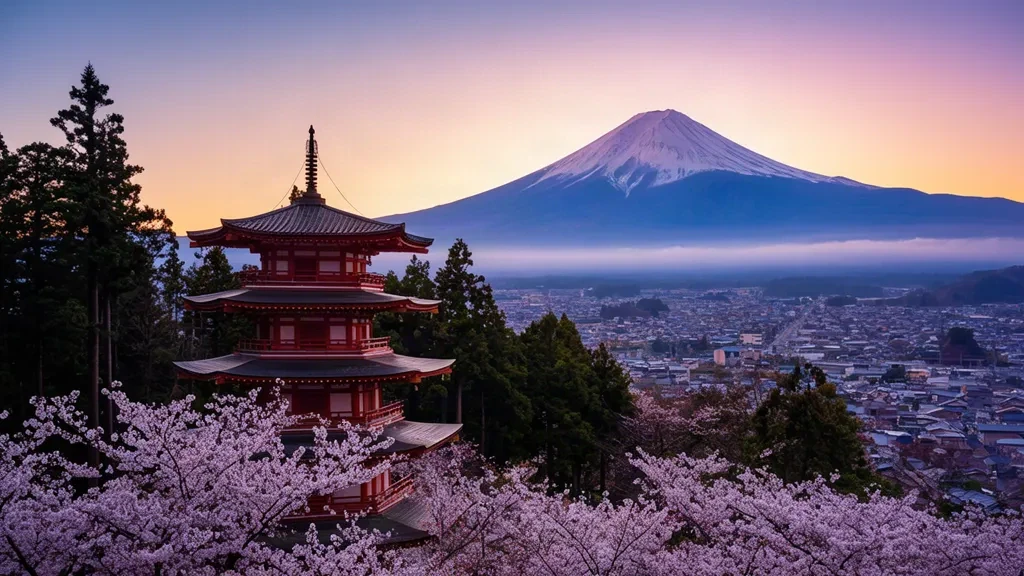
Yamanashi
Yamanashi, a quiet city in central Japan, sits in a mountain-ringed basin known for orchards, vineyards and a relaxed rural pace.

Yamaguchi
Yamaguchi, the capital of Yamaguchi Prefecture, is often called the Kyoto of the West for its samurai heritage, historic temples and tranquil gardens.
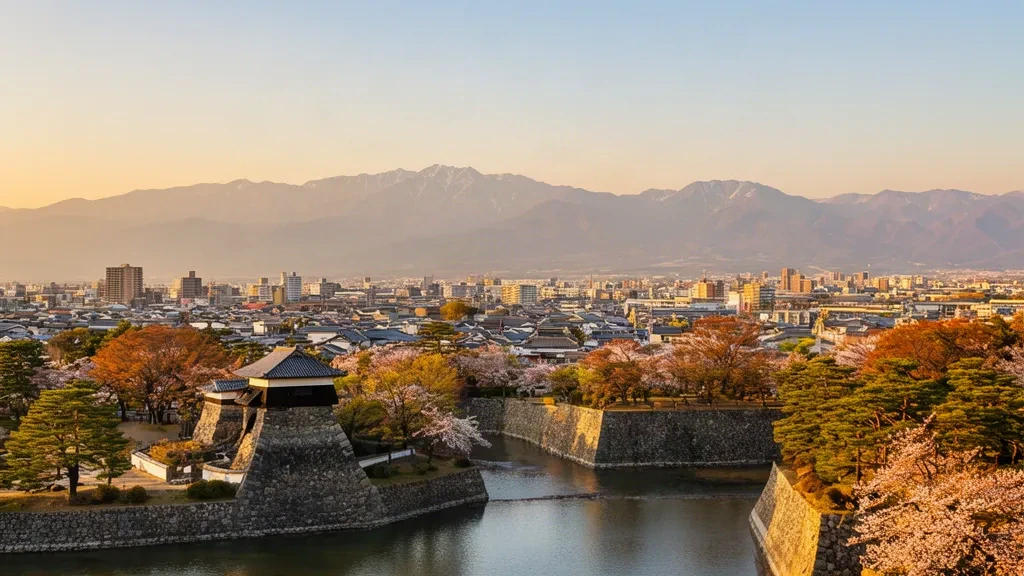
Yamagata
Yamagata is a calm city in northern Japan where castle ruins, hot springs, temple heritage and mountain scenery meet seasonal festivals and regional culture.